
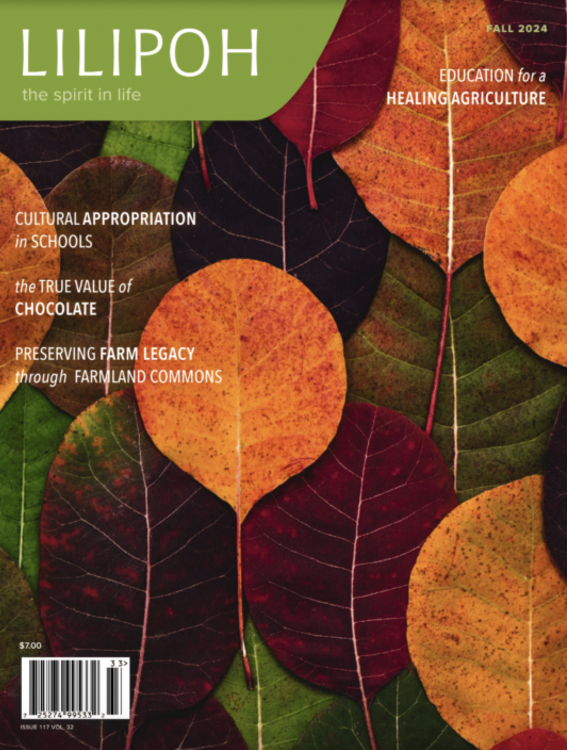
Bean to Bar: The True Value of Chocolate, by Valerie Beck, in LILIPOH Magazine
November 12, 2024
Bean to Bar: The True Value of Chocolate
Valerie Beck

When I was four years old and wouldn’t drink milk, my mother wrote a note to my kindergarten teacher asking her to give me chocolate milk. Astounded that the chocolate I loved to eat could enhance milk, I wanted to know more: Where does chocolate come from, who makes it and how, and why don’t we put it in everything? My lifelong study of chocolate began.
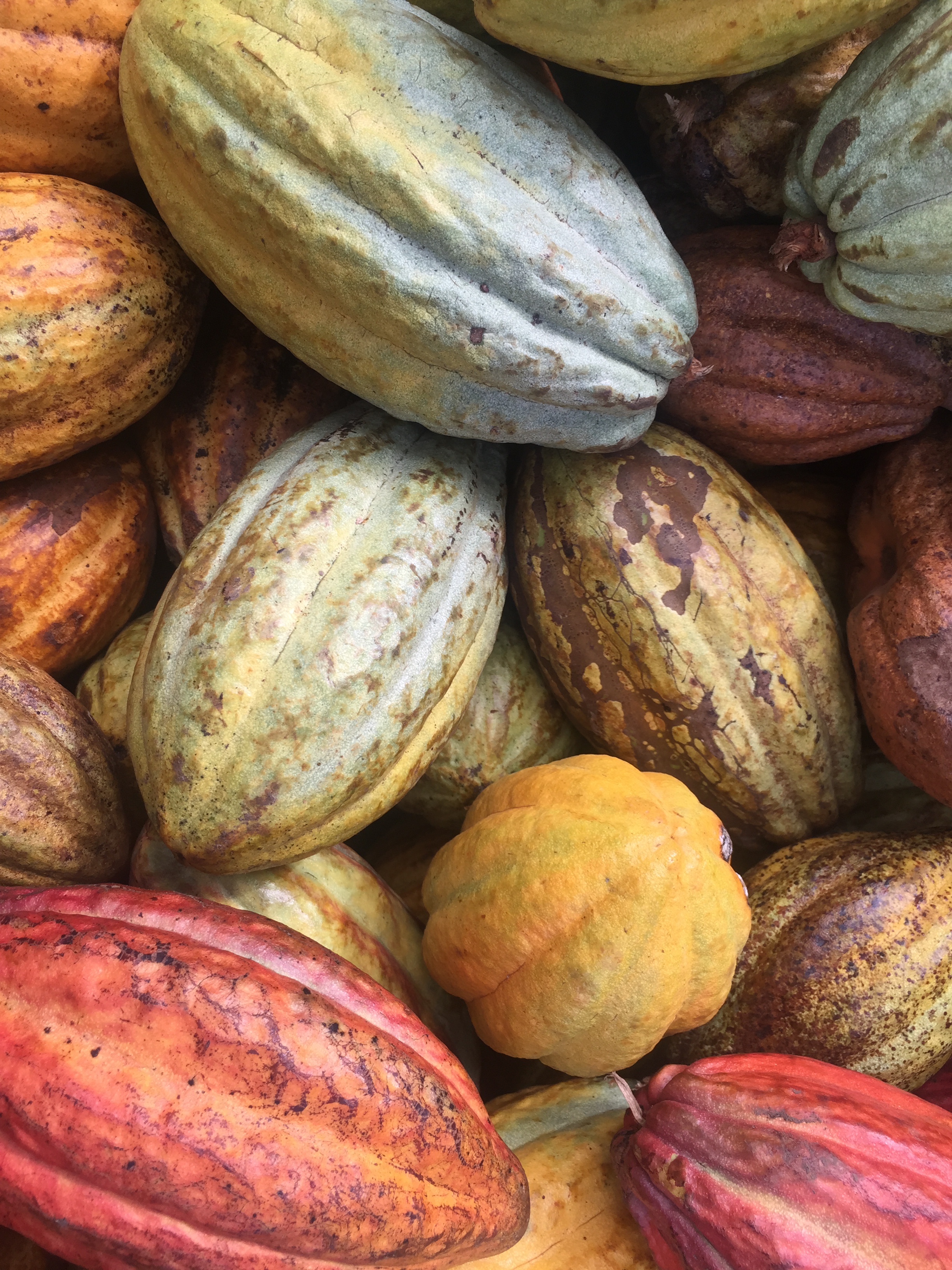
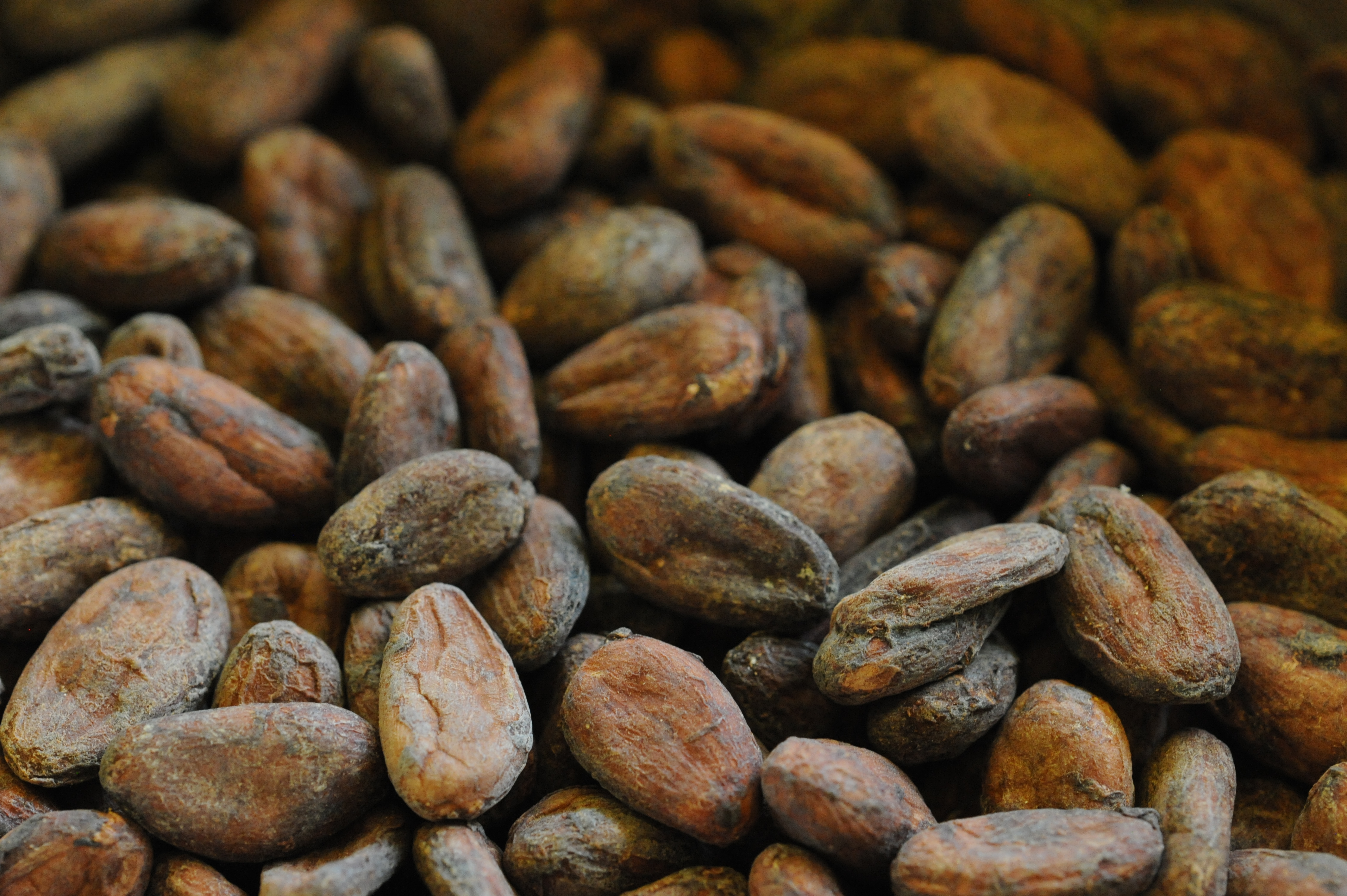
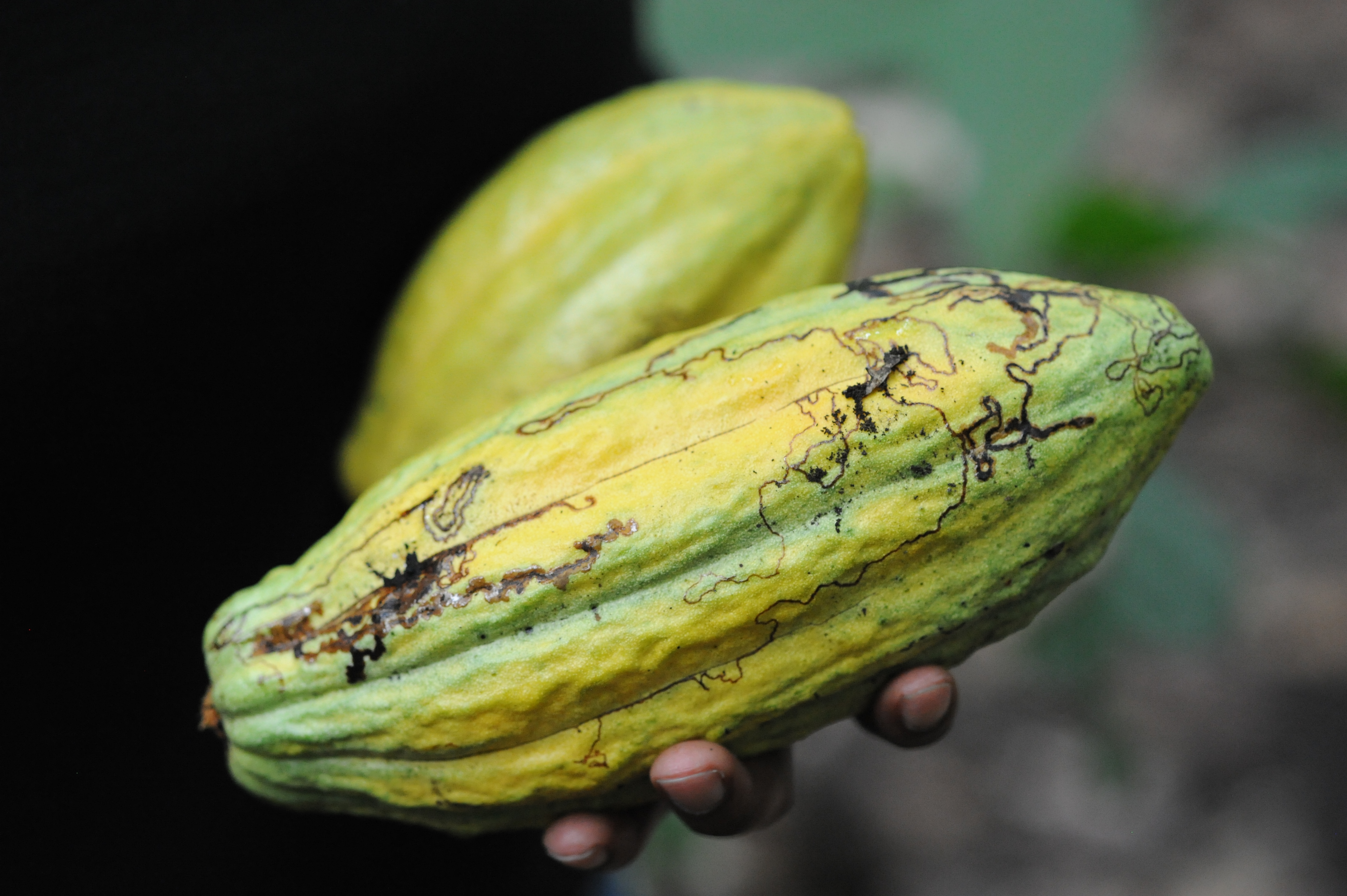
Globally beloved chocolate, health-rich and heart-warming, made from the seed of the fruit of the cacao tree, has always seemed to me to be one of the most valuable foods, beverages, or experiences on the planet. The Aztec, Maya, Olmec, and other peoples knew and know cacao’s health benefits, ecosystem contributions, and power to support vitality. Cacao opens the heart, focuses the mind, and enriches the earth. Today, a focus on the monetary value of commoditized cacao threatens to overshadow the human rights abuses and environmental degradation in the corporate-run cacao and chocolate industry. Over-financialization also obscures solutions that are already as close at hand as my childhood carton of chocolate milk.
Having cultivated my chocolate fascination throughout my educational career, I made sure as a young attorney at a big law firm in Chicago that my desk always held a dish of chocolates to savor and share. One day, a project for one of the largest cacao processors in the world landed next to my chocolate treasures. The client was a multinational, multi-billion-dollar food and ingredients corporation that processed and traded in cacao grown and harvested by child slaves in West Africa.
The Problems
The United Nations describes much of the work done by one and a half million children on cacao farms in Cote d’Ivoire and Ghana, the countries that produce 70 percent of the world’s cacao, as the worst form of child labor. The children swing machetes to hack cacao pods, carry heavy equipment and sacks of cacao, and spray chemical herbicides that cause deforestation. Many of them have been trafficked. They neither go to school nor live with their parents. In most cases, they are not paid.1
Child labor on cacao farms has been documented for years, including recently by The Washington Post,2 Fortune Magazine,3 and CBS News.4 The latter aired a story in 2023 showing children as young as five years old working on a cacao farm that supplies Mars, the maker of Snickers and other chocolate brands. The documentary “The Chocolate War”5 by filmmaker Miki Mistrati follows human rights lawyer Terry Collingsworth as he gathers evidence for his lawsuit against chocolate corporations. At one point in the film, we see children working on a Cote d’Ivoire cacao farm that bears a Nestle sign, while Nestle lawyers argue in court that the company does not condone child labor, and as Terry uncovers documents confirming Nestle’s purchases of cacao from farms where children engage in heavy or hazardous work.
The Money
The US Department of Labor’s Bureau of International Labor Affairs discusses the need for a global cocoa supply chain free of exploitative labor6 and coordinates millions of dollars in technical assistance to organizations such as Winrock, a Rockefeller-founded nonprofit that received a $4,000,000 grant to improve the capacity of cocoa cooperatives to monitor for child labor.7 Meanwhile, cacao farmers in West Africa earn less than one dollar a day—with female cacao farmers earning less than men—well below what the World Bank calls a living income.8
When we hear of cacao prices rising from $2,000 per ton to over $10,000 per ton, is this good news for West African cacao growers? No, because no profit reaches them. The corporations take advantage of political landscapes where the rule of law is not respected and where, instead of a free market where growers can set their own prices and sell to whomever they choose, a system exists in which farmers must sell to the cacao agencies run by the governments of Cote d’Ivoire and Ghana. The governments, mindful of what the corporations will pay, set the minimum price of cacao and the wage that farmers will receive. In other words, regardless of rising costs of inputs or rising prices of outputs, or who the farmers might wish to sell to, farmers are locked into government-regulated prices and contracts that benefit the corporations who profit from a global chocolate industry, currently valued at $120 billion.9 The farmers who make the industry possible remain in poverty, and impoverished children remain vulnerable.10
Moreover, the prices that have been increasing from government-set minimums are futures prices on commodities exchanges, which means that hedge fund managers and other traders who are not part of the chocolate industry can speculate on the prices and drive them higher. Certain traders with a position in cacao have no intention of taking delivery of physical cacao, yet have caused prices to rise and have profited.11 I invited audience members at a talk I gave at the DC Chocolate Festival, held in Washington, DC, in April 2024,12 to imagine a fleet of trucks backing up—beep, beep, beep—in front of Wall Street office buildings to deliver tens of thousands of tons of cacao. Of course, no such deliveries happen, because hedge funds and private equity firms are in the business of making money, not chocolate. Do we want a society where corporations, funds, and firms make money from child labor? The London Metals Exchange began regulating child labor in cobalt. Will we see commodities markets for cacao follow suit? Do we want human rights protections to be financialized, especially when profiteering has already overridden principles, causing and exacerbating problems in the first place?
As for the narrative that commodity cacao has become expensive: how can this be true when the price is set artificially, was and has remained depressed for decades until recent surges, and is in some cases ten times less than the price of the fine flavor or specialty cacao that my bean-to-bar chocolate maker clients purchase directly from farmers in other parts of Africa and the world?
The Solutions
It may seem that large forces keep control of cacao, chocolate, and children in their hands, yet the solutions are in our hands. Corporations are a legal fiction that we can challenge. Governments are a political invention that we can rethink. Alternate supply channels already exist. There are two chocolate economies: the commoditized version based on abuse of people and planet, and a growing chocolate economy based on transparency and flavor.
When I started my first business, Chicago Chocolate Tours, in 2005, there were few chocolate makers who purchased cocoa beans to grind them into chocolate, compared with chocolatiers who purchase chocolate that has already been made—often by a large company using bulk cacao from the slave labor supply chain—before adding their own fillings or other touches. One pioneering chocolate maker was Shawn Askinosie, who is also a formerly practicing attorney and who began his business in 2006. Shawn purchases cacao directly from slavery-free and sustainability-focused cacao growers in Ecuador, the Philippines, and Tanzania, where he profit-shares with farmers and partners with them on community investment.
I spotlighted ethical, delicious Askinosie Chocolate13 on my tours. As the number of bean-to-bar brands grew, and my own team and our number of tour locations grew, I developed relationships with other chocolate makers, and my Tourguides and I began including their chocolate on tours and in tastings. Today, there are hundreds of small-batch chocolate makers in the United States and throughout the world, as more entrepreneurs, makers, chocolate lovers, and conscious shoppers discover the complex flavors and principled business dealings of the craft chocolate community.
How can you identify ethical chocolate, and how can we shift our world so that companies and governments that profit from problems in cacao will solve the problems they have helped create? To choose healthful and ethical craft chocolate made from cacao that is not traded on commodities markets but purchased directly from growers:
1) Look for the cacao country of origin or the growers’ collective on the label to know if the chocolate bar carries transparency or is of non-identifiable (and therefore likely abusive) origin;
2) Buy from small-batch brands who purchase and grind their own cacao. Read about their sourcing; for example, Xocolatl Small-Batch Chocolate14 shares details on their website of the Nicaragua, Peru, and Uganda farms where they purchase cacao, and Raaka Chocolate15 publishes excerpts of their transparency report on the inside of their wrappers; and,
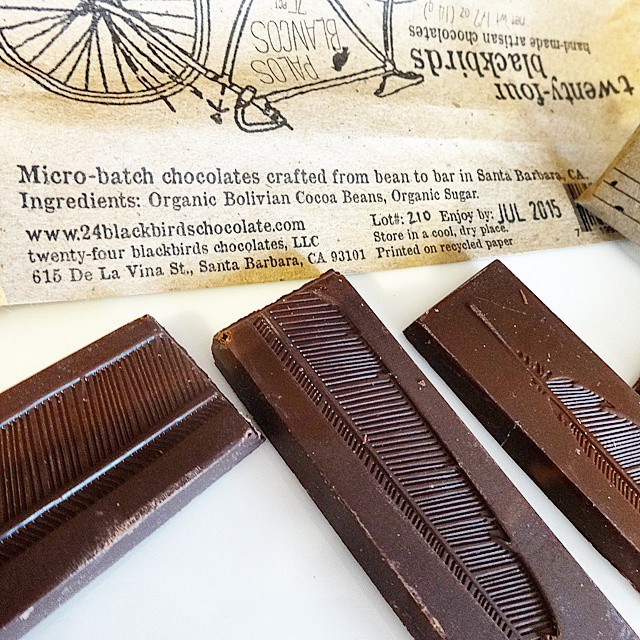
3) Read the back of the bar to confirm the chocolate is made from clean ingredients with no additives, because chocolate makers who work with fine flavor cacao typically want to showcase, not mask, subtleties of flavor.
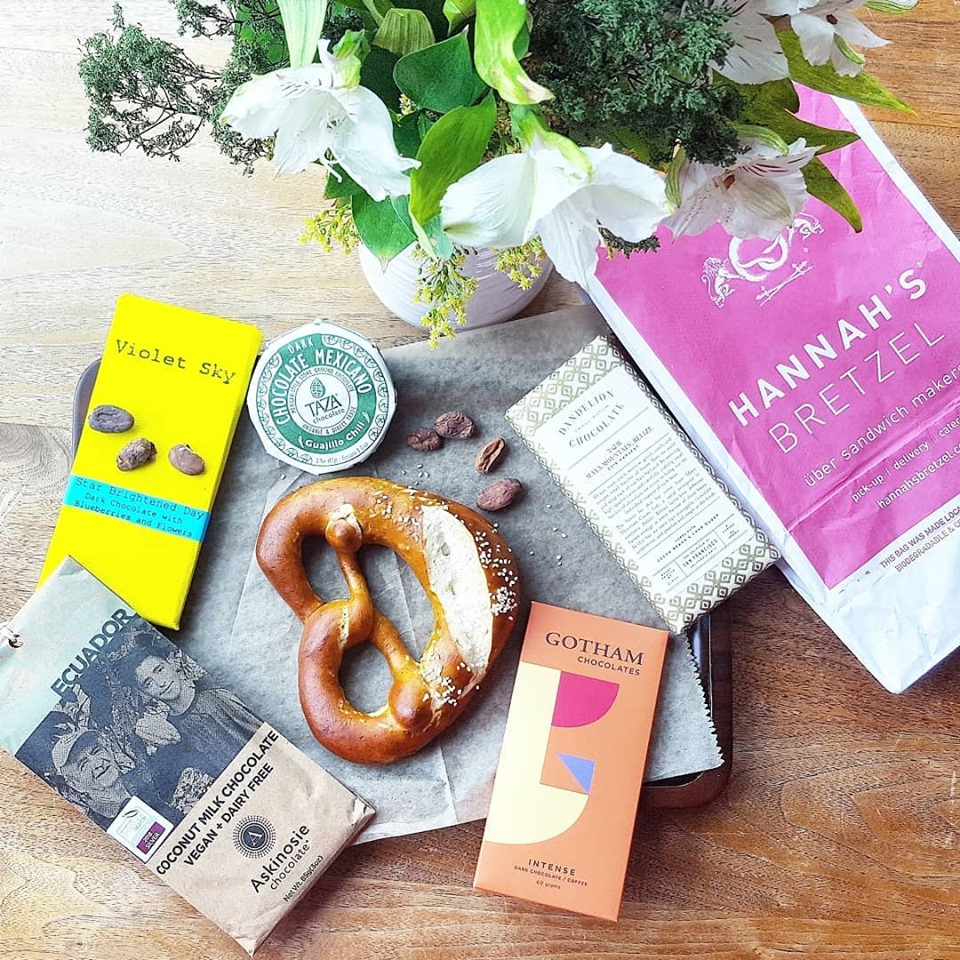
And note the taste! The San Jose del Tambo Ecuador chocolate bar by Askinosie that I am savoring while writing this article is made from direct trade cacao, organic cane sugar, cocoa butter pressed in-house—and nothing else. The bar delivers flavor notes of honey, jasmine, orange peel, and earthy-tangy black currant, with a burst of tannins on a gently creamy texture followed by a clean, dry finish. Sample it alongside a commercial bar that you might have on hand, and you will undoubtedly instantly taste the difference.
To stop corporations from profiting from child slave labor, deforestation, or chemical contamination of nature and our bodies, shouldn’t we ensure they pay farmers a fair price?16 Shouldn’t we expect further corporate accountability and the end of child labor, chemical herbicides and pesticides, and pollution during production? To accomplish these ends, we can support positive legislation, share information with our local communities,17 and choose which of the two chocolate economies to support: the extractive and industrial system where chocolate is a commodity made by corporations at the lowest cost possible while children pay with their childhoods, or the alternative and uplifting economy — already in operation, buoyed by bonds of affection — in which chocolate is a nuanced food, made by small teams, from transparently-traded cacao that nourishes humans and ecosystems.
We can make the problem disappear by creating a reality that makes it obsolete. We know where our wine and craft coffee come from; shouldn’t we know where the cacao in our chocolate comes from? The big brands cannot argue that transparency is impossible, because the craft chocolate community lives transparency as a daily reality. You can too by voting with your dollars or other currency for the chocolate economy you prefer.
The Value
When my desk at the law firm presented the choice of abuse-based industrial chocolate or principle-based artisanal chocolate, I left the law firm and followed my heart into chocolate. Chocolate and cacao have introduced me to fascinating people, places, flavors, and ideas, as the value of chocolate in my life radiates beyond price tags. Chocolate invites us to re-evaluate our values and prioritize empathy and equality, courage and compassion, justice and joy, liberty and love, as we create the Golden Age we wish to experience and deliver to future generations of children and chocolate lovers.
ENDNOTES
1 Sidney Krisanda and Hannah Rojas, “Child Labor in Cocoa Supply Chains: Unveiling the Layers of Human Rights Challenges,” Sustainalytics, March 26, 2024,
2 Peter Whoriskey and Rachel Siegel, “Cocoa’s Child Laborers,” The Washington Post, June 5, 2019, https://www.washingtonpost.com/graphics/2019/business/hershey-nestle-mars-chocolate-child-labor-west-africa/
3 Vivian Walt, “Big Chocolate’s Child Labor Problem is Still Far from Fixed,” Fortune,October 19, 2020, https://fortune.com/2020/10/19/chocolate-child-labor-west-africa-cocoa-farms/
4 Debora Patta, Sarah Carter, Javier Guzman, and Kerry Breen, “Candy Company Mars Uses Cocoa Harvested by Kids as Young as 5 in Ghana: CBS News investigation,” CBS News, November 29, 2023, https://www.cbsnews.com/news/children-harvesting-cocoa-used-by-major-corporations-ghana/
5 “The Chocolate War,” Made in Copenhagen, accessed September 16, 2024, https://www.thechocolatewarfilm.com/
6 United States Department of Labor Bureau of International Labor Affairs, “Child Labor in the Production of Cocoa,” accessed September 16, 2024, https://www.dol.gov/agencies/ilab/our-work/child-forced-labor-trafficking/child-labor-cocoa
7 United States Department of Labor Bureau of International Labor Affairs, “Mate Masie – Making Advances to Eliminate Child Labor in More Areas with Sustainable Integrated Effort,” accessed September 16, 2024, https://www.dol.gov/agencies/ilab/mate-masie-making-advances-eliminate-child-labor-more-areas-sustainable-integrated
8 Guvind Bhutada, “Cocoa’s Bittersweet Supply Chain In One Visualization,” World Economic Forum, November 4, 2020,
9 “Chocolate Market Size, Share & Trends Analysis Report By Product (Traditional, Artificial), By Distribution Channel (Supermarket & Hypermarket, Convenience Store, Online), By Region, And Segment Forecasts, 2024 – 2030,” Grand View Research, accessed September 16, 2024, https://www.grandviewresearch.com/industry-analysis/chocolate-market
10 Kwame A. Kwarteng, “How Much Cocoa Farmers Earn And Why We Need To Announce ‘A Cocoa Emergency!’,” The Cocoa Post, July 20, 2020,
11 Susannah Savage, “Hedge fund stampede into cocoa futures fuels record price jump,” Financial Times, February 15, 2024,
12 Valerie Beck, “The Value of Chocolate: Talk at the DC Chocolate Festival,” Chocolate Uplift, April 26, 2024,
13 “Askinosie Chocolate,” accessed September 16, 2024, https://askinosie.com/
14 “Xocolatl Small Batch Chocolate,” accessed September 16, 2024, https://xocolatlchocolate.com/
15 “Raaka,” accessed September 16, 2024, https://www.raakachocolate.com/
16 Anthony Myers, “Oxfam Slams Large Chocolate Companies At World Cocoa Conference,” Confectionery News, April 22, 2024,
17 “End Slave Labor,” International Rights Advocates, accessed September 16, 2024, https://www.internationalrightsadvocates.org/advocate/cocoaadvocacy
Valerie Beck bio
Valerie Beck is a graduate of Harvard Law School and Harvard College; a chocolate services entrepreneur who founded Chicago Chocolate Tours and grew the business to 5 cities with 50 employees; a consultant through Chocolate Uplift to small-batch chocolate makers and growers in ethical cacao supply channels; and a mentor of students who seek to follow their own paths.
https://lilipoh.com/articles/bean-to-bar-the-true-value-of-chocolate-by-valerie-beck/
*****
Thank you and backstory
Thank you to dear Karen Davis-Brown, Contributing Editor of LILIPOH Magazine — a publication about how education and economics can support local communities, enlightened views on caring for and working with the land, and social change and human development — for suggesting, supporting, and editing the above article.
I met Karen in Wisconsin while I was staying at Kindred Farm Retreat, an organic farm and writer’s and artist’s retreat in Saint Croix Falls, and am grateful to farm founder Kathleen Melin for connecting us through the circles, lines, and spirals of community. More news to come on chocolate tastings I held in that beautiful region!
Fun fact if you made it this far: LILIPOH stands for Life, Liberty, and the Pursuit Of Happiness through Health!
Onward and upward!
Your friend in chocolate,
Valerie

Valerie Beck
Chocolate Uplift Founder
Professor Valerie Beck Tutoring and Coaching





 Chocolate Uplift