Hi there!
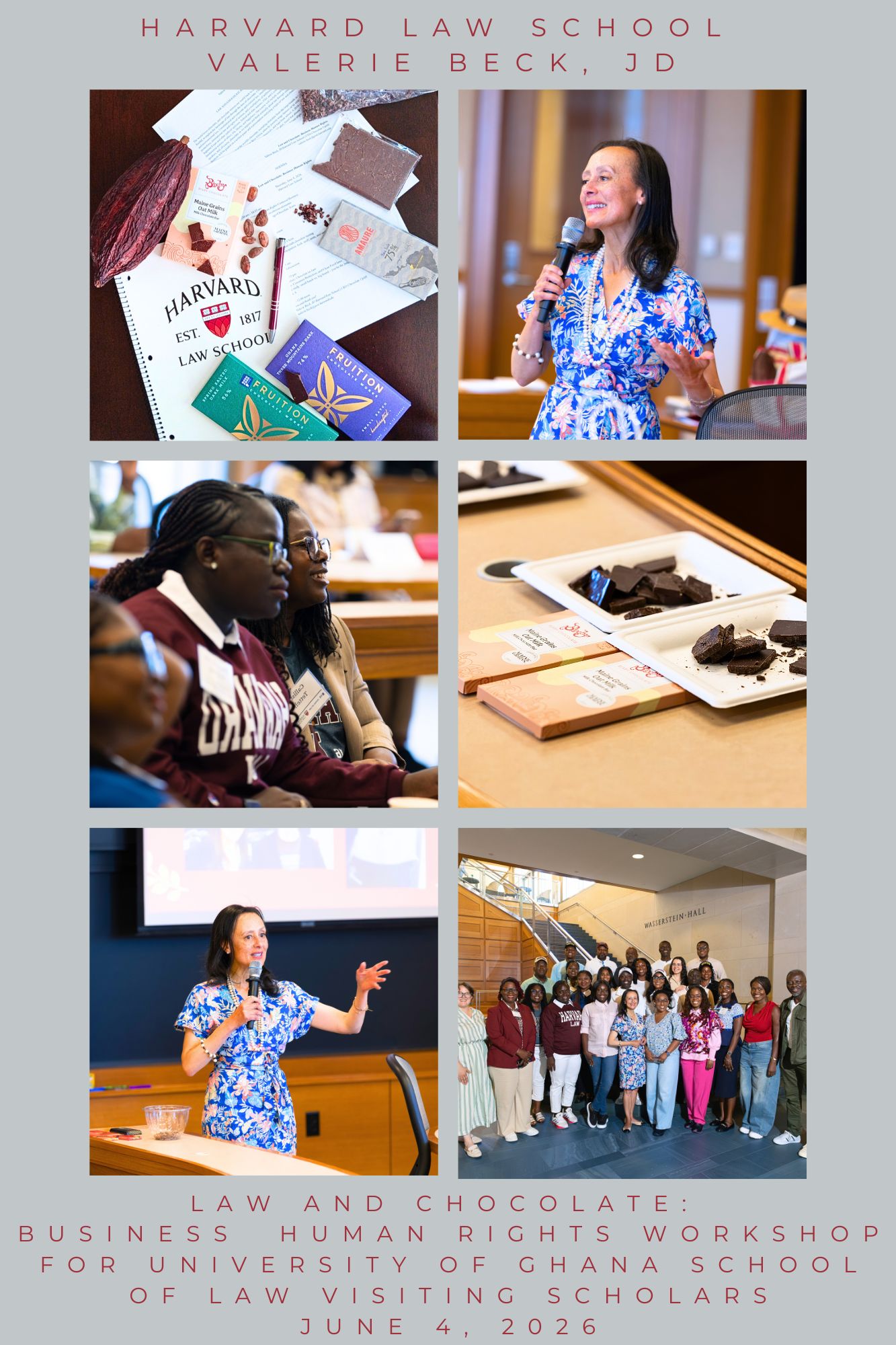
I was honored to be invited to present my research and case studies on “Law and Chocolate: Business Human Rights” at my alma mater, Harvard Law School, in a workshop earlier this month for a group of visiting lawyers and law students from the University of Ghana School of Law.
Here is the Law School’s article about the event:
*****
Business & Human Rights with UGSoL
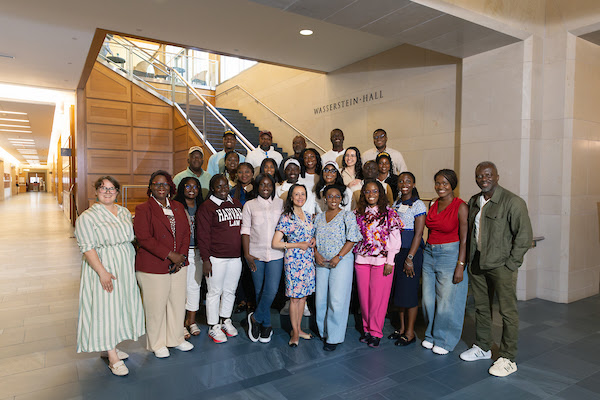
Last week we finished an inspiring week at the Business & Human Rights Symposium. This marks the third year that the Human Rights Entrepreneurs Clinic partnered with HRP to welcome students and professors from the University of Ghana School of Law.
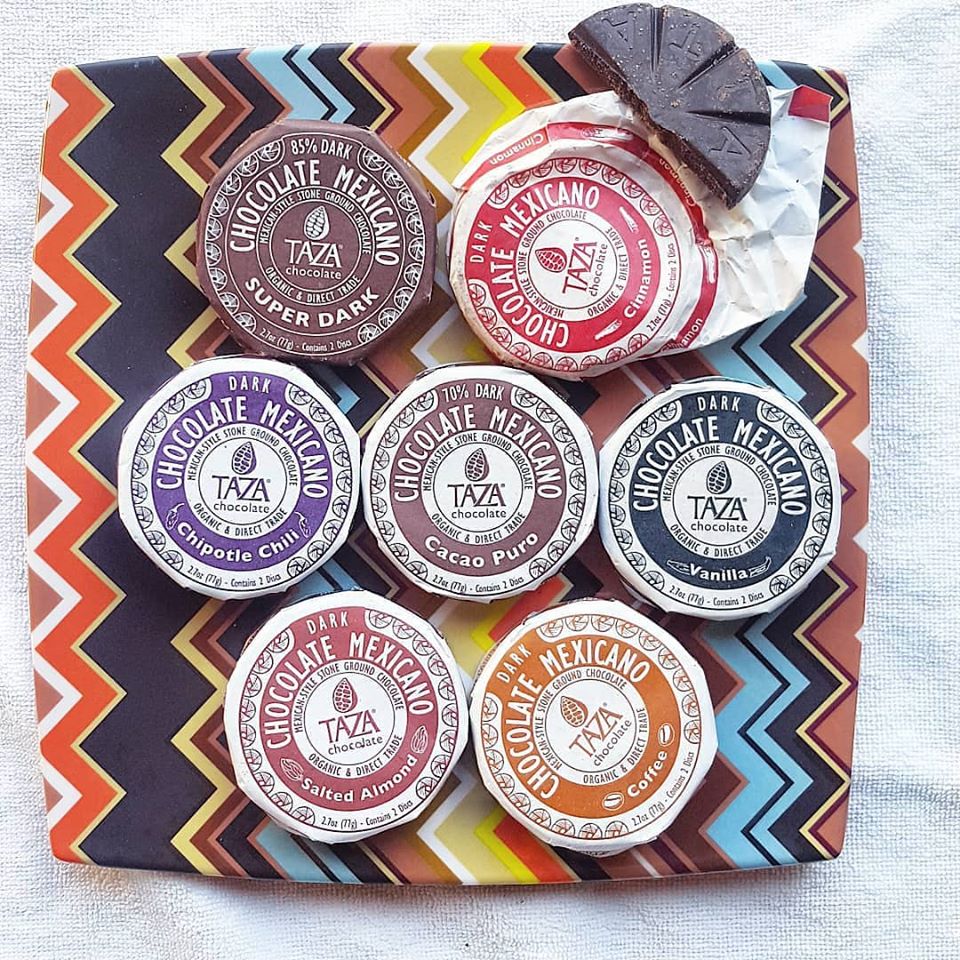
Throughout the week, our faculty guided the cohort through a rigorous, multi-disciplinary curriculum. Participants explored the historical limitations of the UN Guiding Principles and the application of systems lawyering in supply chain litigation with Senior Clinical Fellow Emily Ray. The classroom discourse was further enriched by Valerie Beck, who led a complex case study on the cacao industry, and a practical site visit to Taza Chocolate to study transparent sourcing models firsthand. To close the week, Clinical Professor Tyler Giannini led a critical analysis and simulation regarding the intersection of BHR, social entrepreneurship, and climate change litigation.
It was an intellectually demanding week, demonstrating the vital need for continued cross-border collaboration in the pursuit of human rights.
*****
I structured my presentation into 3 sections:
1) Business — obvious and non-obvious ethical business principles and practices, with a Chicago Chocolate Tours case study.
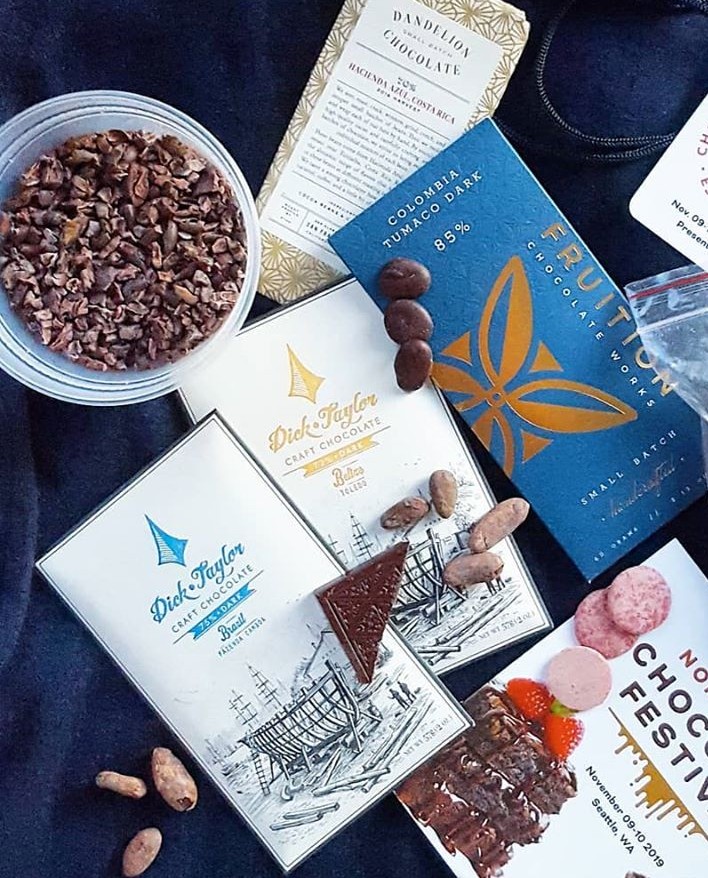
2) Tasting — a sampling of craft chocolate by Amaure Chocolate, Bixby Chocolate, and Fruition Chocolate, and of Zorzal Dominican Republic cacao and Askinosie Chocolate‘s Tanzania cacao nibs; plus discussion of differences between bulk cacao and specialty cacao and their value chains; with chocolate maker case studies, comparative constitutional interpretations, and possibilities for and examples of control by community instead of corporations.
3) Law — chocolate seen through human rights law at origin and inside businesses; through consumer protection and unfair competition laws and cases as well as through monopoly and monopsony; and through laws against poisoning, and labelling laws and unlisted ingredients, as applied to synthetic chemical additives used by industrial chocolate brands.
I shared opportunities for critical thinking and practical application in each section, for a morning filled with exciting exchanges of business practices, legal theories, culture, and chocolate. In the afternoon, the group took a site visit to Taza Chocolate, a former stop on one of the Boston routes of my past chocolate tours business, for a first-hand look at transparently traded cacao being made into chocolate.
Here are the materials I created for the course: https://docs.google.com/document/d/13cBcueNDSV21snKIaiJp3kAqD8Rd0IEdXjCIGp4b-C8/edit?usp=sharing
Thank you to the Human Rights Program at Harvard Law School for inviting me to present topics in law and chocolate, and thank you to the amazing workshop participants who traveled to Cambridge, Massachusetts, USA, from Ghana.
Here’s to chocolate research and cross-cultural collaboration for the Golden Age of empathy and equality, courage and common sense, liberty and love, justice and joy!
Your friend in chocolate,
Valerie
Valerie Beck
Harvard Law School and Harvard College alumna
Chocolate Uplift founder
Onward and upward!