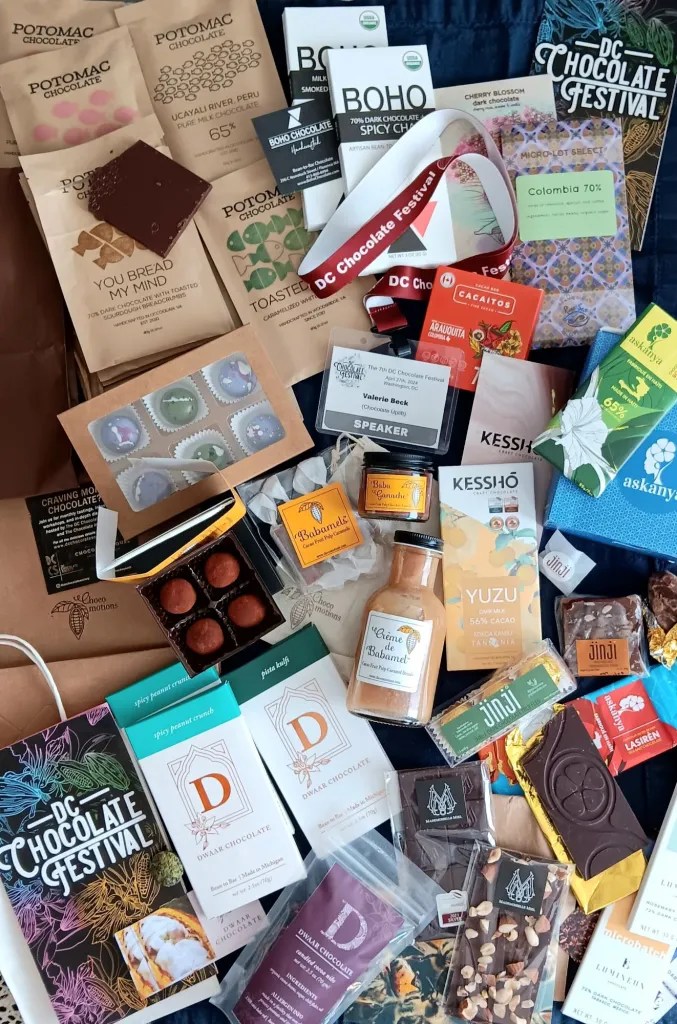
I’m can hardly wait to give a talk and tasting at the DC Chocolate Festival again this year; look what came back with me from last year’s Festival!
Hi there!
I am honored and excited to give a chocolate talk and tasting Friday, April 25, 2025, at 2:30pm, at the DC Chocolate Festival!
I’ve titled my talk “Artisanal or Industrial, Food or Fake? Making Conscious Chocolate Choices,” and if you are in DC, I hope you will join me in person for a fun, fascinating, and delicious time! In any case, I’ll post my slides here soon, and will post photos after the event.
Event details:
Date: Friday, April 25, 2025
Time: 2:30pm ET for my talk; vendor hall open Friday from 2:00pm – 5:30pm and 6:00 – 9:00pm, and Saturday from 10:30am – 2:00pm and 2:00pm – 5:00pm
Location: La Maison Française, Embassy of France in the U.S., Washington, DC, 4101 Reservoir Rd NW 20007
Hosted by: The Chocolate House DC — @dcchocolatefestival
2:30 pm – 3:15 pm Valerie Beck (founder, Chocolate Uplift and Chicago Chocolate Tours) Title: Artisanal or Industrial, Food or Fake? Making Conscious Chocolate Choices Chocolate can be a standardized bulk ingredient in an industrial product with a tainted supply chain, or an exquisite and ethically created specialty that delivers complexity, flavor, and health, while uplifting people and planet. How to tell the difference? We’ll look at how cacao is harvested, fermented, dried, roasted, ground, and developed into finished chocolate, and at how to choose chocolate consciously by deciphering labels, as we enjoy a tasting trip from cocoa bean to chocolate bar. We’ll focus on the rise of “craft” or “bean-to-bar” chocolate, and sample the work of small-batch chocolate makers, as we peer back into the history and ahead to the future of one of the most beloved foods in the world.
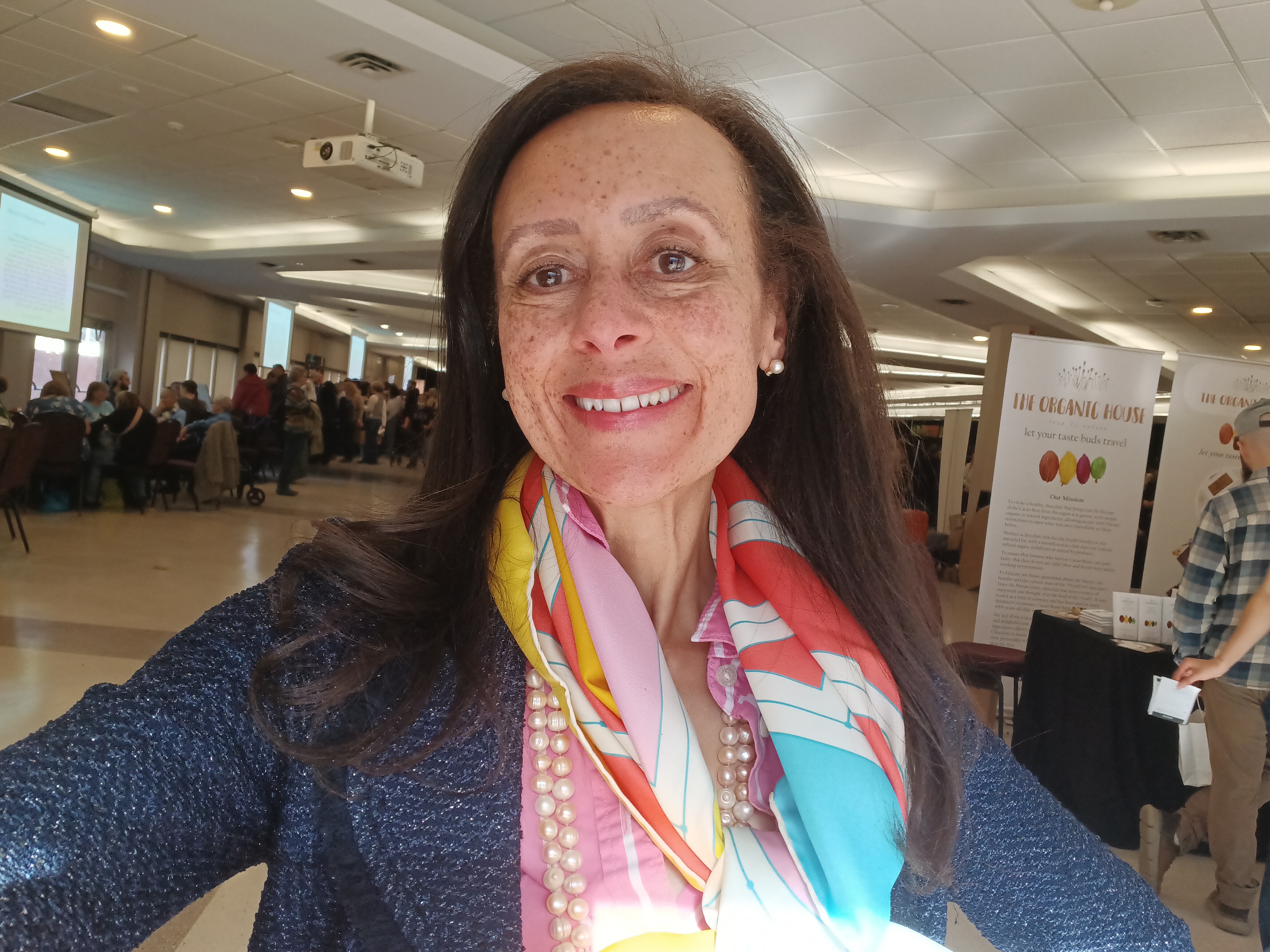
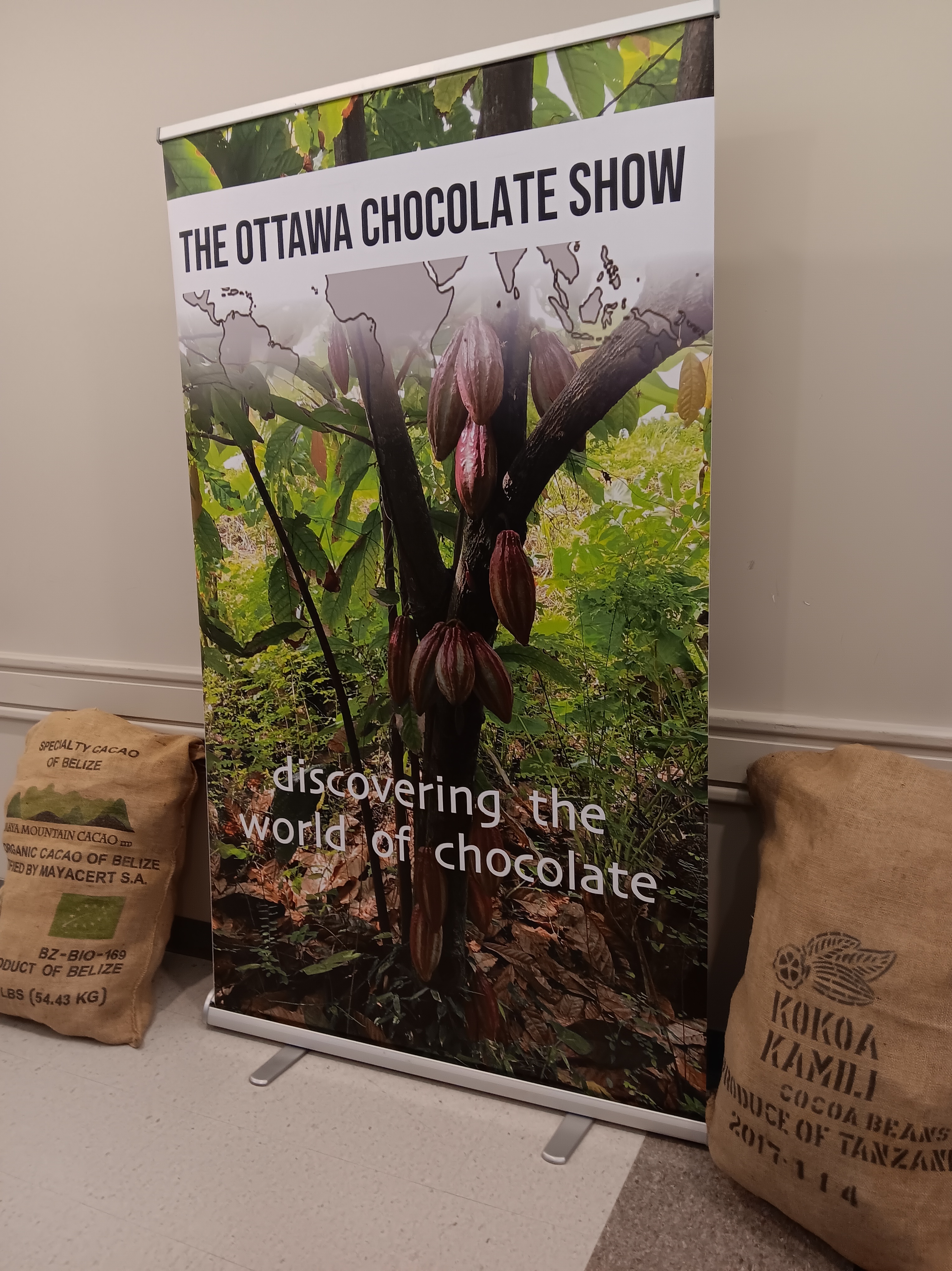
Before speaking at the Ottawa Chocolate Show, October 2024
Hello, bonjour!
That is, “hi” Ottawa style, as friendly greetings in Canada’s capital city tend to encompass the English-speaking and Francophone approaches.
I have visited the beautiful country of Canada approximately a dozen times. At least four visits were during family vacations from Chicago when I was a child; the drive from Chicago to the Canadian border at Sault Ste Marie, Michigan, takes around seven and a half hours. My mother told me today, when I asked for her recollections, that for my first visit, before I was one year old, she bought me a fluffy pink snowsuit to wear. She added that later, I waded in Lakes Ontario, Huron, and Superior from the Canadian sides, just as at home I splashed in Lake Michigan. My love of the immense saltless seas that are the glorious Great Lakes began early and expanded, just like my love of Nature’s perfect food: chocolate!
I visited Canada most recently to speak at the Ottawa Chocolate Show in October 2024, and to rent a lake house in the woods of the Laurentian Mountains north of Montreal for six weeks after that! (Two summers ago, I visited Canada accidentally for fifteen minutes during a harmless mishap at the Minnesota border; a story for another day! : )
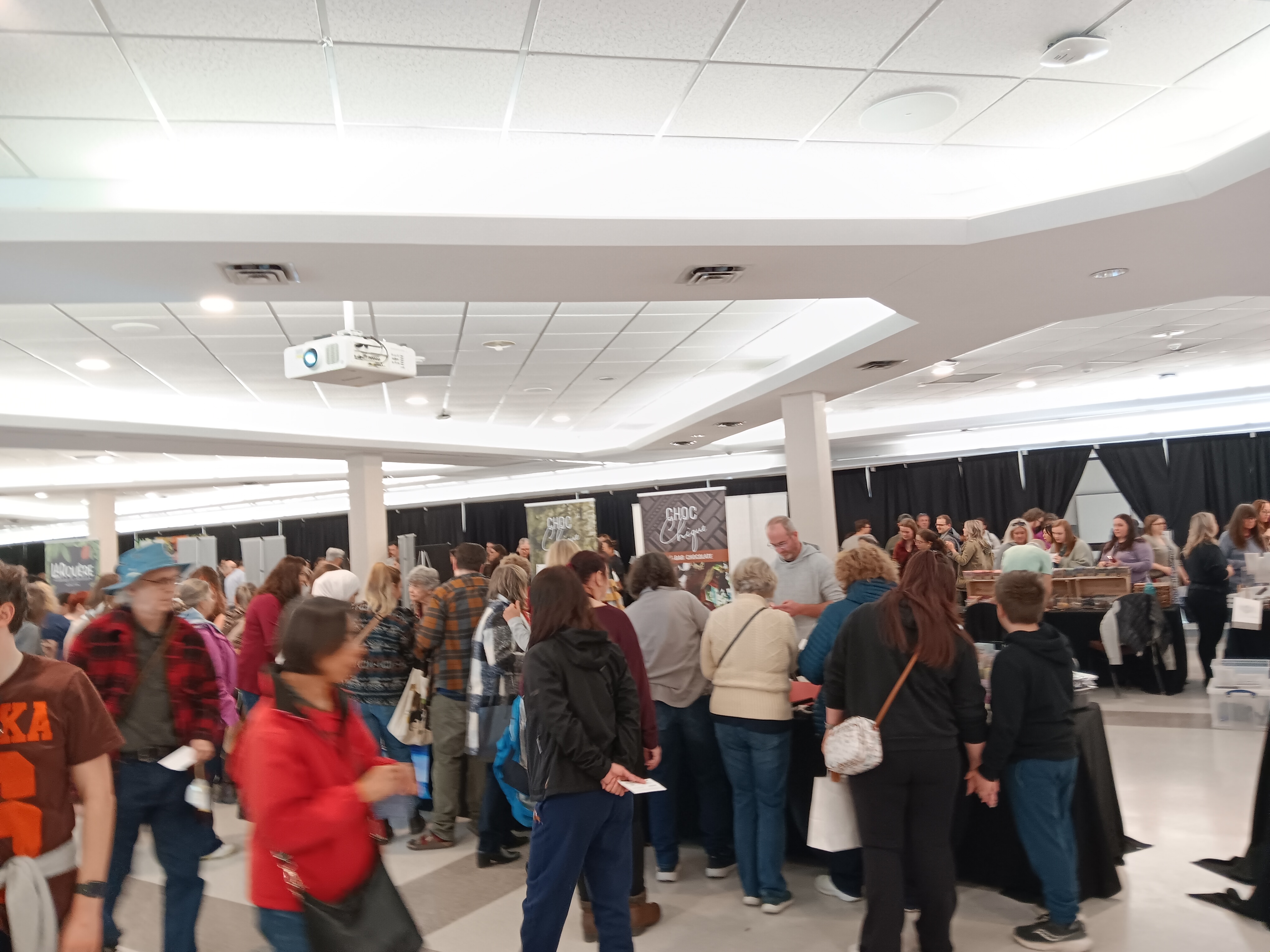
The Ottawa Chocolate Show consisted of an impressive array of Canadian craft chocolate makers, confectioners, and chocolate enthusiasts. I felt honored and grateful to be part of the event and the excitement by speaking on how to make ethically conscious chocolate choices, and sharing delicious chocolate from both sides of the border! Here are the slides from my talk, as I promised my fantastic audience members.
I hope you will enjoy scrolling below for text and photos describing and depicting moments from awesome Ottawa and captivating Canada.
Thank you!
Valerie (Valérie en français)
Part I. At the Ottawa Chocolate Show with Canada Friends / Chocolate Wizards
What did I find at the Ottawa Chocolate Show? An almost incredibly large abundance of top-notch craft chocolate made in Canada, and a heart-warming plentitude of top-notch Canadian and other friends old and new!
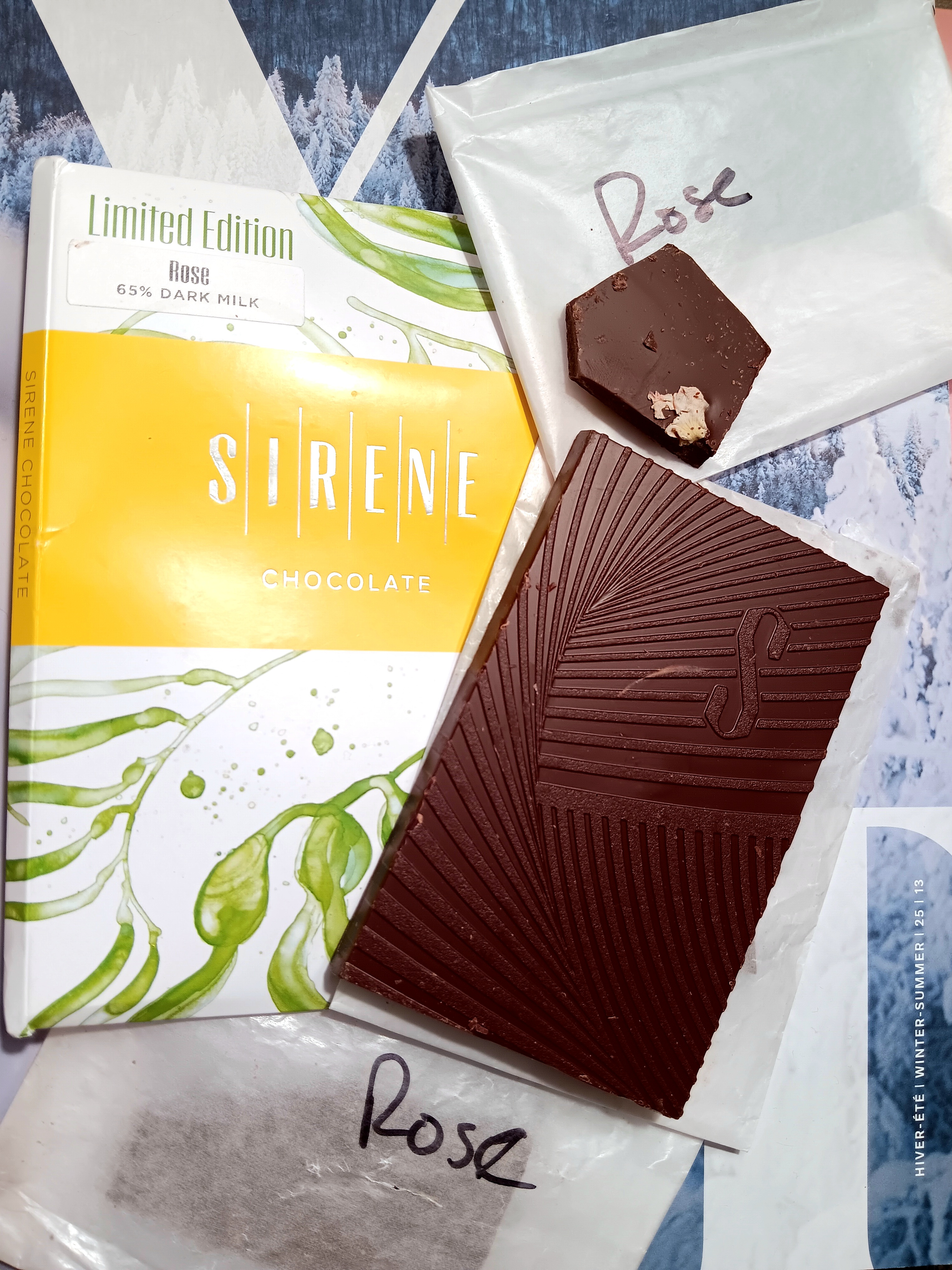
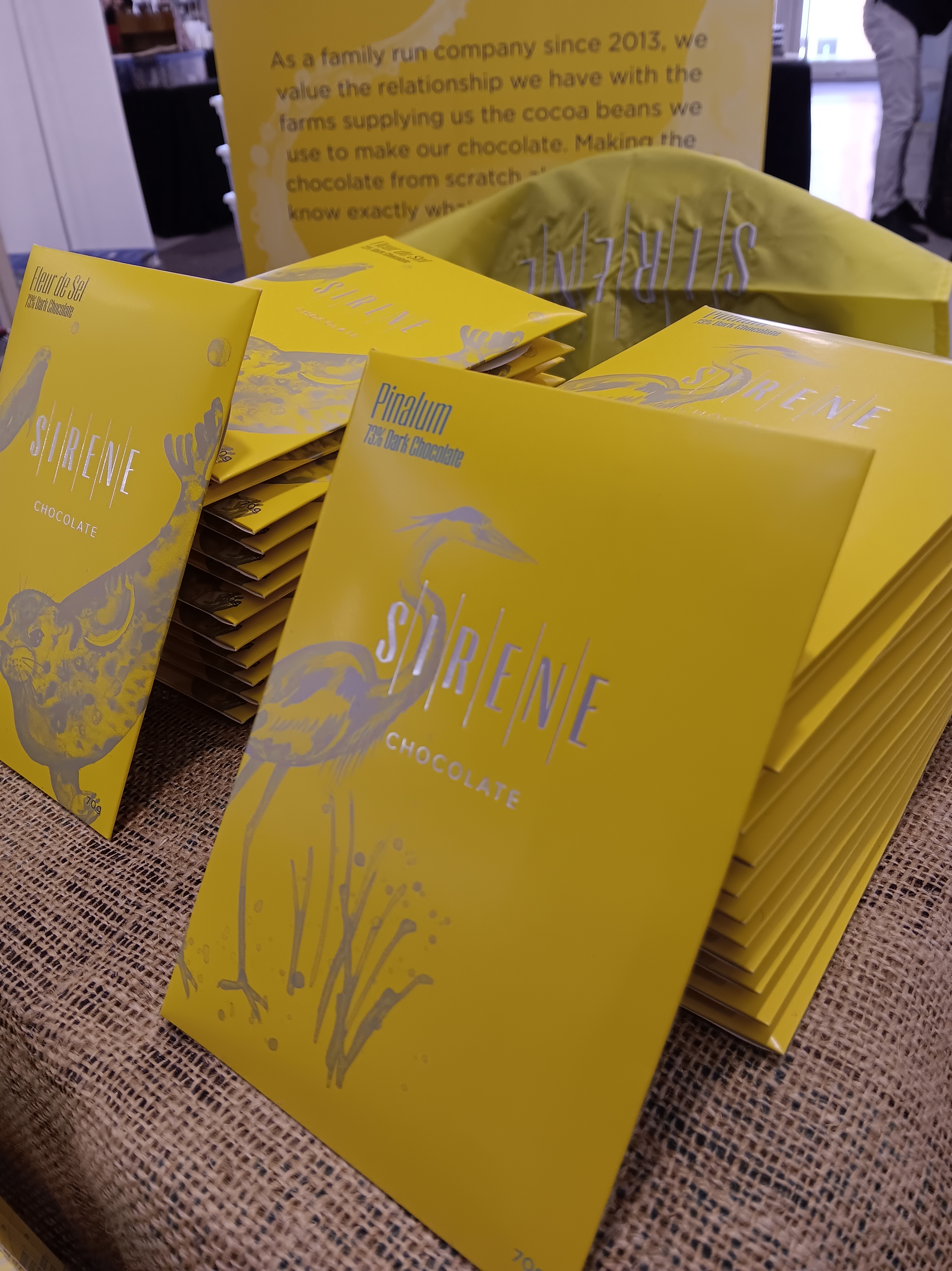
It was a delight to see my dear friend and first-class bean-to-bar chocolate maker Taylor Kennedy of sensational Sirene Chocolate at the Ottawa Chocolate Show, where he shared his exquisite new Nootka Rose dark milk chocolate bar. Yes: edible flowers are involved! Taylor crafts the chocolate from Semuliki Forest Uganda cacao, and adds flavor and petals from wild roses native to Vancouver Island. The chocolate has a pleasing complexity and is easy to eat; here come some of my signature non-flavor-related tasting notes:
The Sirene Nootka Rose bar tastes like a Golden Age pink-tinged afternoon dream in the dynamic yet comforting verdant heart of Nature.
The aroma brings out pink geraniums and roses on a sun-splashed windowsill.
A bar to love!
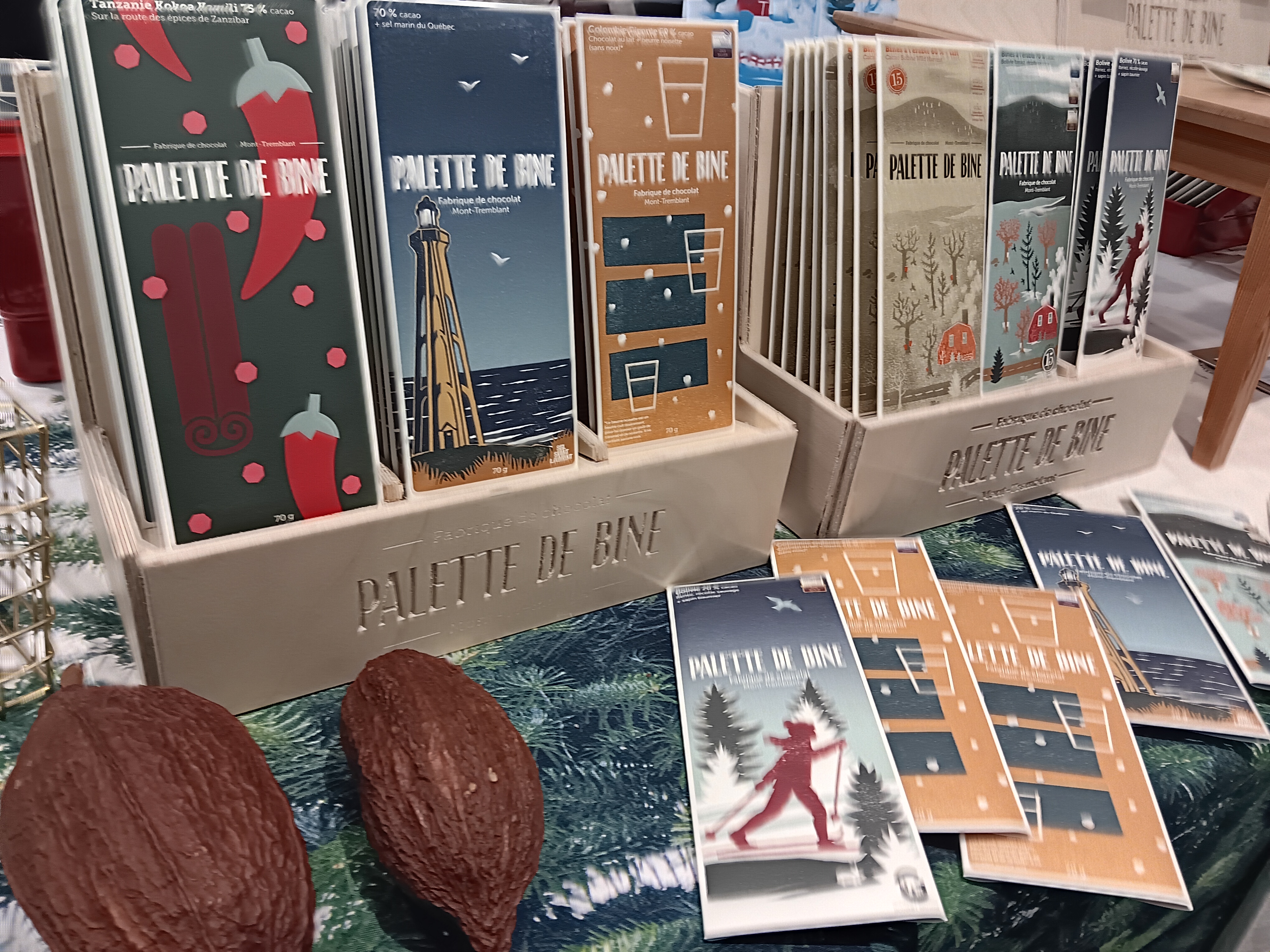
I was also thrilled to catch up with dear Christine Blais of refined yet down-to-earth Palette de Bine (who generously allowed me to present the world premiere of her deeply rich new Hawaii chocolate to my Ottawa audience; perhaps I will write a separate post about my visits to her bean-to-bar chocolate production space and shop).
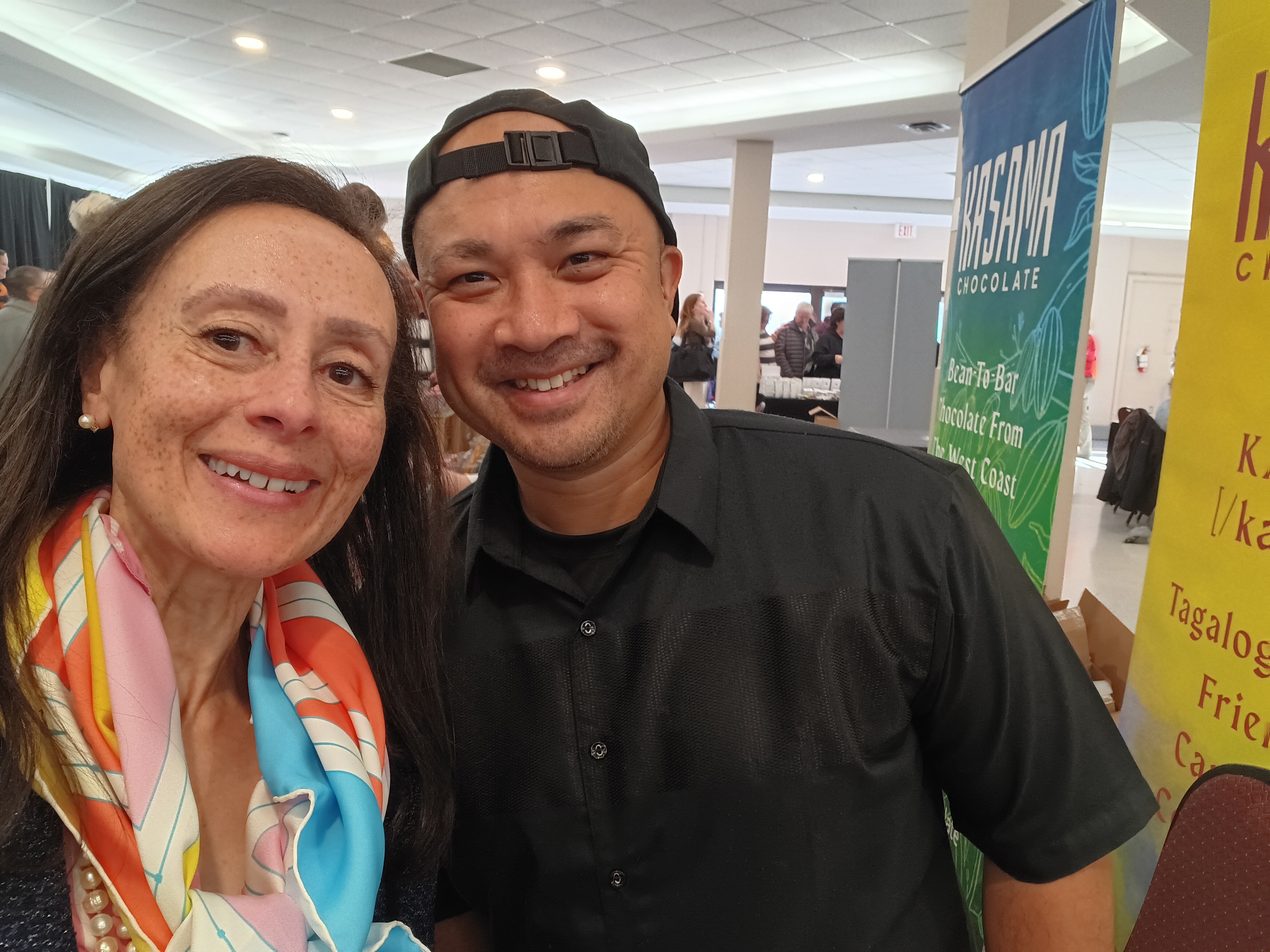
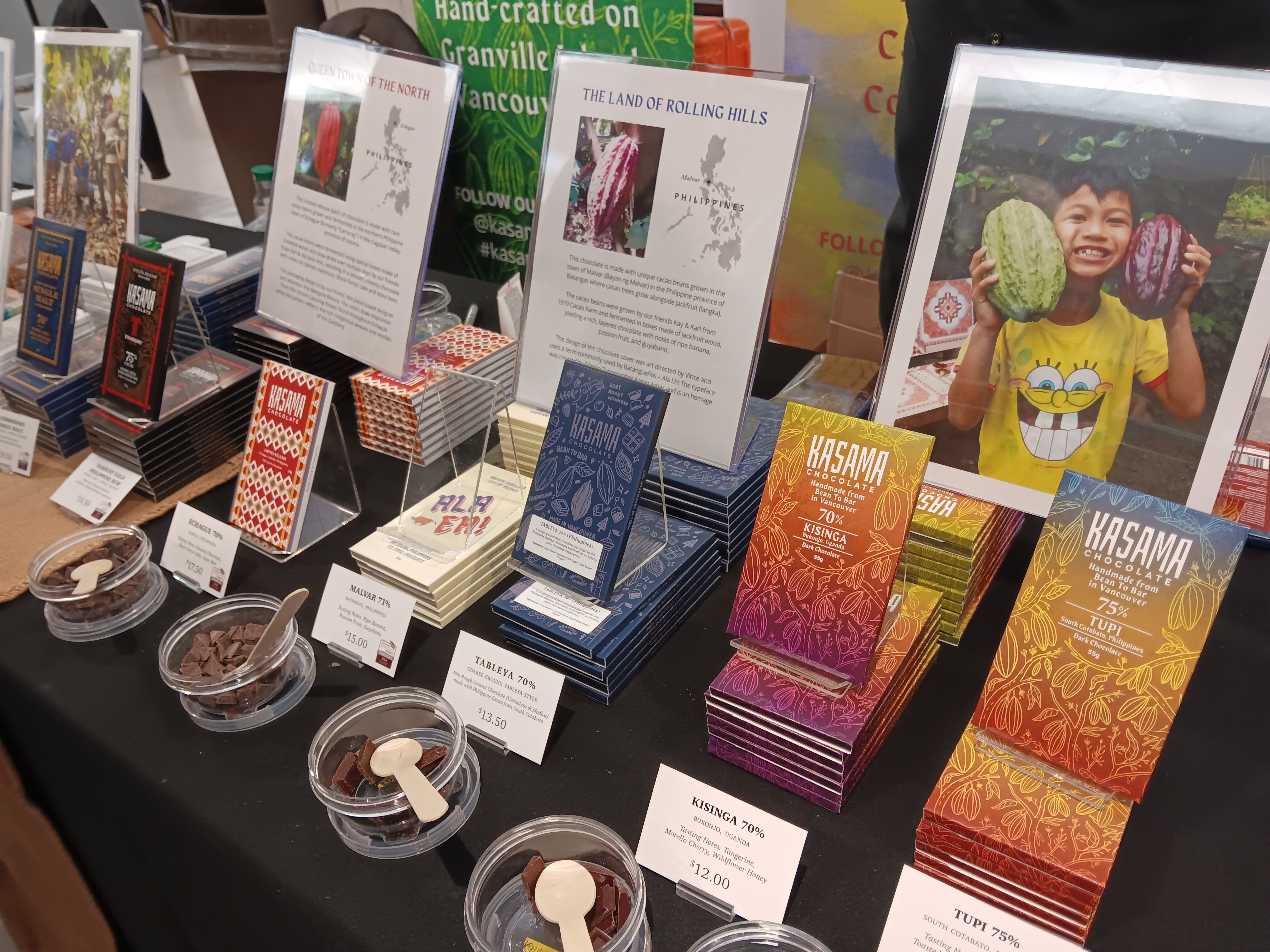
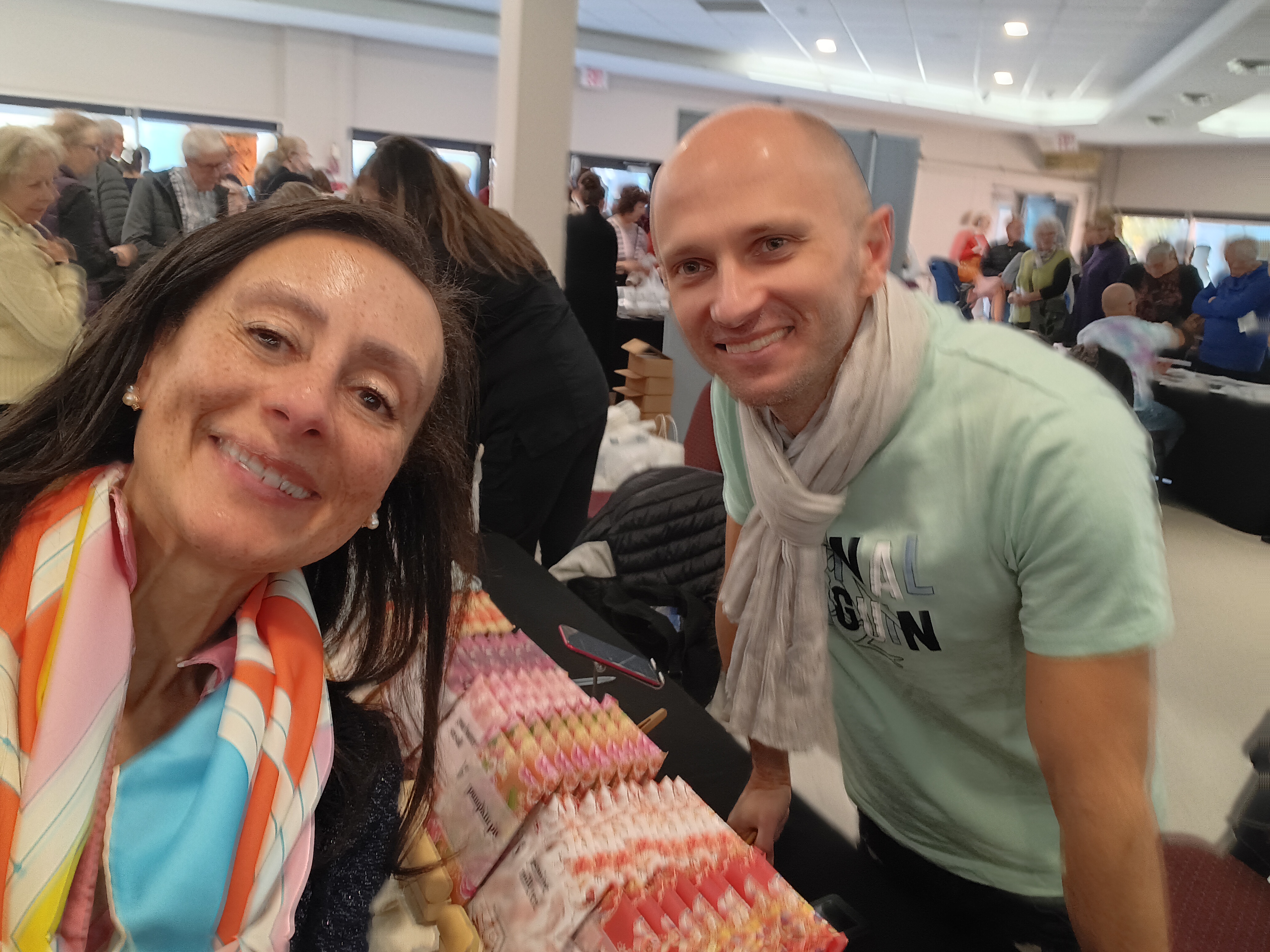
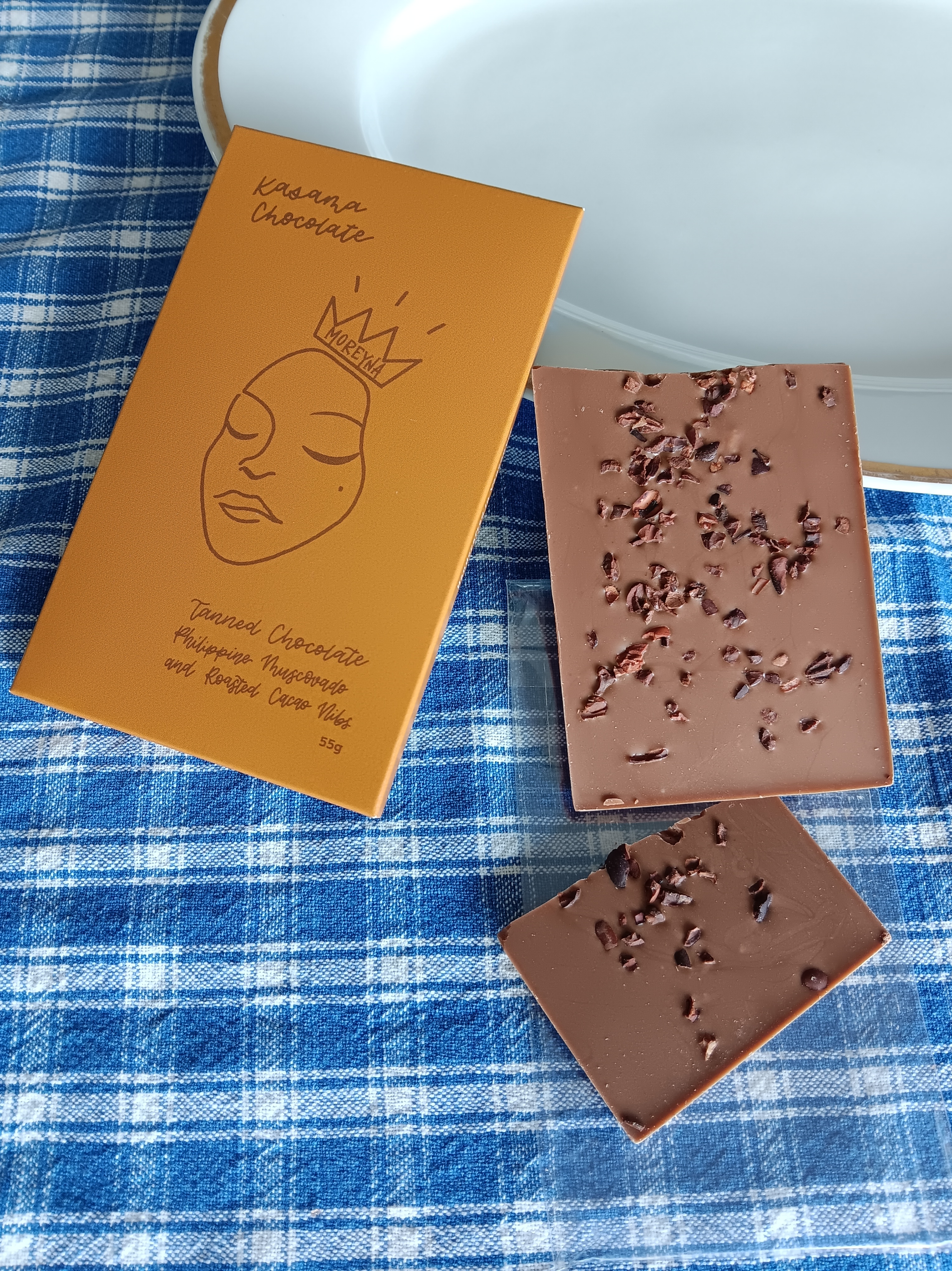
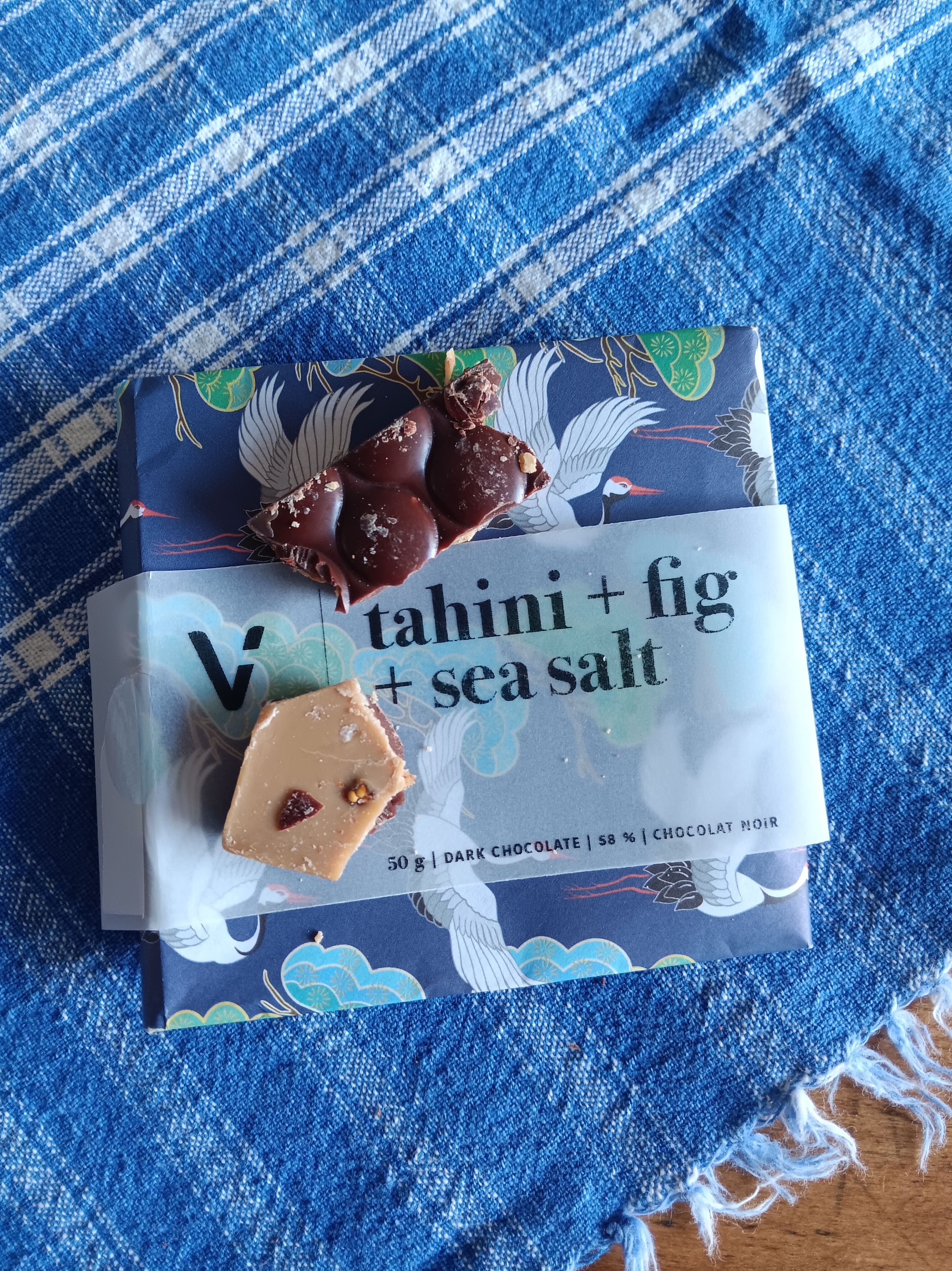
And I loved chatting with second-meeting-friend Vince of sophisticated yet fun Kasama Chocolate (could I stop eating Kasama’s unique Moreyna Muscovado “Tanned” White Chocolate with Roasted Cacao Nibs? I could not); and with online-turned-in-person-friend Serge of ultra-creative Vaka Chocolate (could I stop eating the tahini+ fig + sea salt dark/white chocolate bar? I could not)!
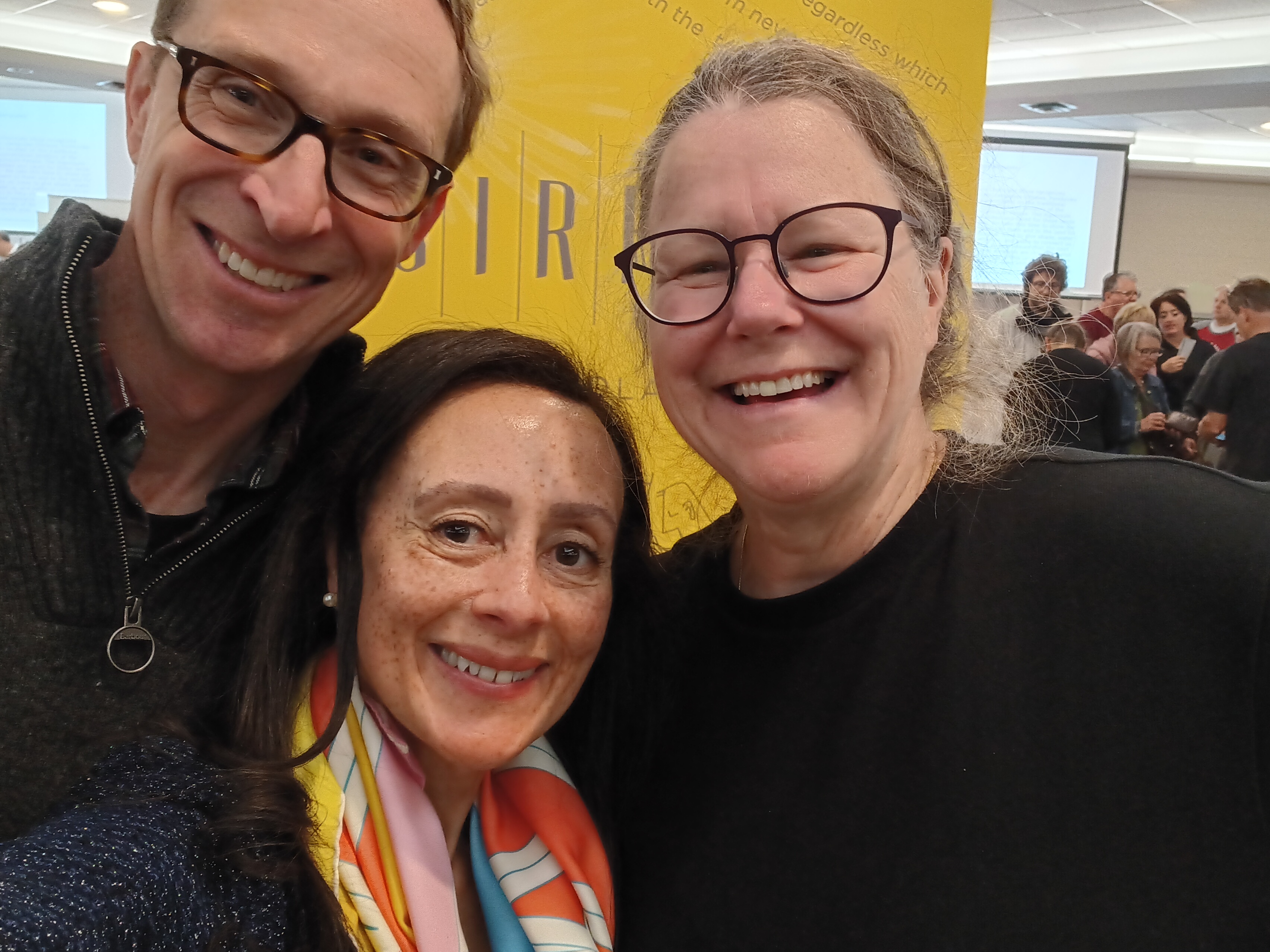
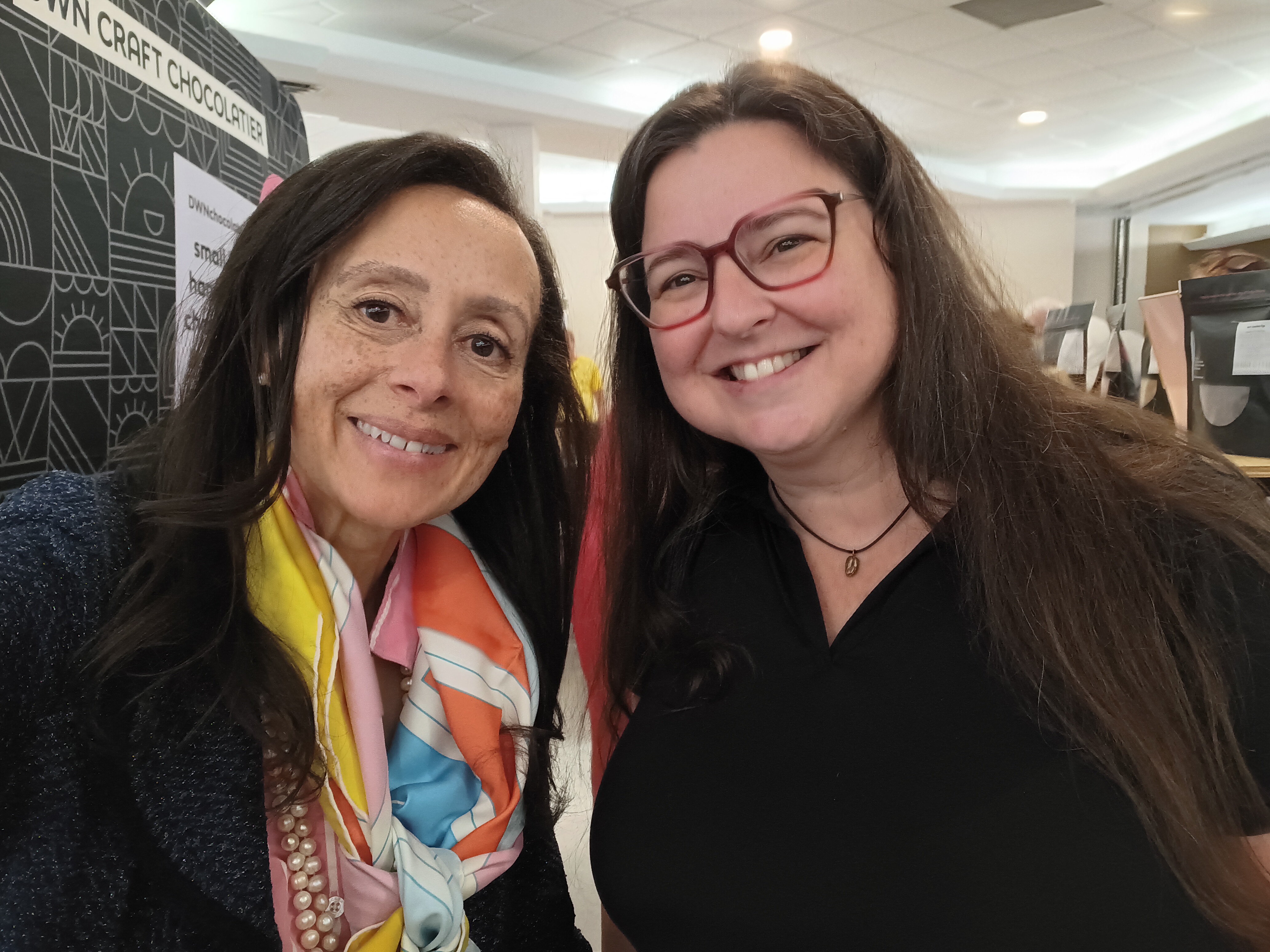
At the Ottawa Chocolate Show with Taylor Kennedy of Sirene Chocolate of Victoria, British Columbia, Canada, and Christine Blais of Palette de Bine of Mt. Tremblant, Quebec, Canada; thank you to both for allowing me to share your scrumptious chocolate with audience members at the talk I gave at the Show!With Vince Garcia of Kasama Chocolate of Vancouver, Canada, at the Ottawa Chocolate ShowWith Serge Savchuk of Vaka Chocolate of Ontario, Canada, at the Ottawa Chocolate ShowCCC on my tote bag = Cacao, Chocolate, and Community, or Curiosity, Character, and Contribution — the 3Cs either way!
It was also wonderful to meet Instagram friend and artist Cyndi Clement of @canadianchocoholic, and to catch up with legendary cacao importer Juan Gonzalez of The Mexican Arabica Bean Co., both based in Canada!
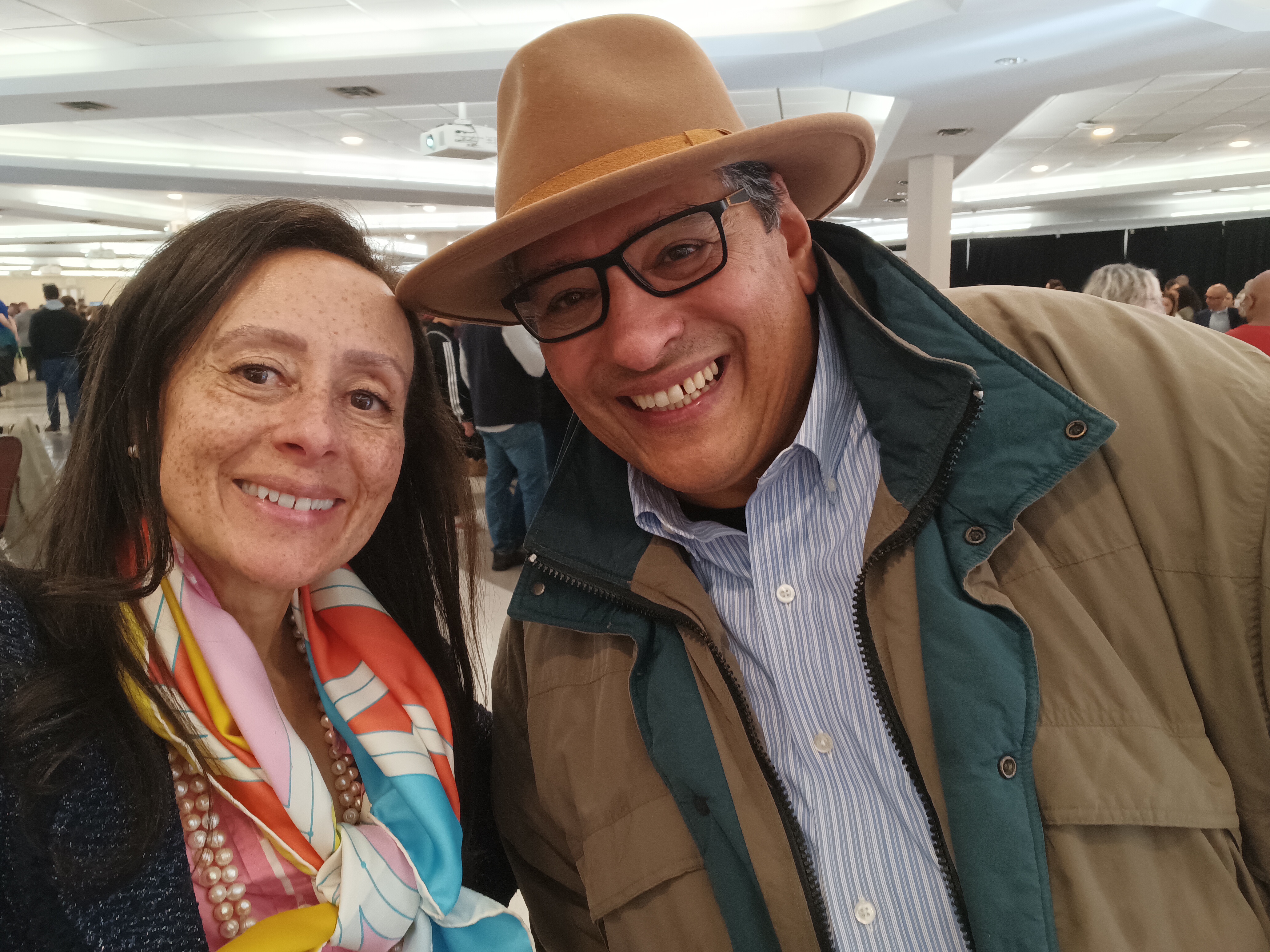
With cacao-inspired artist CyndiClementWith Juan Gonzalez of MABCO – the Mexican Arabica Bean Company
Part II. Sweet Speaker: My Talk at the Ottawa Chocolate Show, and a Few More Thank-Yous, Plus More Chocolate
I felt fortunate to speak to amazing chocolate lovers and hold a presentation on “Exploring Chocolate from Bean to Bar: Making Conscious Chocolate Choices.” We discussed how to identify ethical chocolate by looking for the cacao country of origin and a clean ingredients list on the bar, and by considering my 5 Ss of first-class chocolate:
slavery free,
soy- and synthetic-free,
sustainable and soil regenerative,
small-batch,
scrumptious!
We tasted some amazing chocolate as I shared chocolate history, health benefits, and hopes, and as we had a fun, fascinating, and delicious time during an upbeat almost-hour!
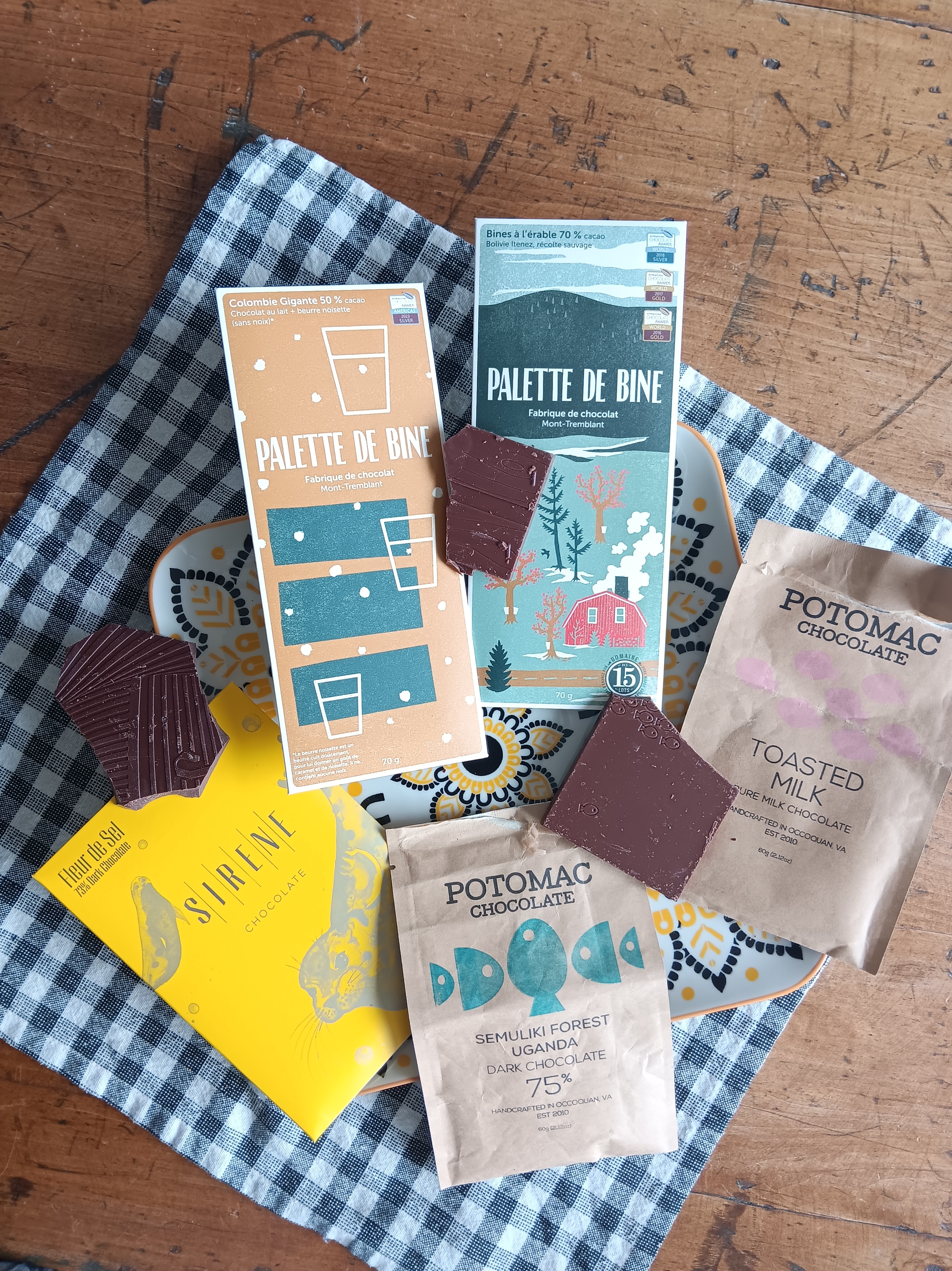
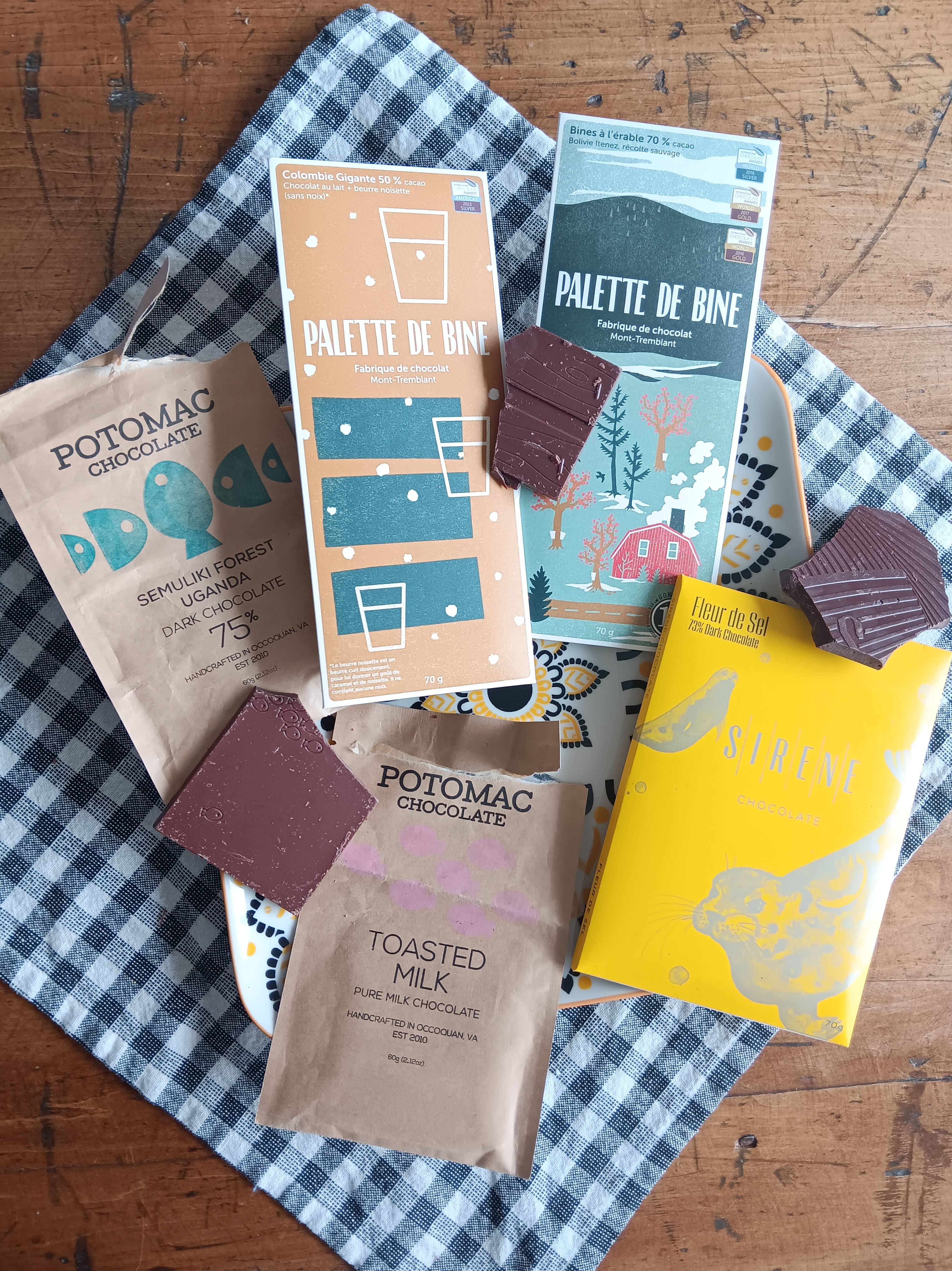
Staged after the show; some of what I shared at my talk during the show: Sirene Chocolate of Canada, Palette de Bine of Canada, Potomac Chocolate of the US (which is made by dear Ben Rasmussen near the US capital of Washington DC, and which I brought to Canada’s capital city of Ottawa to represent cross-continental friendship. : ) Not shown: the Golden Age cookies I baked for the audience (though photos of some Golden Age cookies I baked later in Quebec are below), plus cacao from Zorzal of the Dominican Republic by way of Crow & Moss Chocolate of the US.
Thank you to Erik Hansen of (exquisitely precise and delicious) DesBarres Chocolate and Joanne Mutter of (gorgeous chocolate shop) JoJo Coco for co-founding and organizing such a marvelous show, and for kindly including me — a Chicagoan in Canada! Thank you too to the volunteers who kept the Show running and the samples at my presentation organized and circulating, and to the fantastic Canadian craft chocolate makers and chocolate lovers!
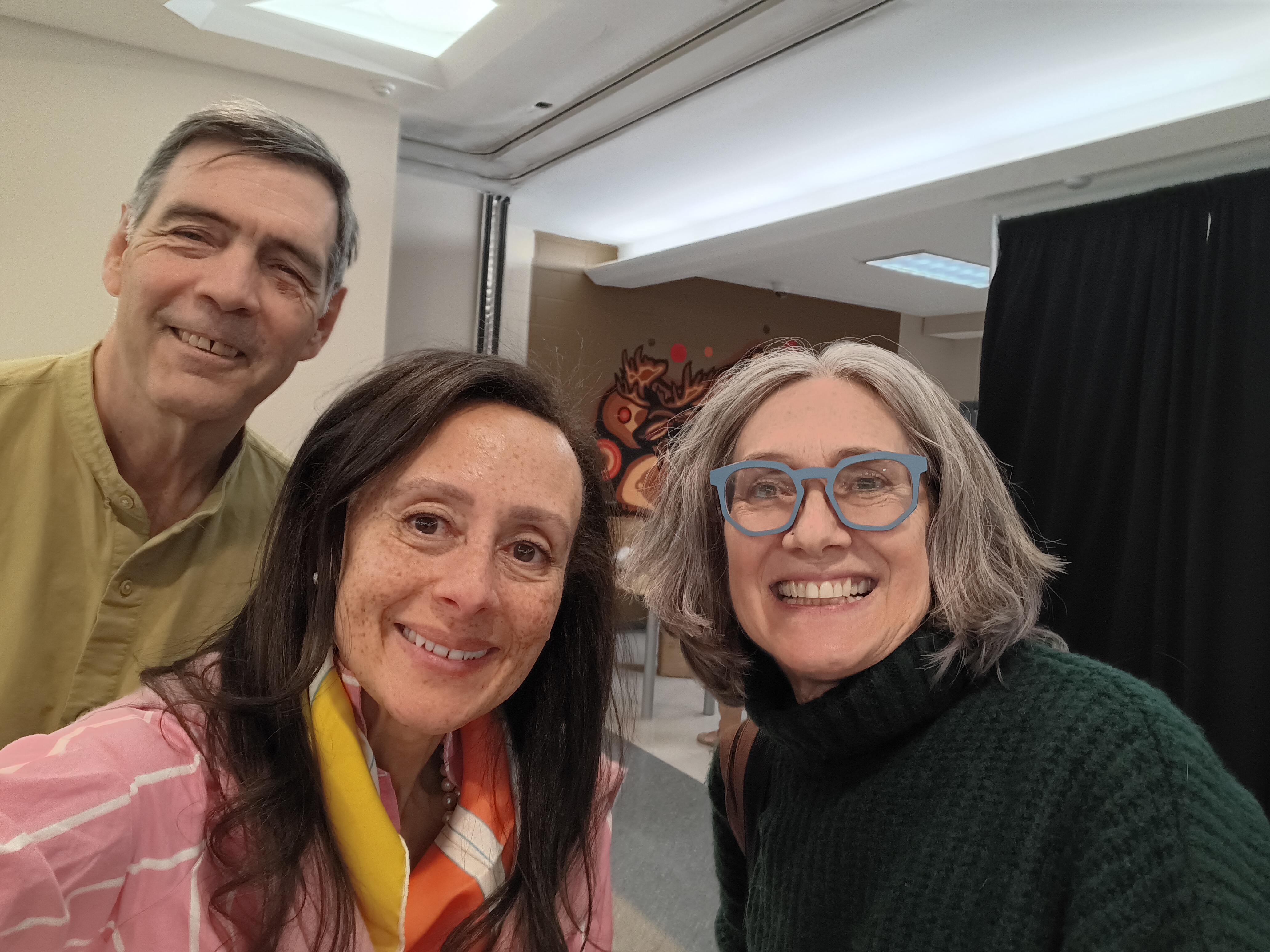
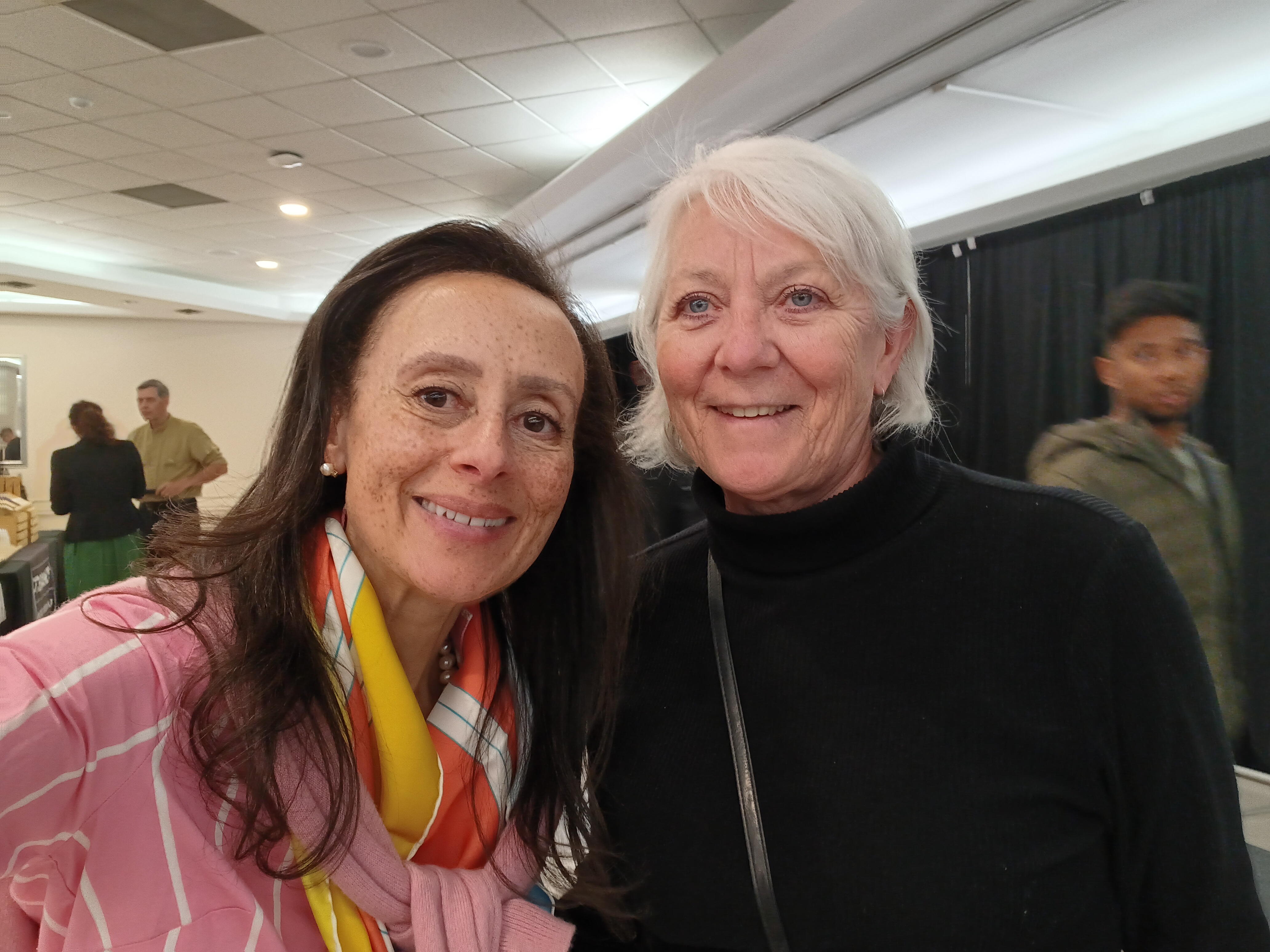
With Erik Hansen of DesBarres Chocolate and the Ottawa Chocolate Show, and (my fellow American) Barb Genuario of DC Chocolate Society. Barb and I didn’t get the chance to chat at the Show, and I still need to ask her what she was doing there : ) With Joanne Mutter of JoJo Cocoa and the Ottawa Chocolate Show
Keep scrolling down for:
the links and slides from my talk, as incorporated into an email with Erik,
followed by more photos from the show,
photos of Ottawa, and
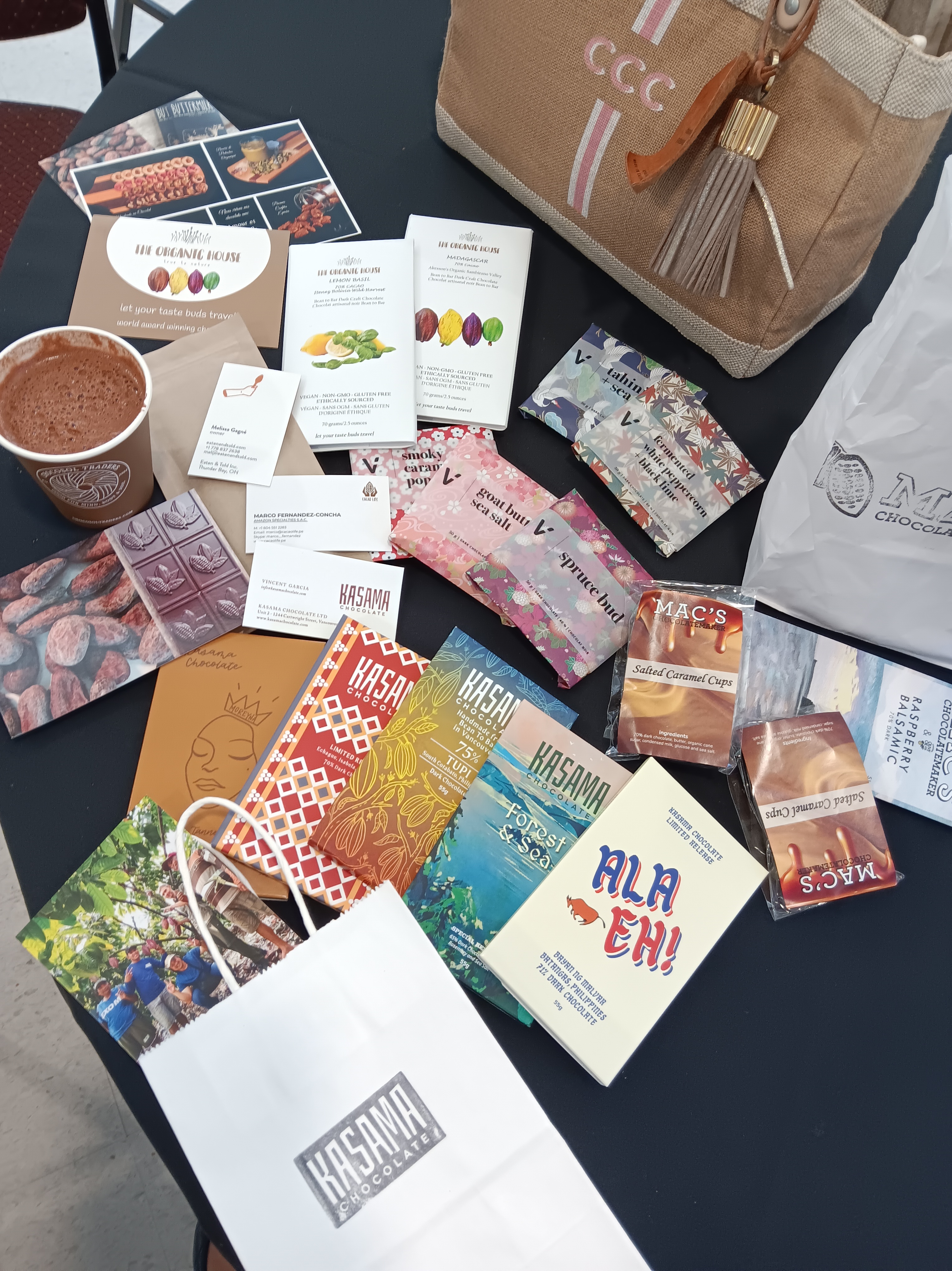
photos I staged of chocolate from the show after the show —
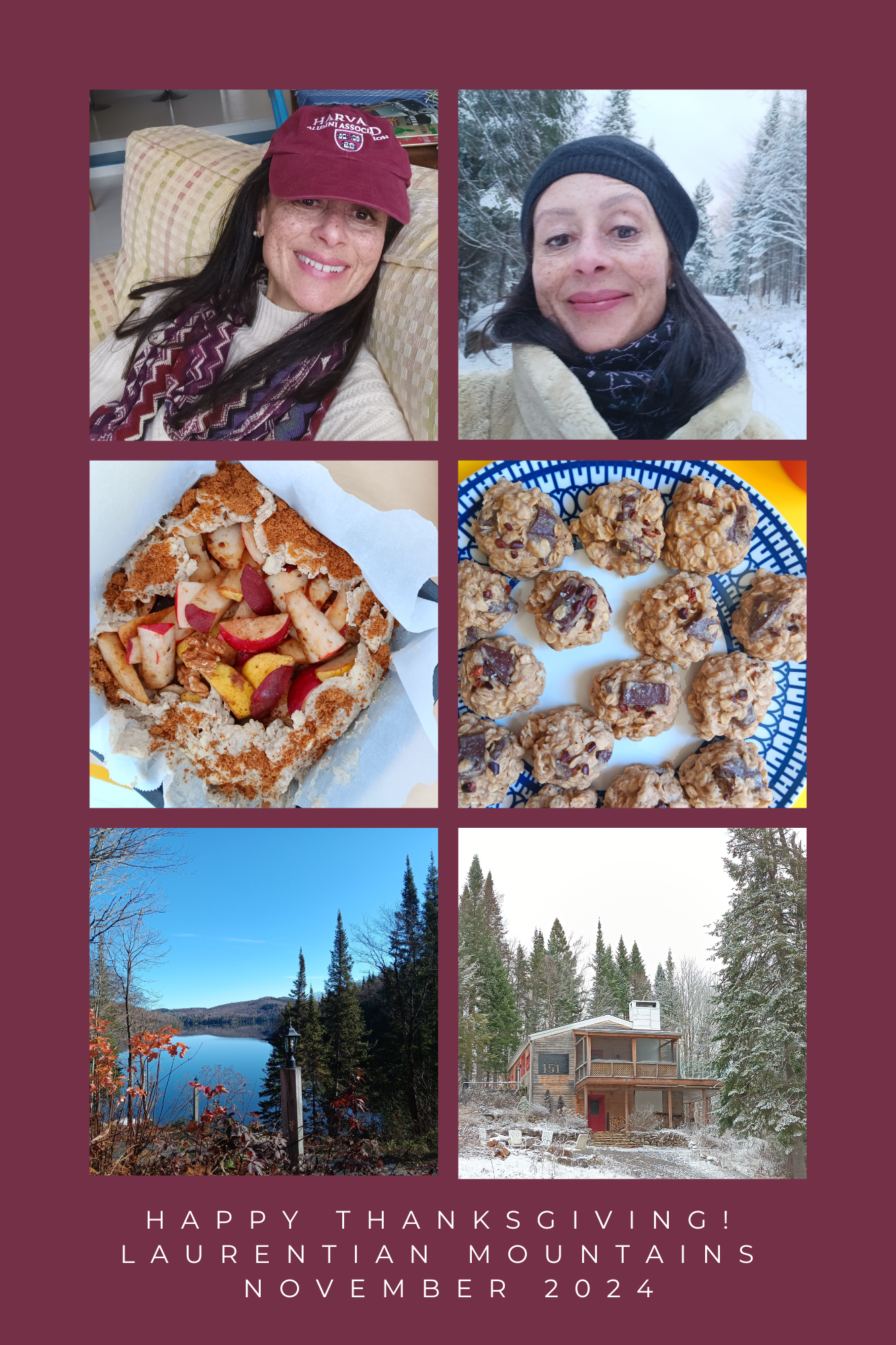
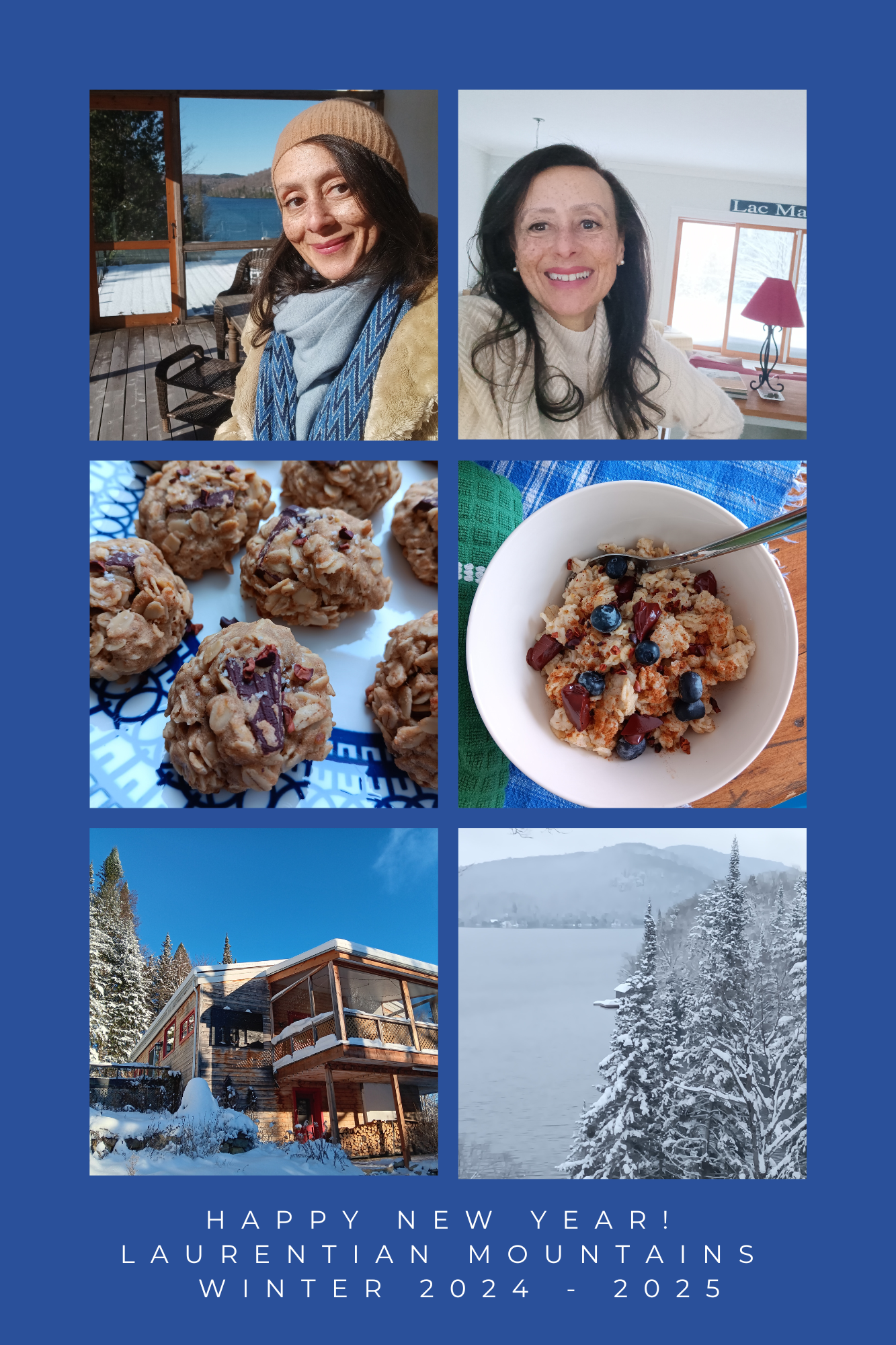
plus photo montages of Thanksgiving and Holiday 2024 at the lake house I rented in the Laurentian Mountains 1 hour and 40 minutes north of Montreal!
(and a funny customs / border crossing moment at the end, before a few more photos, that is : )
*****
Part III. Pre-Show Email, with Links to Videos and Slides
Hi Erik,
Thanks for the helpful information! I’m excited for the show.
Valerie Beck is a graduate of Harvard Law School and Harvard College; a chocolate services entrepreneur who founded Chicago Chocolate Tours and grew the business to 5 cities with 50 employees; a consultant through Chocolate Uplift to small-batch chocolate makers and growers in ethical cacao supply channels; a mentor of students who seek to follow their own paths; and a believer that we are creating a Golden Age of empathy and equality, courage and common sense, justice and joy, liberty and love.
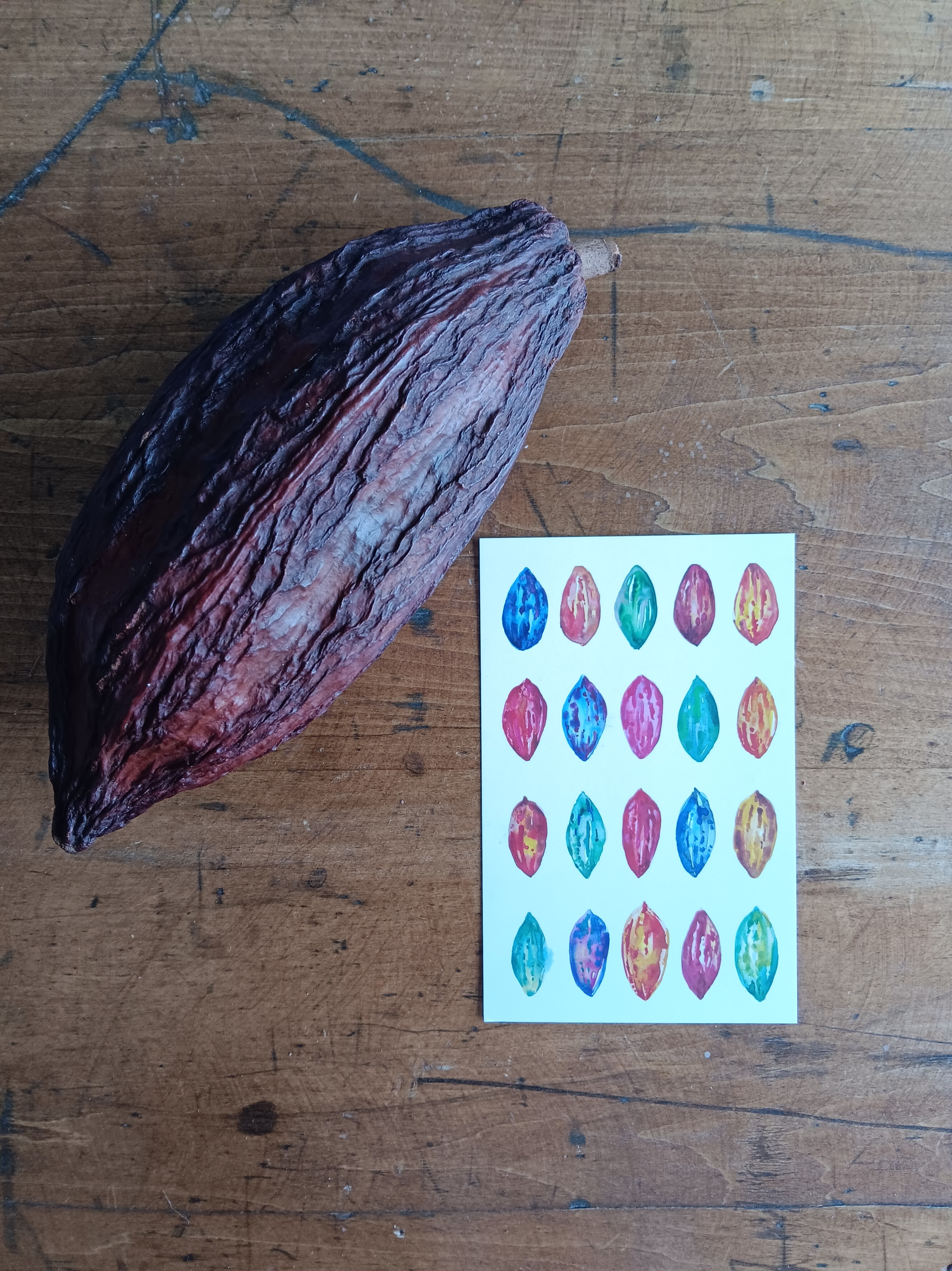
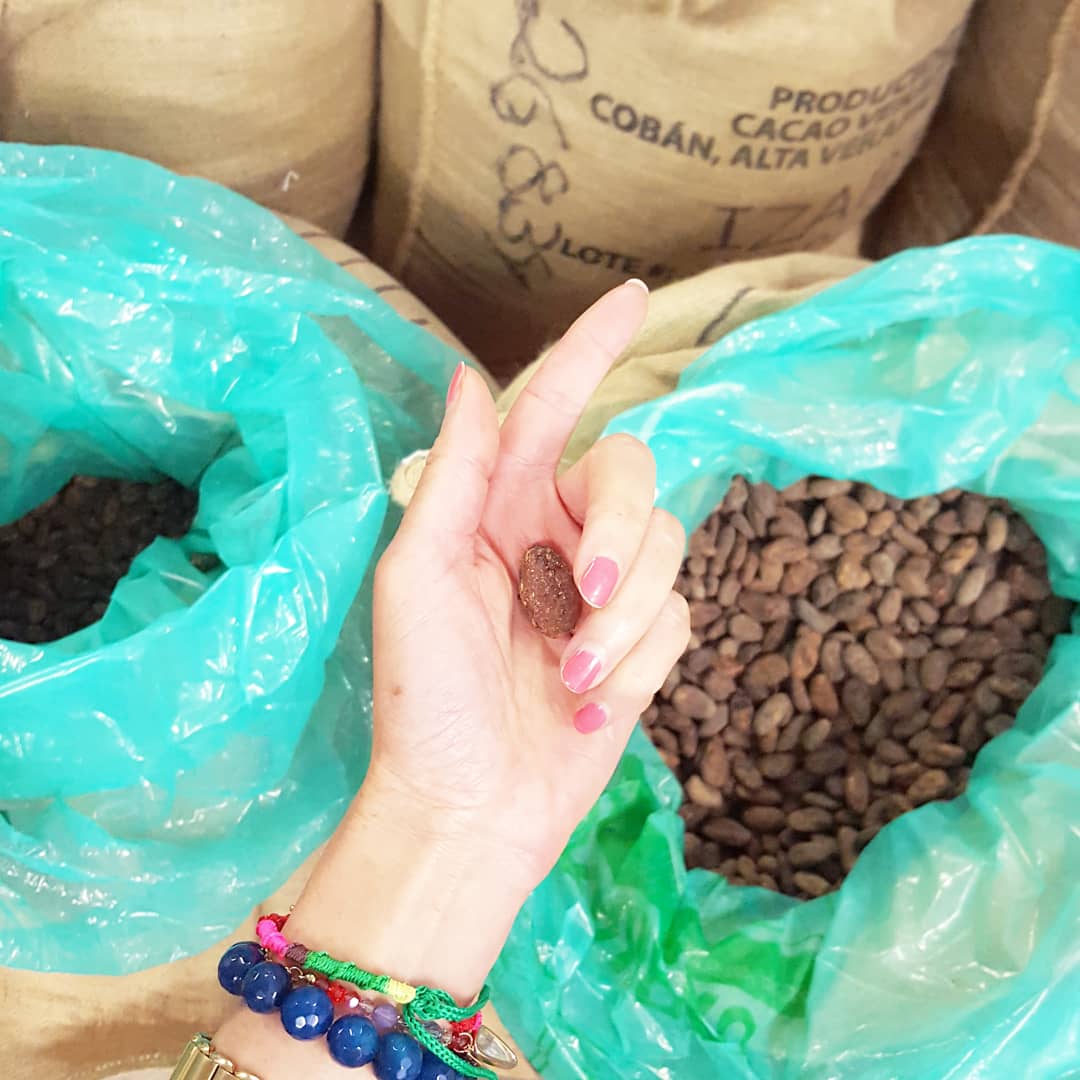
I’m all set with Sirene Chocolate from Taylor and still need to finalize Palette de Bine with Christine, plus I am bringing Potomac Chocolate from the Washington DC area, for a taste of craft chocolate in the Canadian capital from near the US capital, in a show of cross-border chocolate friendship : ) And, I’ll bring some Zorzal beans and some Venezuela or Bolivia nibs (and a dried cacao pod to show). So how about this for a title:
Exploring Chocolate from Bean to Bar: Making Conscious Chocolate Choices
And a blurb if helpful:
*****
Chocolate can be a standardized bulk ingredient in an industrial product with a tainted supply chain, or an exquisite and ethically created specialty that delivers complexity, flavor, and health, while uplifting people and planet. Enjoy a tasting trip from cocoa bean to chocolate bar, focusing on the rise of “craft” or “bean-to-bar” chocolate, and spotlighting Canadian and other chocolate makers. We’ll look at how cacao is harvested, fermented, dried, roasted, ground, and more, and at how to choose chocolate consciously, as we peer back into the history and ahead to the future of one of the most beloved foods in the world.
*****
A question for you: will internet and equipment be available to show a few video clips or slides? I’d love to show bits of a few clips from YouTube for example:
Founder Valerie Beck in the news
The Chocolate War documentary trailer
Ethical cacao farm
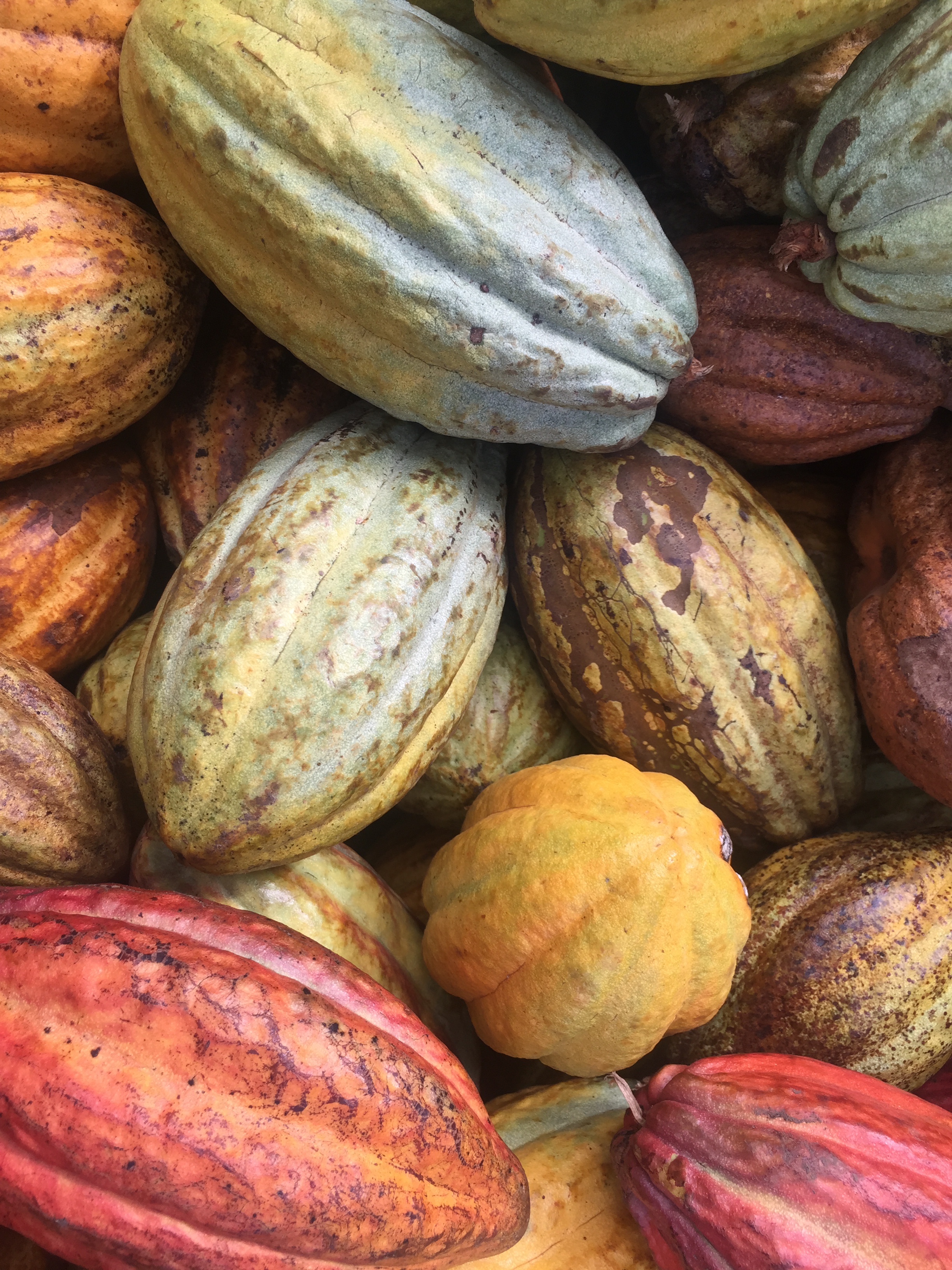
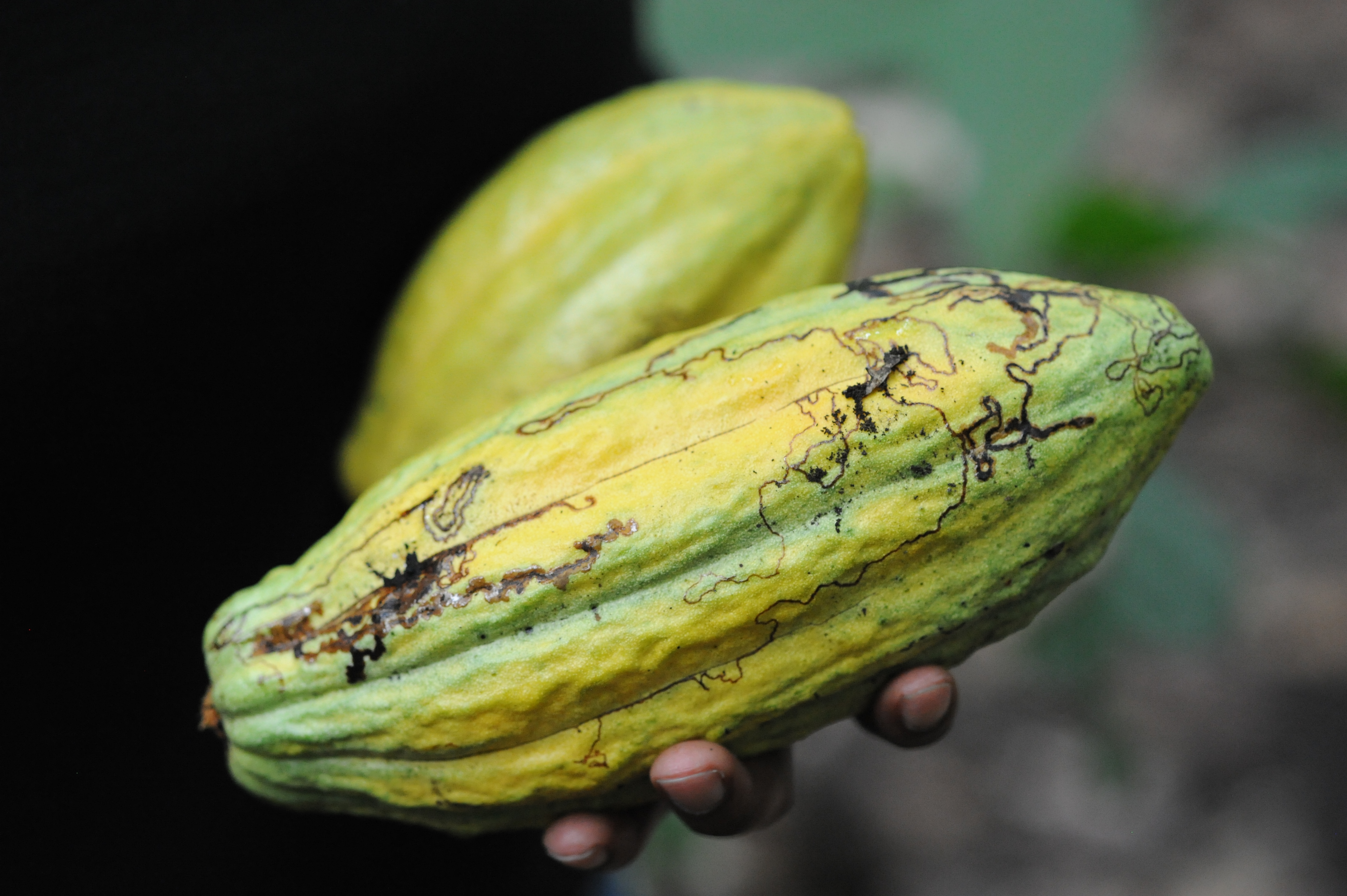
And I often have these slides on hand at talks, not to go through them all but to be able to pull up the appropriate one if someone asks about cadmium or what a ripe cacao pod looks like or if you can bake with craft chocolate; here they are in case handy to have attached to this email:
Part IV. More Photos: More Ottawa Chocolate Show, Capital City Ottawa, Art, Chocolate, More Chocolate
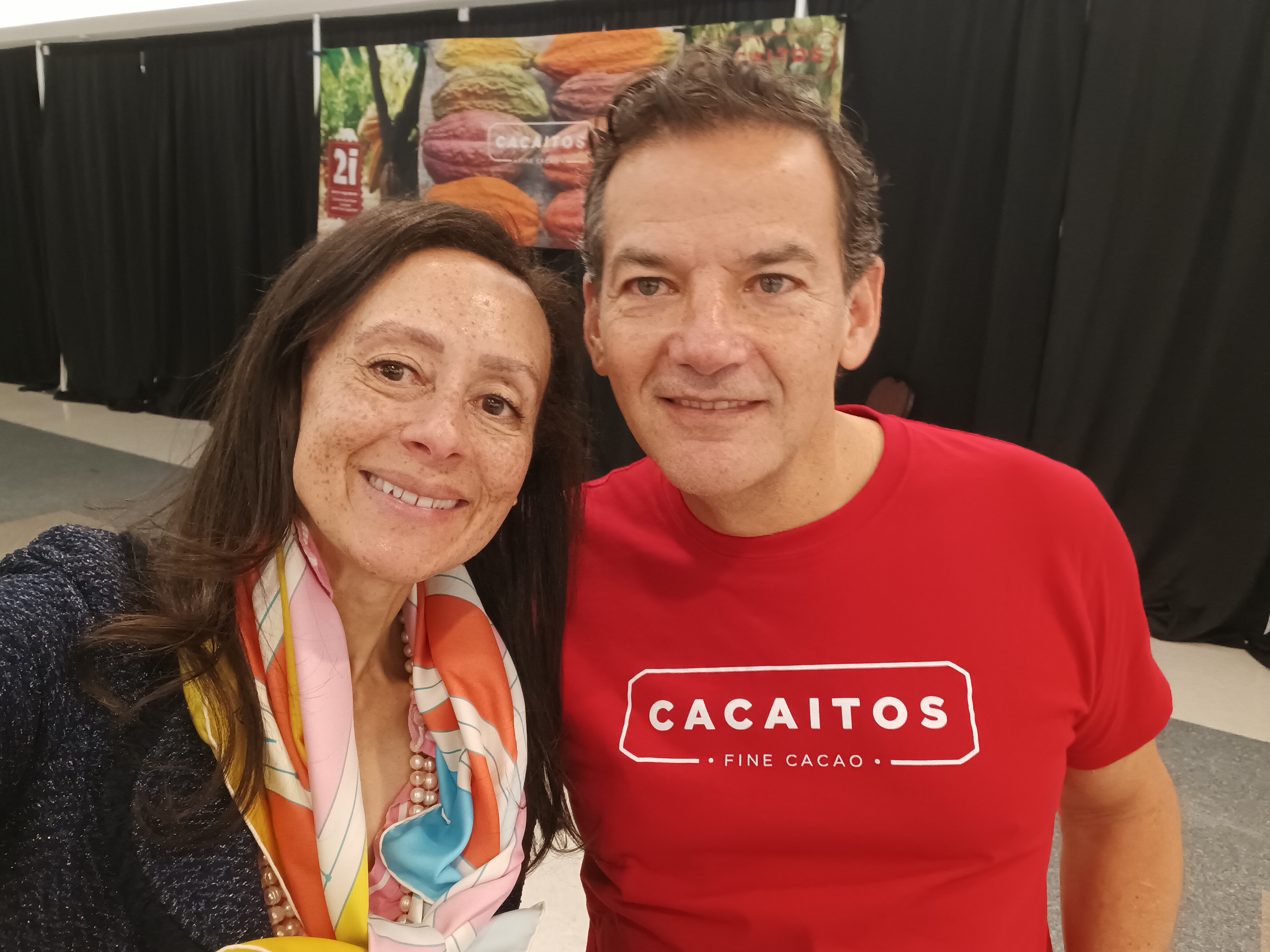
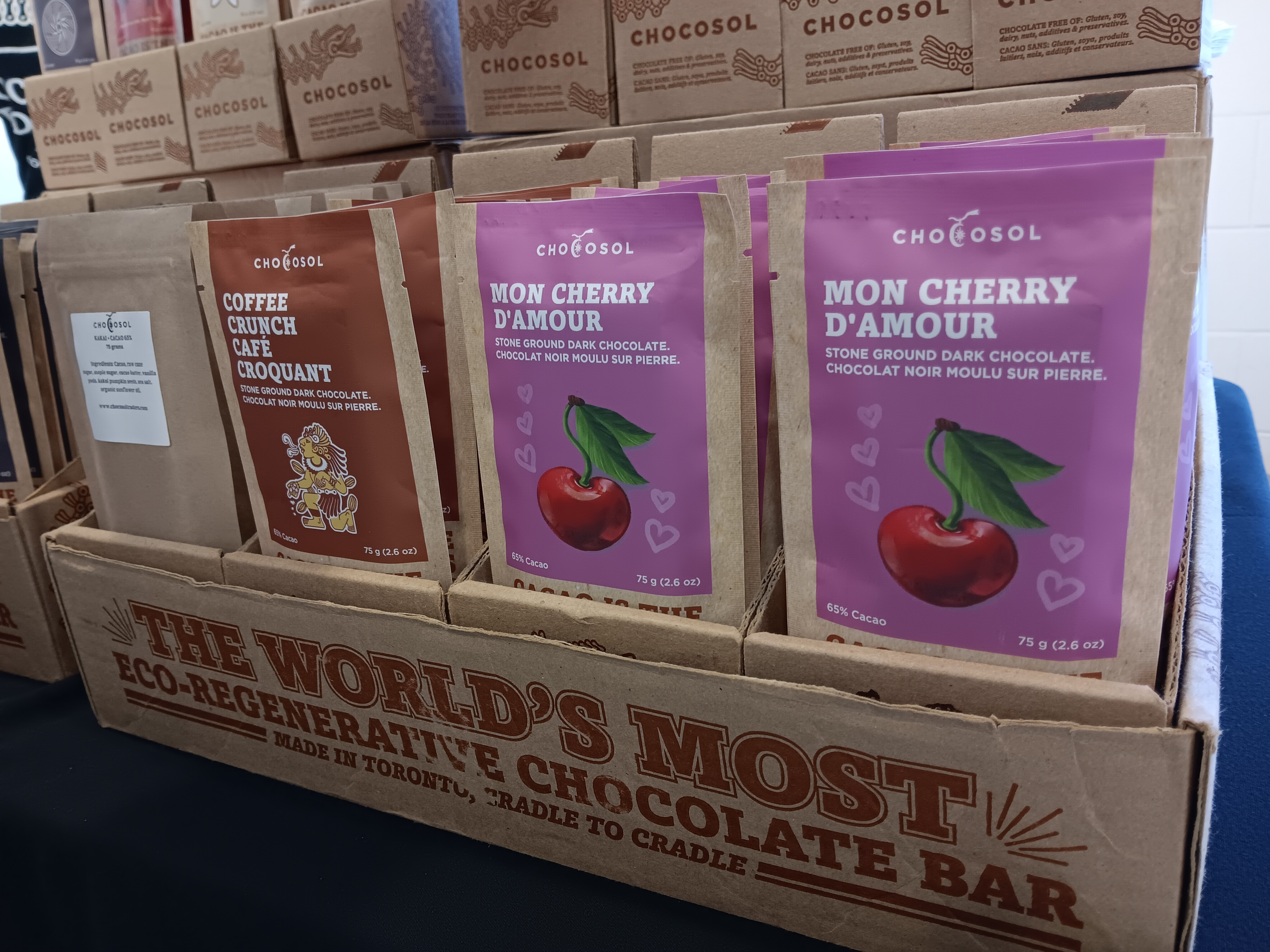
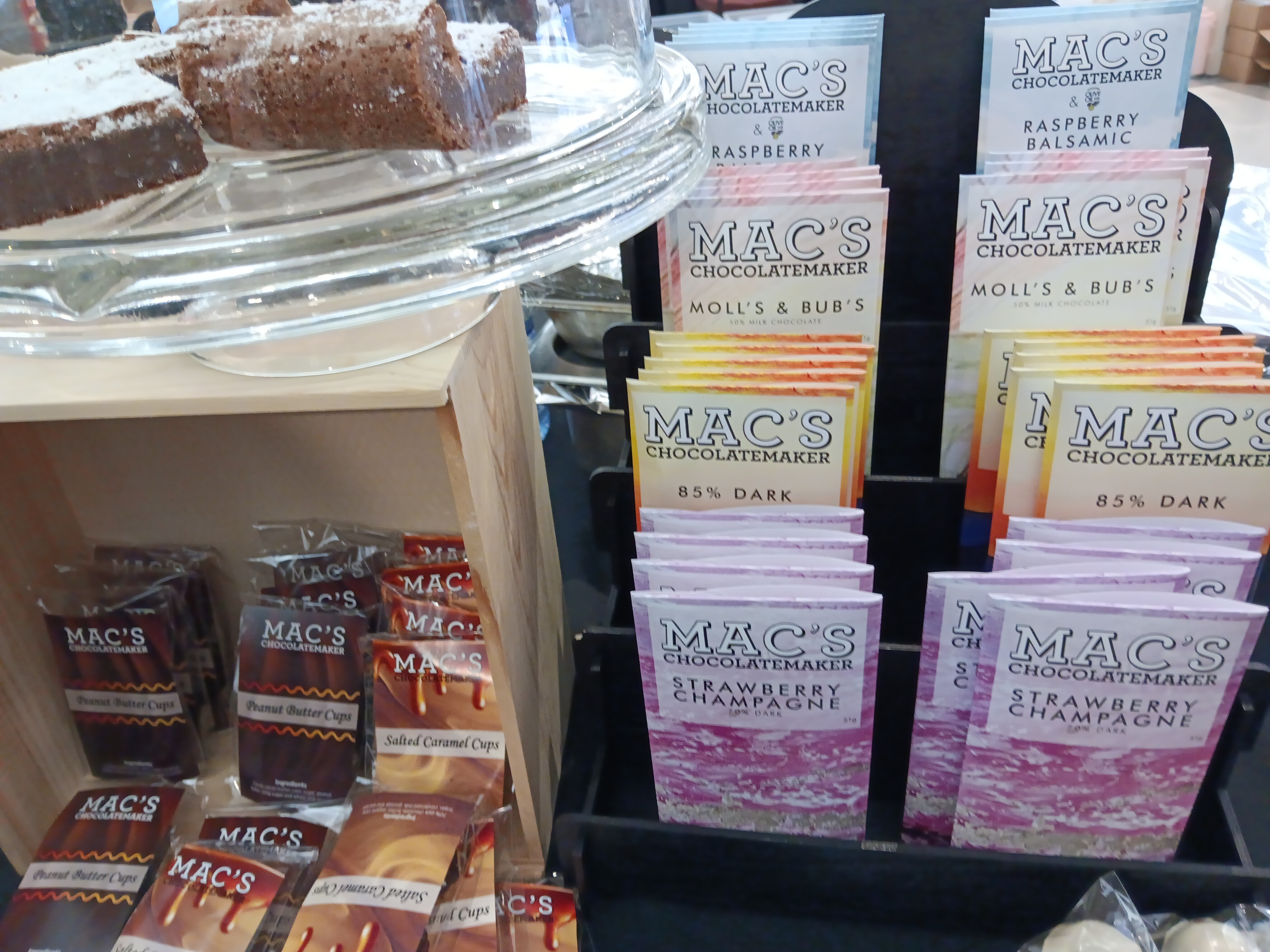
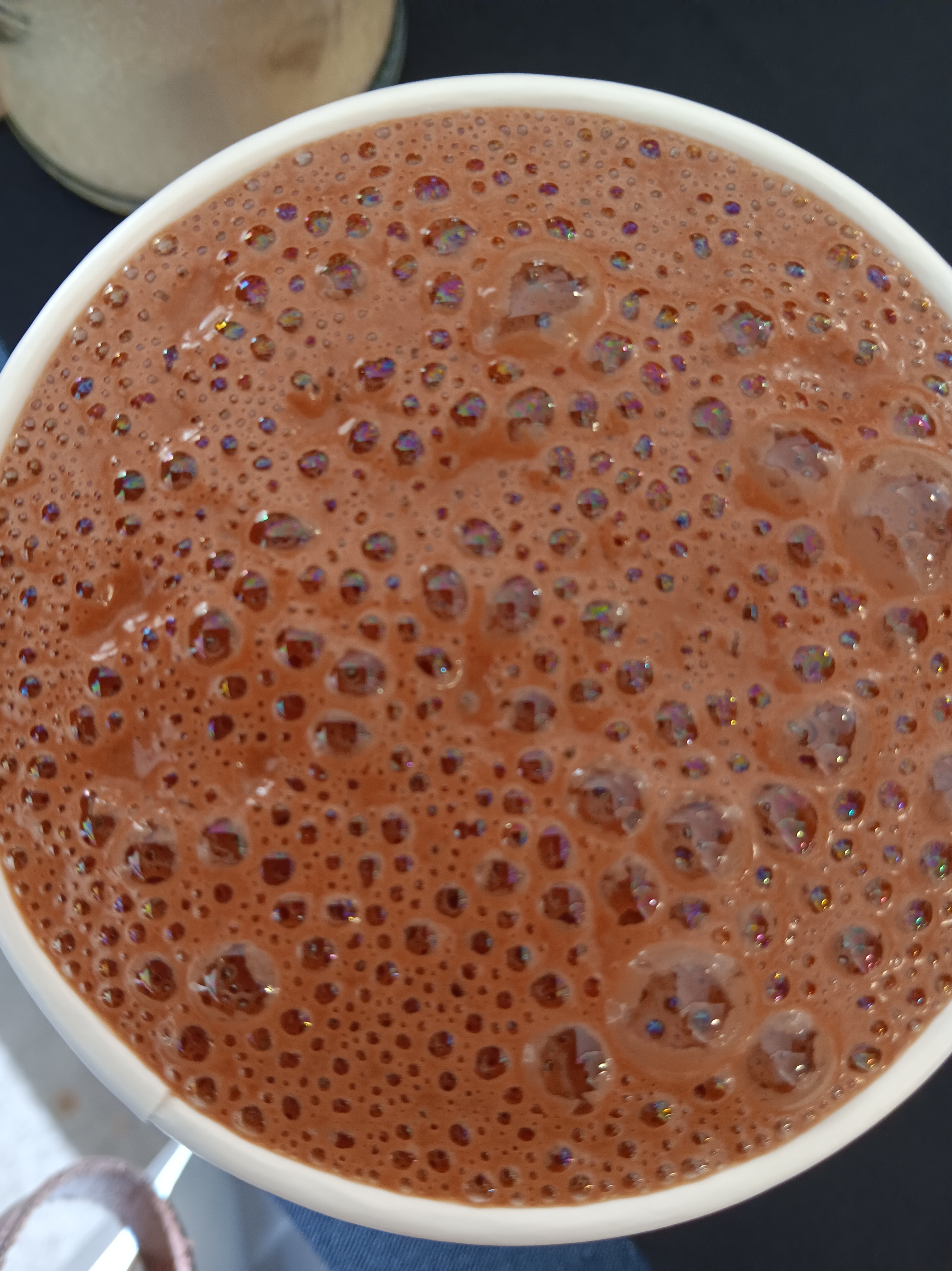
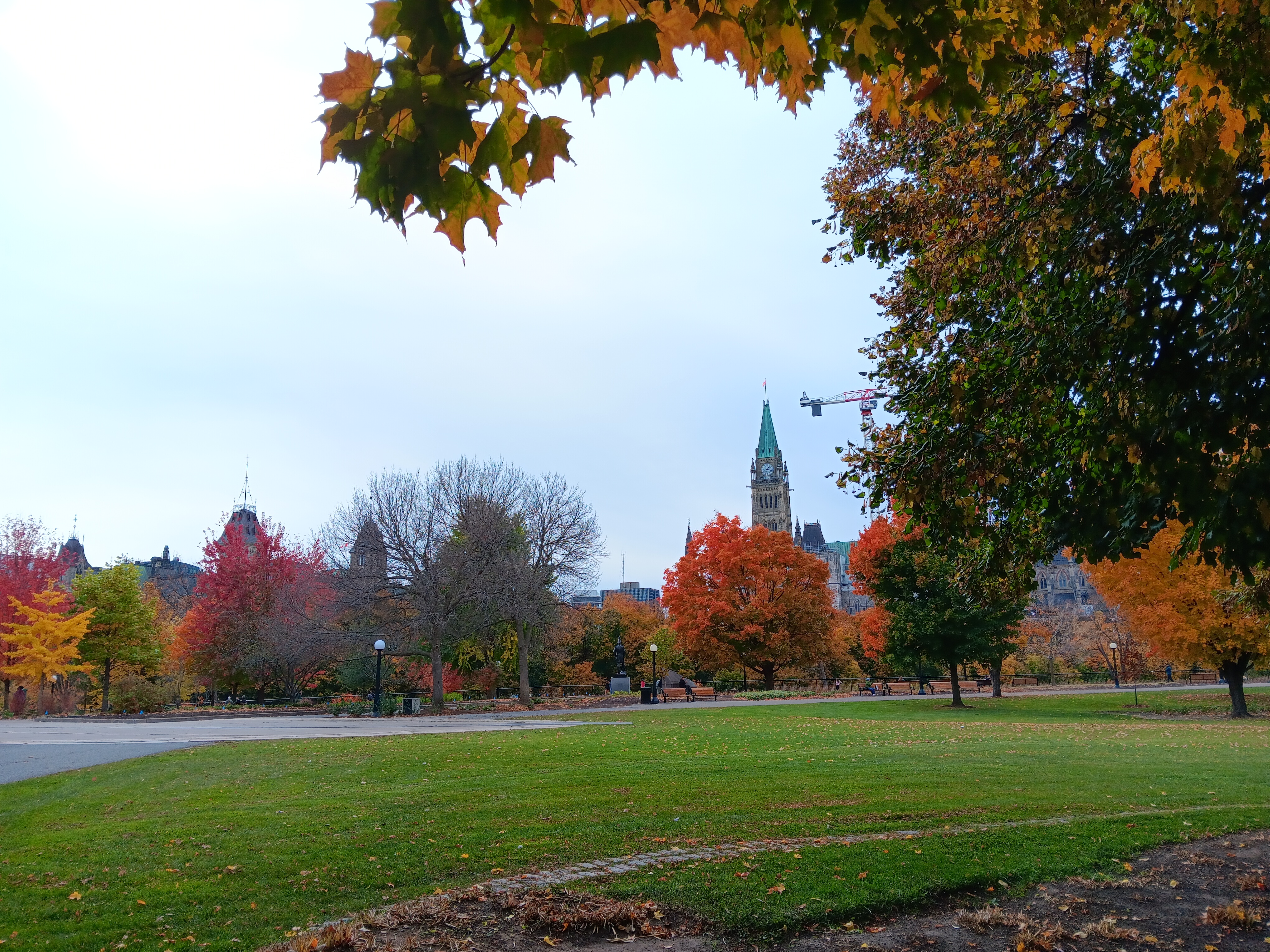
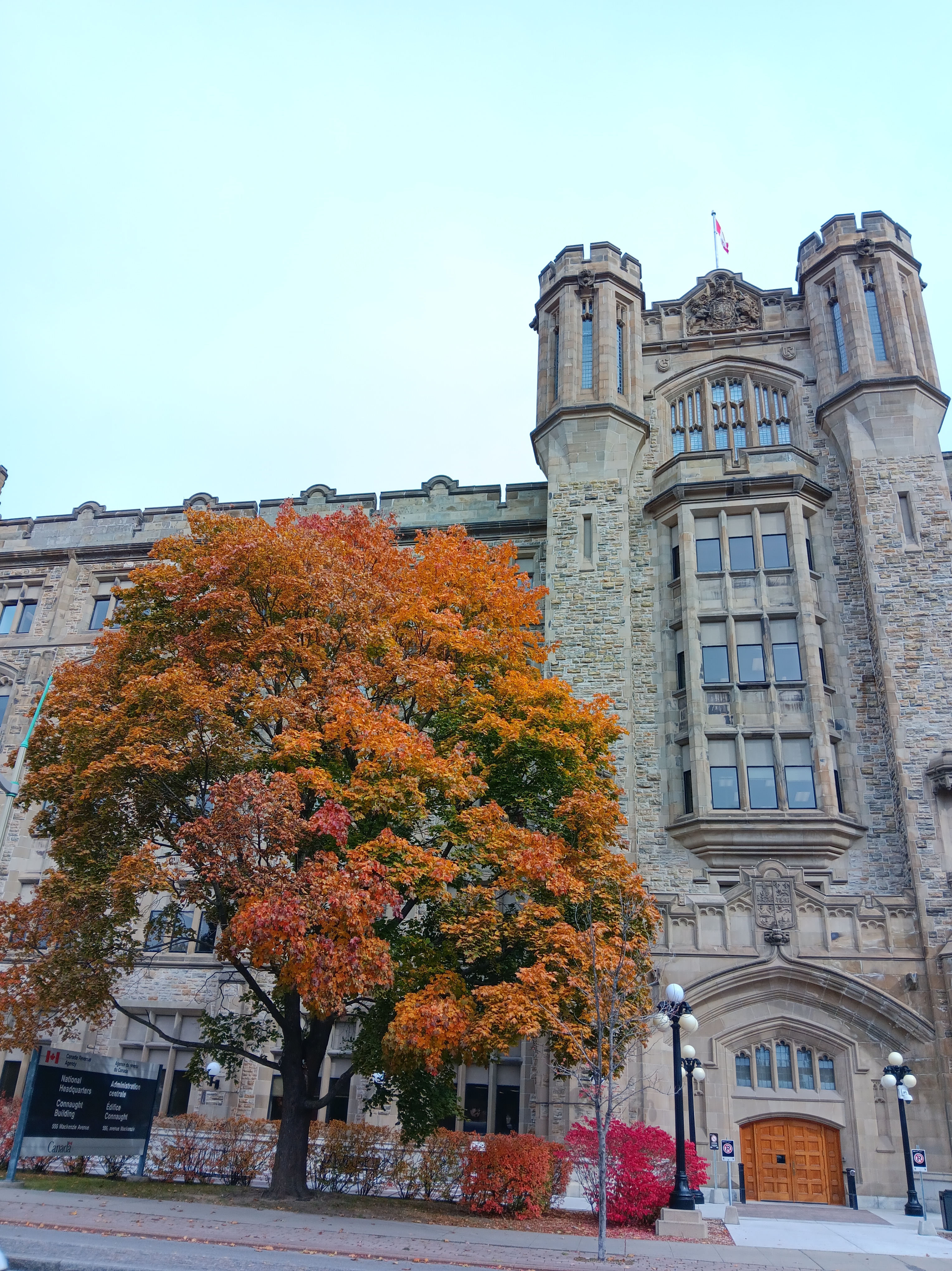
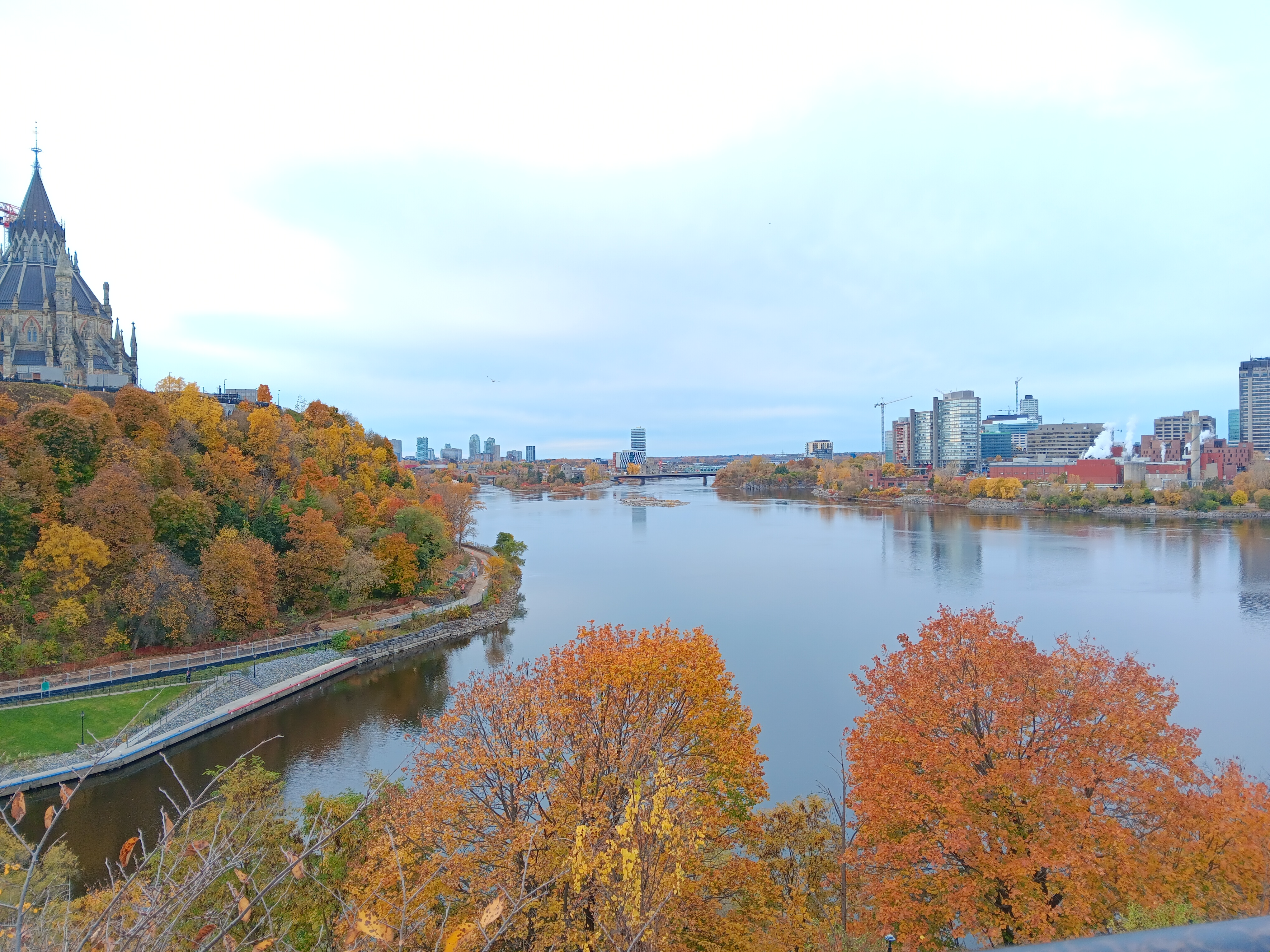
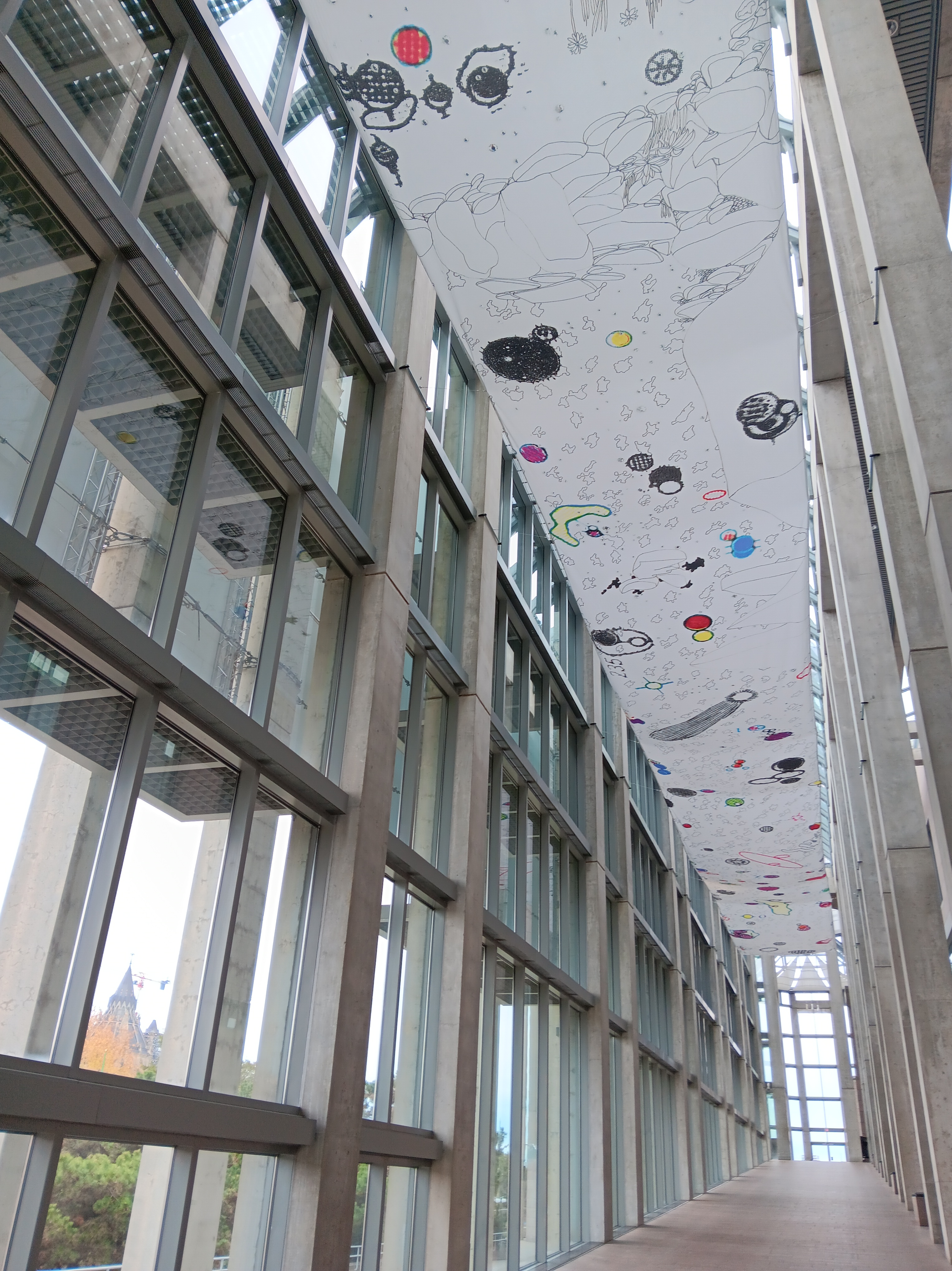
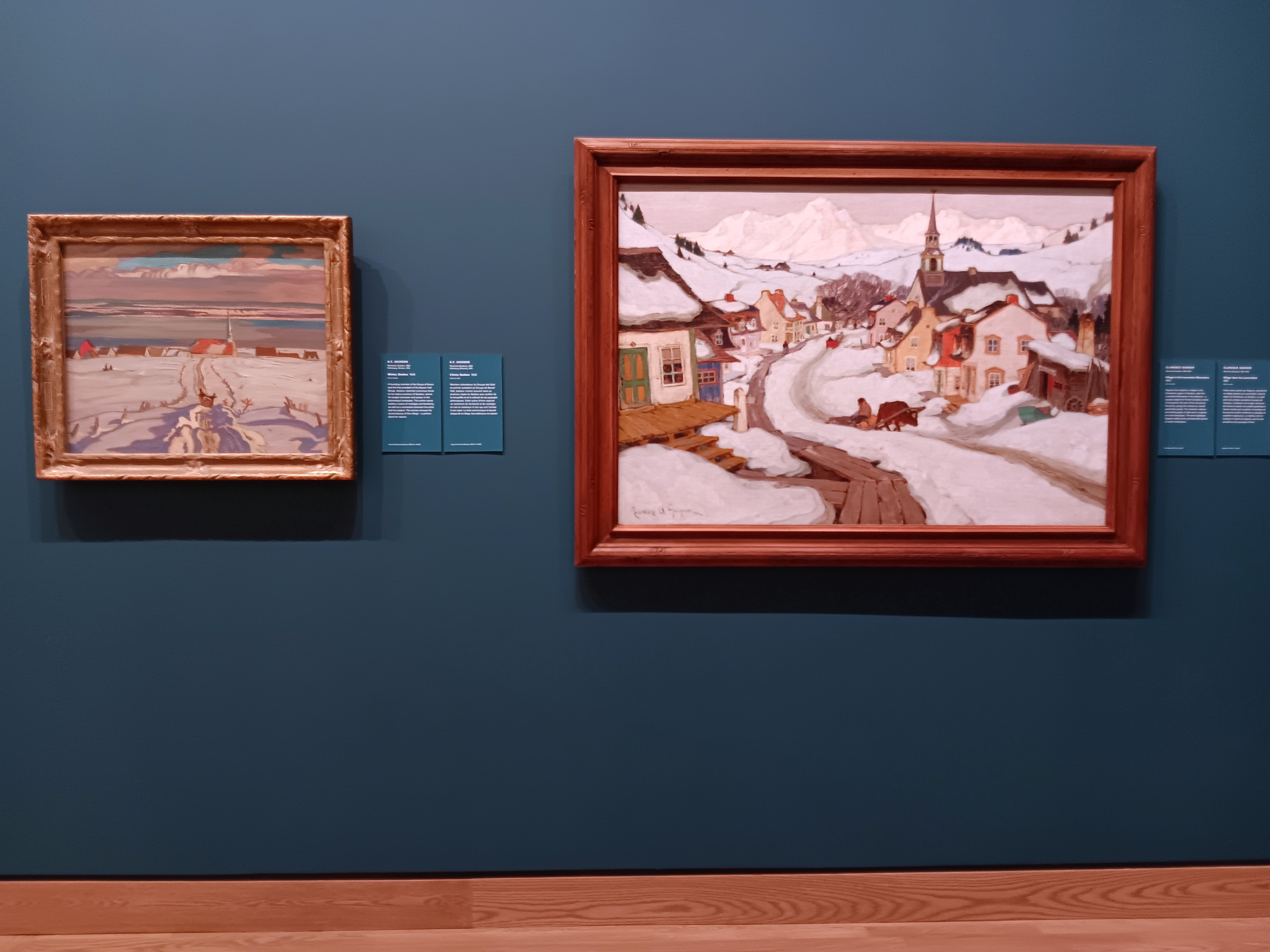
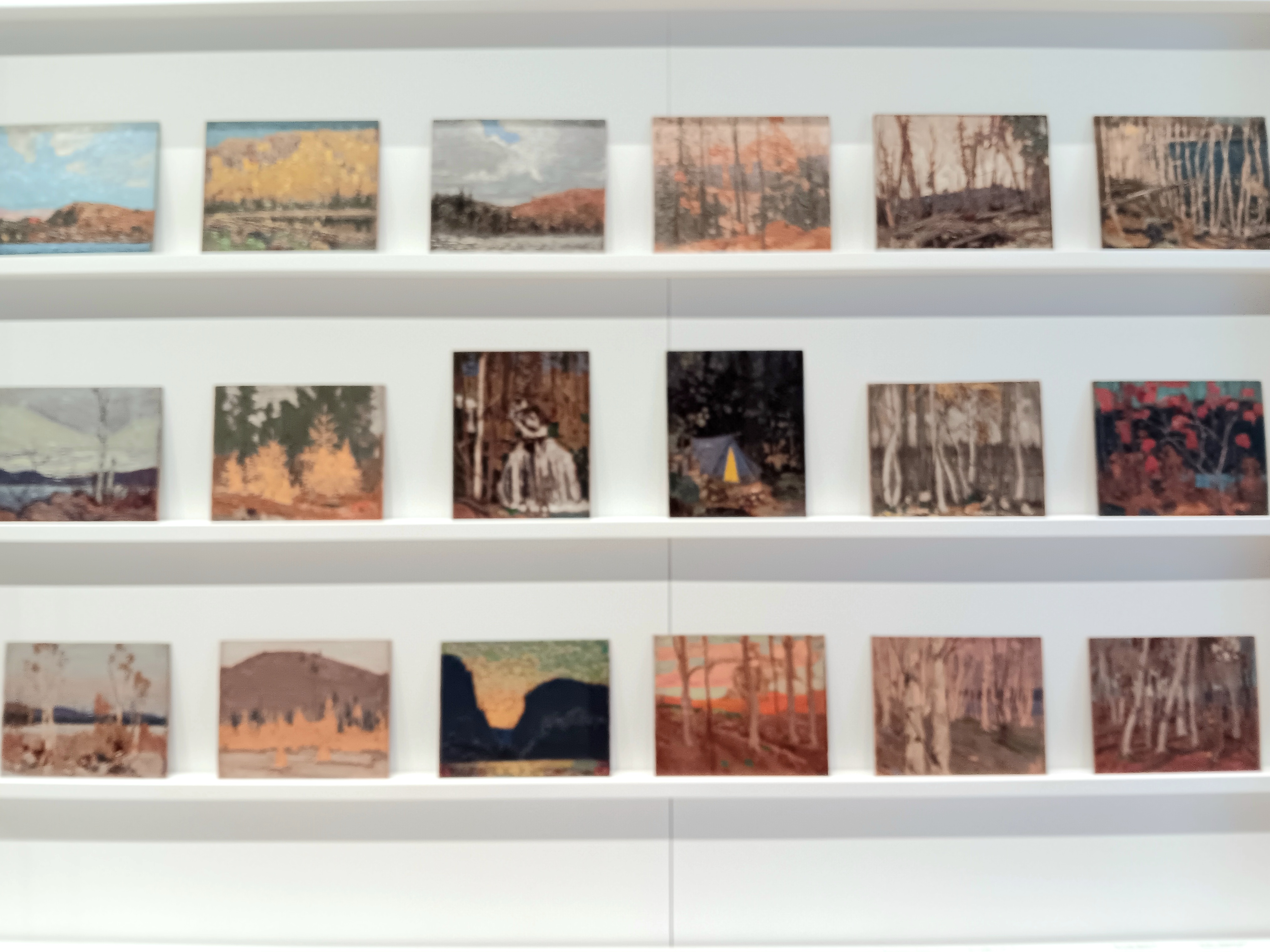
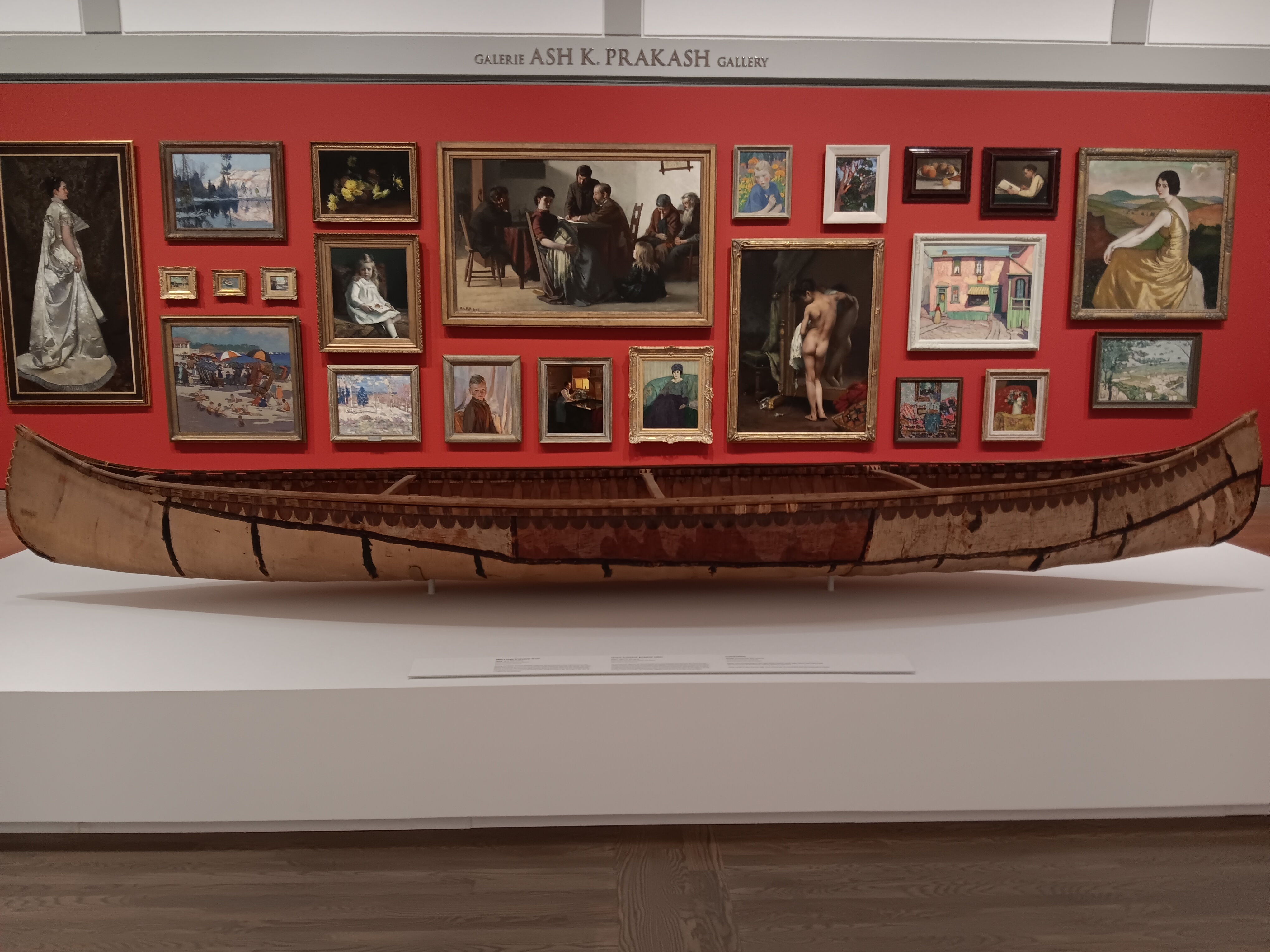
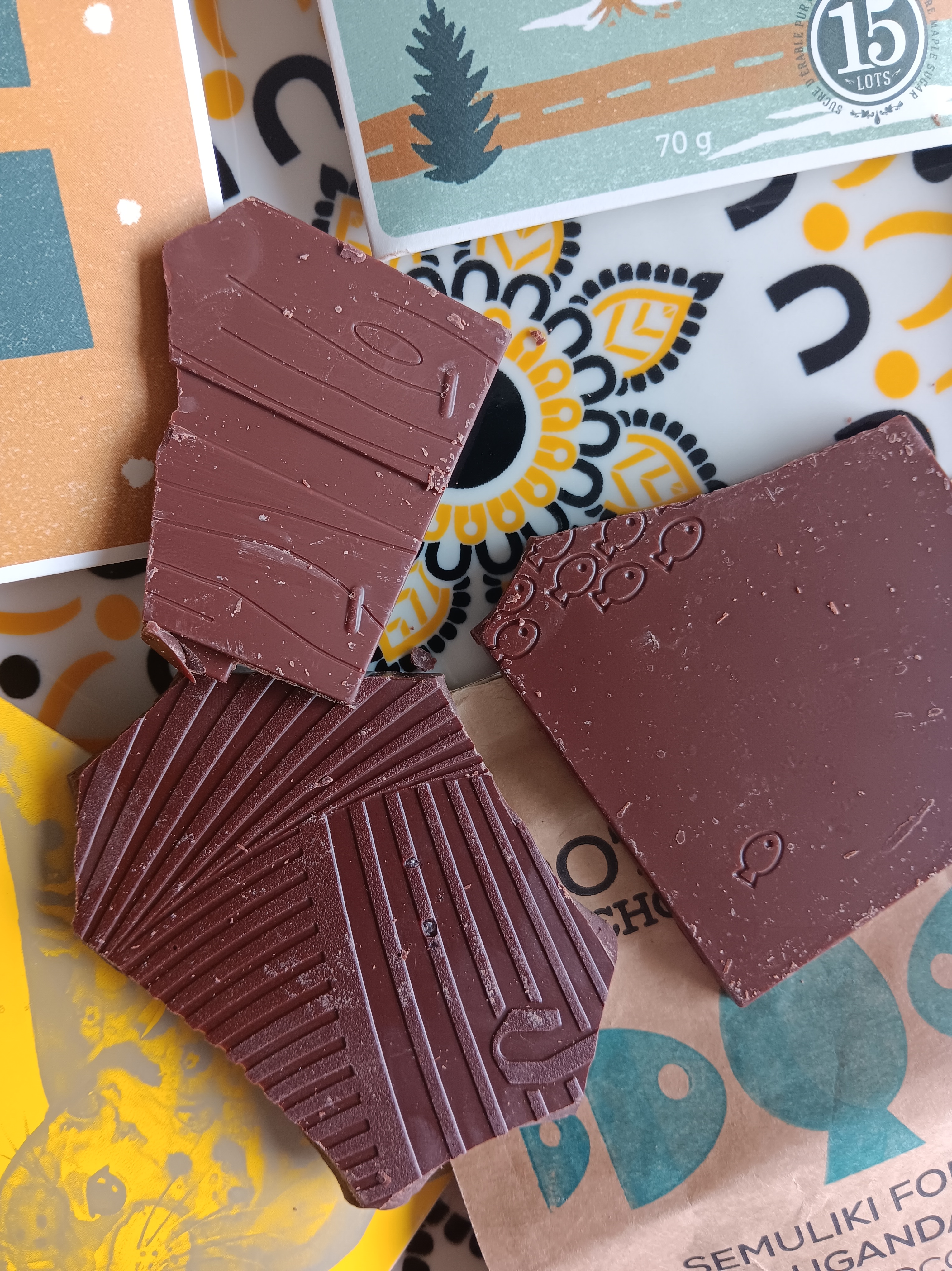
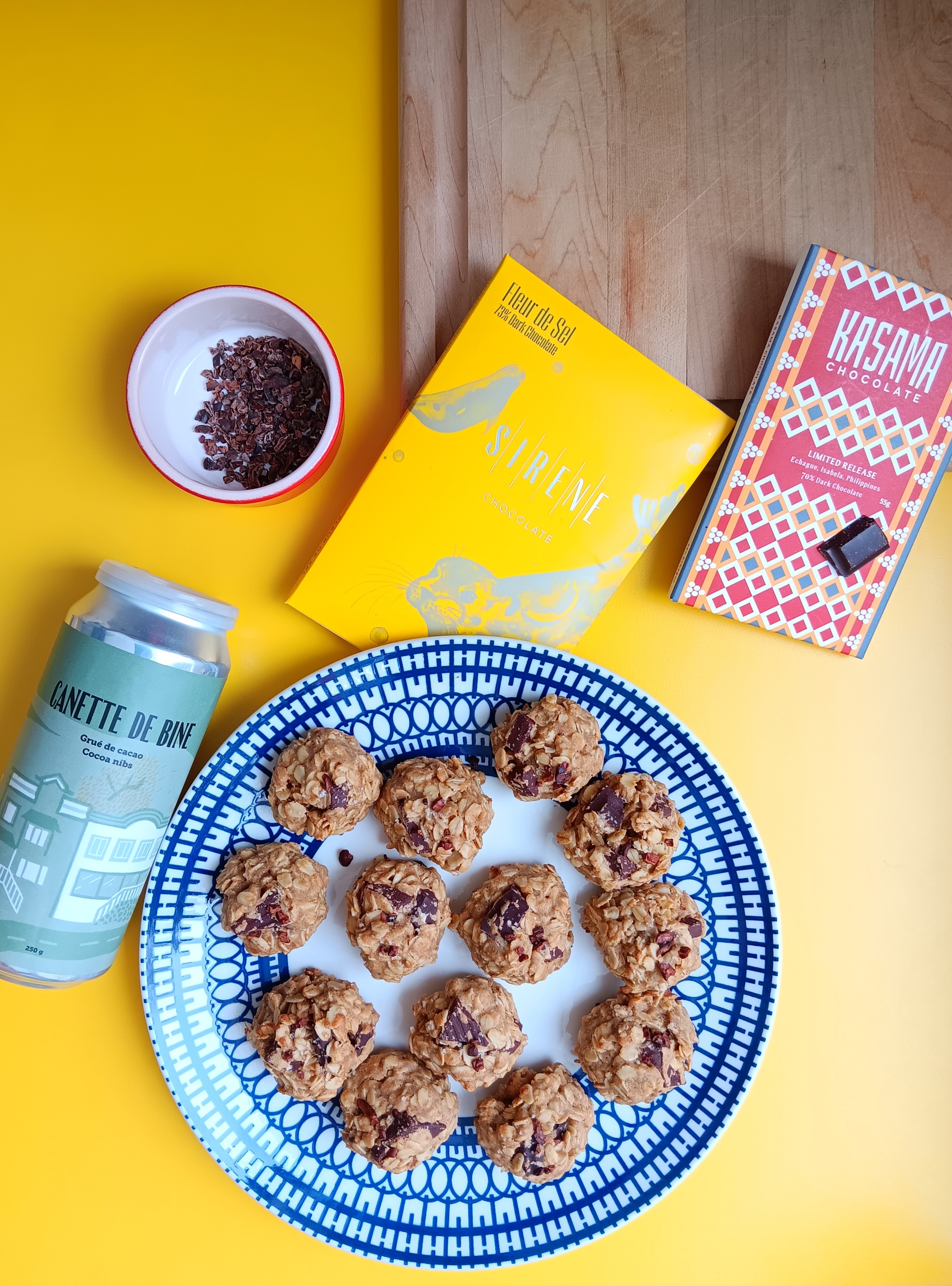
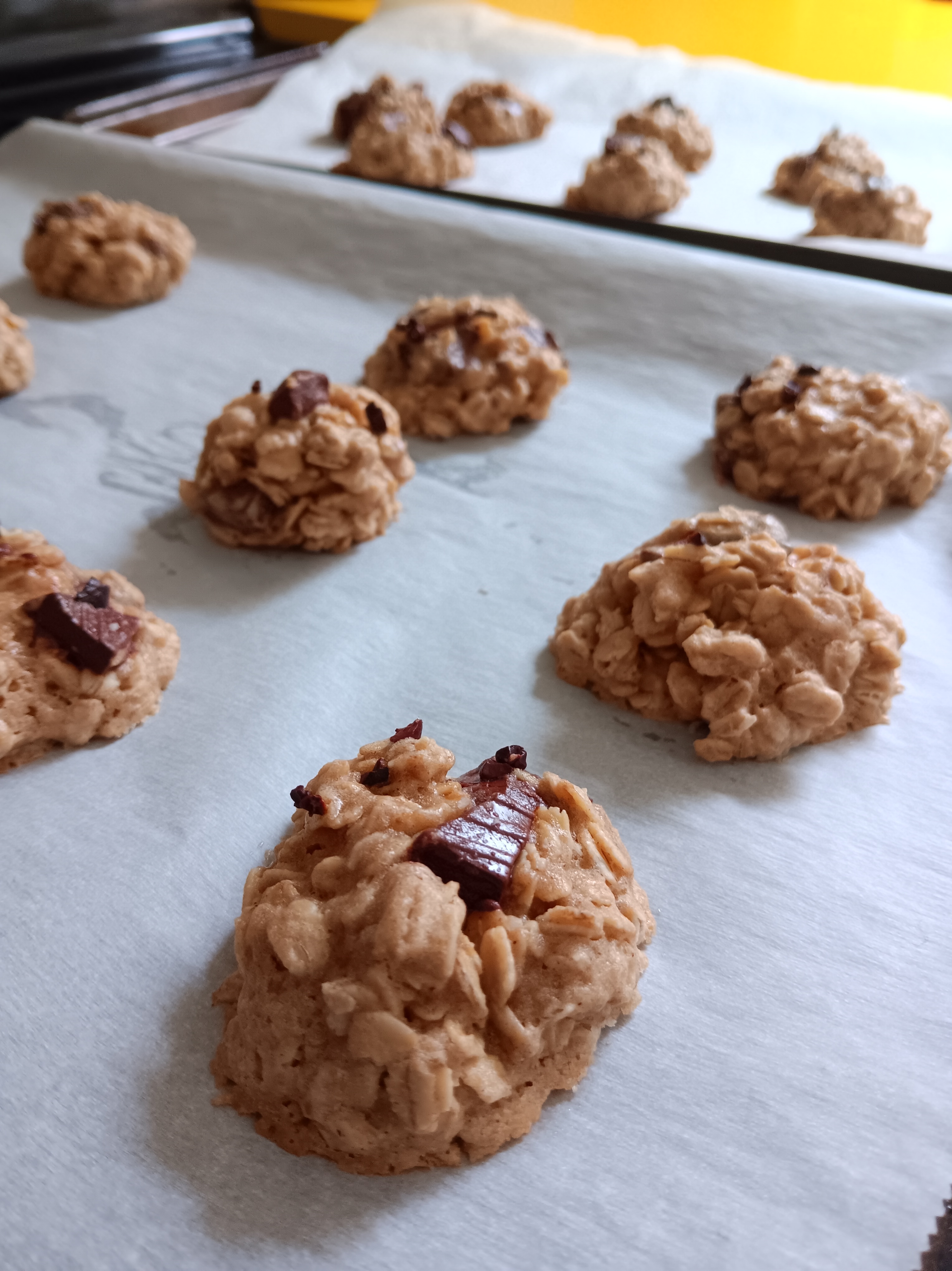
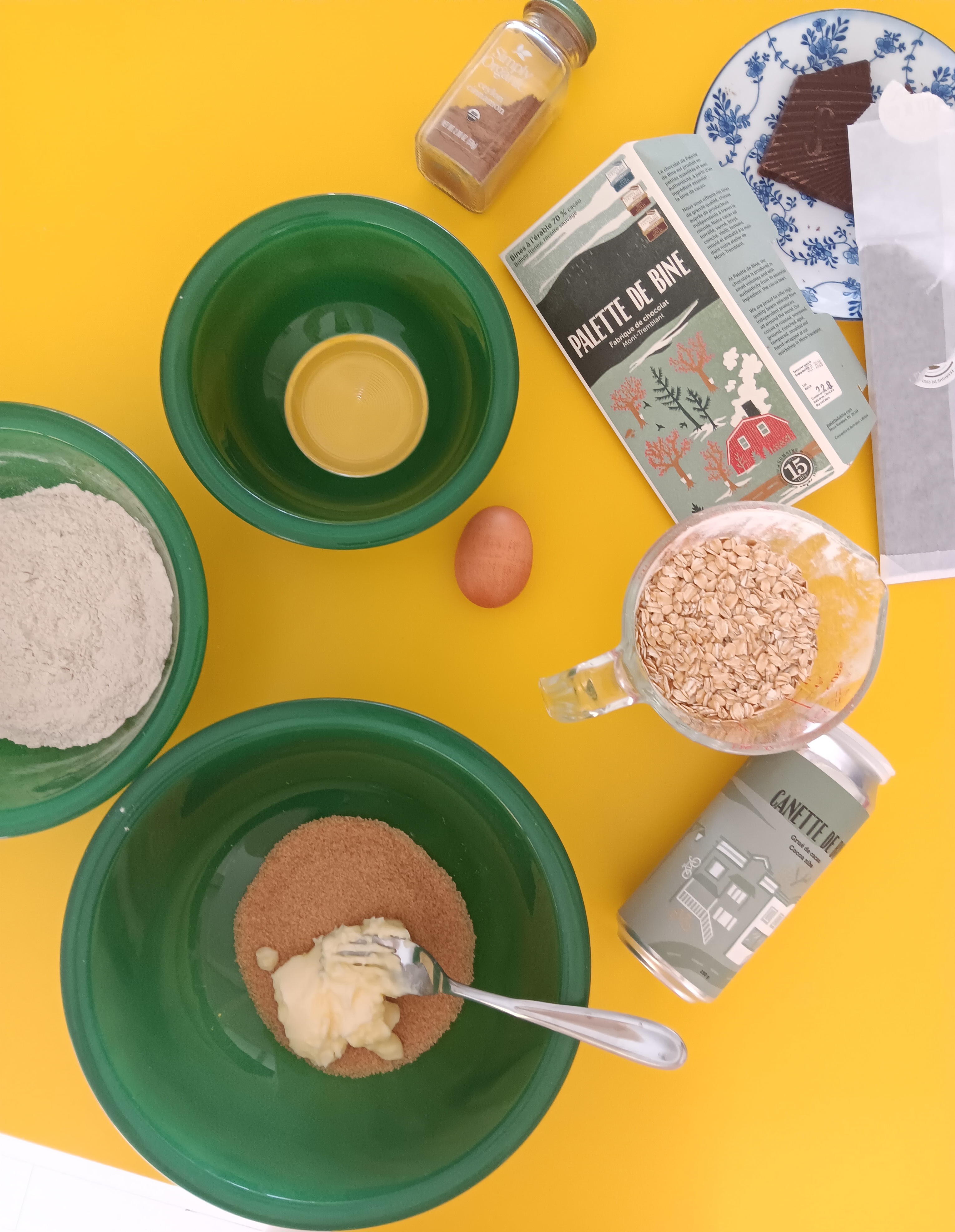
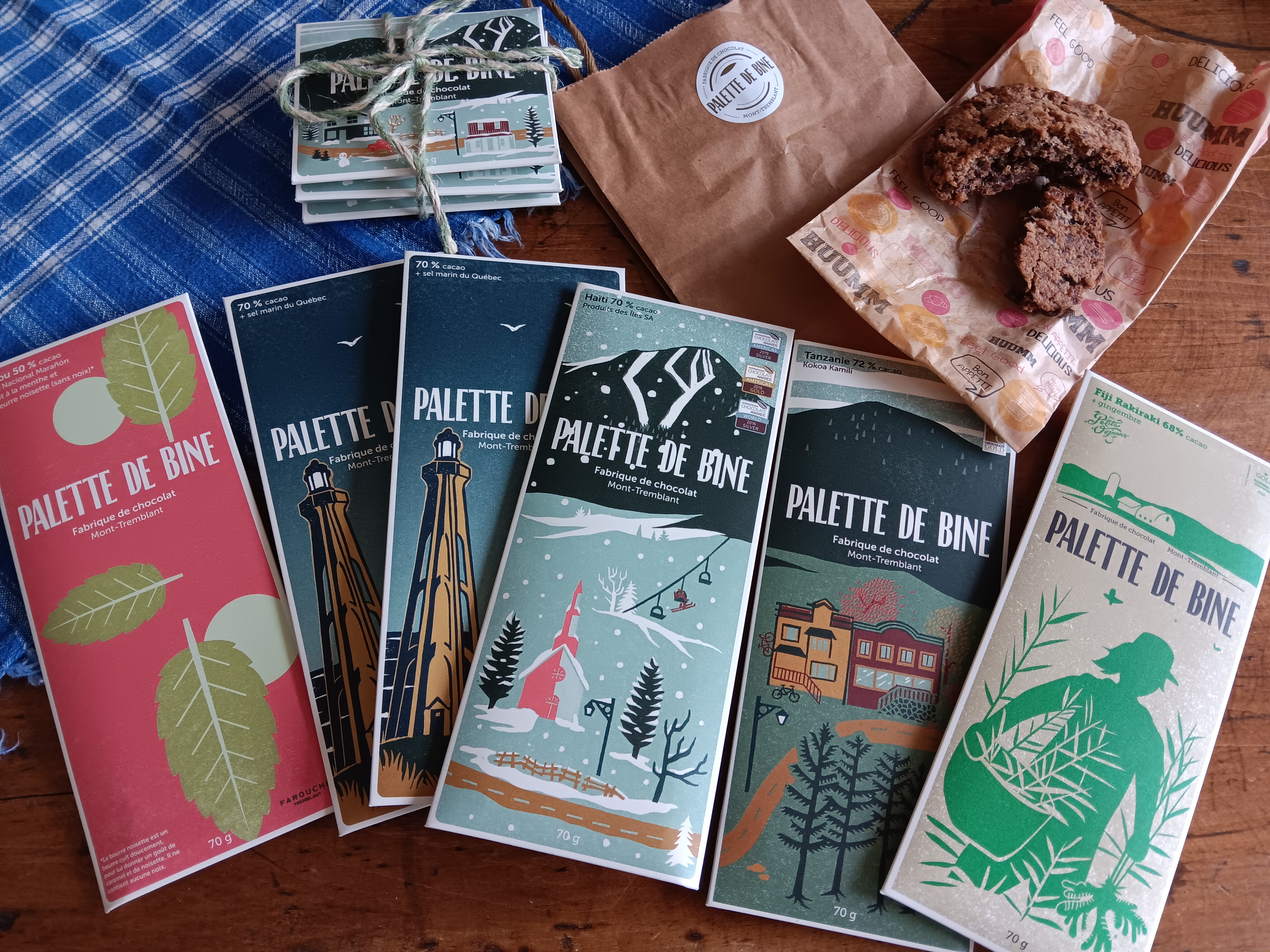
With César Aguilar of Cacaitos, of Colombia and Toronto, at the Ottawa Chocolate ShowChocosol hot chocolateCanada Parliament from Major’s Hill ParkFairmont Château LaurierCanada’s capital city, Ottawa, sits at the confluence of the Ottawa, Rideau, and Gatineau rivers. The latter two flow into the Ottawa River, which is a main tributary of the St. Lawrence River, into which the Great Lakes, an inland saltless sea, thunder and form an immense estuary, past Montreal, where dolphins and whales are among the abundant life. The word “river” does not begin to encompass the St. Lawrence, as the word “lake” does not approach expression of the enormity of this massive freshwater system, as you know if like me you live or have traveled in our glorious Great Lakes region on the US or Canada sides or both. Inside the National Gallery, Ottawa, with Earth and Sky (2008, 2012) by Shuvinai Ashoona and John Noestheden overheadA.Y. Jackson and Clarence Gagnon paintings at the National Gallery of Canada in OttawaTom Thomson tree portrait paintings at the National Gallery of CanadaEuropean and Indigenous works meet at the National Gallery of CanadaStaged after the Ottawa Chocolate Show: here is another view of some of the chocolate I shared in my talk at the Show; yes, I brought chocolate from near the US capital (Potomac Chocolate of Occoquan, Virginia, 20 minutes from Washington DC) to my talk in the Canadian capital because: international chocolate friendship!I loved baking Golden Age cookies with Canadian craft chocolate at the Canada lake house that I rented, located around 1 hour and 40 minutes north of Montreal, in the province of Quebec.
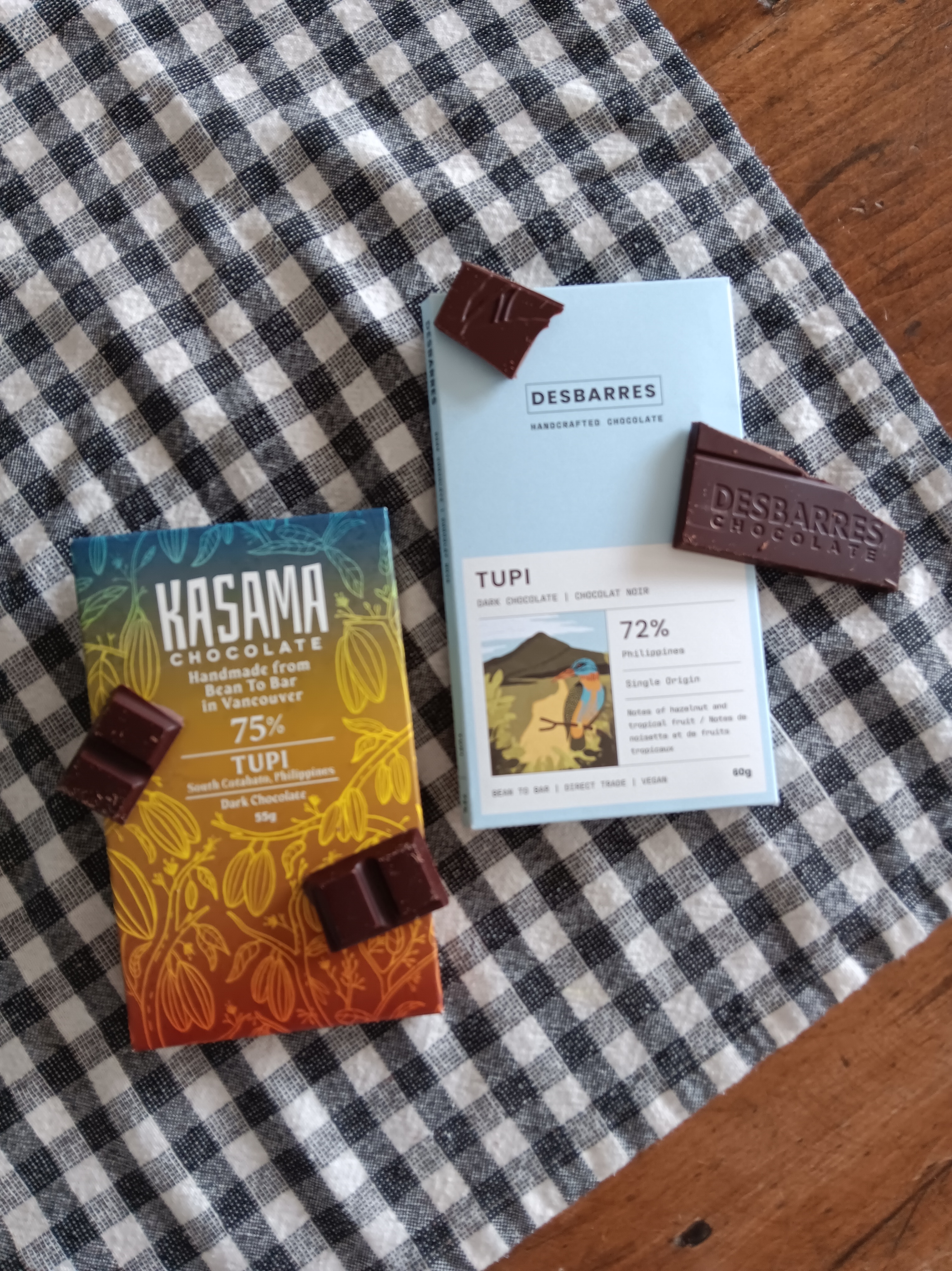
More Canadian chocolate I brought to and enjoyed at the lake house:
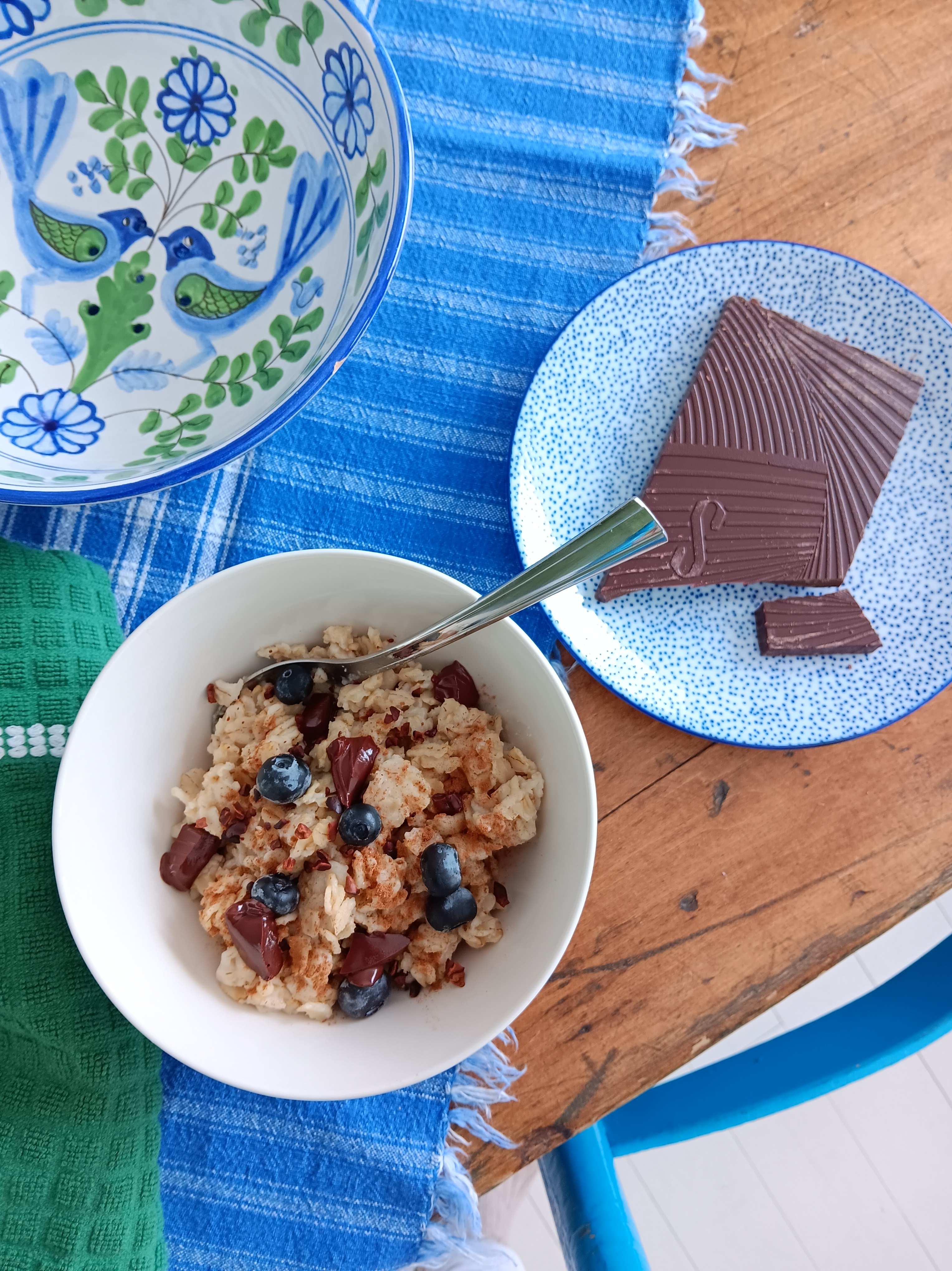
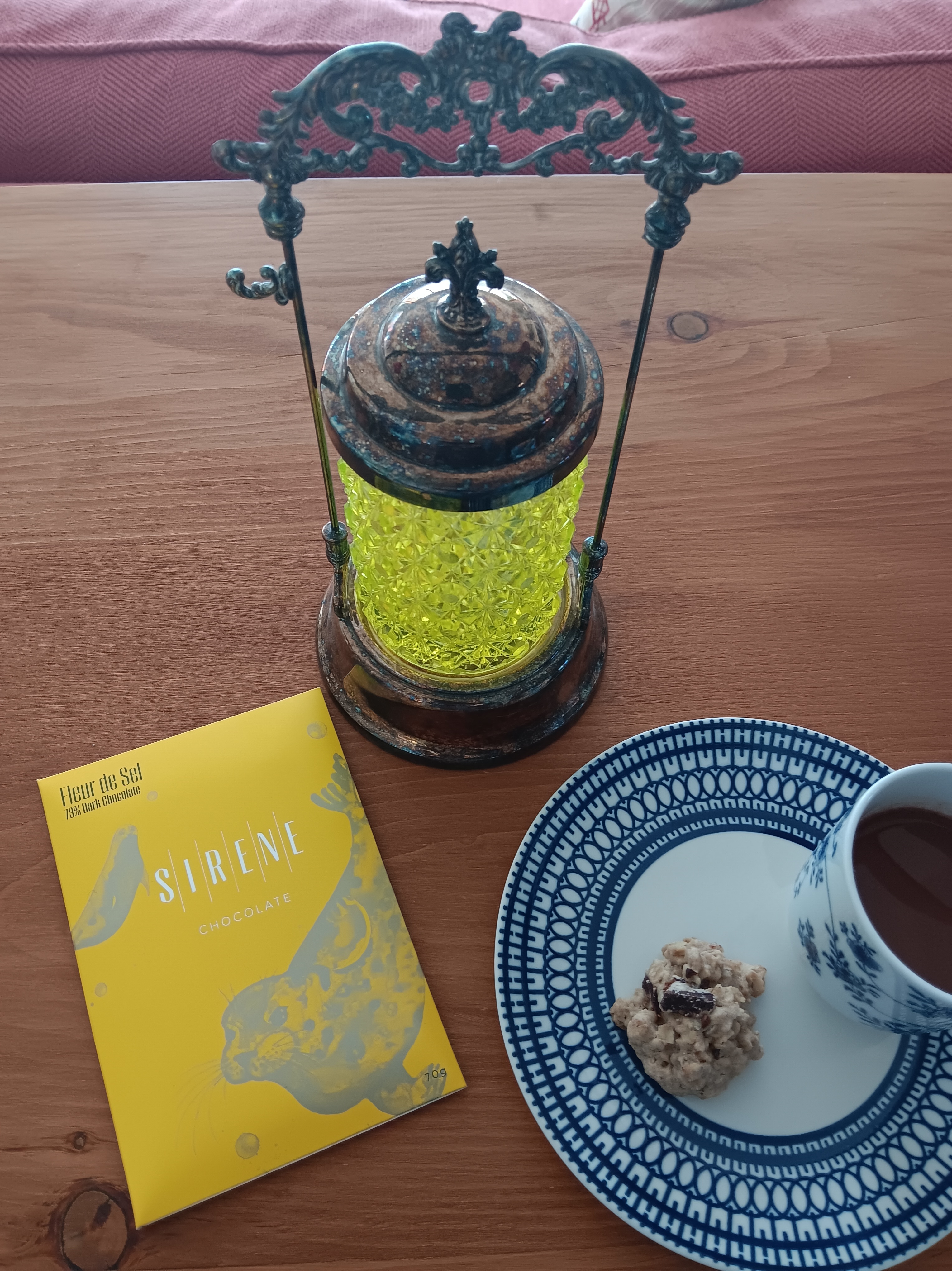
Brisk Quebec weather called for cozy Sirene Chocolate-topped oatmeal!
Part V. The House in Quebec (Montage 1)
Part VI. A Border Crossing Moment
As promised, a funny customs / border crossing moment: I flew from Chicago to Ottawa, and the Canadian customs officer looked me intently in the eye as customs officers do, and asked:
“What is the purpose of your trip?”
I looked him intently in the eye, as I do, and replied:
“Chocolate.”
“Oh!” he said. “What do you mean, chocolate?”
“I’m excited to speak at the Ottawa Chocolate Show.”
The officer asked: “Where is it being held?”
Pause.
“Oh! That’s a good question. I don’t know, a college, but I can’t remember which one!” (Sorry Algonquin, you were great, and I couldn’t have handled the videos and slides without student Kent, an A/V star!!)
The officer let me into Canada, to find the chocolate show, and voilà!
Part VII. The House in Quebec (Montage 2)
I am already looking forward to my next trip to fantastic Canada (Canada again-ida :)!
Part VIII. More Photos; Keep Eating Real Chocolate!
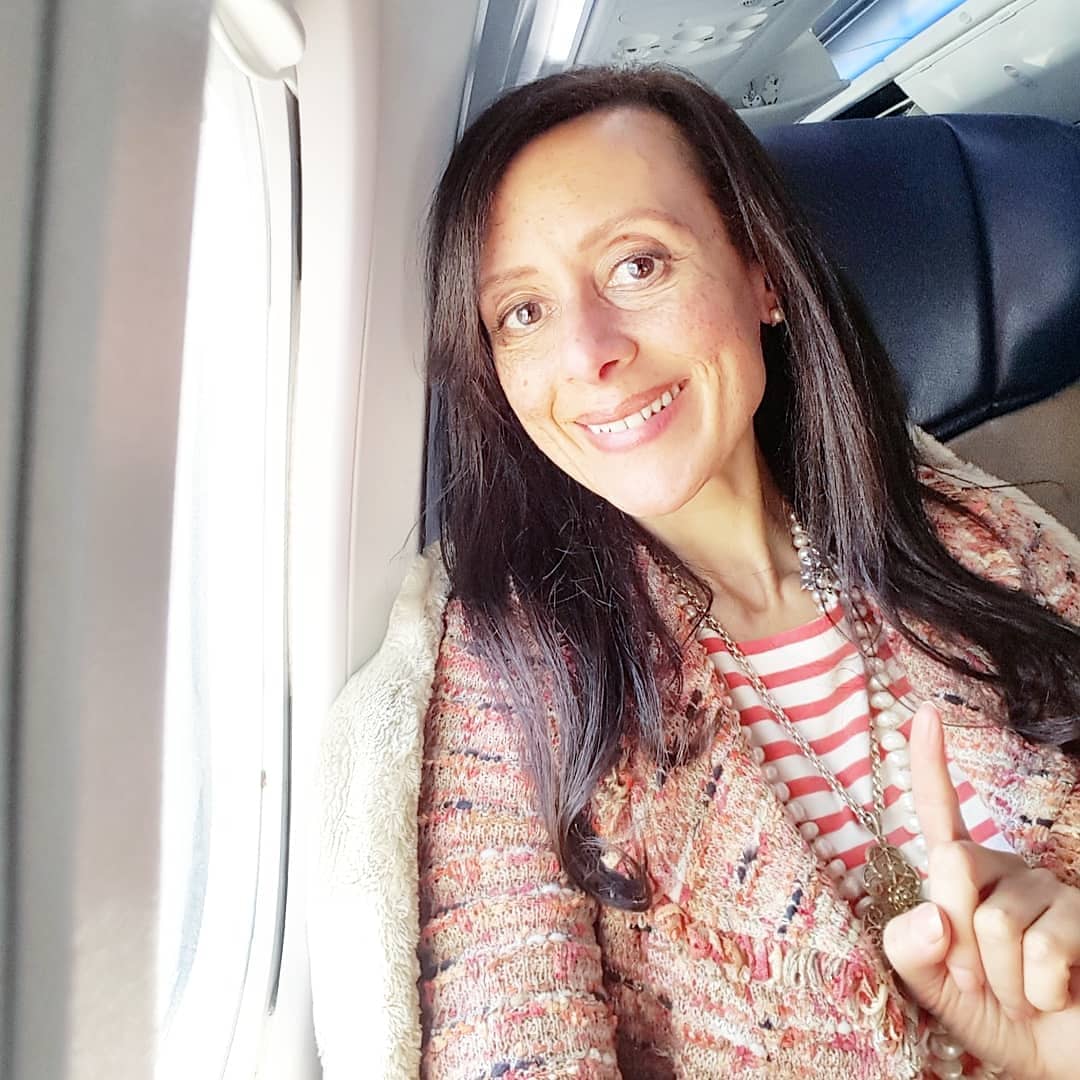
En route to charming Ottawa, Canada, from sweet hometown Chicago, as my latest Canadian adventure began in Fall 2024! I didn’t know until after this trip that for my first trip to Canada, when I was an infant, my mother dressed me in what she called a “fluffy pink snowsuit;” here I am now in a pink era again. Onward and upward as the spiral of life continues into the (evidently pink-tinged!) Golden Age!
When I was four years old and wouldn’t drink milk, my mother wrote a note to my kindergarten teacher asking her to give me chocolate milk. Astounded that the chocolate I loved to eat could enhance milk, I wanted to know more: Where does chocolate come from, who makes it and how, and why don’t we put it in everything? My lifelong study of chocolate began.
Globally beloved chocolate, health-rich and heart-warming, made from the seed of the fruit of the cacao tree, has always seemed to me to be one of the most valuable foods, beverages, or experiences on the planet. The Aztec, Maya, Olmec, and other peoples knew and know cacao’s health benefits, ecosystem contributions, and power to support vitality. Cacao opens the heart, focuses the mind, and enriches the earth. Today, a focus on the monetary value of commoditized cacao threatens to overshadow the human rights abuses and environmental degradation in the corporate-run cacao and chocolate industry. Over-financialization also obscures solutions that are already as close at hand as my childhood carton of chocolate milk.
Having cultivated my chocolate fascination throughout my educational career, I made sure as a young attorney at a big law firm in Chicago that my desk always held a dish of chocolates to savor and share. One day, a project for one of the largest cacao processors in the world landed next to my chocolate treasures. The client was a multinational, multi-billion-dollar food and ingredients corporation that processed and traded in cacao grown and harvested by child slaves in West Africa.
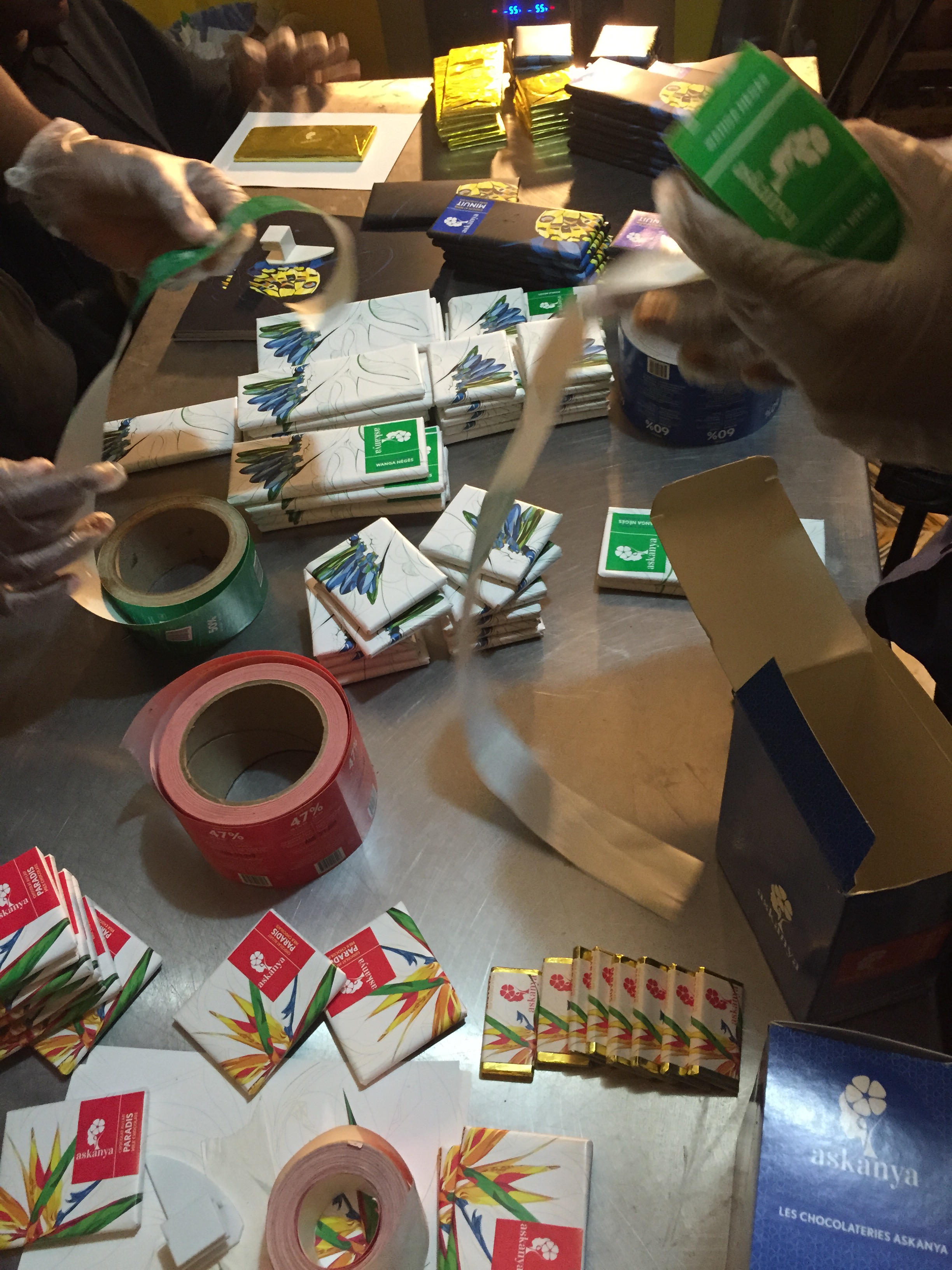
Photo: Askanya Chocolate of Haiti
The Problems
The United Nations describes much of the work done by one and a half million children on cacao farms in Cote d’Ivoire and Ghana, the countries that produce 70 percent of the world’s cacao, as the worst form of child labor. The children swing machetes to hack cacao pods, carry heavy equipment and sacks of cacao, and spray chemical herbicides that cause deforestation. Many of them have been trafficked. They neither go to school nor live with their parents. In most cases, they are not paid.1
Child labor on cacao farms has been documented for years, including recently by The Washington Post,2Fortune Magazine,3 and CBS News.4 The latter aired a story in 2023 showing children as young as five years old working on a cacao farm that supplies Mars, the maker of Snickers and other chocolate brands. The documentary “The Chocolate War”5 by filmmaker Miki Mistrati follows human rights lawyer Terry Collingsworth as he gathers evidence for his lawsuit against chocolate corporations. At one point in the film, we see children working on a Cote d’Ivoire cacao farm that bears a Nestle sign, while Nestle lawyers argue in court that the company does not condone child labor, and as Terry uncovers documents confirming Nestle’s purchases of cacao from farms where children engage in heavy or hazardous work.
Photo: Askanya Chocolate of Haiti
The Money
The US Department of Labor’s Bureau of International Labor Affairs discusses the need for a global cocoa supply chain free of exploitative labor6 and coordinates millions of dollars in technical assistance to organizations such as Winrock, a Rockefeller-founded nonprofit that received a $4,000,000 grant to improve the capacity of cocoa cooperatives to monitor for child labor.7 Meanwhile, cacao farmers in West Africa earn less than one dollar a day—with female cacao farmers earning less than men—well below what the World Bank calls a living income.8
When we hear of cacao prices rising from $2,000 per ton to over $10,000 per ton, is this good news for West African cacao growers? No, because no profit reaches them. The corporations take advantage of political landscapes where the rule of law is not respected and where, instead of a free market where growers can set their own prices and sell to whomever they choose, a system exists in which farmers must sell to the cacao agencies run by the governments of Cote d’Ivoire and Ghana. The governments, mindful of what the corporations will pay, set the minimum price of cacao and the wage that farmers will receive. In other words, regardless of rising costs of inputs or rising prices of outputs, or who the farmers might wish to sell to, farmers are locked into government-regulated prices and contracts that benefit the corporations who profit from a global chocolate industry, currently valued at $120 billion.9 The farmers who make the industry possible remain in poverty, and impoverished children remain vulnerable.10
Moreover, the prices that have been increasing from government-set minimums are futures prices on commodities exchanges, which means that hedge fund managers and other traders who are not part of the chocolate industry can speculate on the prices and drive them higher. Certain traders with a position in cacao have no intention of taking delivery of physical cacao, yet have caused prices to rise and have profited.11 I invited audience members at a talk I gave at the DC Chocolate Festival, held in Washington, DC, in April 2024,12 to imagine a fleet of trucks backing up—beep, beep, beep—in front of Wall Street office buildings to deliver tens of thousands of tons of cacao. Of course, no such deliveries happen, because hedge funds and private equity firms are in the business of making money, not chocolate. Do we want a society where corporations, funds, and firms make money from child labor? The London Metals Exchange began regulating child labor in cobalt. Will we see commodities markets for cacao follow suit? Do we want human rights protections to be financialized, especially when profiteering has already overridden principles, causing and exacerbating problems in the first place?
As for the narrative that commodity cacao has become expensive: how can this be true when the price is set artificially, was and has remained depressed for decades until recent surges, and is in some cases ten times less than the price of the fine flavor or specialty cacao that my bean-to-bar chocolate maker clients purchase directly from farmers in other parts of Africa and the world?
Photo: Askanya Chocolate of Haiti
The Solutions
It may seem that large forces keep control of cacao, chocolate, and children in their hands, yet the solutions are in our hands. Corporations are a legal fiction that we can challenge. Governments are a political invention that we can rethink. Alternate supply channels already exist. There are two chocolate economies: the commoditized version based on abuse of people and planet, and a growing chocolate economy based on transparency and flavor.
When I started my first business, Chicago Chocolate Tours, in 2005, there were few chocolate makers who purchased cocoa beans to grind them into chocolate, compared with chocolatiers who purchase chocolate that has already been made—often by a large company using bulk cacao from the slave labor supply chain—before adding their own fillings or other touches. One pioneering chocolate maker was Shawn Askinosie, who is also a formerly practicing attorney and who began his business in 2006. Shawn purchases cacao directly from slavery-free and sustainability-focused cacao growers in Ecuador, the Philippines, and Tanzania, where he profit-shares with farmers and partners with them on community investment.
I spotlighted ethical, delicious Askinosie Chocolate13 on my tours. As the number of bean-to-bar brands grew, and my own team and our number of tour locations grew, I developed relationships with other chocolate makers, and my Tourguides and I began including their chocolate on tours and in tastings. Today, there are hundreds of small-batch chocolate makers in the United States and throughout the world, as more entrepreneurs, makers, chocolate lovers, and conscious shoppers discover the complex flavors and principled business dealings of the craft chocolate community.
How can you identify ethical chocolate, and how can we shift our world so that companies and governments that profit from problems in cacao will solve the problems they have helped create? To choose healthful and ethical craft chocolate made from cacao that is not traded on commodities markets but purchased directly from growers:
1) Look for the cacao country of origin or the growers’ collective on the label to know if the chocolate bar carries transparency or is of non-identifiable (and therefore likely abusive) origin;
2) Buy from small-batch brands who purchase and grind their own cacao. Read about their sourcing; for example, Xocolatl Small-Batch Chocolate14 shares details on their website of the Nicaragua, Peru, and Uganda farms where they purchase cacao, and Raaka Chocolate15 publishes excerpts of their transparency report on the inside of their wrappers; and,
3) Read the back of the bar to confirm the chocolate is made from clean ingredients with no additives, because chocolate makers who work with fine flavor cacao typically want to showcase, not mask, subtleties of flavor.
And note the taste! The San Jose del Tambo Ecuador chocolate bar by Askinosie that I am savoring while writing this article is made from direct trade cacao, organic cane sugar, cocoa butter pressed in-house—and nothing else. The bar delivers flavor notes of honey, jasmine, orange peel, and earthy-tangy black currant, with a burst of tannins on a gently creamy texture followed by a clean, dry finish. Sample it alongside a commercial bar that you might have on hand, and you will undoubtedly instantly taste the difference.
To stop corporations from profiting from child slave labor, deforestation, or chemical contamination of nature and our bodies, shouldn’t we ensure they pay farmers a fair price?16 Shouldn’t we expect further corporate accountability and the end of child labor, chemical herbicides and pesticides, and pollution during production? To accomplish these ends, we can support positive legislation, share information with our local communities,17 and choose which of the two chocolate economies to support: the extractive and industrial system where chocolate is a commodity made by corporations at the lowest cost possible while children pay with their childhoods, or the alternative and uplifting economy — already in operation, buoyed by bonds of affection — in which chocolate is a nuanced food, made by small teams, from transparently-traded cacao that nourishes humans and ecosystems.
We can make the problem disappear by creating a reality that makes it obsolete. We know where our wine and craft coffee come from; shouldn’t we know where the cacao in our chocolate comes from? The big brands cannot argue that transparency is impossible, because the craft chocolate community lives transparency as a daily reality. You can too by voting with your dollars or other currency for the chocolate economy you prefer.
Photo: Askanya Chocolate of Haiti
The Value
When my desk at the law firm presented the choice of abuse-based industrial chocolate or principle-based artisanal chocolate, I left the law firm and followed my heart into chocolate. Chocolate and cacao have introduced me to fascinating people, places, flavors, and ideas, as the value of chocolate in my life radiates beyond price tags. Chocolate invites us to re-evaluate our values and prioritize empathy and equality, courage and compassion, justice and joy, liberty and love, as we create the Golden Age we wish to experience and deliver to future generations of children and chocolate lovers.
ENDNOTES
1 Sidney Krisanda and Hannah Rojas, “Child Labor in Cocoa Supply Chains: Unveiling the Layers of Human Rights Challenges,” Sustainalytics, March 26, 2024,
Valerie Beck is a graduate of Harvard Law School and Harvard College; a chocolate services entrepreneur who founded Chicago Chocolate Tours and grew the business to 5 cities with 50 employees; a consultant through Chocolate Uplift to small-batch chocolate makers and growers in ethical cacao supply channels; and a mentor of students who seek to follow their own paths.
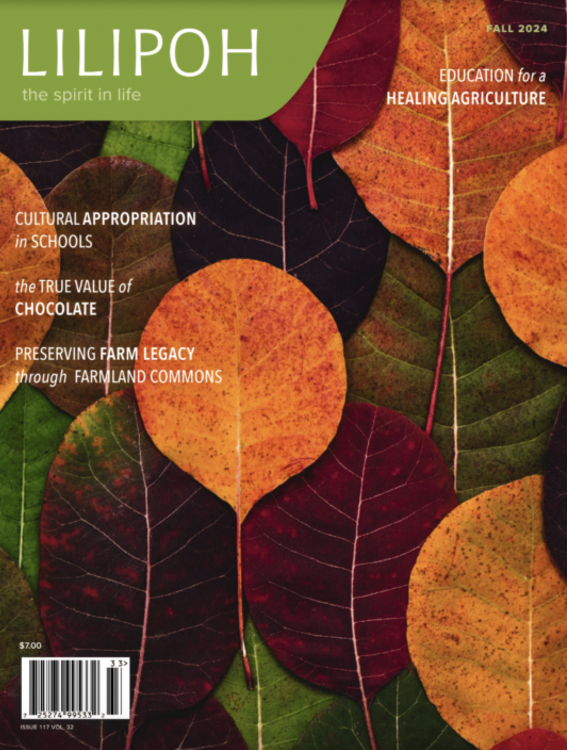
Thank you to dear Karen Davis-Brown, Contributing Editor of LILIPOH Magazine — a publication about how education and economics can support local communities, enlightened views on caring for and working with the land, and social change and human development — for suggesting, supporting, and editing the above article.
I met Karen in Wisconsin while I was staying at Kindred Farm Retreat, an organic farm and writer’s and artist’s retreat in Saint Croix Falls, and am grateful to farm founder Kathleen Melin for connecting us through the circles, lines, and spirals of community. More news to come on chocolate tastings I held in that beautiful region!
Fun fact if you made it this far: LILIPOH stands for Life, Liberty, and the Pursuit Of Happiness through Health!
Onward and upward!
Your friend in chocolate,
Valerie
Summer 2024 in Saint Croix Falls Wisconsin, where I met the people who directly facilitated this article: Kathleen Melin of Kindred Farm Retreat and Karen Davis-Brown of LILIPOH Magazine. Thank you!
Rotary International’s values of environmental protection and peace have always resonated, and the East Sacramento club’s anti-trafficking projects parallel anti-slavery work in cacao. Thank you to club President Jim Fritzsche for inviting me!
Quick notes from “backstage”:
For millennia, chocolate has been associated with matters of the heart, health-wise and love-wise.
The Aztecs, Maya, and other indigenous people understood cacao’s physical and emotional benefits.
Contemporary studies have identified compounds in cacao that protect the heart and elevate the mood.
Sometimes one taste is all it takes to uplift our outlook.
Slides — see the comments section for links, videos, and information.
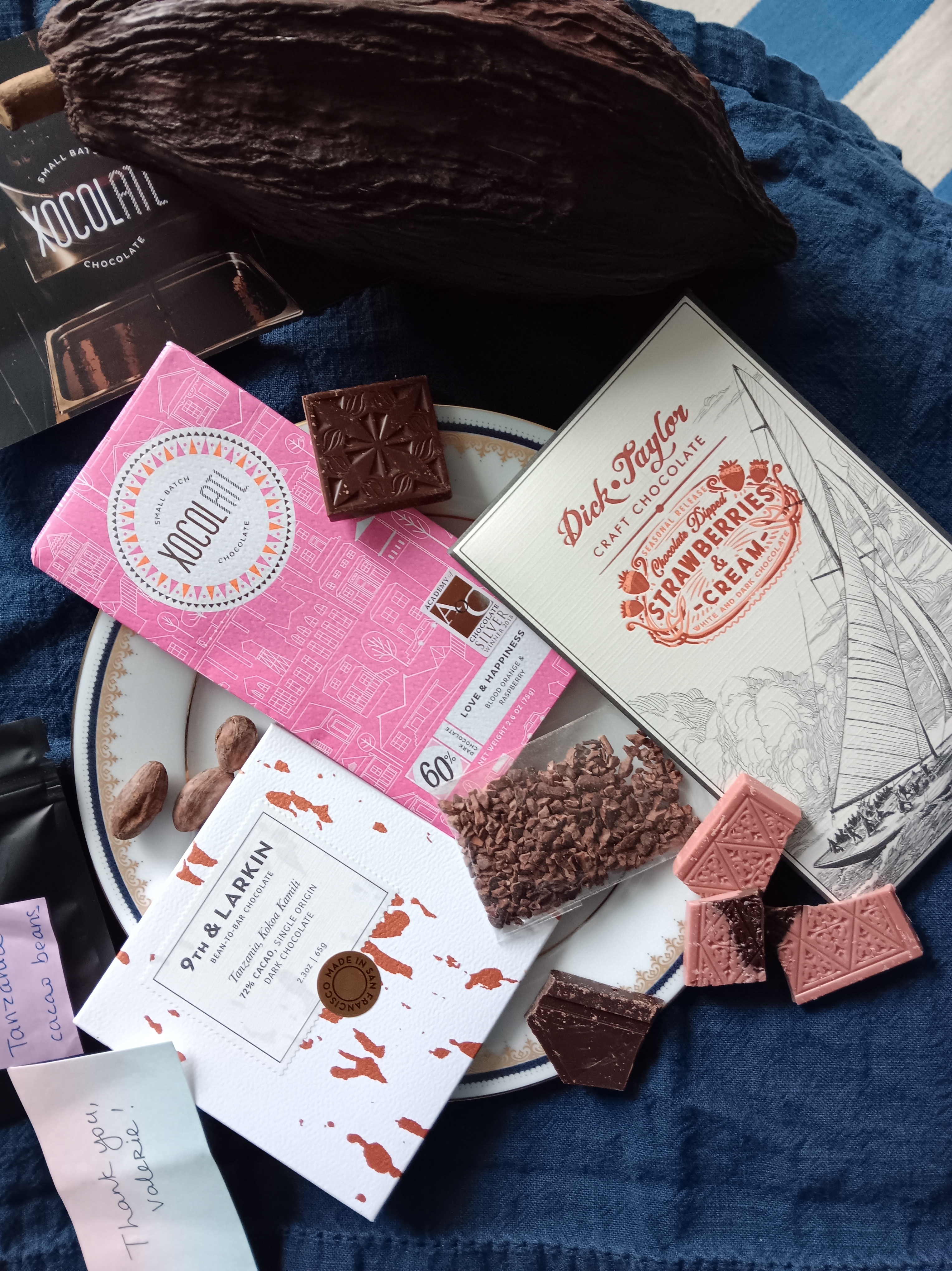
See photo above for the menu, including two made-in-California bars, and here for links to the chocolate makers —
9th & Larkin Chocolate of San Francisco, California: 72% Tanzania Kokoa Kamili and corresponding cocoa bean https://www.9thandlarkin.com/
Xocolatl Chocolate of Atlanta, Georgia: Love & Happiness 60% Peru Pangoa and corresponding cacao nibs https://xocolatlchocolate.com/
Dick Taylor Chocolate of Eureka, California: Chocolate Dipped Strawberries & Cream bar on 72% Belize https://dicktaylorchocolate.com/
— and remember to Look, Sniff, Taste to identify and enjoy craft chocolate that is: slavery-free, soy-free and synthetic additive-free, sustainable and soil-regenerative, small-batch, and scrumptious!
Here I am with Lan Phan of 9th & Larkin Chocolate (front), whose Kokoa Kamili bar we tasted today, plus her husband Brian and Kokoa Kamili Tanzania grower Simran (back, left to right) at the Northwest Chocolate FestivalWith Dustin Taylor, Adam Dick, and Deanna Dick of Dick Taylor Chocolate at the Northwest Chocolate Festival
Here’s to an East Sacramento Rotary Club motto: “We are serious about what we do, but not always serious while doing it.” Onward and upward!
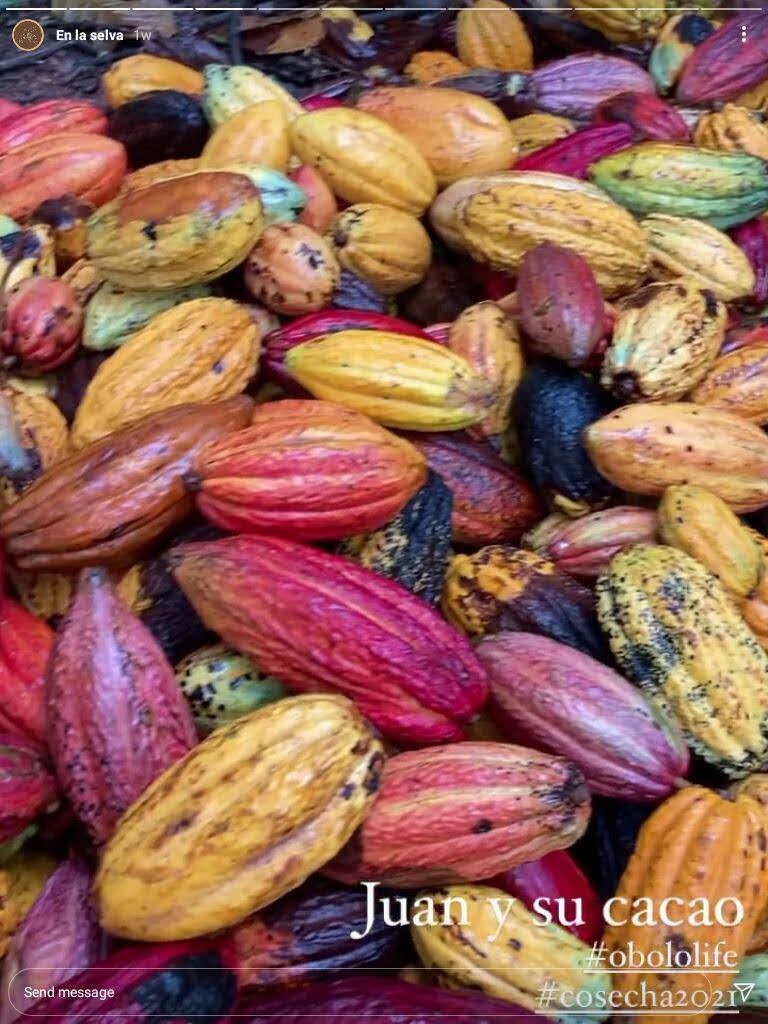
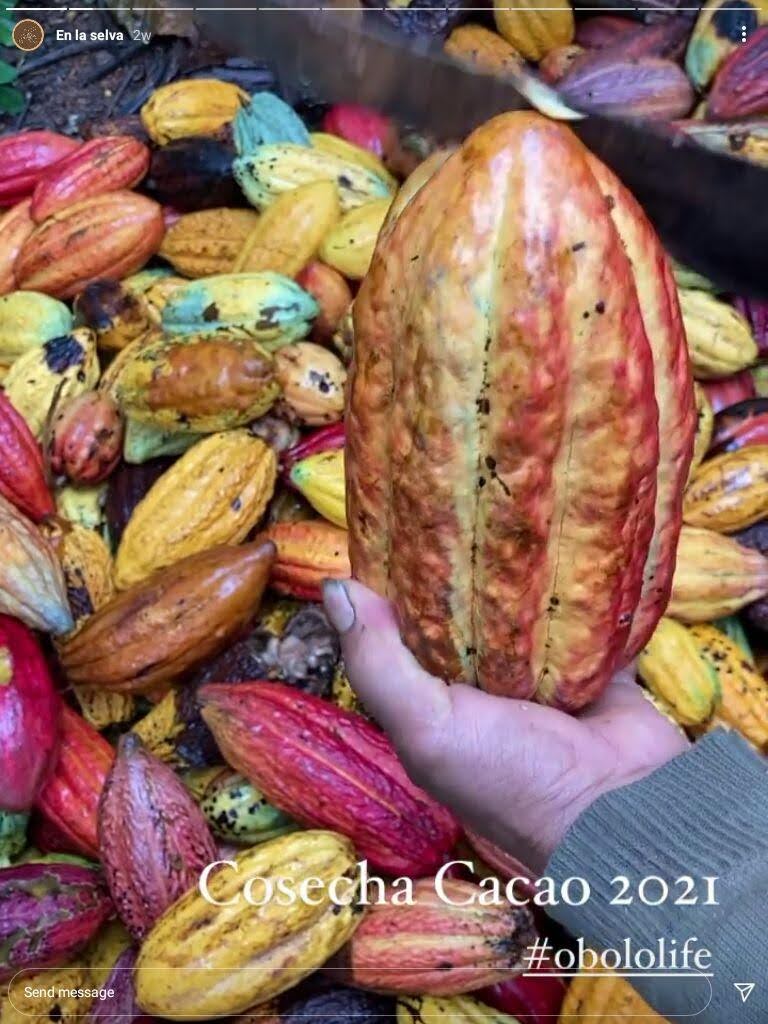
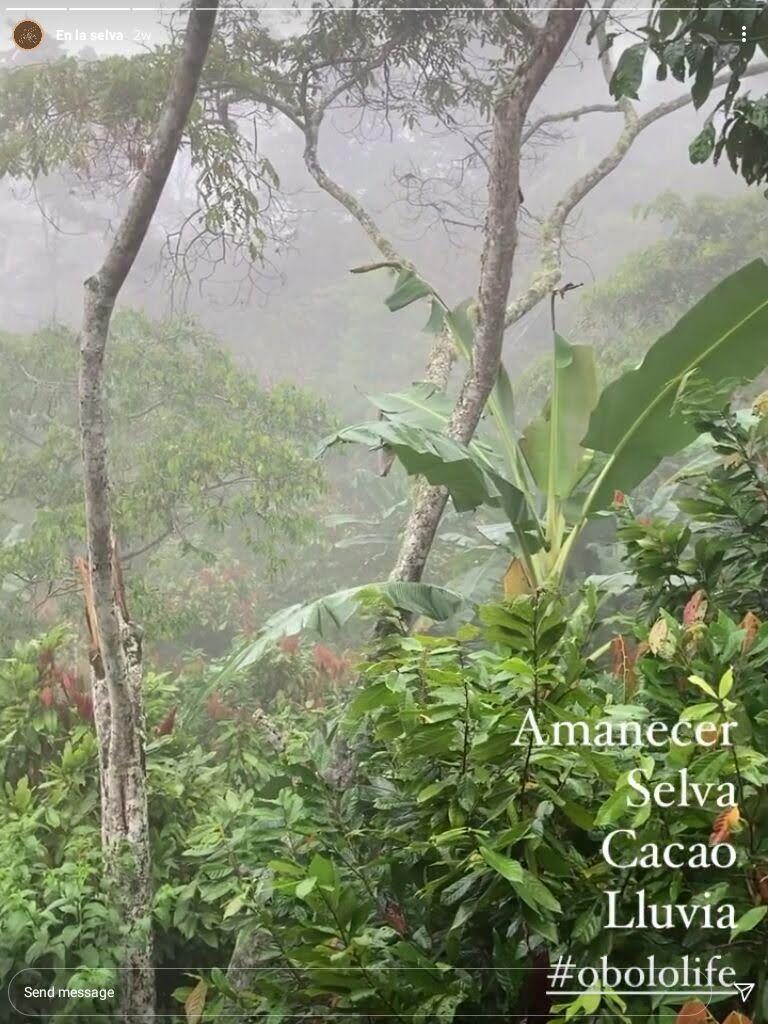
In the rainforest: OBOLO Chocolate visits a Pangoa, Peru, cacao harvest
Hello!
Isn’t it nice to find authenticity? Authentic chocolate, made from authentic cacao, traded authentically, nourishing people and planet.
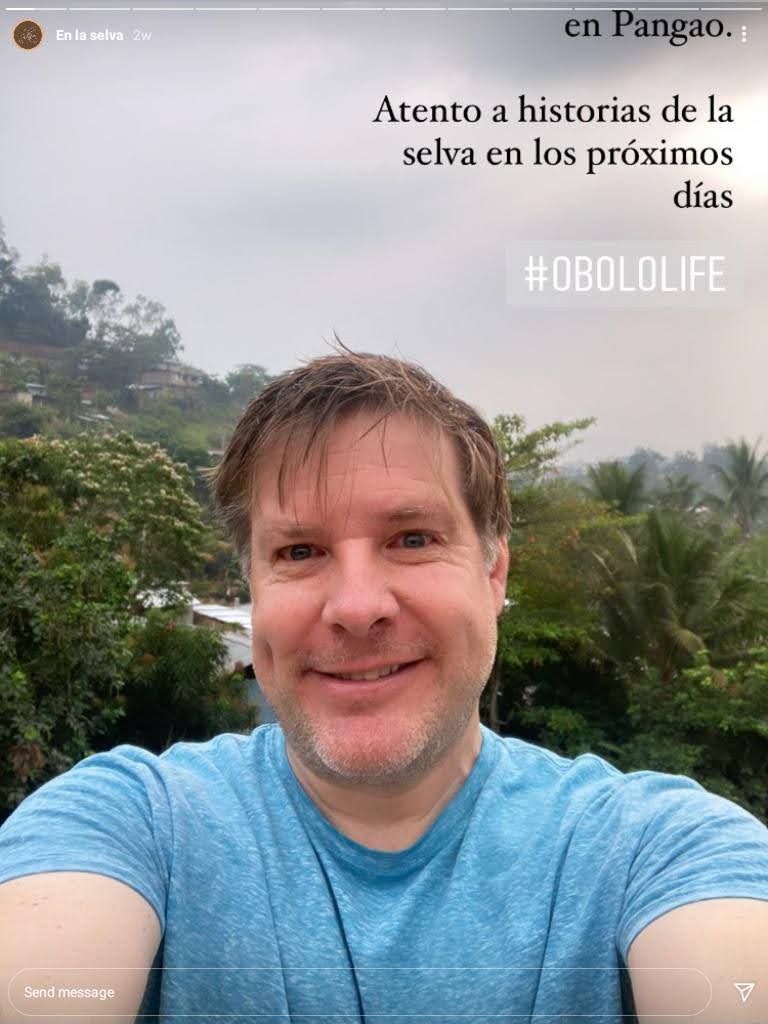
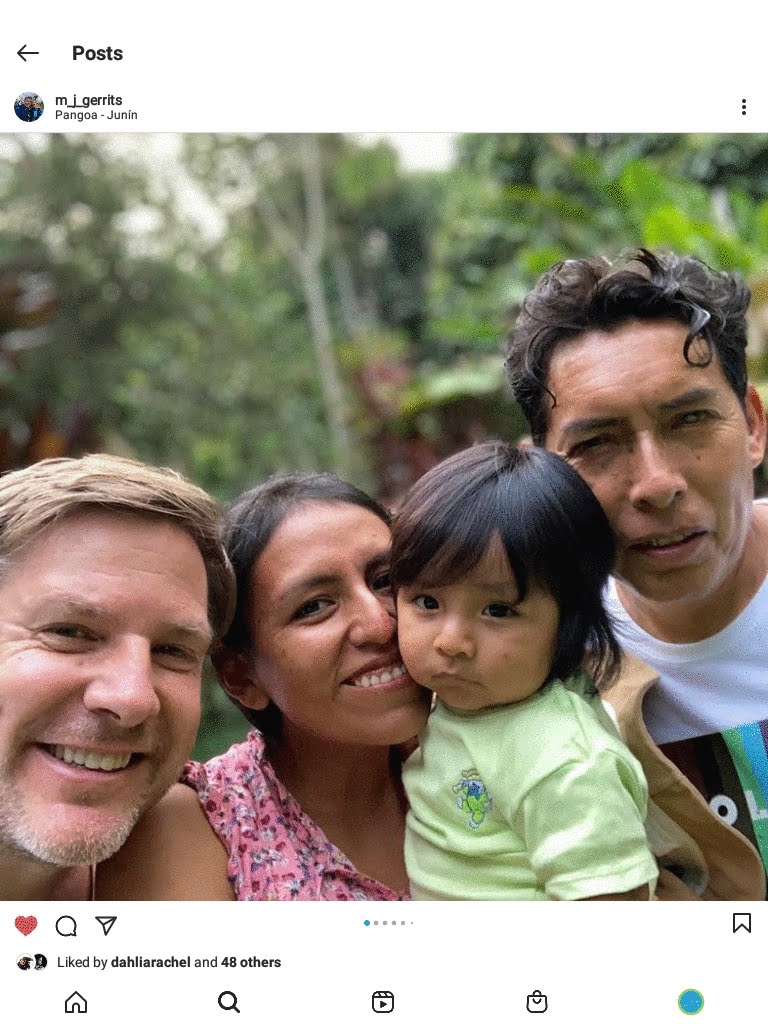
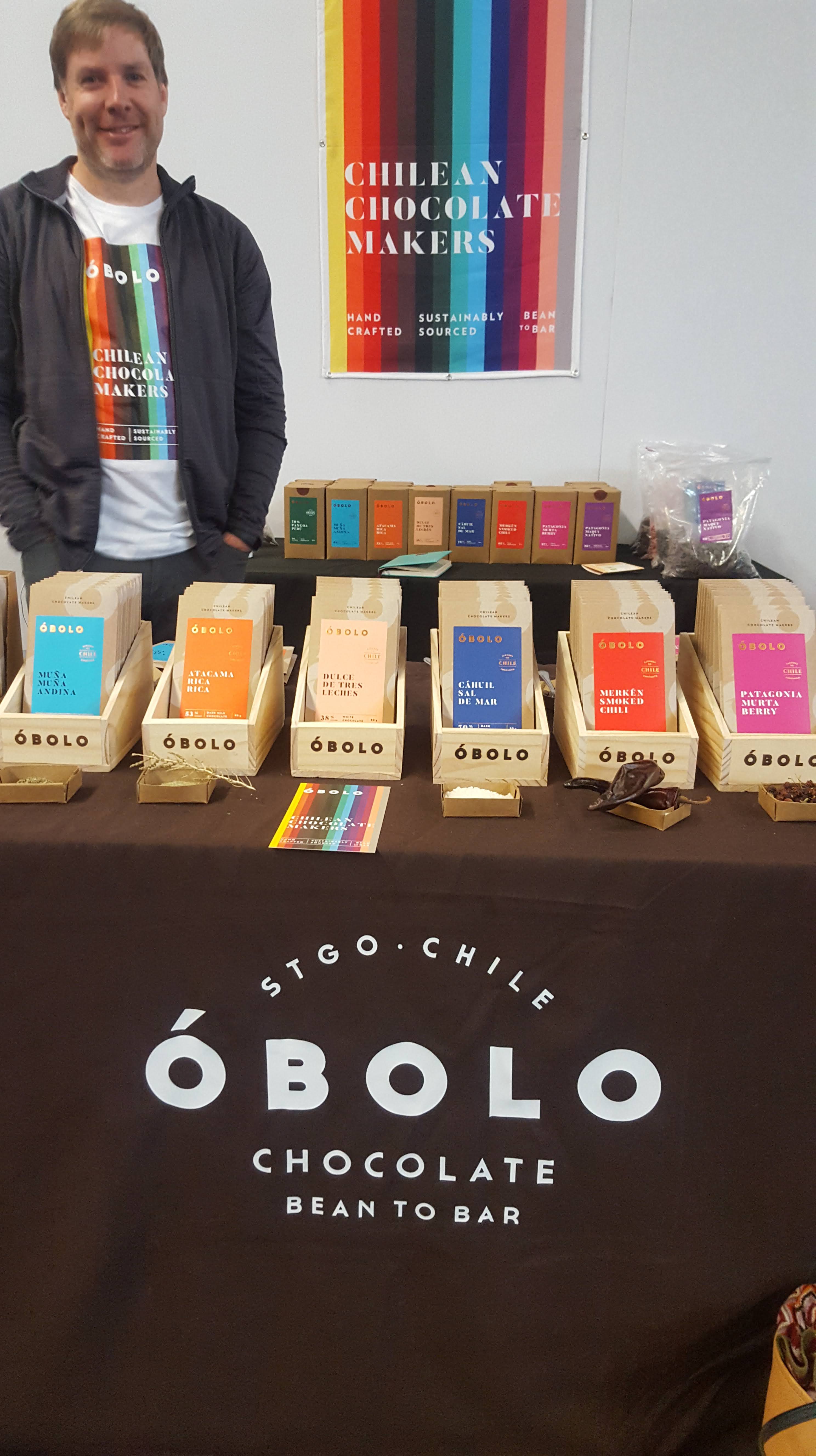
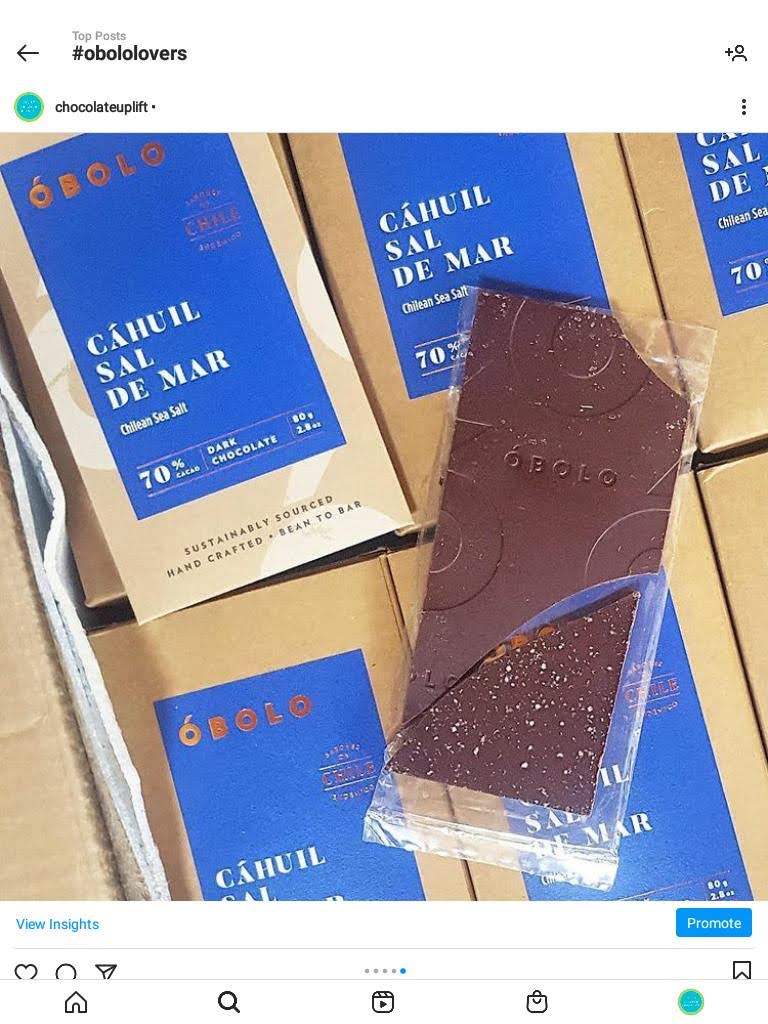
OBOLO Chocolate founder Mark Gerrits is originally from Milwaukee and is a long-time resident of South America, where he has focused on environmentalism and most recently cacao and chocolate. He and his family live in Santiago, Chile, and he visited the Pangoa cacao collective in Peru this summer, which is where he buys the cacao from which he and his team make their award-winning chocolate in Chile. Exciting news: Mark is now the godfather of a new baby born to Pangoa growers!
As a US importer and distributor of awesome OBOLO Chocolate, I video chatted with dear Mark today, and told him how much I enjoyed the photos and videos he posted from his recent trip. He told me he is the first visitor to the Pangoa collective since the current global situation began, and that he believes not only in maintaining and strengthening relationships but also in showing the world that he means what he says: his partnership with Pangoa is authentic; his cacao is truly traceable, and ethical, as it is grown with no child labor and it is organic.
As you may know, all of the brands I work with meet my 5 Ss of first-class bean-to-bar chocolate:
slavery-free
soy-free
sustainable
small-batch
scrumptious!
Mark gave me permission to re-post his Pangoa photos, and you can see more on OBOLO’s Instagram.
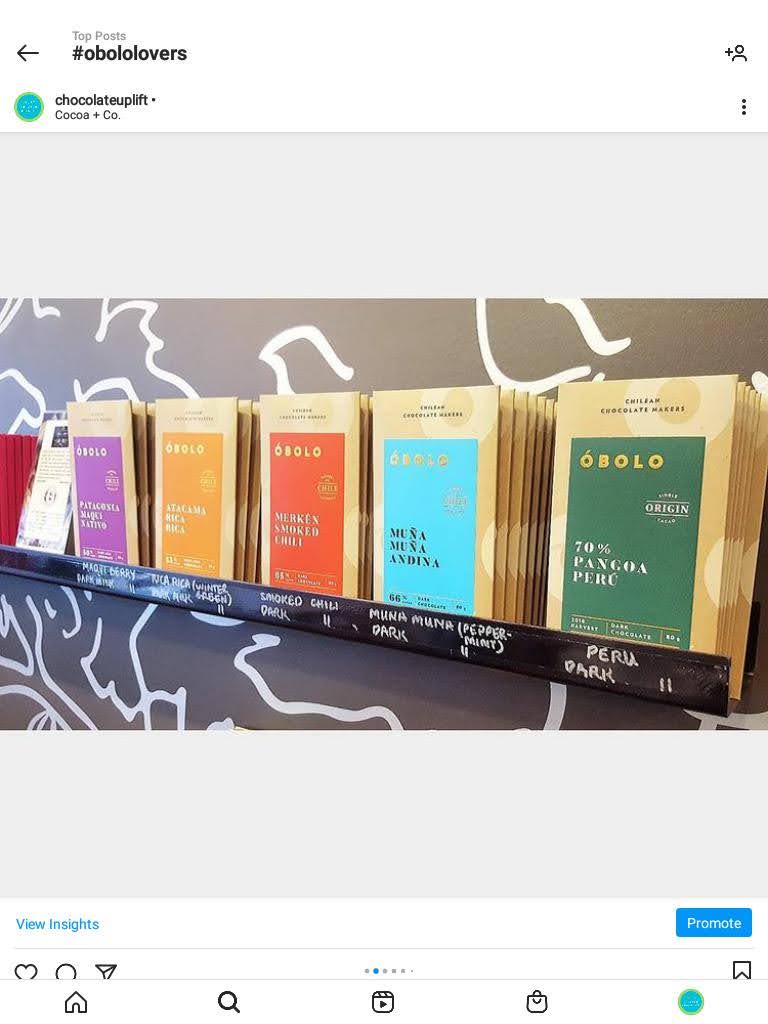
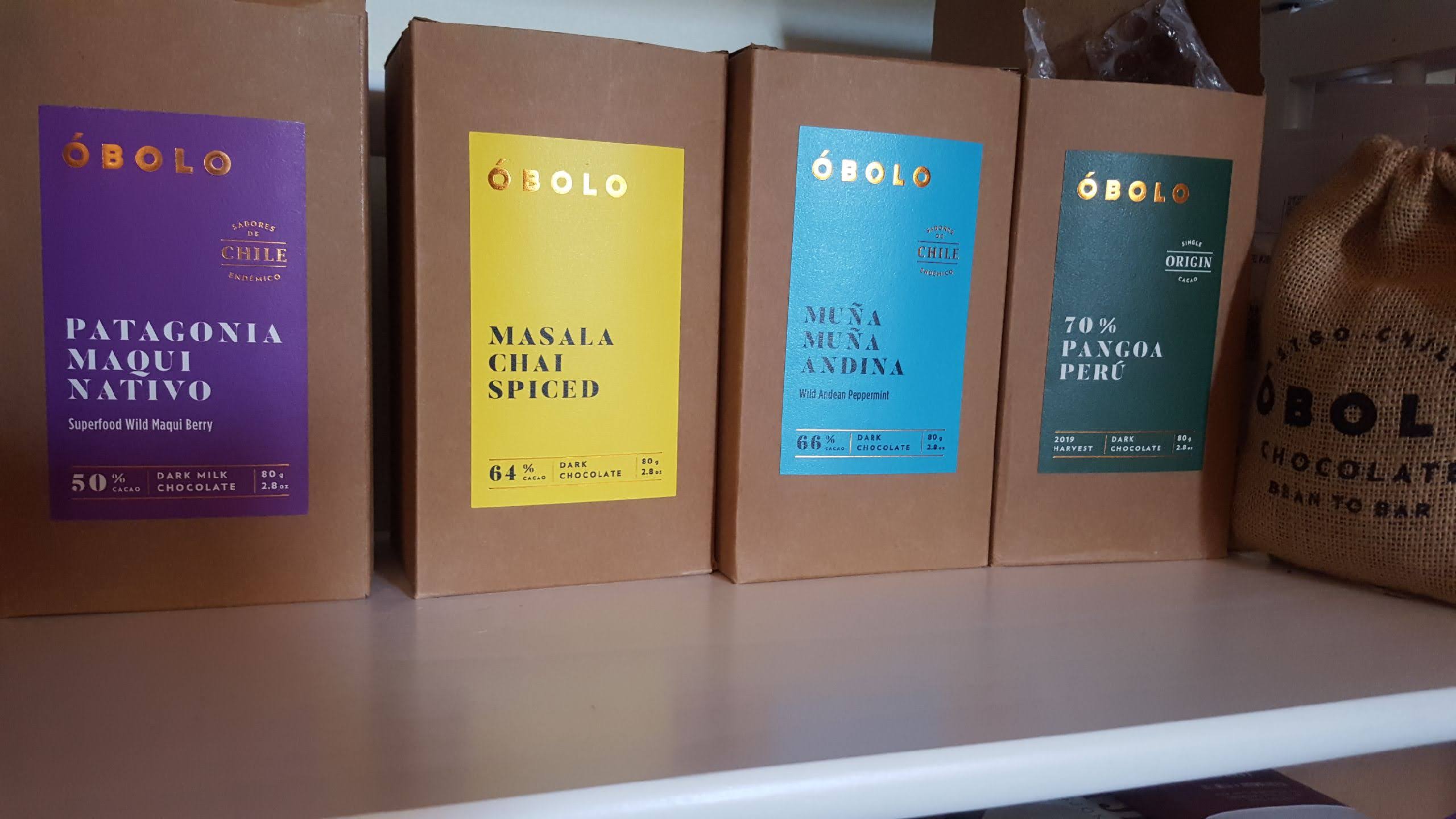
You can purchase selections of OBOLO bars at
Cocoa & Co. in Chicago or online to ship anywhere,
OBOLO Chocolate on the shelves at Cocoa & Co. in Chicago
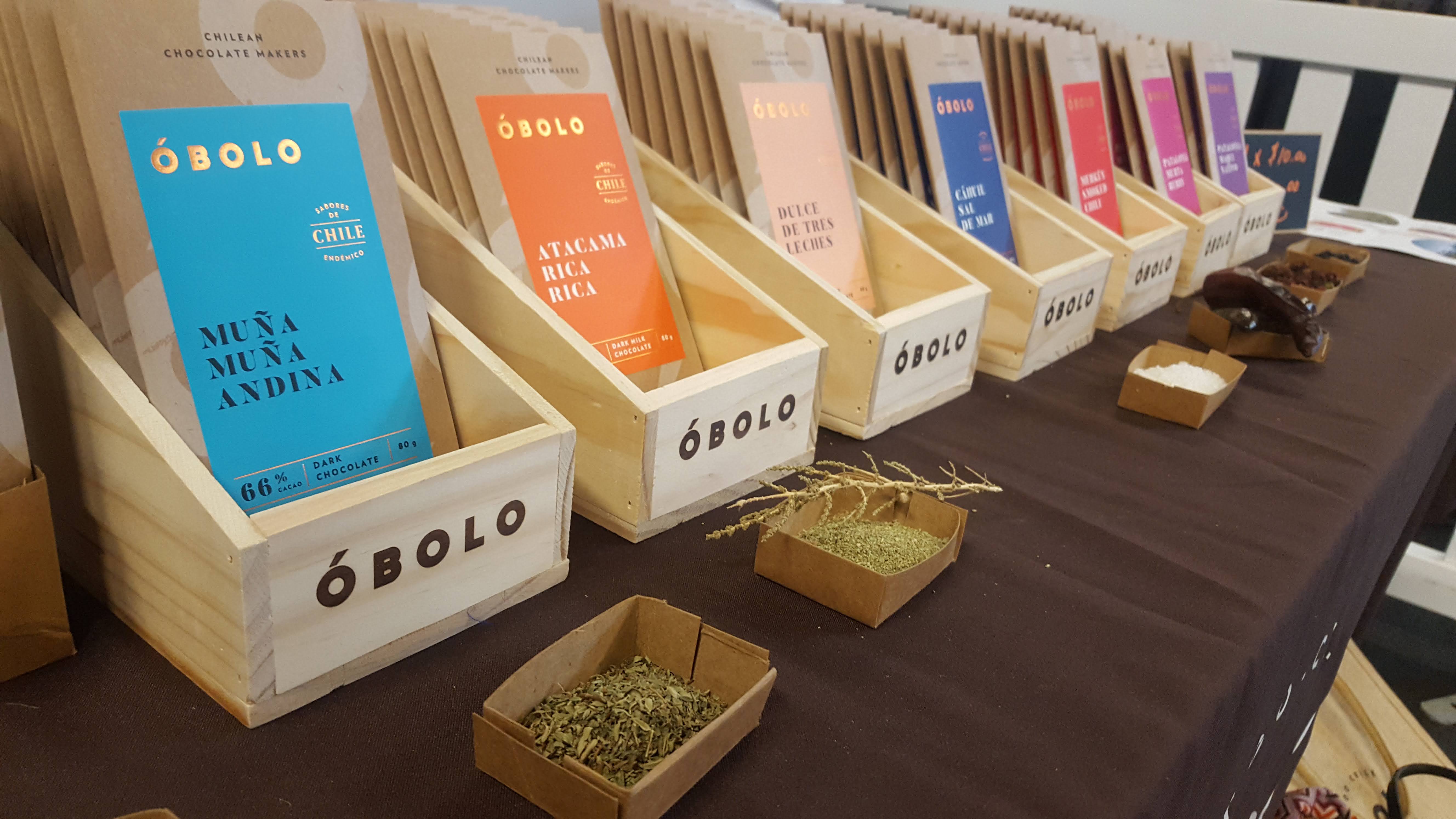
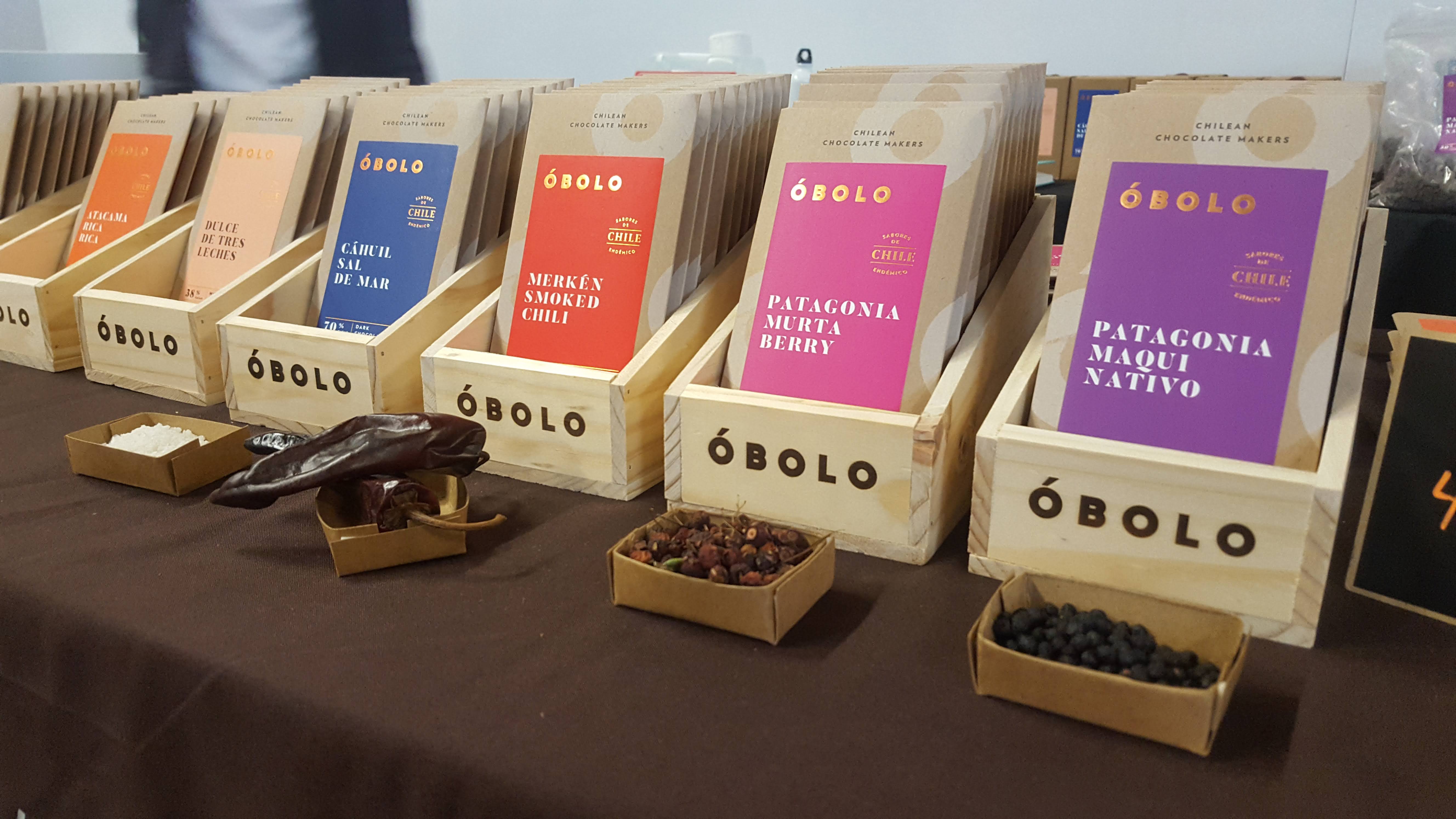
You can also see more about OBOLO in my posts here (including video) and here. And, at the bottom of this post I’m sharing OBOLO-focused photos I took at the Craft Chocolate Experience in San Francisco in March 2020, where I got to spend time with Mark — and so many other chocolate makers and chocolate lovers, plus photos from my own little distribution center and staging area here in sweet home Chicago!
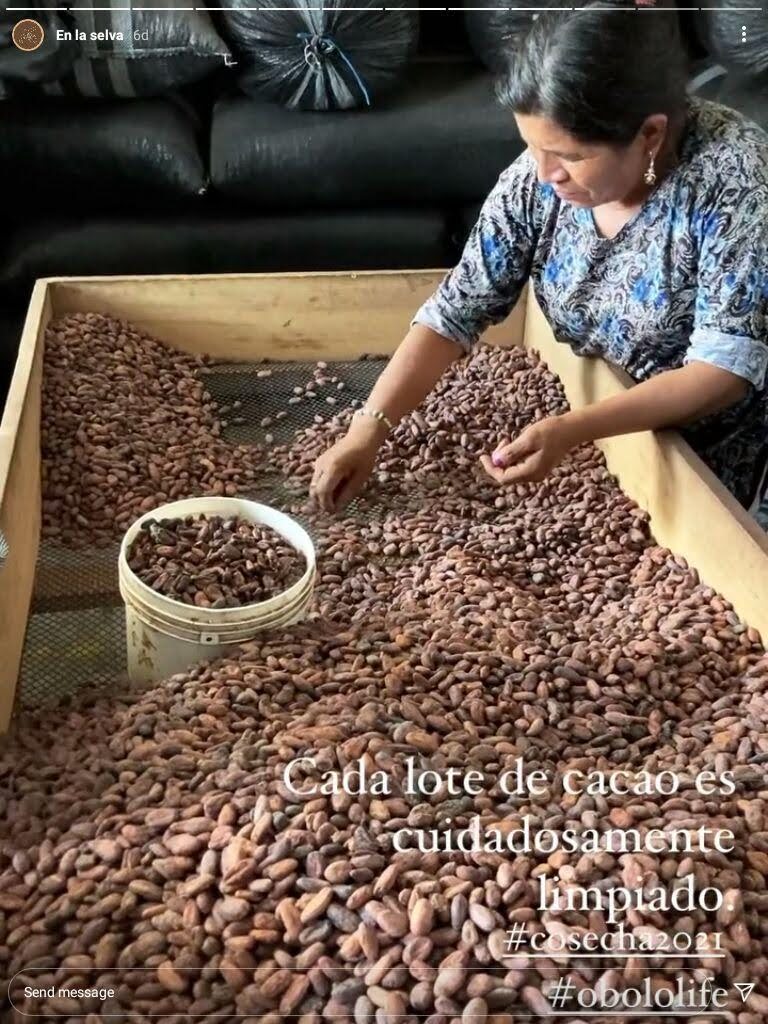
Enjoy this photo-journey to a cacao harvest in Peru, where you’ll see the opening of a cacao pod, and fermenting, drying, and sorting the cacao, and Pangoa families!
Your friend in chocolate,
Valerie
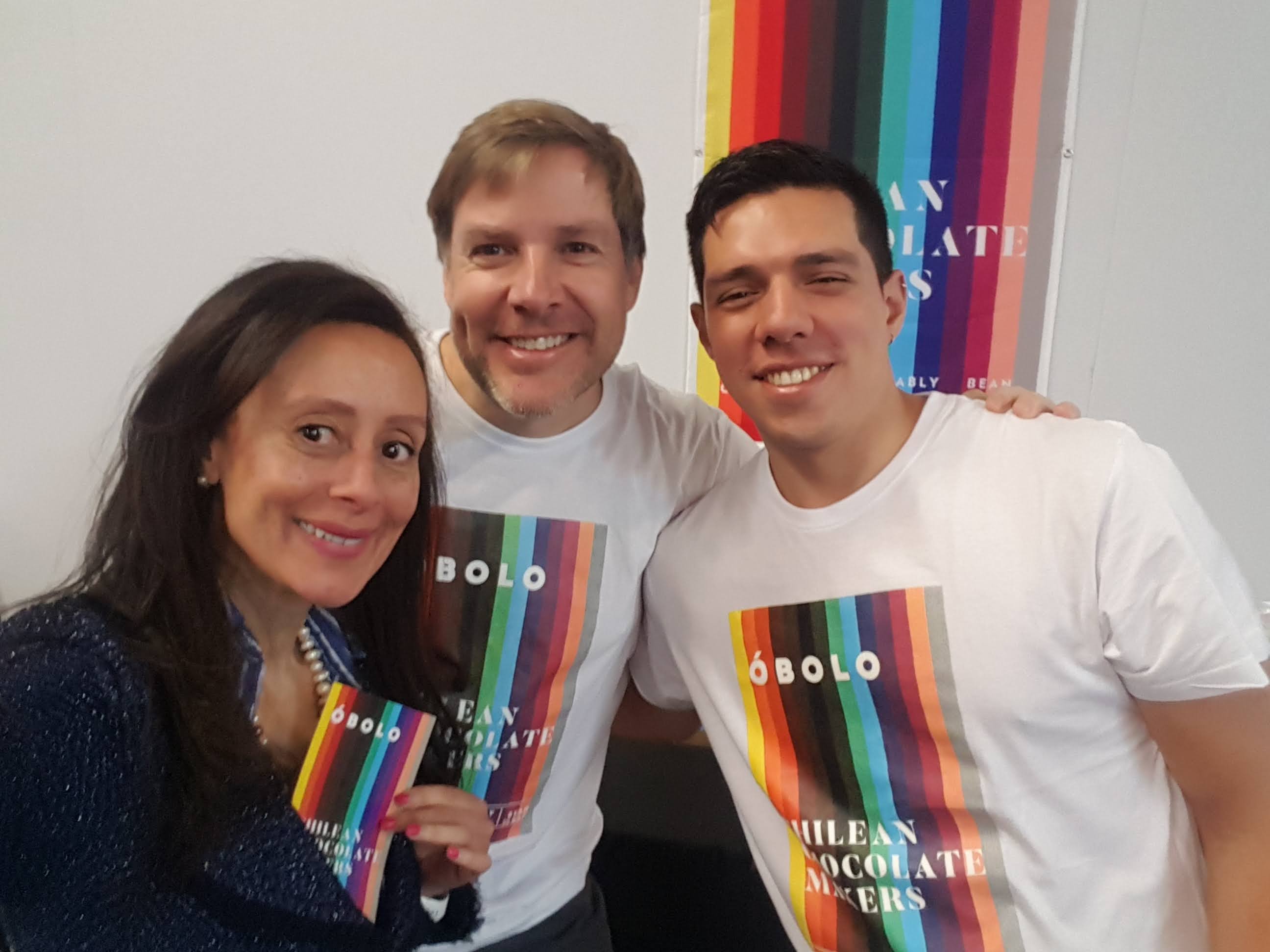
With Mark and team member Brayan at the Craft Chocolate Experience, San Francisco, March 2020
**Update: three wonderful craft chocolate bars made with Caribbean cacao, by 9th & Larkin Chocolate, Crow & Moss Chocolate, and Sirene Chocolate, are in the April 2020 issue of Luckbox Magazine in a clever piece on rum, chocolate, and cigar combinations, along with chocolate tasting notes by yours truly; click for the digital edition and see pp. 36 – 38! Thank you LuckboxMag and TastyTrade! **
Yes, they all meet my 5 Ss of first-class craft chocolate in that they are:
slavery-free
soy-free and additive-free
sustainable
small-batch and
scrumptious!
In addition, they are all made from cacao grown in the Caribbean!
When you think of food and drink of the Caribbean, maybe you think of excellent rum, cane sugar, jerk chicken. Cacao and chocolate also have important and delicious roots in Caribbean soil.
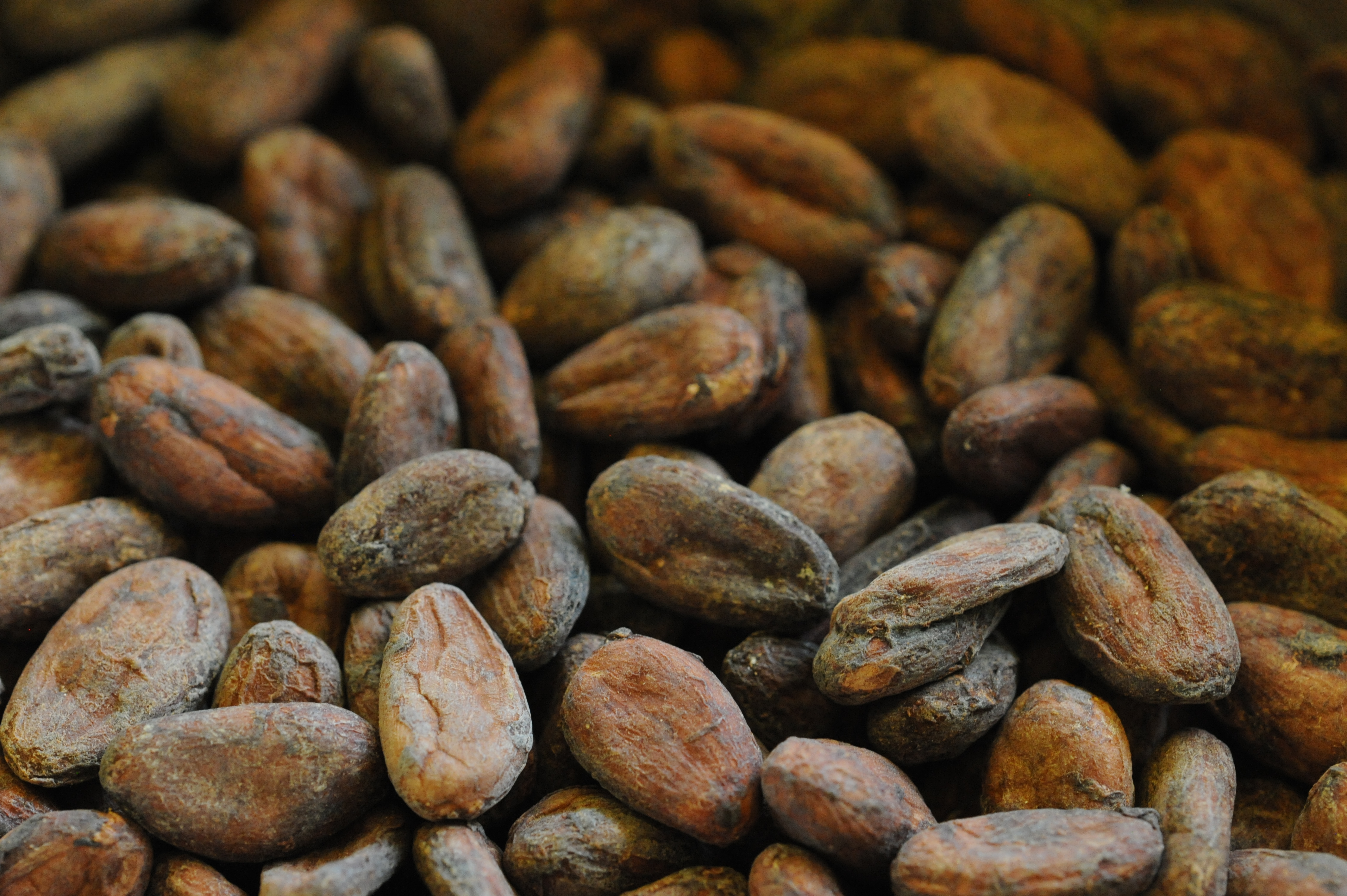
Cacao from Guatemala…
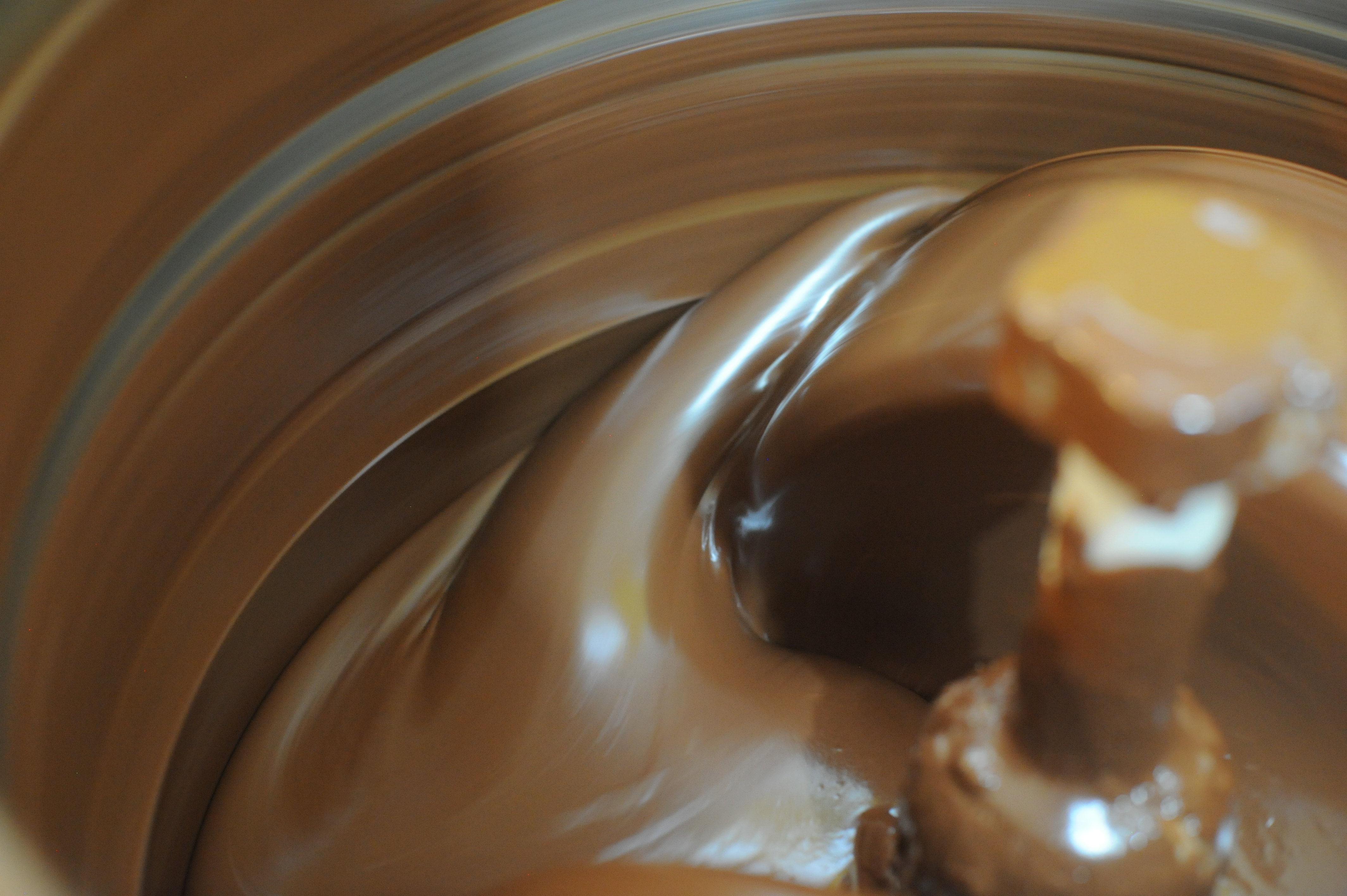
…in a small-batch grinder for 72 hours, to become chocolate.
The Caribbean islands became a major part of the cacao industry in the 1500s, after European colonizers brought cacao from native lands in South America to the islands for cultivation and export to Europe. Spain controlled most of the trans-Atlantic cacao trade from South America, so by growing cacao in the Caribbean, the English — and Dutch pirates — were able to compete. Slave labor was often used, and when slavery was abolished in Puerto Rico in 1873, profits went down, and commercial cacao-growing in the Caribbean became less important to Europe, especially as West African farms were being exploited and people there were finding themselves slave laborers.
Today, 2.1 million children work on cacao farms in Cote d’Ivoire, most in slavery or hazardous conditions, generally without schooling and often away from their family homes, so that we can have cheap chocolate in the west. The big brands are complicit, as articles and more articles reveal.
Good news: the rise of artisanal bean-to-bar chocolate made from ethical, traceable, single-origin cacao, provides a new opportunity for growing cacao in the Caribbean, in a way that supports people and planet.
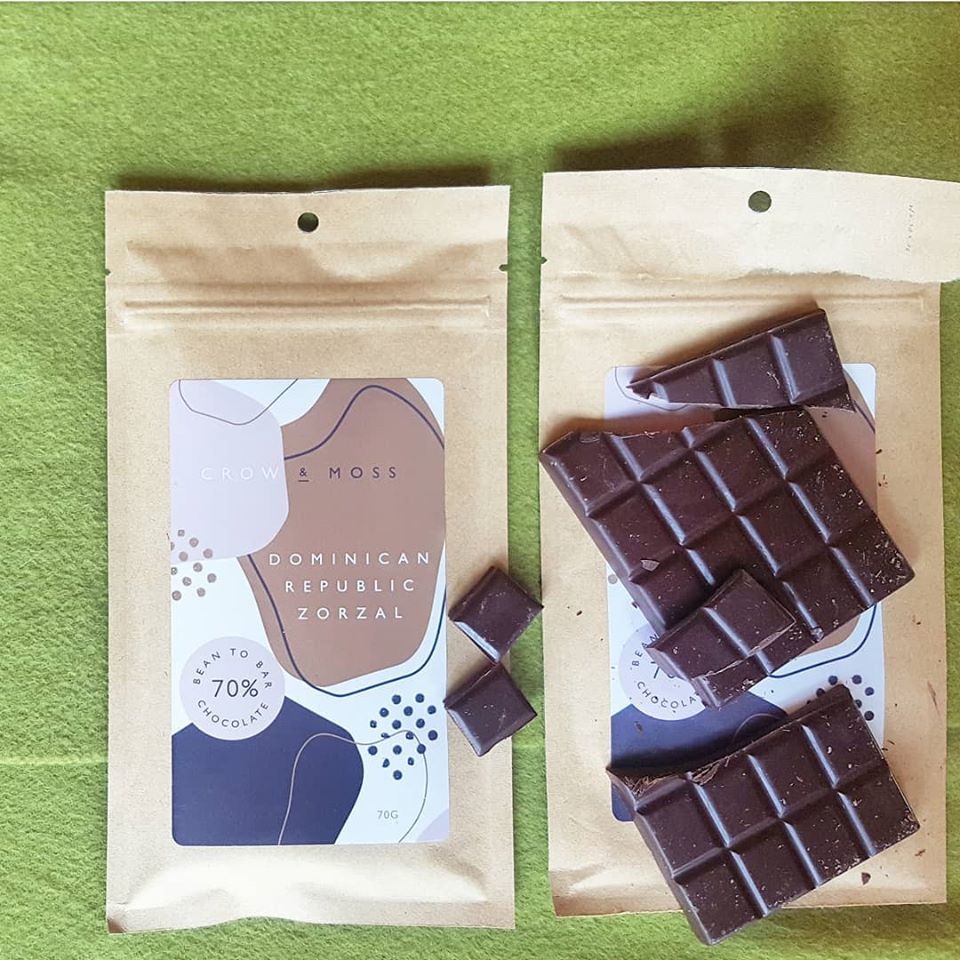
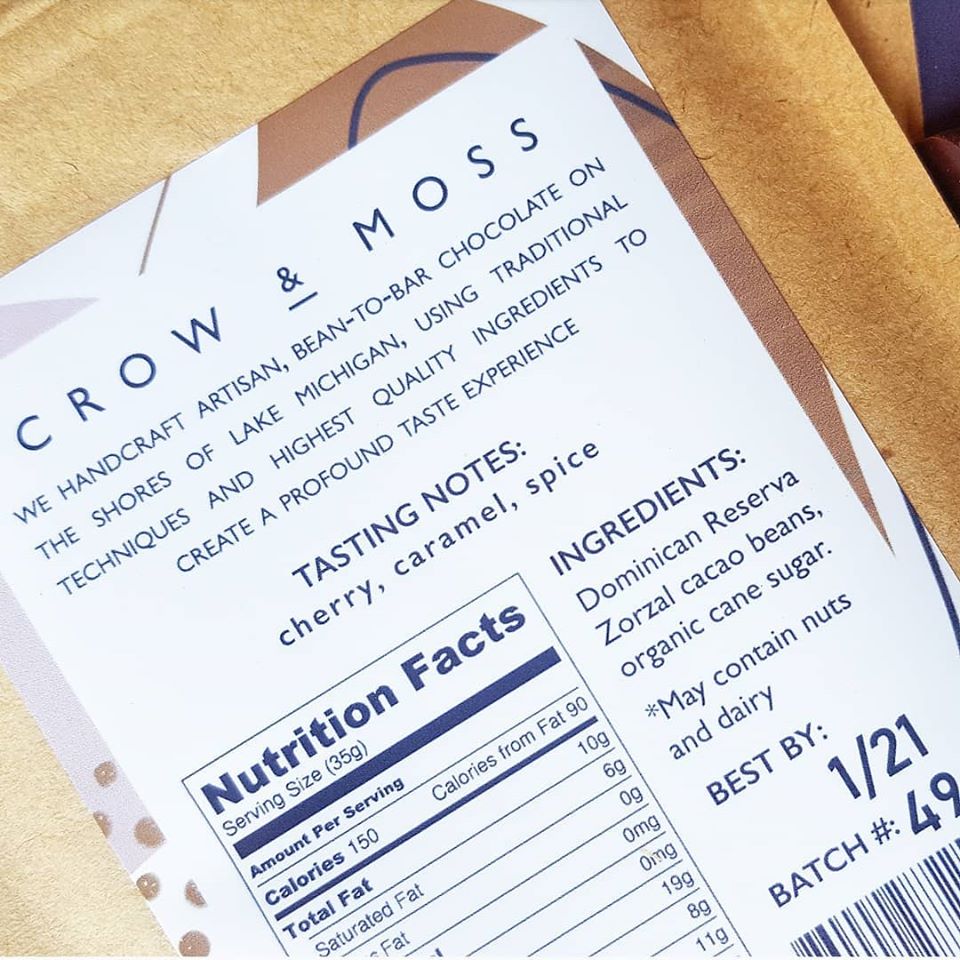
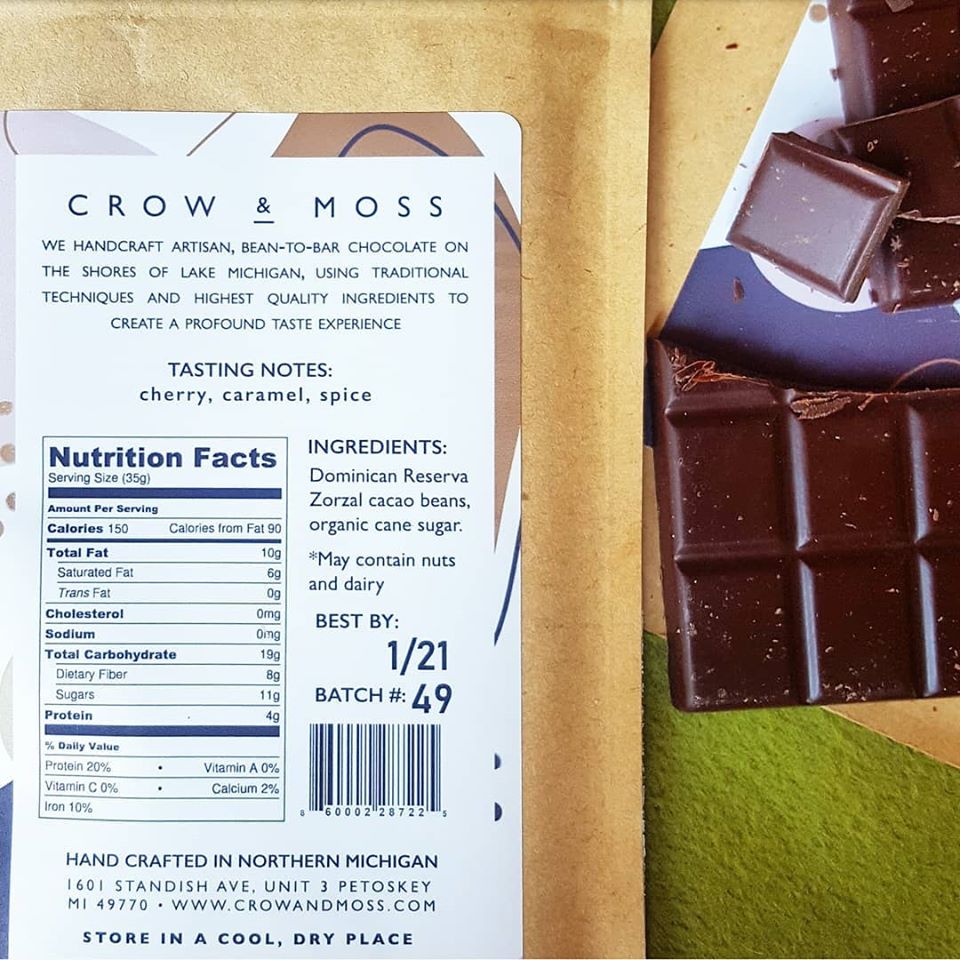
For example, Reserva Zorzal in the Dominican Republic is a sustainable cacao farm plus bird sanctuary, where plants and animals live in a mutually beneficial ecosystem. The cacao is grown for quality, not quantity, and you can taste this in a chocolate bar like the one made by Crow & Moss Chocolate of Northern Michigan. The chocolate bar contains just 2 ingredients: cacao and sugar — all you need to make chocolate! My tasting notes:
Deep notes of cherry, caramel, and cinnamon, opening into earthy fudginess, and coming up to conclude on a lightly grape-meets-fennel finish. Long finish. Some complexity, yet relatively straightforward, with clarity, without muddiness. True to the bean. No bitterness. Ultimately interesting, balanced, accessible.
Those flavors are all from the cacao, and from how Mike Davies, founder of Crow & Moss and a professional baker and hobby farmer, roasts and grinds the cacao into chocolate in his 2,000 square foot manufactory.
Tasting the Caribbean through chocolate is exciting, and let me know if you’d like to travel with me to the source, as I am talking with Zorzal founder Chuck Kerchner, a PhD in forestry, about special upscale agri-tours to his cacao estate in the Dominican Republic.
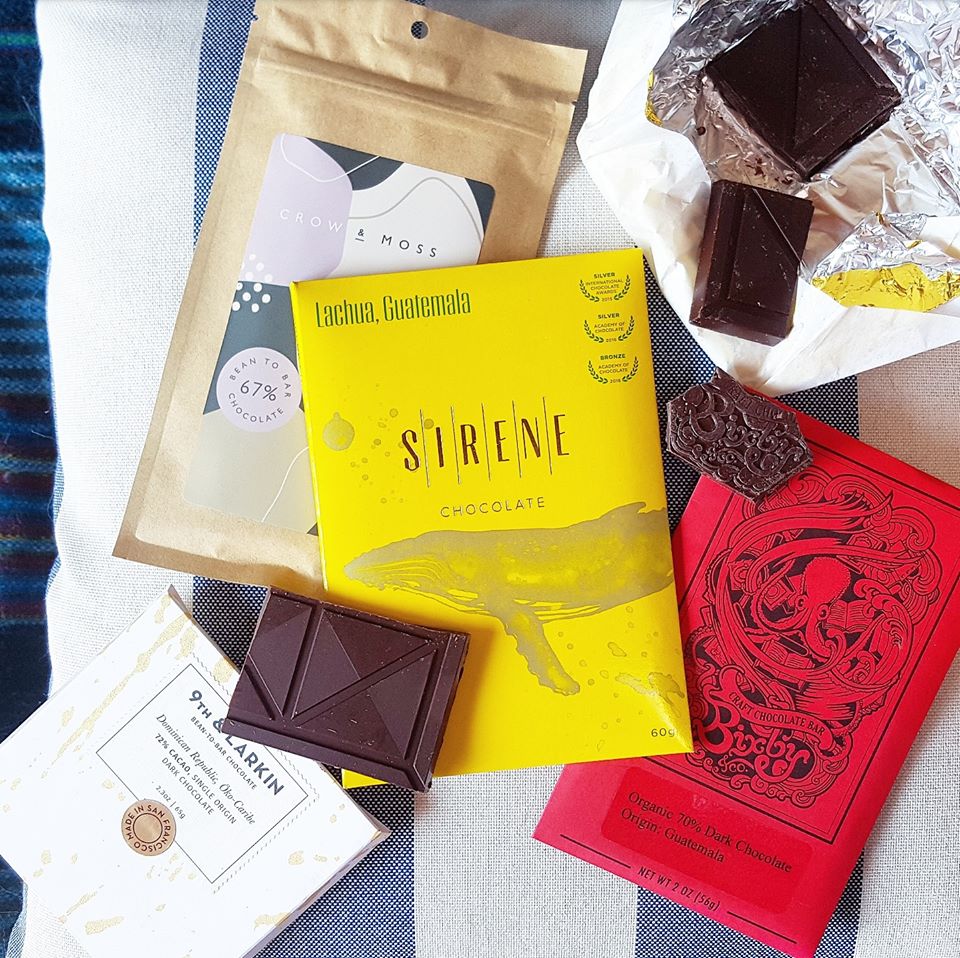
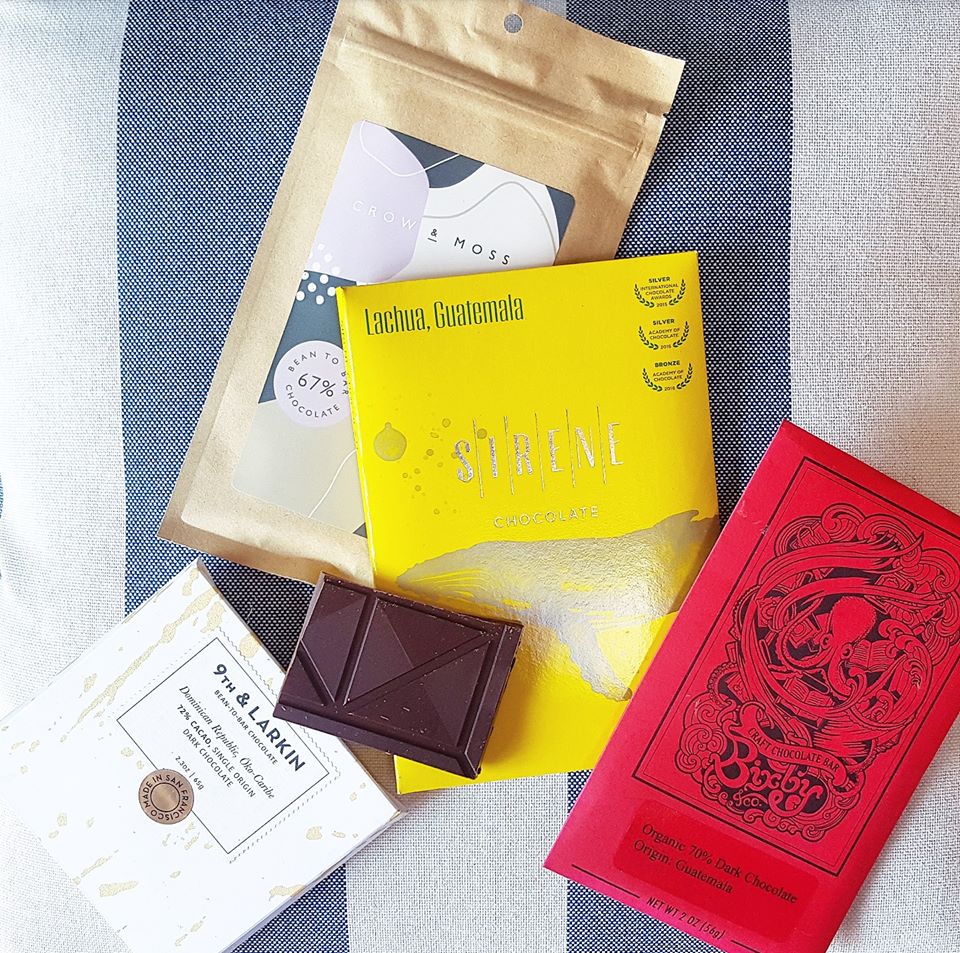
My brief tasting notes on these bars: *Crow & Moss Chocolate, Zorzal Dominican Republic 70% — fruity, rich, complex, fudgey. *Sirene Chocolate, Lachua Guatemala 73% — fruit notes open to herbal, gentle spice, and caramel notes; a very sophisticated bar. *Bixby Chocolate, Guatemala 70% — grape and raisin notes, deep, solid feel. *9th & Larkin, Dominican Republic Oko-Caribe 72% — bright notes, subtle, precision-focused.
In the meantime, you can find selections of the four brands featured here at stores like these:
9th & Larkin — The Grail Cafe, Totto’s Market
Bixby Chocolate — Beacon Hill Chocolates, Honeycreeper Chocolate, Rare Bird Preserves, Spilt Milk Pastry, Yahara Chocolate
Crow & Moss Chocolate — The Grail Cafe, Totto’s Market
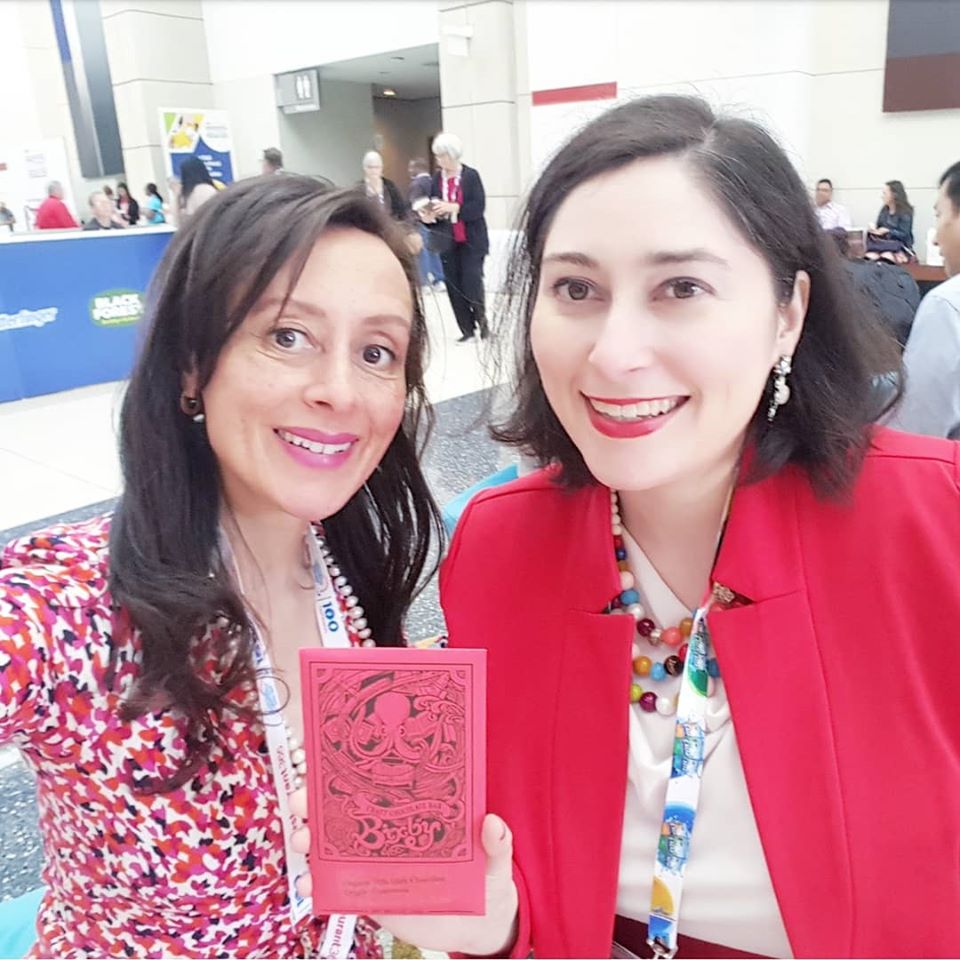
Here I am (left) with Chef Kate McAleer of Bixby Chocolate, at last year’s Sweets and Snacks Expo in Chicago. My dress just happens to match the brand. Kate matches on purpose.
Valerie Beck
Founder/CEO Chocolate Uplift
Craft Chocolate Brokering, Consulting, Distribution
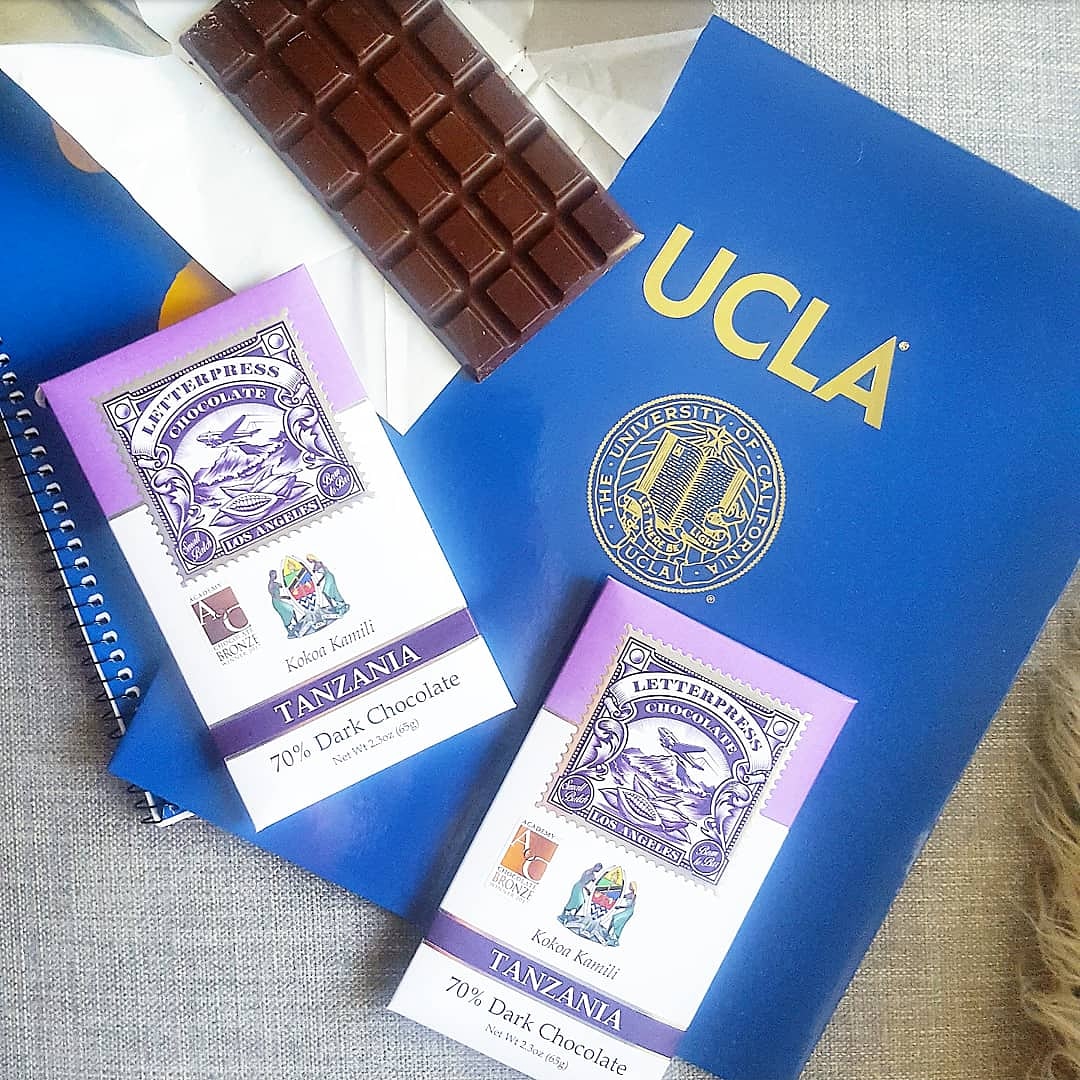
I’m commuting between Los Angeles and Chicago this winter, to teach a class at UCLA Extension on International Business Law, to promote craft chocolate like local LA small-batch wonder Letterpress Chocolate, and to thaw out from Chicago winters!
I don’t drive, and LA is a very car-focused city as you know, so this adds a layer of adventure!
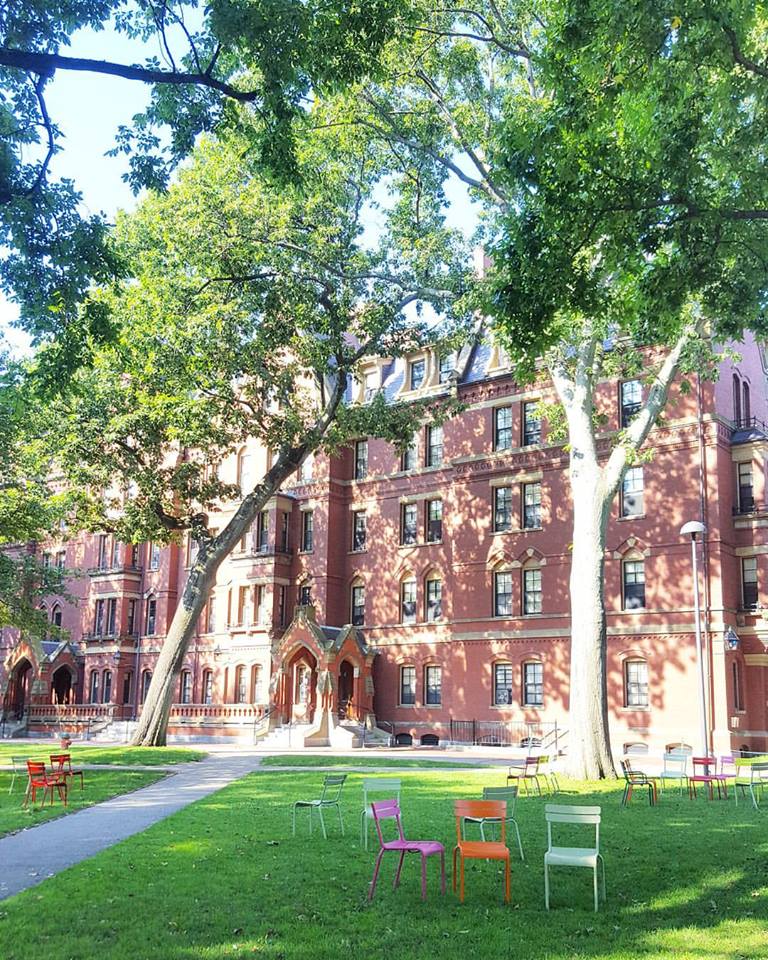
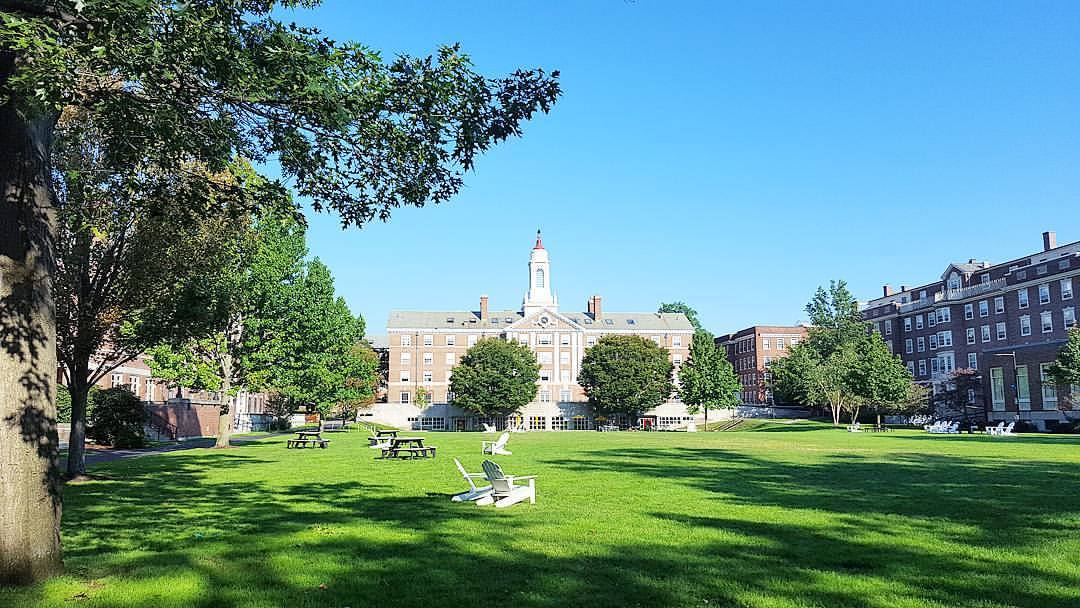
Time travel: “It is the time you have wasted for your rose that makes your rose so important.” #antoinedesaintexupery I’m enjoying stepping back in time in Harvard Yard, where I – and so many before me and after me – spent so much time, and moving forward in time with the relatively new colorful chairs sprinkled about, which encourage people to linger in the Yard and take their time! Of course, we used to sit on the Widener Library steps for community time, and on the Henry Moore sculpture outside Lamont Library, sometimes while eating chocolate, naturally. Such time was very important indeed! #HarvardAutumn2017
What a happy visit to home sweet Harvard, plus Boston and Cambridge sweet spots!
Itinerary:
give a talk at my alma mater Harvard Law School – on alternative careers for lawyers – and connect with students,
scout awesome chocolate nearby,
chat with great local retailers, including some we used to visit on my chocolate tours in Boston,
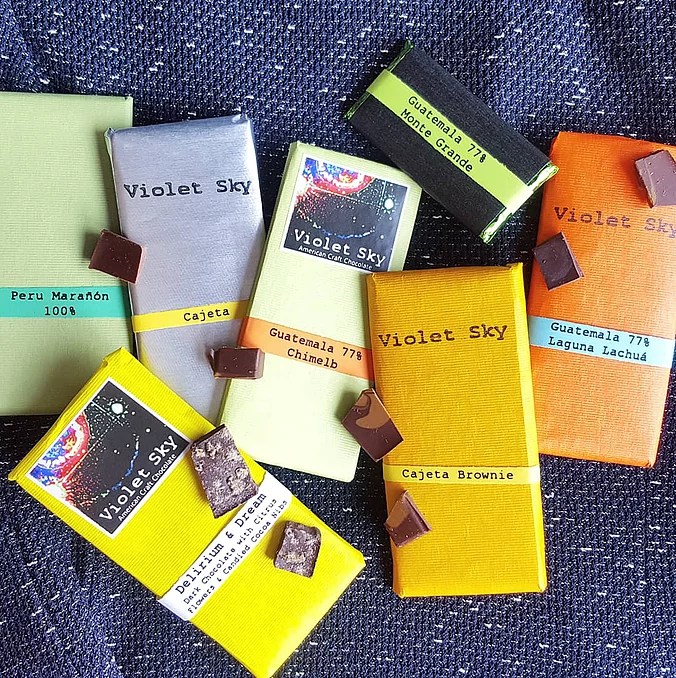
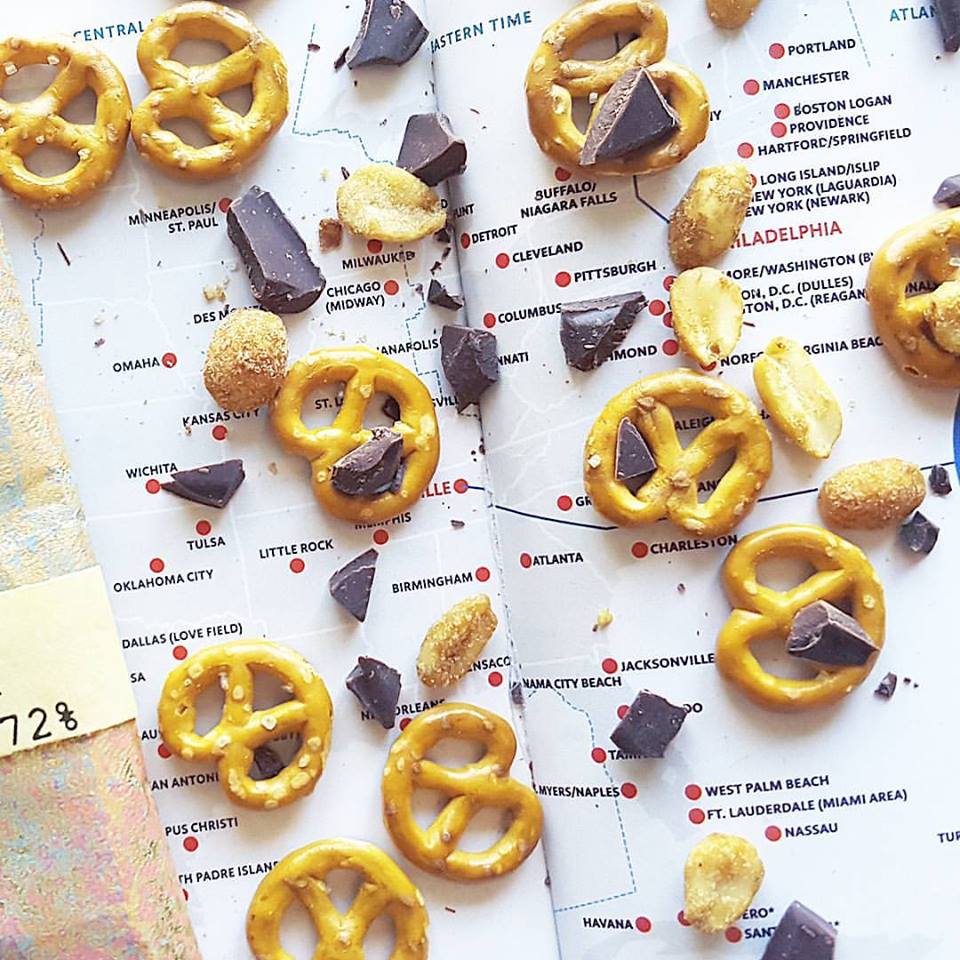
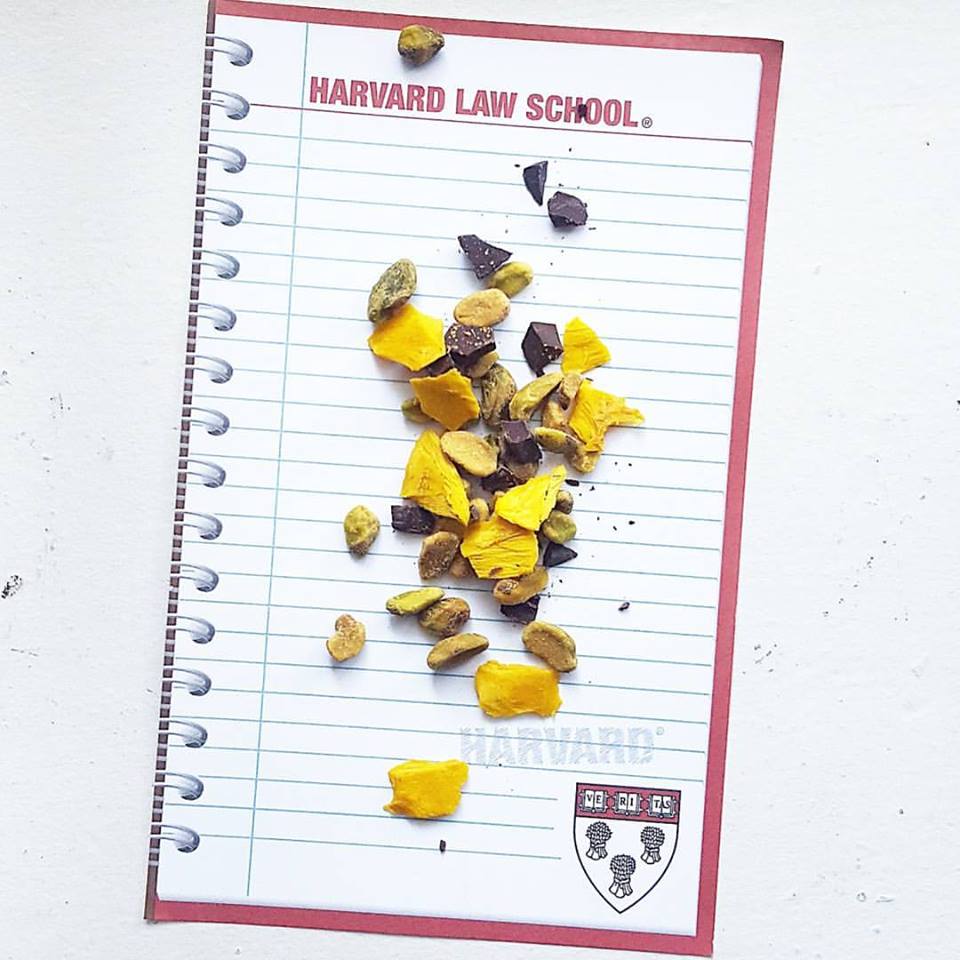
“Truth never damages a cause that is just.” #Gandhi In the air with Violet Sky Chocolate: this is the lovely brandy barrel aged Monte Grande Guatemala 72% chocolate, from cacao aged in a honey brandy barrel before being refined into chocolate, which I pulled from my bag to make in-flight trail mix! Here’s to truthful, transparent chocolate!
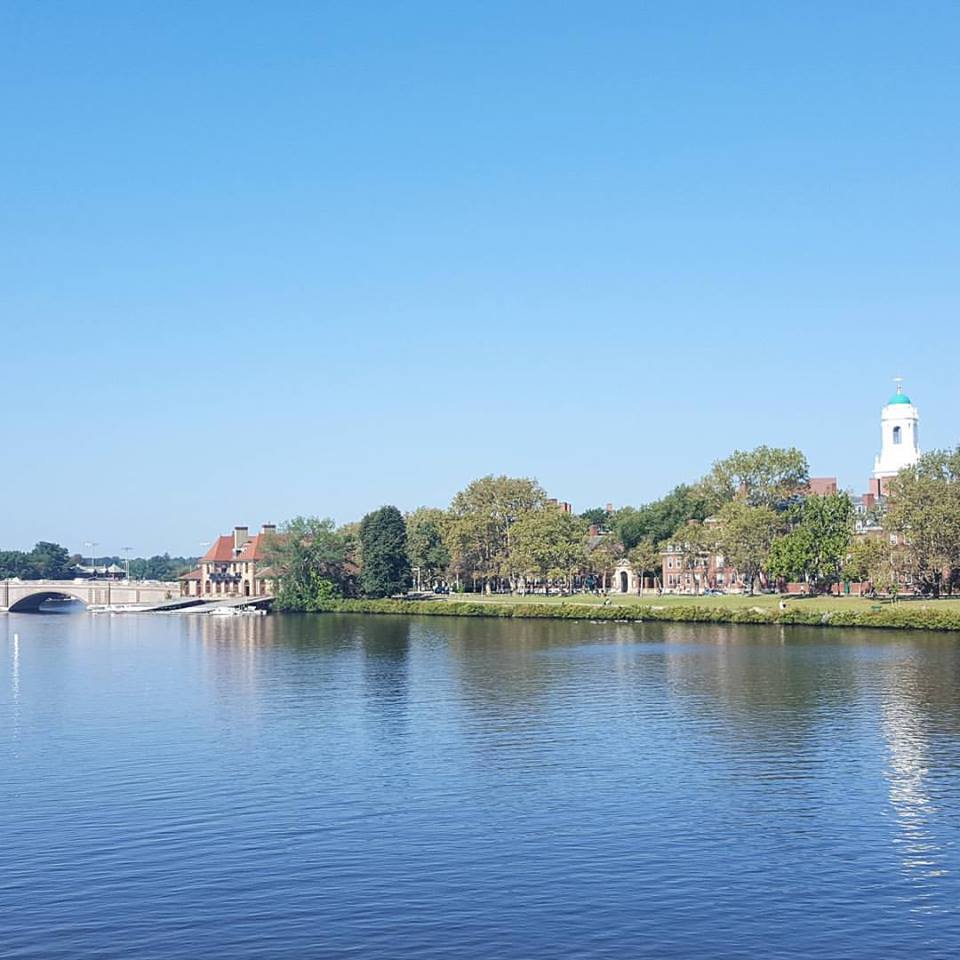
Happy landing at home sweet Harvard, my undergrad and law school alma mater!
Chocolate scouting…
… at Tatte Bakery in Harvard Square …
… across from Widener Library, one of many favorite Harvard spots where I spent a lot of time back when!
Aztec revivalism: Mexican hot chocolate at L.A.Burdick’s in Harvard Sq, an old favorite sip at an old favorite cafe!
New and old: thoroughly exquisute Castronovo Chocolate at #cardullos, a super special #harvardsquare shop I’ve been visiting since freshman year when I would buy the chocolate bars that were available then! What a treat to connect with the new owner of this classic shop, over new chocolate, an ancient delicacy! And yes I took off my scarf and took this picture; standard operating procedure! : )
Brunch recap, at amazing #aldenandharlow in #harvardsquare: loved this fabulous, inventive, and warm cinnamon roll, with berries, pistachios, and white chocolate – plus the cleverly named “ubiquitous kale salad” which was creatively freshened with creamy pistachio dressing, and all the other delicious not-shown food we ate! – while catching up with a very dear friend from college! The restaurant is in the same location as beloved former Casablanca cafe, next to the Brattle Theater which still shows classic and independent films on its single screen; so much fun to go back to school and to old places and old-spaces-turned-new!
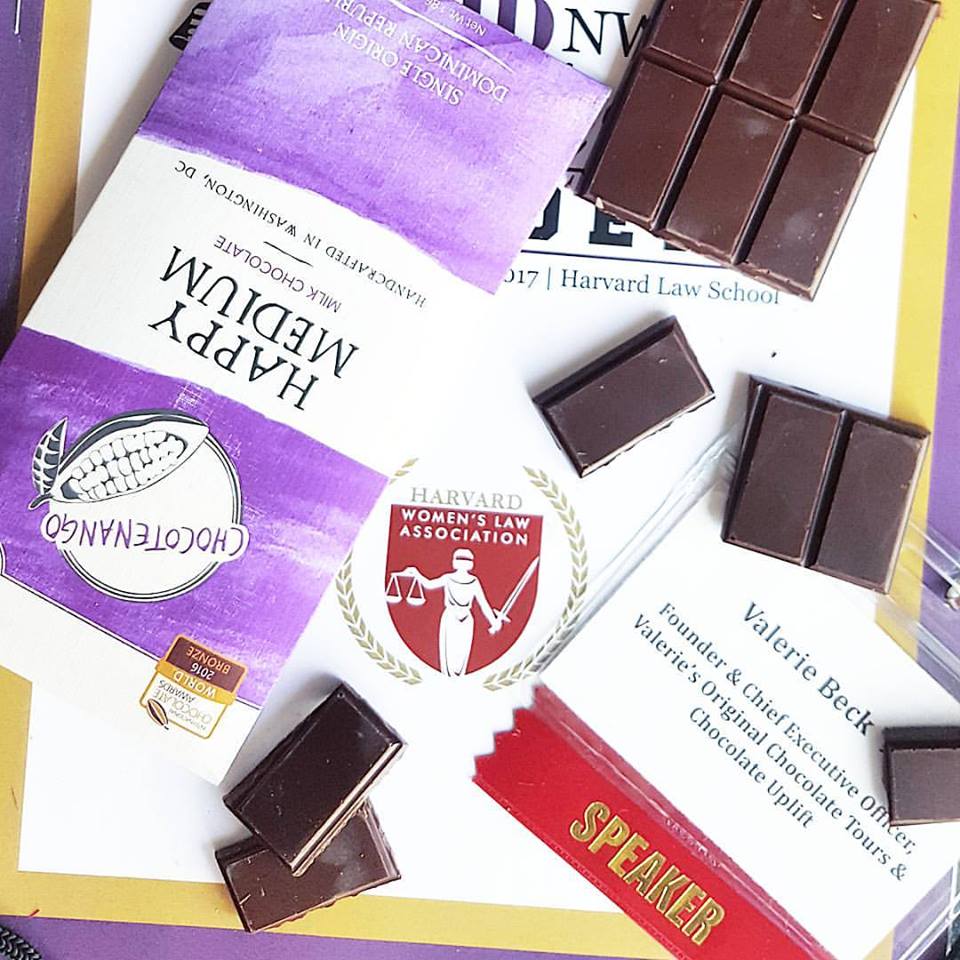
Sweet talk: what a treat to speak to students at my alma mater #harvardlawschool on alternative careers for lawyers, at a leadership conference organized by the Harvard Women’s Law Association and Ms. JD! 🏛 My message to these high-achieving super-professional students: follow your passions and goals, not someone else’s. And if your passion is BigLaw, have a back-up passion, because today only 19% of equity partners are women, and they are paid 80% of what the men receive. ⁉️ Entrepreneurship is an exciting alternative, and has been a meaningful and delicious one for me! It was fun and an honor to share war stories from my law firm days, and origin stories of my original chocolate tours business, to chat afterward with such wonderful and thoughtful students about what is on their minds, and to share Chocotenango chocolate bars which were enormously popular!
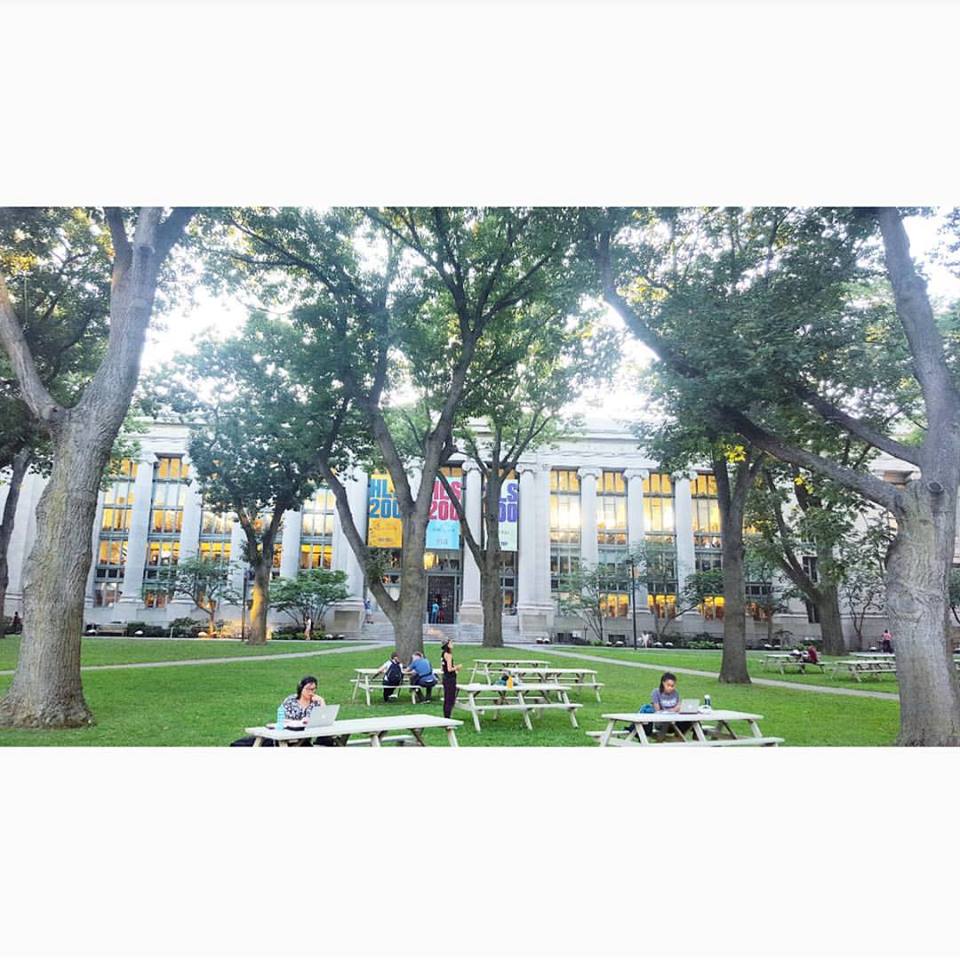
Harvard Law School – love the addition of picnic tables for community and outdoor studying
Taza Chocolate factory tour – from bean to bar!
Scrumptious Taza souvenir – not shown: all my many other scrumptious Taza souvenirs!
Some of the smaller stone grinders at Taza Chocolate in Somerville, outside of Boston, home of stone-ground sustainable slavery-free soy-free chocolate!
Chocolate love at Taza HQ
Macaron Cafe now available at Gourmet Boutique in Boston, former chocolate tour stop
Chequessett Chocolate available at Beacon Hill Chocolates, down the hill from where I lived during law school
Chocolate scouting in Boston’s Copley Square; chocolate tour guests used to pose on the steps of the Boston Public Library in between chocolate stops!
“Live in each season as it passes; breathe the air, drink the drink, taste the fruit, and resign yourself to the influence of the earth.” #Thoreau I’ve passed every season here, multiple times, and it’s always fresh to be back, to be forward! #HarvardAutumn2017
I always travel with homemade chocolate trail mix – glamour mix!
“Write it on your heart that every day is the best day in the year.” #Emerson And every night! From home sweet Harvard, back to sweet home Chicago!
What would you say to delicious bean-to-bar chocolate made from gentle cacao grown on the lush yet historically impoverished Caribbean nation of Haiti, where cacao farmers are working to raise their families and communities out of poverty?
Fund the new Haitian Chocolate Project kickstarter campaign, launching Thursday, January 28, 2016, and you’re funding new fermentation boxes to make this good cacao better, and to further farmers’ abilities to lift their families and communities out of poverty by getting their cacao to the US market.
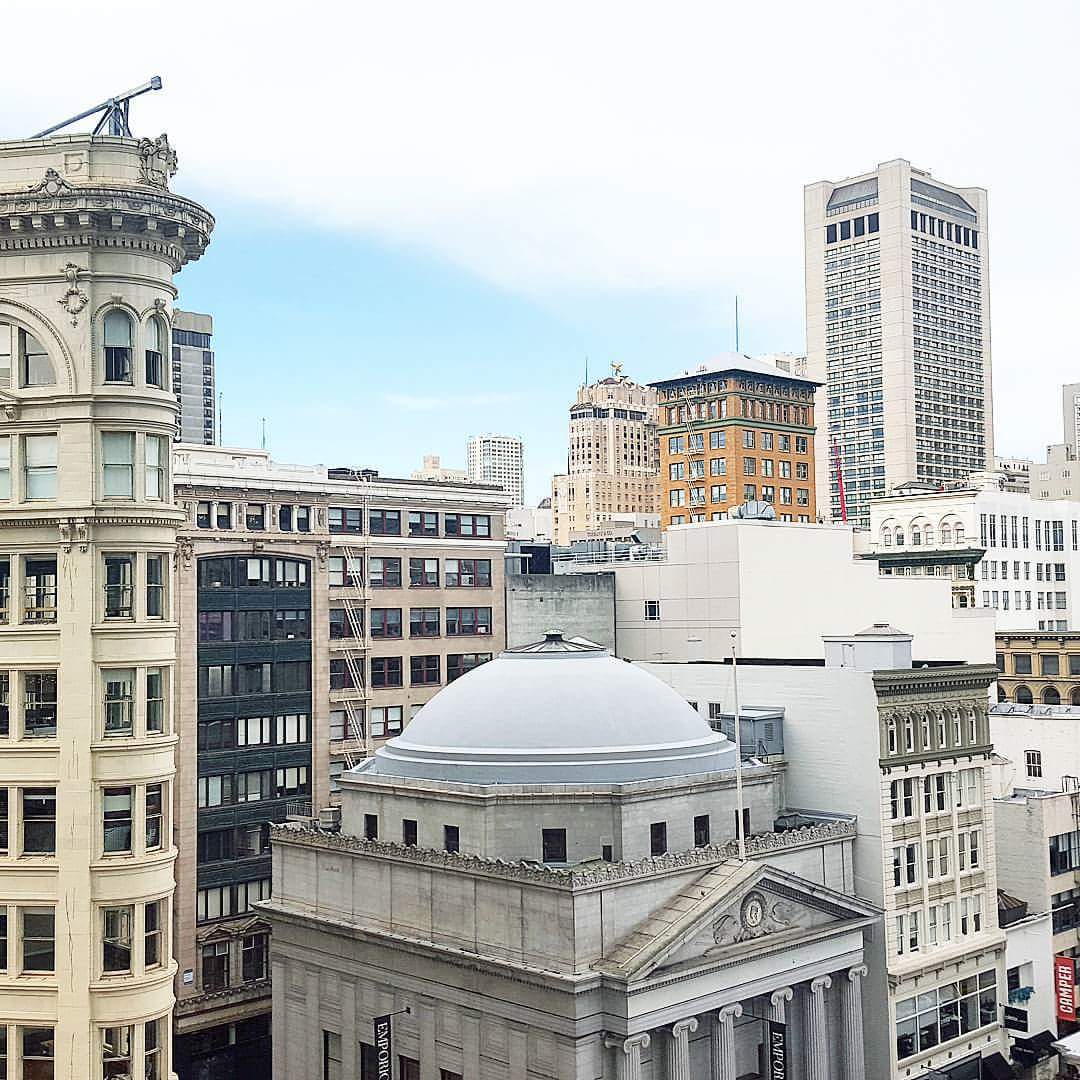
Sensational San Francisco, where I’ll lead a custom chocolate adventure for top funders
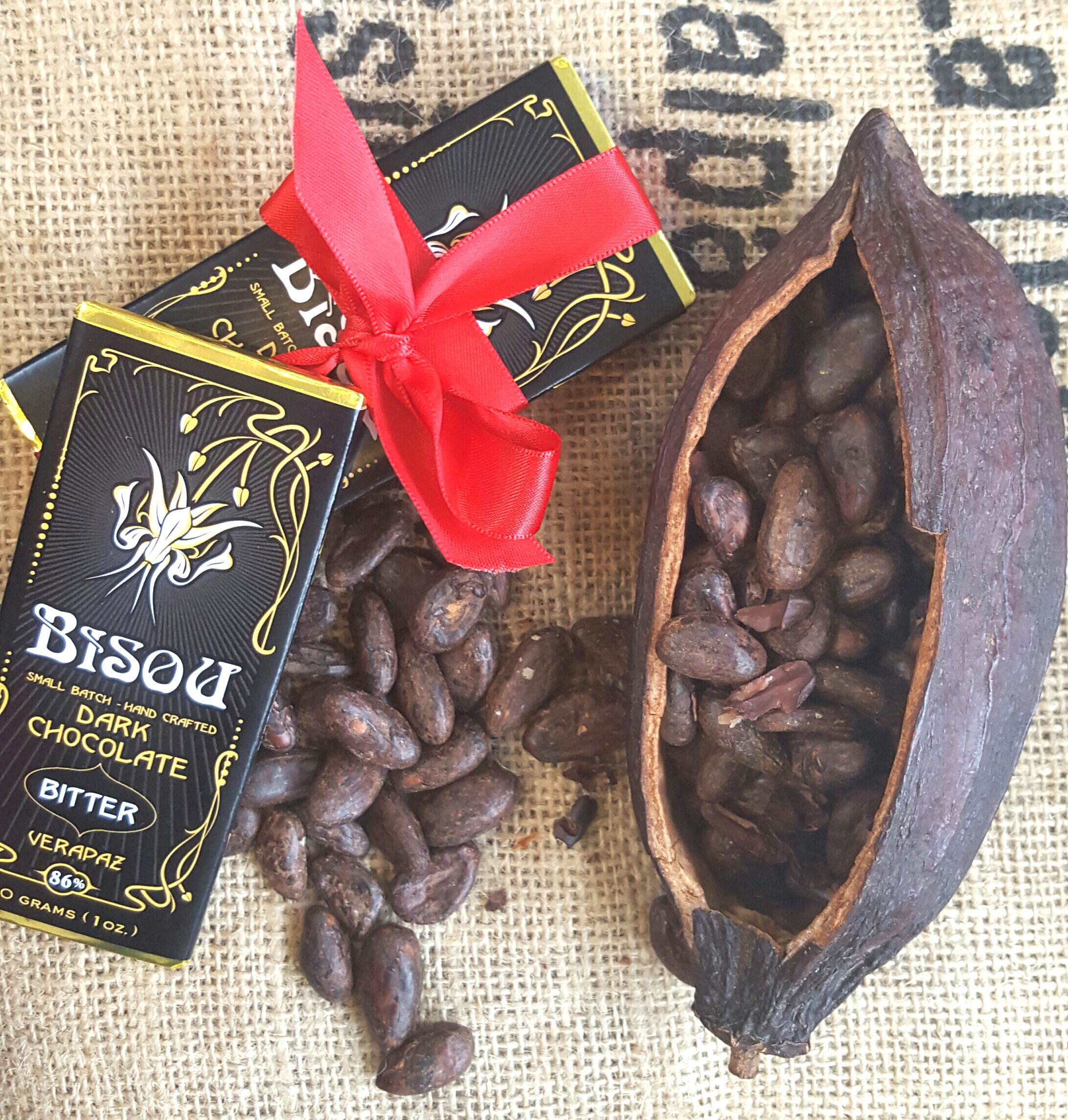
Kickstarter rewards include Bisou Chocolate made with these gentle Haitian cocoa beans, and also my new chocolate tasting video, and a trip through San Francisco’s top chocolate shops, kitchens, and bakeries led by yours truly with the Haitian Chocolate Project founders.
Beautiful Bisou Chocolate, making new chocolate bars from Haitian cacao for you
I’m thrilled to be an advisor to this project, and the kickstarter link is coming soon!
Tasting new chocolate can connect us to happy memories, and open the door to new adventures.
Below are a very few of my favorite chocolate creations that I tasted for the first time in 2015, narrowed down with enormous difficulty to:
* one chocolate bar,
* one hot chocolate, and
* one chocolate truffle.
I could have done the top 10 of each, and added pastries and confections and done the top 10 of each of those, and would still have had an outrageously difficult time narrowing it down from all of the amazing chocolate I’ve had the pleasure of tasting this year, in many different cities.
Will (and do) travel for chocolate
Indeed, at one single event, World of Chocolate earlier this month, I tasted over 27 new chocolate creations as a judge!
The craft chocolate revolution continues, and talented and hard working chocolate makers, chocolatiers, and chefs continue to innovate, which means a lot of fabulous chocolate to taste and enjoy.
But this is a brief post on New Year’s Eve, typed on my phone, and so I’m sharing just a few favorite items here.
For more chocolate that I loved in 2015, see my instagram!
Meanwhile, here we go:
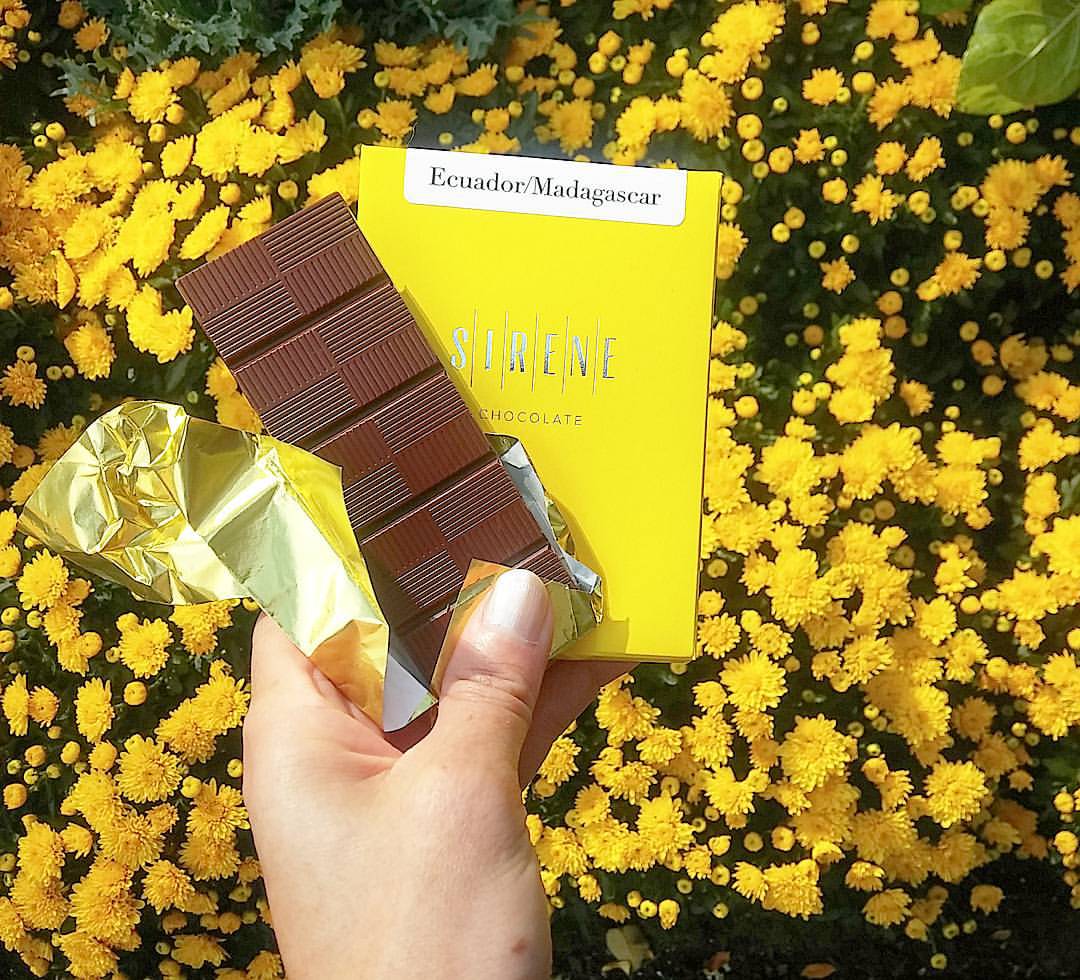
Sensational Sirene Chocolate: 2 bars in 1, each with just 2 ingredients (cacao and sugar) so you can compare flavors
Crafted from just two ingredients – cacao and sugar – Sirene Chocolate epitomizes the purity of bean-to-bar chocolate.
Smooth texture and fabulous flavor, depending on the cacao origin, fermentation, roasting process, and grinding time, reveal the story that each cacao origin can tell, and reveal the artistry of chocolate maker Taylor Kennedy, from his chocolate kitchen in Victoria, British Columbia, Canada.
I sampled Sirene for the first time this past year, at the Northwest Chocolate Festival in Seattle, and was instantly impressed. I then sampled Sirene to a group at one of my Chocolate Wellness talks, in Chicago, and it is no exaggeration to say that “the crowd went wild.” After the group tasted the fleur de sel chocolate bar by Sirene, they asked for seconds, and bought out the rest of my stock.
When one audience member’s bars accidentally came home with me in my bag, I offered to drop them off to her the next day, but she preferred to come to my place and get them that same night. I would have done the same thing!
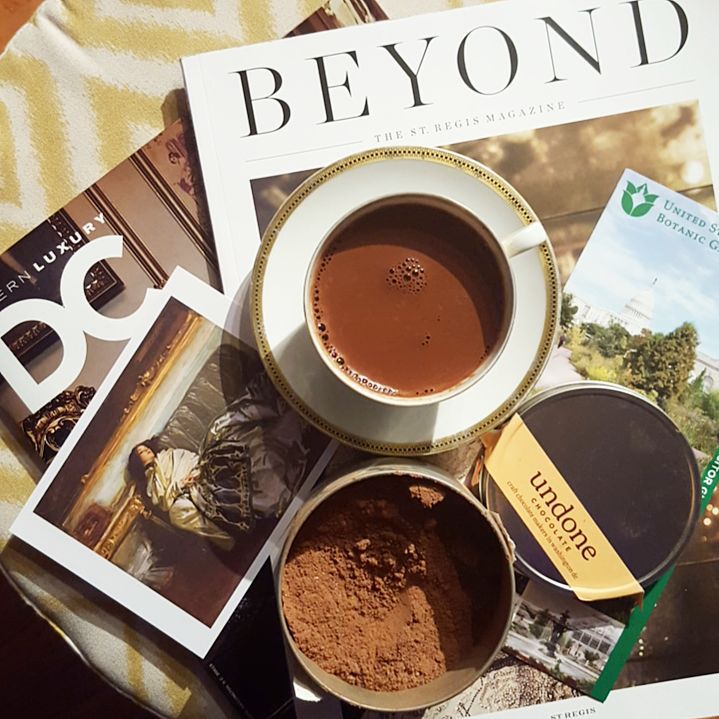
Cacao + sugar + water = some of the richest and most delicious drinking chocolate anywhere, by Undone Chocolate of Washington, DC
This is a personal mini list, so here’s my personal view on hot chocolate: it should be rich, chocolatey, and simultaneously comforting and exciting.
If it’s also single-origin, and made with just two ingredients (cacao and sugar), and tastes amazing in a vegan version made with water instead of milk (the traditional or ancient way to make chocolate is of course with water, not dairy), then it is truly special.
The hot chocolate by Undone Chocolate is all of those things. I already loved Undone’s chocolate bars when I visited owner Adam Kavalier and team member Merrill Dagg at Undone’s kitchen in Washington, DC, this year. What a treat to see their chocolate-making equipment in action, with sacks and sacks of Dominican Republic cacao awaiting their turn to shine.
When Adam sent me home with a tin of Undone hot chocolate mix I was grateful, and as soon as I tried it I was ecstatic.
The flavor and texture are rich and luscious with water – no milk required – so that the hot chocolate tastes not like milk but like chocolate. Call me a purist because that for me is what hot chocolate should be.
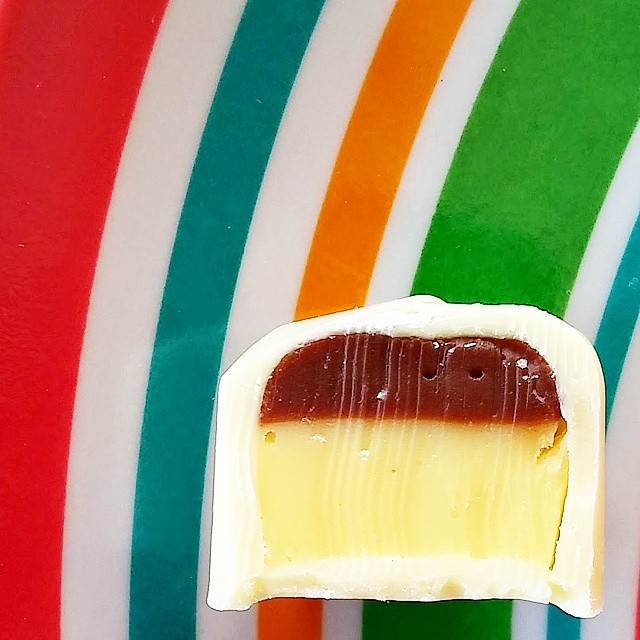
Spicy Passion truffle by Batch PDX: passion fruit and Oregon pepper ganache enrobed in white chocolate – sweet with heat
When I bit into a French truffle in Paris at age 19, I knew it was something exquisite.
When I bit into a Batch PDX truffle earlier this year (see my June 2015 blog post), I knew it had the same level of precision, flavor, and magic that had captivated me in Paris, only this time the truffles were made in Portland, Oregon.
Chocolatier Jeremy Karp sees himself as a craftsman, and indeed crafts bonbons of beauty and balance.
I also see him as an artist, because he sculpts with flavors and textures, telling a story of contrast and compatibility with spice and passion fruit, for example, enrobed in white chocolate for additional magic.
These glimpses of magical chocolate experiences energize me for amazing chocolate experiences in the new year and beyond.
I wish you a delicious new year and more, as you “keep eating real chocolate!”
Your friend in chocolate, Valerie
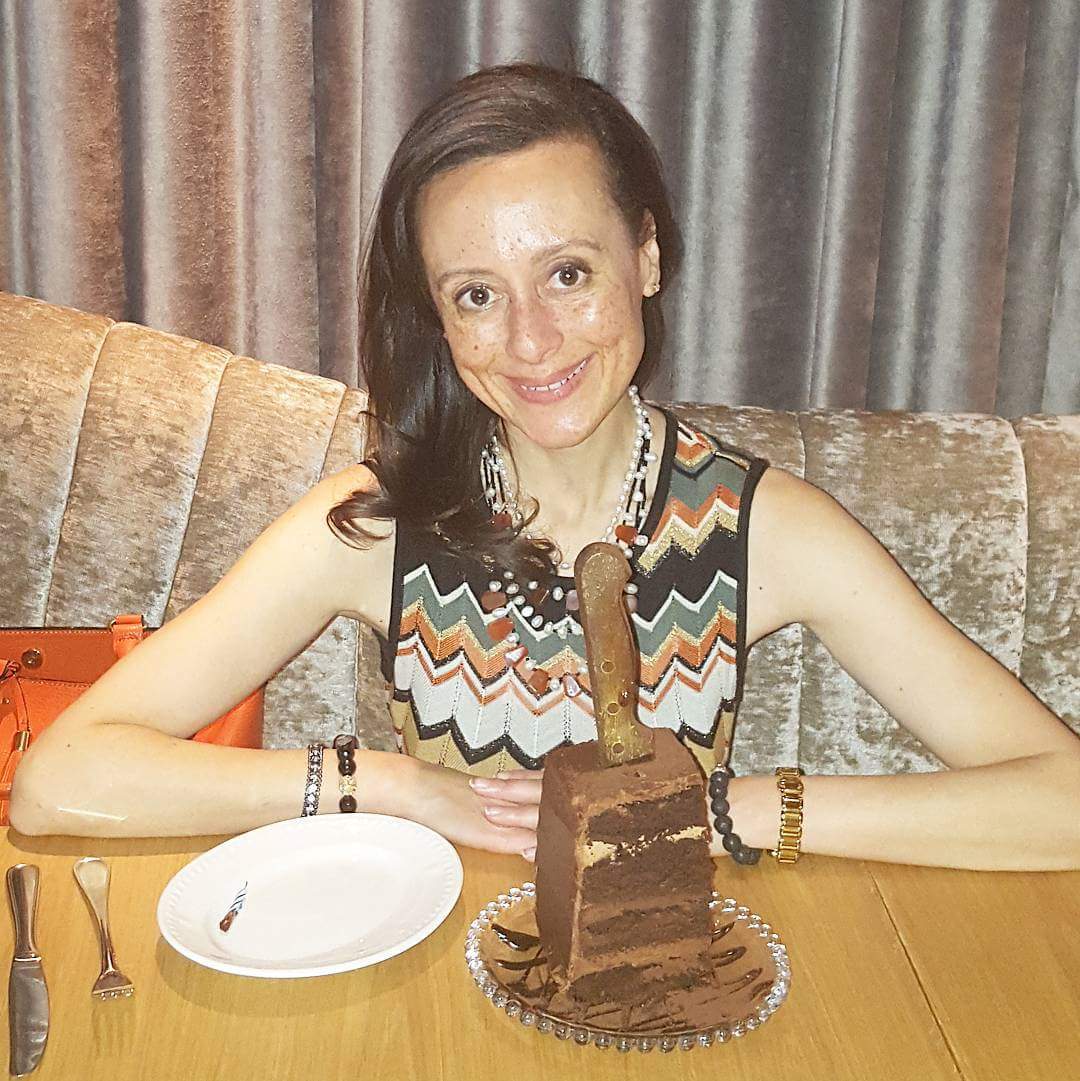
Celebrating my 2015 birthday – December 10 – at Miss Ricky’s in Chicago, with chocolate cake topped with a chocolate knife bonbon filled with chocolate caramel!
Valerie Beck
CEO/Founder Chocolate Uplift
Chocolate Consultant and Broker, Sweet Speaker www.valeriebeckchocolateuplift.com
chocolateuplift@gmail.com
social media @chocolateuplift


























 Chocolate Uplift