by professional speaker and chocolate expert Valerie Beck
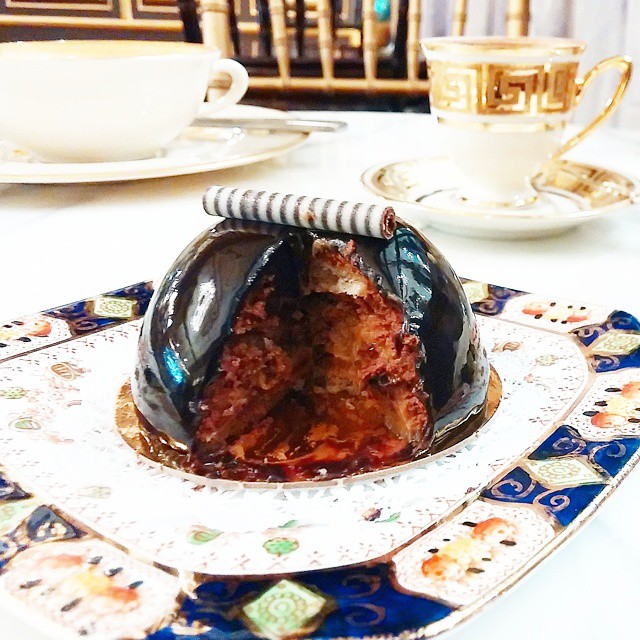
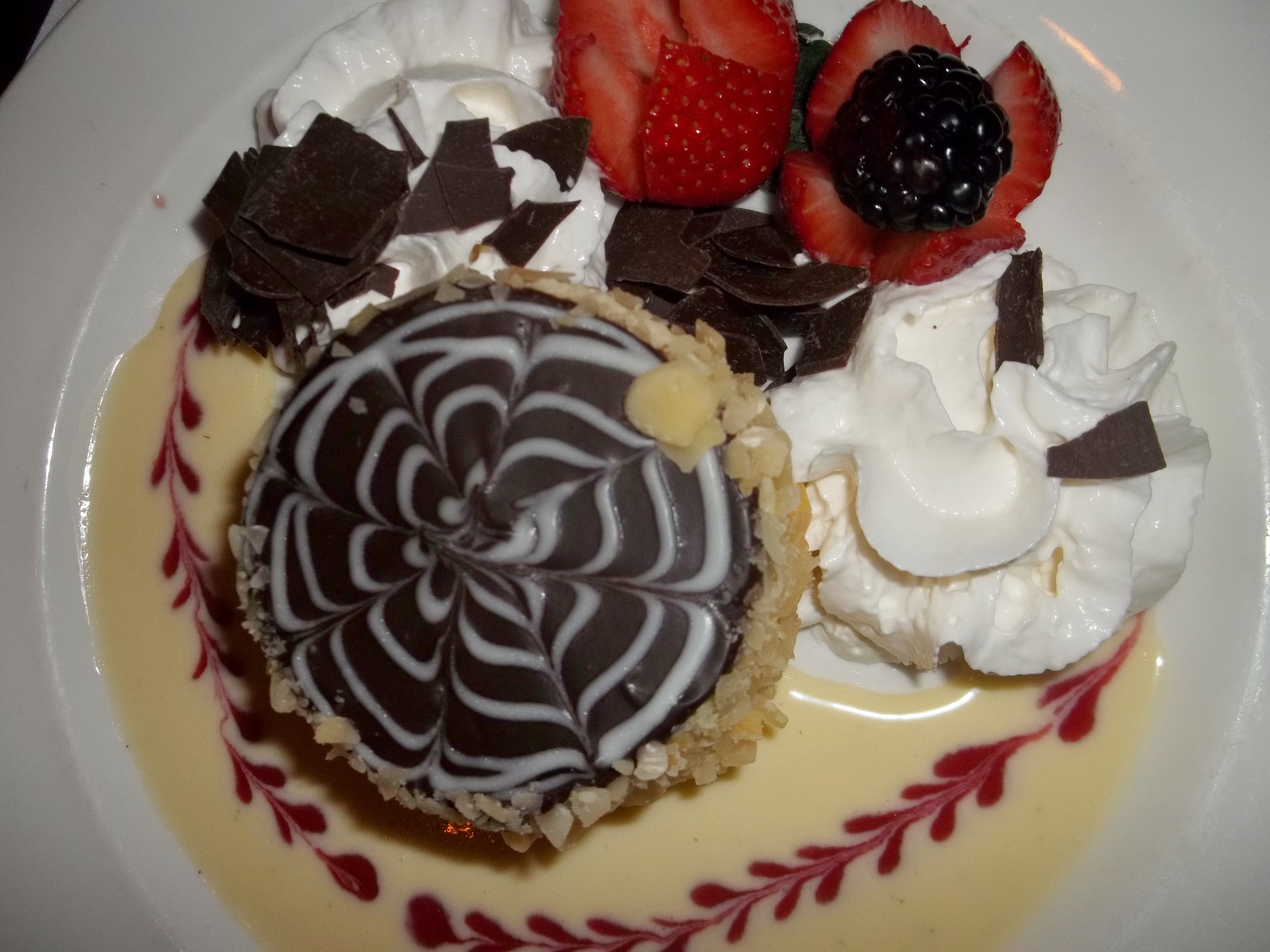
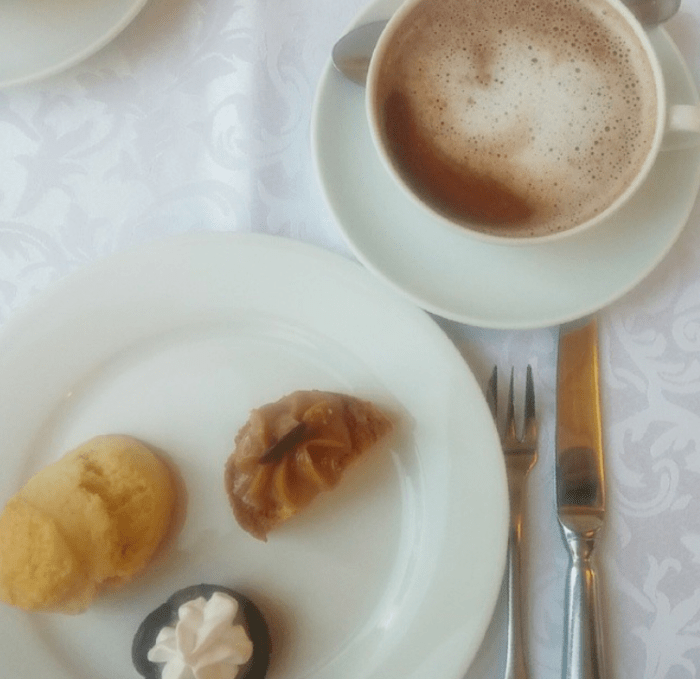
Louvre cake at Mariebelle NYC
I love speaking about the history and health benefits of chocolate, and about entrepreneurship. Getting me to stop talking about my passion topics would be the hard part!
I also love “chocolate scouting:” visiting old chocolate friends and searching out new ones, in any given neighborhood.
So when I was invited to speak to a women’s initiative group at a law firm in New Jersey, with time the next day to explore a favorite neighborhood in New York, I hopped onto a flight and off I went!
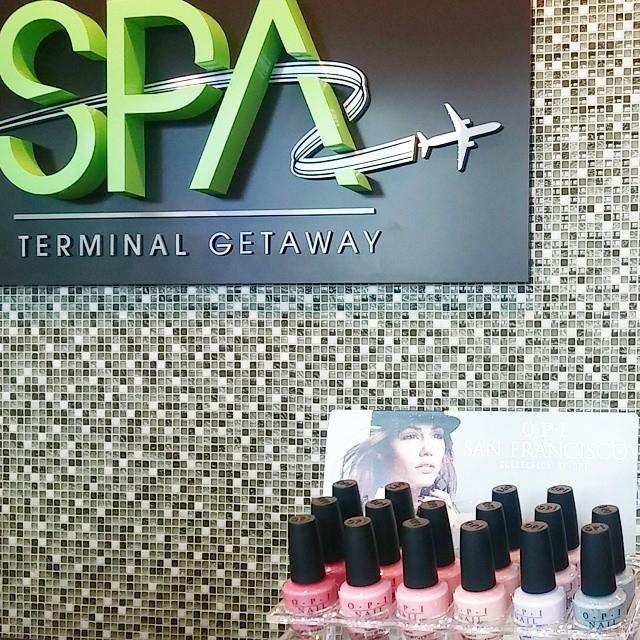
Ready for takeoff, after a stop at the airport spa
Thank you to my sister law school alumna Chris Osvald-Mruz of Lowenstein Sandler for inviting me to speak to her group of partners, clients, and contacts, after we sat next to each other at a reunion dinner in Cambridge to celebrate 60 years of women graduates of Harvard Law School.
She asked for my “Eat Chocolate, Be Skinny” talk, plus remarks on how I transitioned from law to entrepreneurship, founding the original chocolate tours years ago and now working on speaking and consulting projects. I’m always happy to create a custom talk, especially for such a special client.
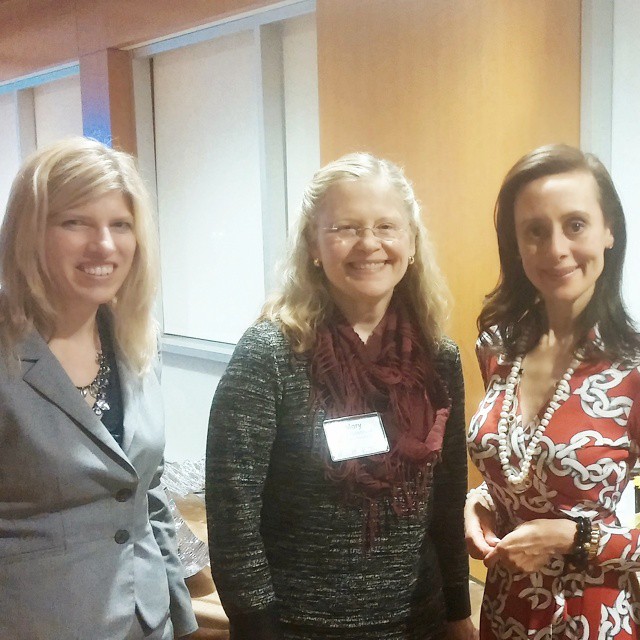
With Chris and Mary of the Lowenstein firm after speaking to 70 women at their STRIDES women’s initiative
What a treat it was to talk with her ultra-professional and ultra-engaged group on how to interpret chocolate bar labels and choose the right kind of chocolate for maximum health benefits, how to choose ethical chocolate, and how to use the ABCs of Attitude, Belief, and Commitment in any transition, career, or project. We also sampled raw cocoa beans (pure health!), and delicious and satisfying bean-to-bar chocolate that I brought from Askinosie.
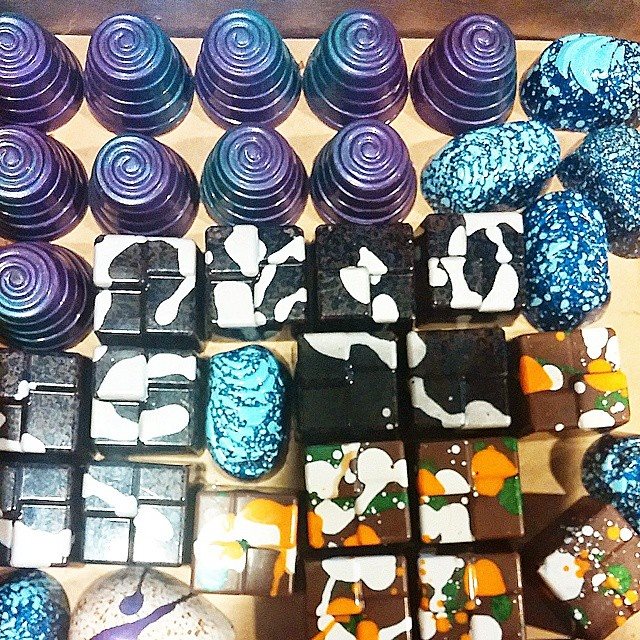
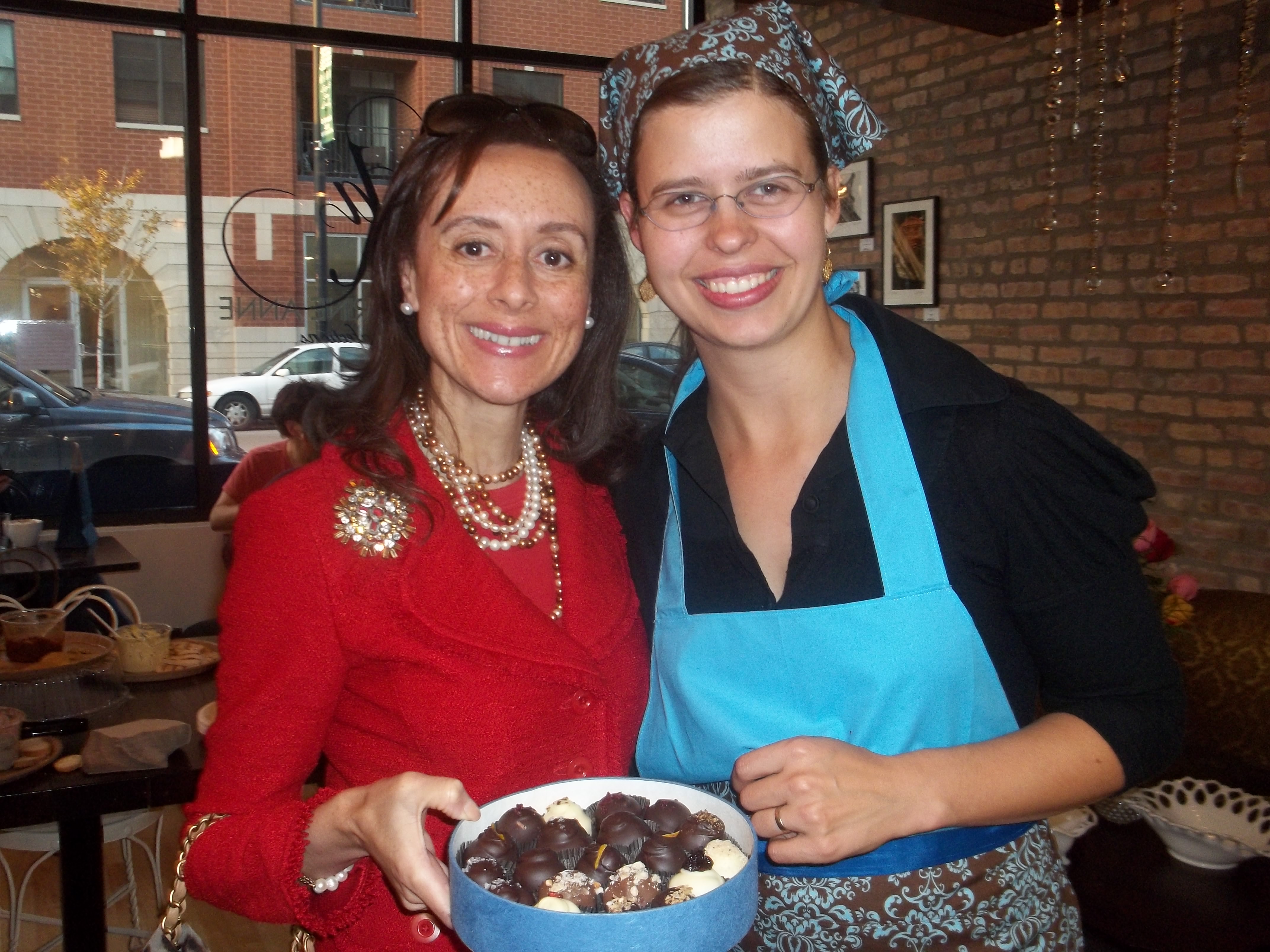
Plus, I was thrilled to be able to include delicious chocolates by another friend, Elyissia Wassung of 2 Chicks With Chocolate, who is located in New Jersey not far from the law firm and who set up such an enticing display that I was impressed with the audience for being able to stick to savory food and my chocolate samples during my talk, before diving into her creations later during the Chocolate Hour!
Jewelry box or chocolate box? Exquisite chocolate truffles by 2 Chicks with Chocolate
At the end of the night, I gave away one of my Sweet & Chic sets in a prize drawing.
One of my Chocolate Uplift “Sweet & Chic” gift sets, in “think pink” with scarf, pouch, and chocolate, available at my speaking engagements or on my website
The evening was elegant and energized, filled with food, fun, networking, and of course chocolate, and I was honored to be part of it!
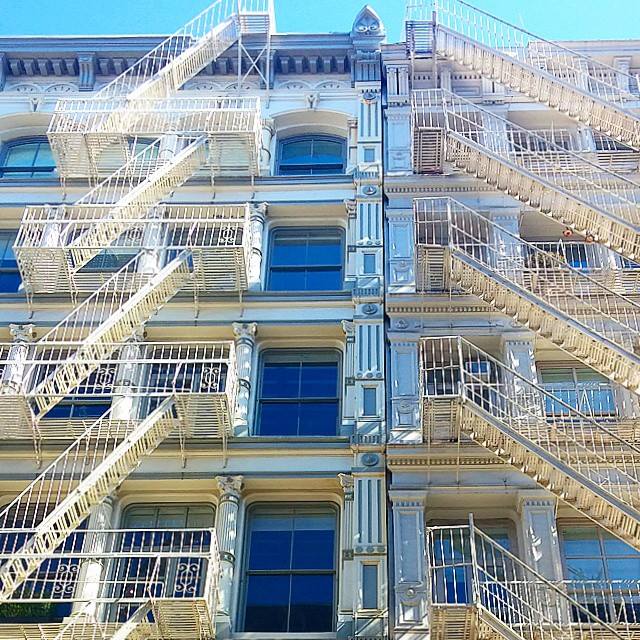
“White chocolate” architecture in sweet Soho NYC
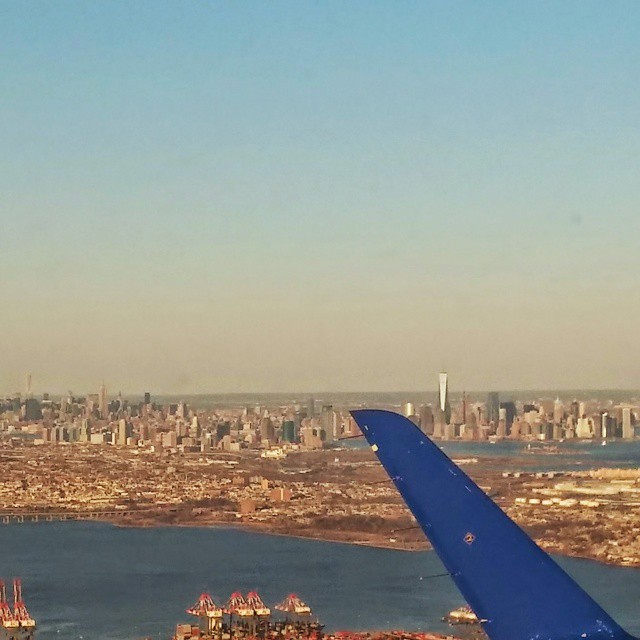
The next day, I zipped across the river to Manhattan in an Uberx, for a day visiting old friends and new in “sweet Soho.”
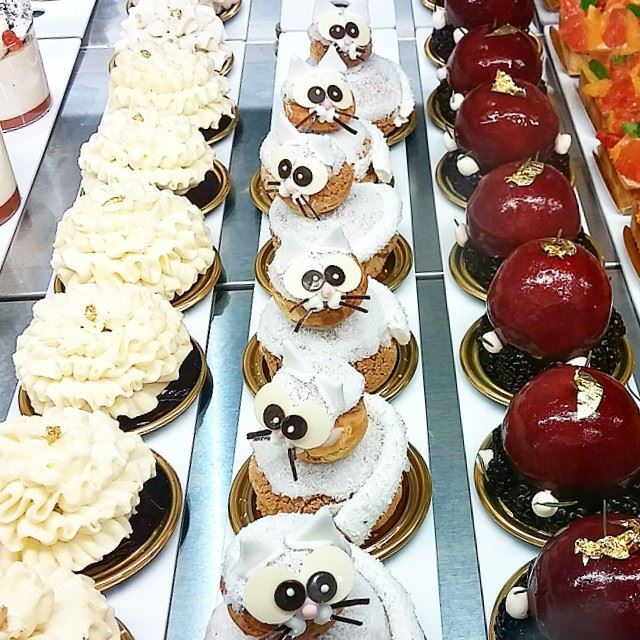
Pastry parade at Dominique Ansel
Among the many stops I made in this delicious New York City neighborhood was the famous bakery of Dominique Ansel, creator of the Cronut – a croissant-doughnut pastry with deliciously layered dough and ever-changing flavors. Cronuts sell out practically by dawn of course, but there’s no shortage of classic and whimsical French pastry on hand any time of day, including some of the best macarons and canneles anywhere.
I enjoyed hearing Chef Dominique speak at the Fancy Food Show in New York last year. He was very humble, and spoke of growing up poor in France, saving money as a boy for a beautiful shirt, and then hanging it in his closet to save it for a special occasion. When that occasion finally came, years later, he found that he had outgrown the shirt! He learned to seize the moment, and do it now.
After visiting Laduree and other lovely locations, it was time for some chic with my sweet, so I popped into one of my favorite boutiques anywhere, M Missoni. I held a book signing event there a few years ago, wear the brand and the parent brand Missoni regularly and with relish, and was delighted to see the Soho team!
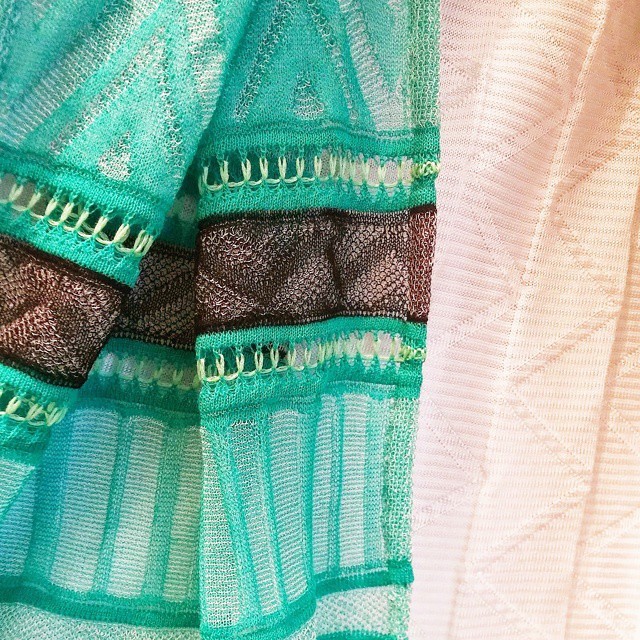
Sweet and chic, at M Missoni
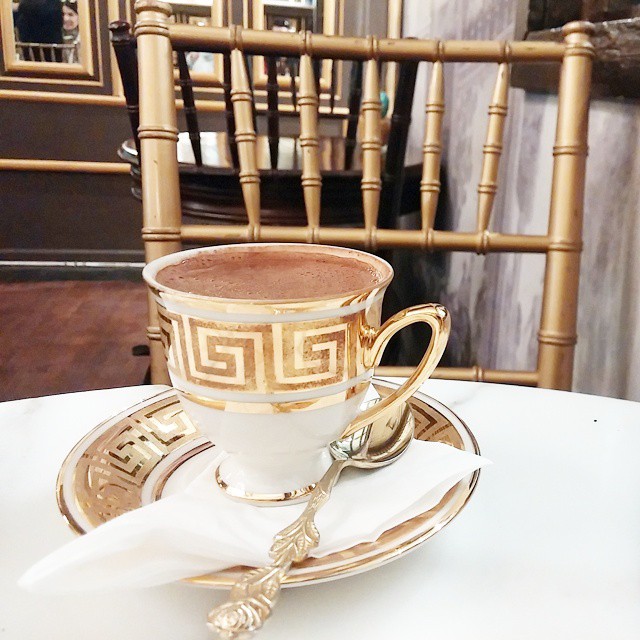
A trip to sweet Soho wouldn’t be as glamorous without a stop inside the gilded cocoa room at Mariebelle, where I had lunch – yes, actual savory food! 🙂 – followed by an exquisite chocolate mousse cake and spicy Aztec hot chocolate.
Aztec revivalism in French splendor at Mariebelle
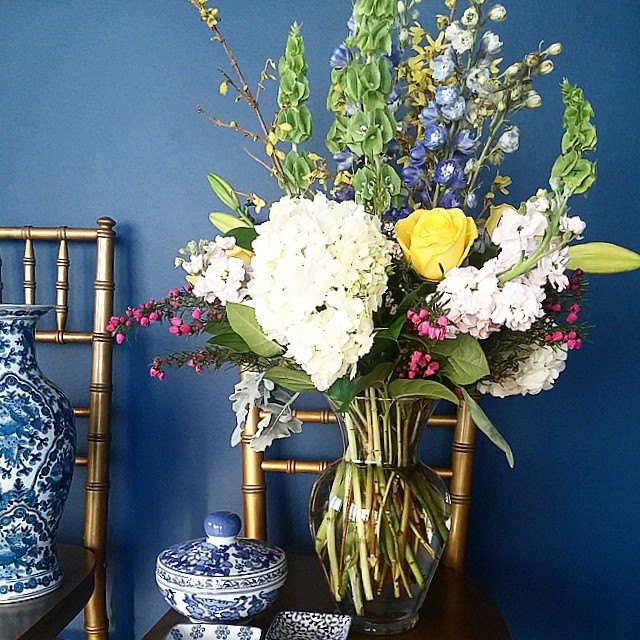
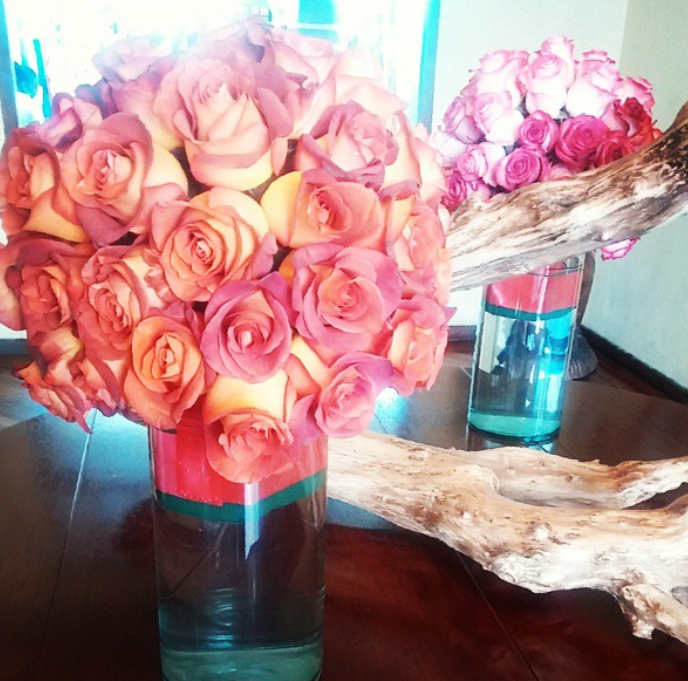
Then, it was back to sweet home Chicago, where the excitement of the trip didn’t end, as a stunning bouquet of flowers from my dear and thoughtful client greeted me at home the next day.
Thank you!
It’s a joy to work with great people, doing what I love, and spreading chocolate education and enjoyment. That’s Uplift Through Chocolate!
Have chocolate, will travel
For more information on my speaking engagements, click my old site or my new rebranding site – in beta but live:
Sweet Travel: Our 2015 Chocolate Uplift Travel Club Destinations
by Valerie Beck, chocolate expert, culinary travel pioneer, and founder of the one and only Chocolate Uplift Travel Club
Here’s to sweet takeoffs and landings in 2015 and beyond!
Happy new year!
Have you made your 2015 travel plans yet?
Let’s make them sweeter: travel with me to one or more of the below destinations, where I’ll open my address book of friends and contacts I’ve made throughout my chocolatey career, and will take you behind the scenes to visit top chocolatiers and chefs. We’ll experience the local culture the way the local style-setters do, and we’ll enjoy the best in food, fashion, art, and of course chocolate.
A few of the trips have 2 packages to choose from: all-inclusive, or a la carte. The double-package trips are Miami in January, LA in March, DC in April, Charleston and Savannah over Memorial Day weekend, Boston in May, and NYC over Veteran’s Day weekend.
And, you can vote on where you think our Labor Day and Columbus Day trips should go!
Scroll down for dates and destinations, contact me at chocolateuplift@gmail.com to book or with questions, and here’s to sweet travel!
2015 Chocolate Uplift Travel Club Destinations
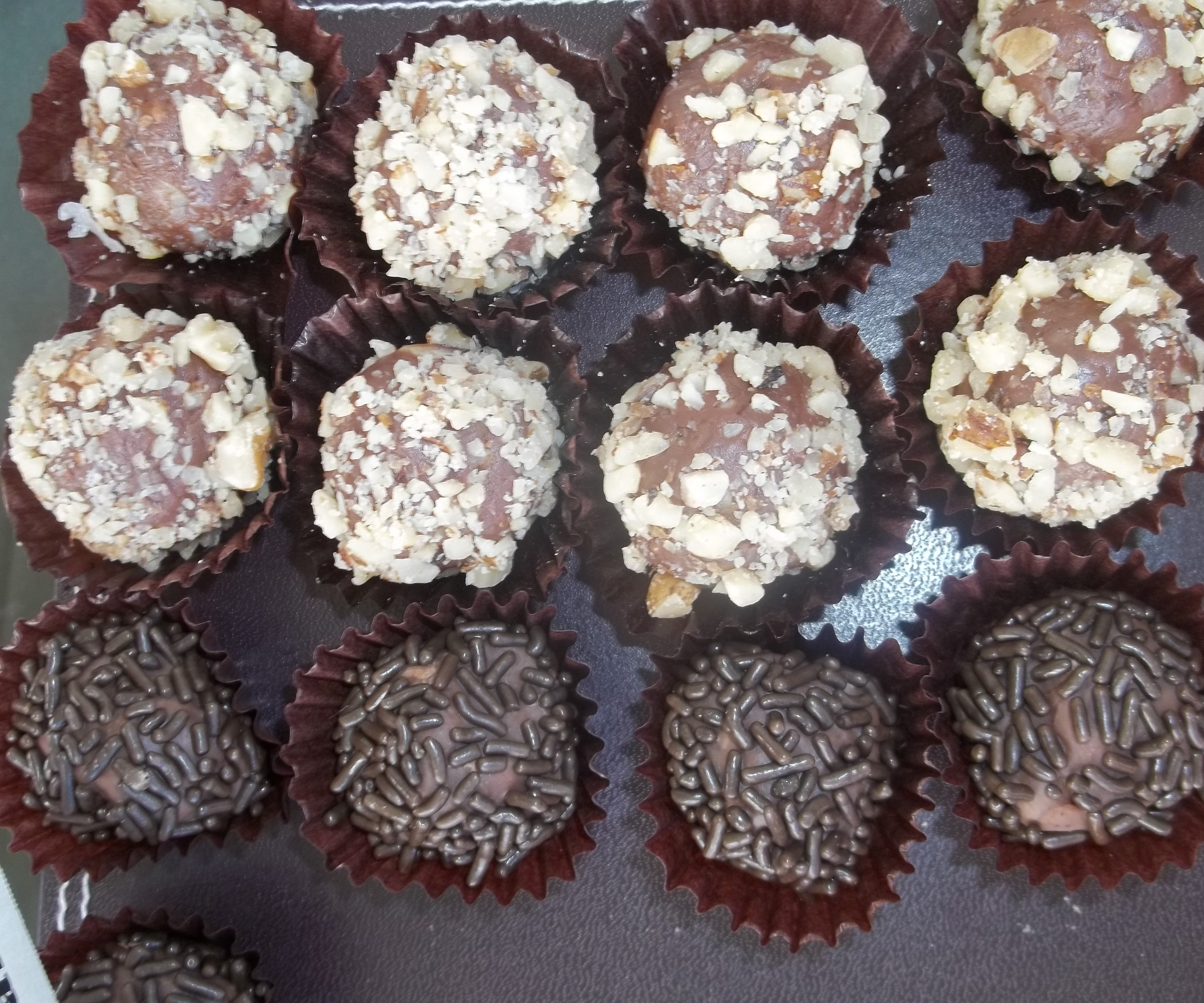
At a previous Miami Chocolate Festival: brigadeiros (Brazilian truffles) by Samba Gourmet
Miami Chocolate Festival, Miami, Florida. Friday 1/23 – Sunday 1/25: Miami Chocolate Festival at the Fairchild Tropical Botanic Garden. Package 1: $2,000 includes hotel, meals, excursions, Chocolate Festival, meet-and-greets with select chocolatiers at the Festival. Package 2: $100 includes meet-and-greets at the Festival.
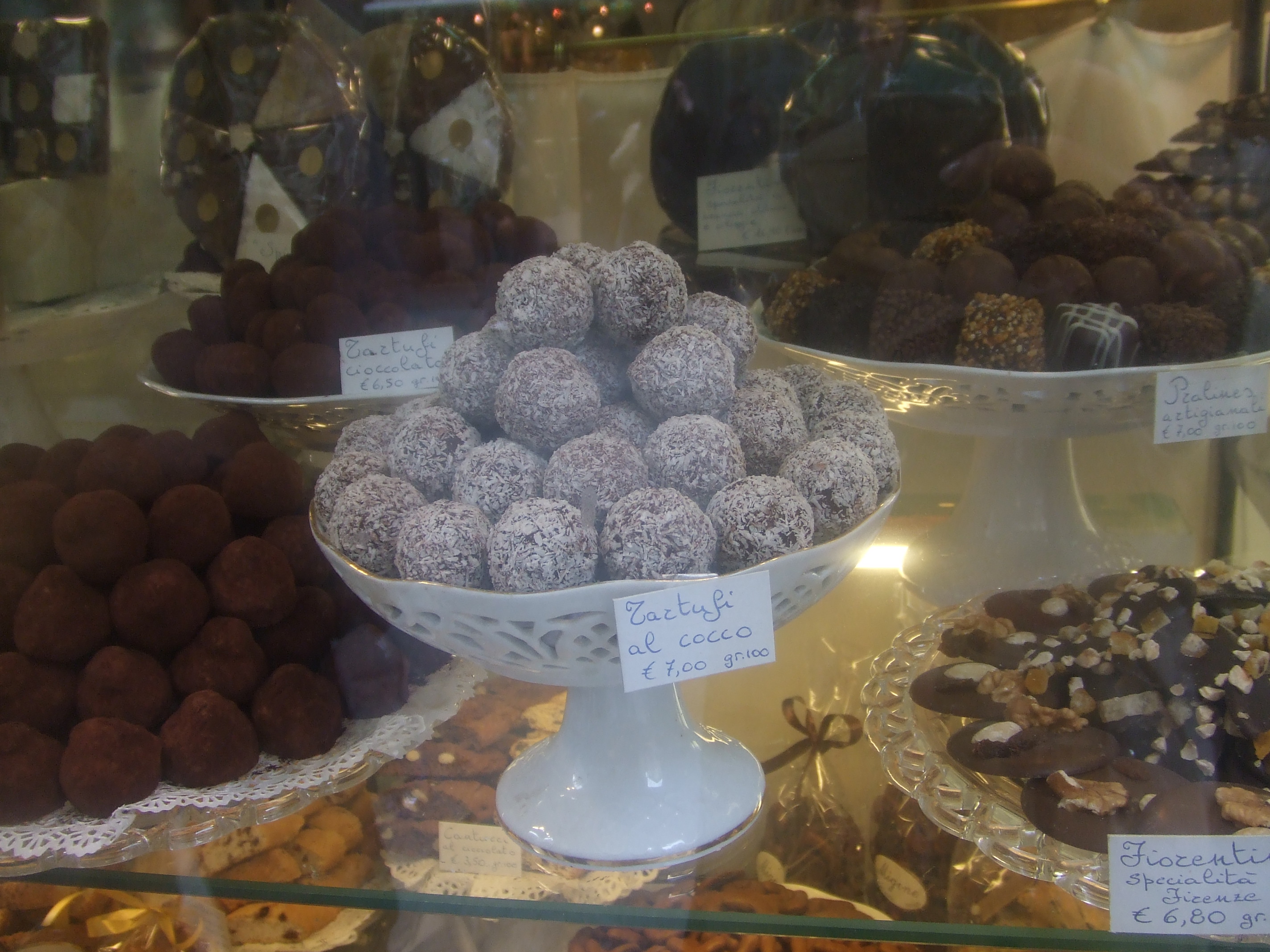
At Migone Chocolates in Florence
Florence Sweet & Chic, Florence, Italy. Wednesday 2/11 – Tuesday 2/17: Florence Artisanal Chocolate Festival, and Ferragamo Fashion & Shoes. Encompasses Valentine’s Day and President’s Day. Package: $3,200 includes hotel, meals, excursions, Festival, meet-and-greets at the Festival, tour of the Salvatore Ferragamo headquarters and museum.
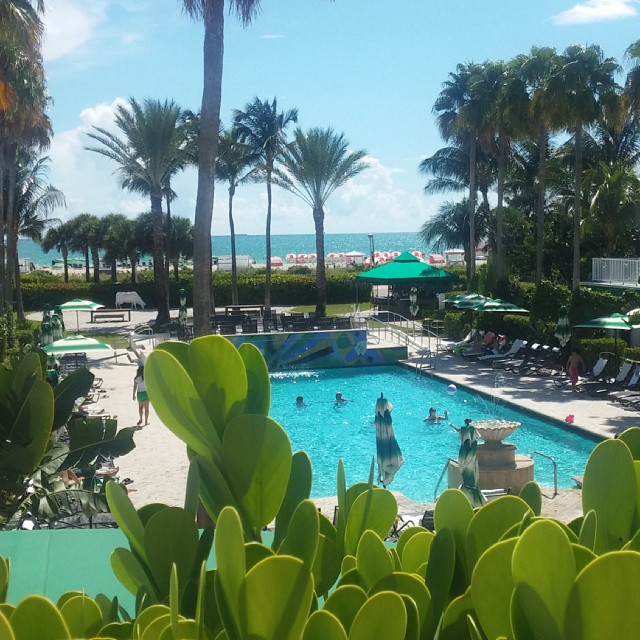
View from my room at the Surfcomber Hotel, Miami Beach
SOBEWFF: Celebrity Chefs on the Beach, Miami, Florida. Friday 2/20 – Sunday 2/22. South Beach Wine & Food Festival. Package: $3,000 includes hotel, meals, excursions.
At Le Mervetty on last year’s Beverly Hills Bakery Tour
Turner and Truffles, Los Angeles, California. Friday 3/20 – Sunday 3/22. J.M.W. Turner exhibit at the Getty Museum, and our own Beverly Hills Bakery Tour created by Valerie Beck. Package 1: $2,200 includes hotel, meals, excursions, private tour of Turner exhibit, Beverly Hills Bakery Tour. Package 2: $120 includes private tour of Turner exhibit, and Beverly Hills Bakery Tour.
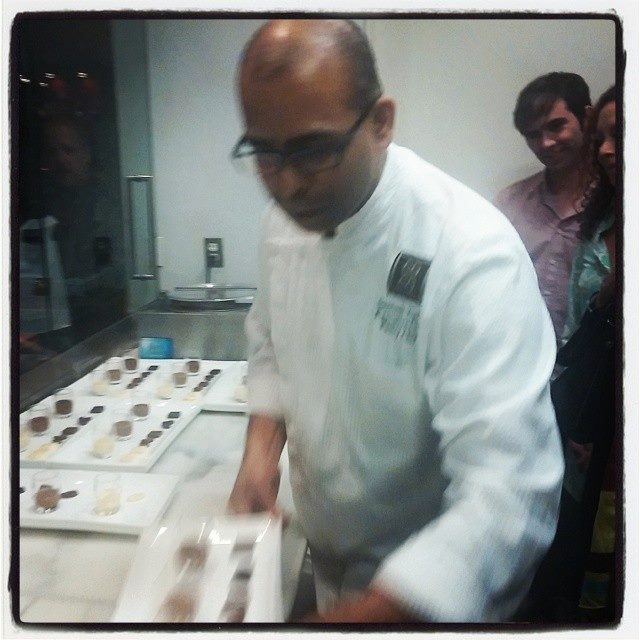
At our private tasting with Chef Santosh at Co.Co.Sala last year in DC
Cherry Blossoms and Chocolate, Washington, DC. Friday 4/10 – Sunday 4/12. National Cherry Blossom Festival, and Chef’s Dinner. Package 1: $2,350 includes hotel, meals, excursions, private Chef’s Dinner and chocolate tasting with a celebrity pastry chef. Package 2: $150 includes Chef’s Dinner and chocolate tasting.
About to sample fresh cacao in Ecuador
Cacao Origin Trip, Quito and other points in Ecuador, South America. Friday 5/1 – Tuesday 5/5. Cocoa Farms and Capitol City of Enchanting Ecuador. Fly to Quito through Miami or Houston. Package: $2,500 includes hotels, meals, excursions, private tours of cocoa farms, meet-and-greets with cocoa farm owners and chocolate makers.
Sweet home Chicago
Sweet Home Chicago, Chicago, Illinois. Friday 5/15 – Sunday 5/17. National Restaurant Association Show additional activities including the original Chicago Chocolate Tour created by Valerie Beck. Book your own Show and hotel arrangements. Package: $150 includes private Chef’s Dinner, and Chicago Chocolate Tour.
Sweet Savannah (photo: Visit Savannah)
Memorial Day Weekend in the Sweet South, Charleston, North Carolina, and Savannah, Georgia. Friday 5/22 – Monday 5/25. Two sweet and chic cities. Package 1: $3,000 includes hotels, meals, excursions, private tastings with pastry chefs and chocolatiers. Package 2: $200 includes private tastings with pastry chefs and chocolatiers.
Presentation of the original Boston Cream Pie, on a previous Boston trip
Boston Sweet, Boston, Massachusetts. Friday 5/29 – Sunday 5/31. Sweet springtime, including the original Boston Chocolate Walking Tour created by Valerie Beck. Package 1: $2,750 includes hotel, meals, excursions, private tasting of the original Boston Cream Pie, Chocolate Tour. Package 2: $200 includes private tasting of the original Boston Cream Pie, Chocolate Tour.
Sweet Labor Day Weekend, destination tbd, cast your vote! Friday 9/4 – Monday 9/7.
Sweet Columbus Day Weekend, destination tbd, cast your vote! Friday 10/9 – Monday 10/12.
Rome
Eurochocolate: Italy Sweet and Chic, Perugia, Pisa, and Rome, Italy. Friday 10/6 – Friday 10/23. Eurochocolate Festival in Perugia, Italian cashmere, artisan chocolate of Pisa and Chocolate Valley, Roman chocolate and gelato. Package: $6,300 includes hotels, meals, excursions, Festival, private tour of an artisan chocolate manufactory, private tour of a cashmere manufactory, meet-and-greets, Rome’s oldest chocolate shop, Roman gelato tour, Italian fashion visits.
Behind the scenes at Mast Brothers Chocolate
The Big Truffle: NYC Veteran’s Day Weekend, New York, New York. Friday 11/6 – Tuesday 11/10. Chocolate, art, fashion, and a parade, in New York City, including our own New York Pastry Paradise Tour created by Valerie Beck. Package 1: $3,300 includes hotel, meals, excursions, private tour of a chocolate manufactory, Pastry Paradise Tour, fashion and style excursion, museum visit with VIP status, Veteran’s Day parade viewing. Package 2: $300 includes chocolate manufactory tour, New York Pastry Paradise Tour, fashion and style excursion, museum visit.
Grilled chocolate croissants for brunch (photo: Cao Chocolates)
Art Basel Miami Beach, Miami, Florida. Friday 12/4 – Sunday 12/6. Art Basel Miami Beach Festival, including our own sweet and chic excursions. Package: $2,800 includes hotel, meals, excursions, art festival, gallery parties, our own chocolate brunch, our own macaron tasting.
9 of the Most Luxurious Hot Chocolates in the World
by Valerie Beck – chocolate expert, speaker, and consultant, and creator of the original chocolate tours
At-home hot chocolate ideas
I hope you’re enjoying a scrumptious holiday season!
Few things are as delicious or comforting as hot chocolate on a winter day. (Thought I love it in warm weather too!) What makes hot chocolate luxurious? The richness of the chocolate, the creaminess of the preparation, and the elegance of the setting can all play a role.
Below are some of my favorite luxurious hot chocolates that I’ve enjoyed recently, from sweet home Chicago, and around the world. I look forward to hearing some of your favorites, and sampling with you if you join my Travel Club!
Hot chocolate luxury, in alphabetical order:
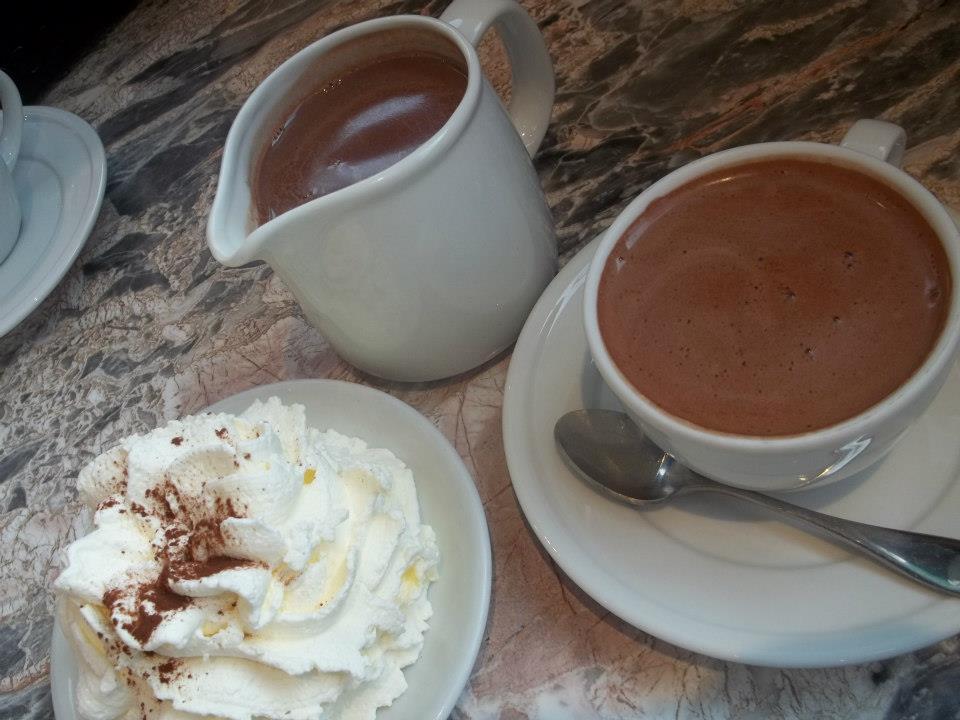
La dolce vita at Bar Antonini – Caffe Gran Esperia in Rome
1. Bar Antonini – Gran Caffe Esperia in Rome
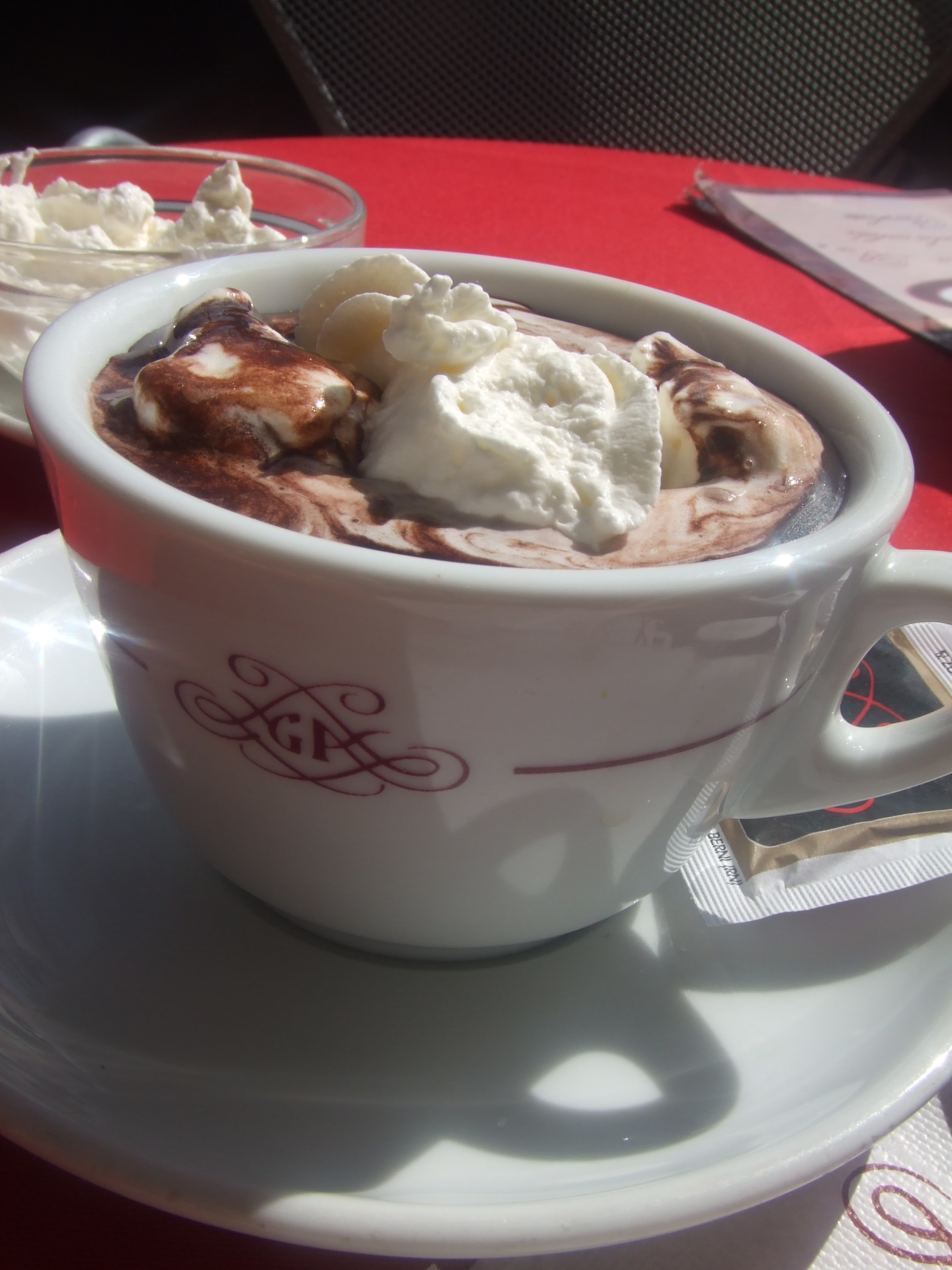
Gran Caffe Esperia, part of the Bar Antonini group, is a classic Roman cafe on the banks of the Tiber River. Their hot chocolate is so thick you could practically stand up a spoon in it. It comes with a dish of whipped cream on the side, and you can cut your hot chocolate with as much or as little cream as you like. This hot chocolate is not just for winter. Sitting at an outdoor table in the spring, and sipping this marvelous concoction as Rome drifted past, was a luxurious way to enjoy la dolce vita – the sweet life!
Rome awaits our Travel Club in October 2015, along with the town of Perugia, two hours north and home to the largest chocolate festival in the world, Eurochocolate. Contact me at chocolateuplift@gmail.com if you’re interested in sweet travel!
Hot chocolate at Capogiro Gelato Artisans
2. Capogiro Gelato Artisans in Philadelphia
Philadelphia is the most underrated city in America. Those in the know, know that Philly is a foodie city, that Capogiro makes some of the best gelato on the planet, and that their rich and luscious hot chocolate makes them a winter as well as a summer destination.
When I first expanded Chicago Chocolate Tours and opened Philadelphia Chocolate Tours several years ago, the city was hit with a blizzard, which was unusual for that part of the country. Being a Chicagoan used to extremes of weather, it didn’t occur to me to cancel anything due to snow, and Capogiro’s hot chocolate warmed the hardy souls who came out on those snowy tours! The Italian-style hot chocolate is served with a pitcher of additional molten chocolate, and a side of housemade whipped cream topped with cocoa powder. If you add a dollop of Capogiro’s incredible gelato, made with milk from hormone-free cows, you’ve got a hot chocolate affogato. (You’re welcome!)
Taste for yourself the last weekend in April, with our Travel Club!
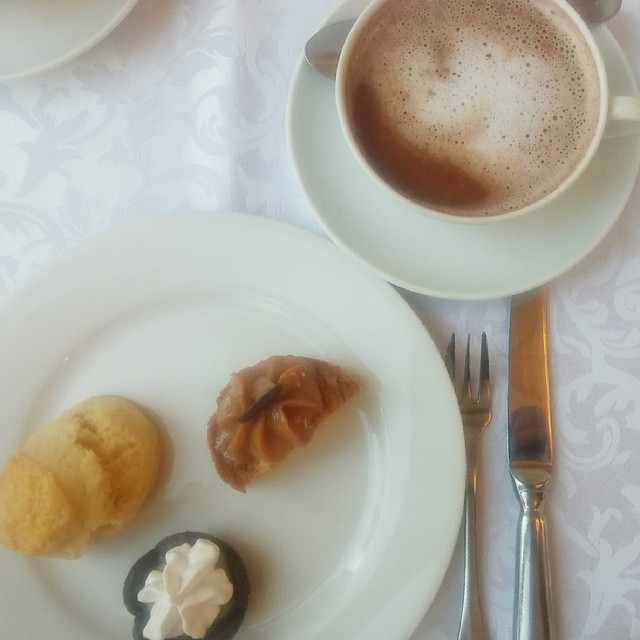
Afternoon tea is really afternoon hot chocolate at Casa Gangotena in Quito, the capital city of Ecuador
3. Casa Gangotena in Quito, Ecuador
Cacao is native to South America, and I tasted some fabulous chocolate in Ecuador, including cocoa beans from small family cacao farms, and from larger innovative cacao estates. The hot chocolate at Casa Gangotena, South America’s #1 rated hotel, was so exquisite that from the first sip I took, time seemed to stop, and the sounds of the lovely afternoon tea around me seemed to cease. This hot chocolate was prepared with water, not milk, and I can almost taste the delicate and fruity flavors of the cacao again as I write this. Highest-quality cocoa beans are the foundation of chocolate luxury, and enjoying this particular beverage in the spectacular setting of Casa Gangotena added to the glamour.
Travel Club alert: let me know if you’d like to visit Ecuador in May 2015, for visits to cocoa farms and more from our home base of Casa Gangotena!
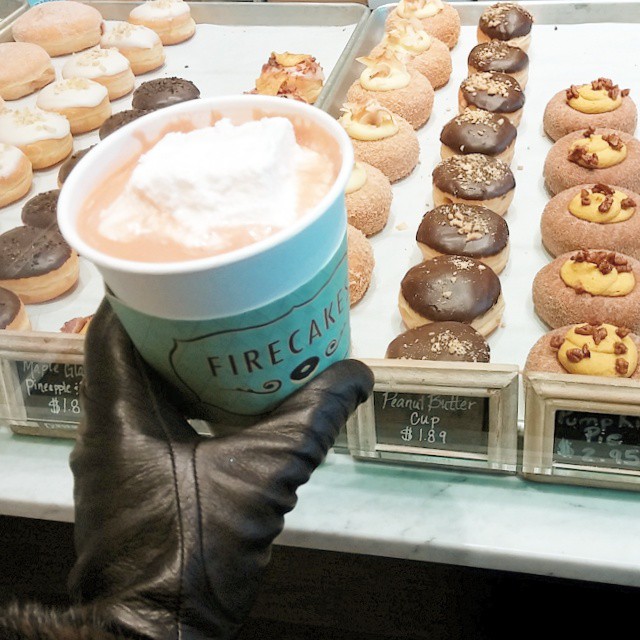
Doughnuts and hot chocolate at Firecakes
4. Firecakes Donuts in Chicago
I love the fresh, light doughnuts at Firecakes, and I love their new Valrhona hot chocolate, with housemade marshmallows. Its luxury comes from its top quality ingredients and its richness: it’s basically ganache (chocolate mixed with cream) that you drink! The hardest part is choosing which doughnut to pair with your hot chocolate. (Hint: triple Valrhona chocolate cake.)
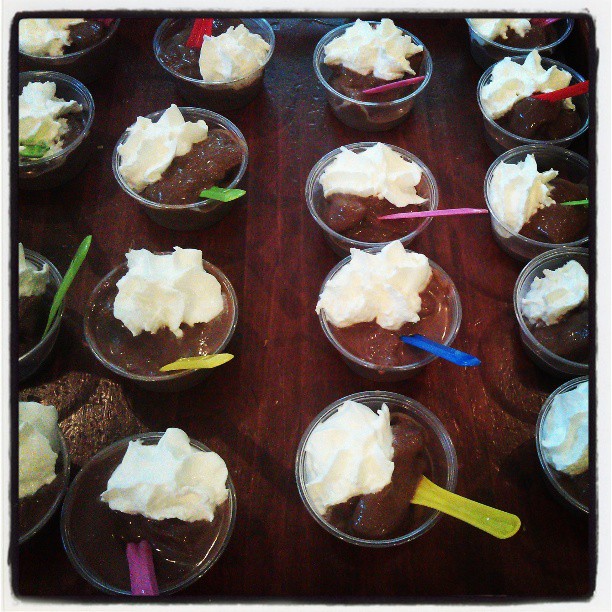
Frozen hot chocolate minis at Graham’s 318
5. Graham’s 318 in Geneva, IL
Do opposites attract? Fire and ice go together beautifully in the irresistible frozen hot chocolate at Graham’s 318, the coffeehouse location of Graham’s Fine Chocolates. Both are in gorgeous Geneva, Illinois, an elegant town on the Fox River, one hour west of Chicago. The frozen hot chocolate was always a hit on the chocolate tours that I opened there a few years ago. Luxury can be a delicious frozen version of hot chocolate, by the fireplace at Graham’s 318, on a getaway out of the city.
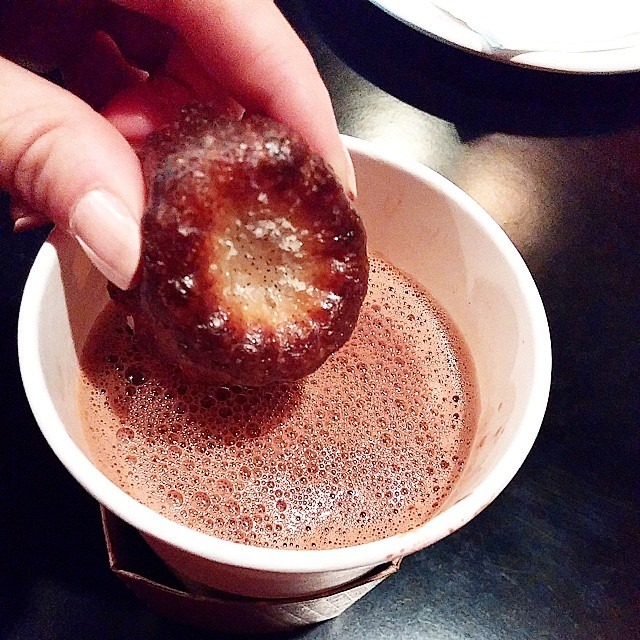
Dipping a canele into the ganache hot chocolate at Hendrickx
6. Hendrickx Belgian Bread Crafter in Chicago
The hot chocolate at Hendrickx is available only in the winter, so is it a good thing that Chicago winters last so long? You can decide that for yourself, but what’s certain is that the ganache hot chocolate by Chef Renaud at Hendrickx is rich, thick, and pure in flavor. When I created Chicago Chocolate Tours and then a Hot Chocolate Tour route, the hot chocolate at Hendrickx was an instant crowd favorite. Lately I’ve taken to dipping a different Hendrickx pastry into the hot chocolate. Their lovely new caneles (French cake-like pastry with a custard-enhanced center and caramelized crust) work magnificently for luxurious dipping!
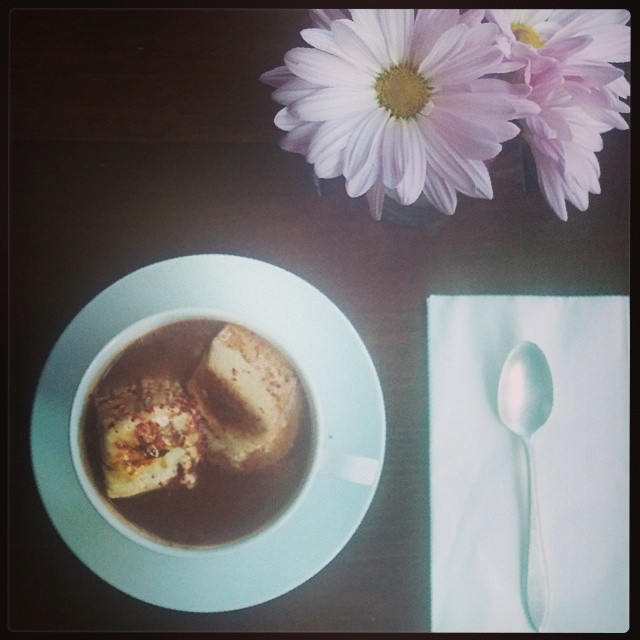
Mexican hot chocolate with salted caramel-cinnamon marshmallows at Katherine Anne Confections
7. Katherine Anne Confections in Chicago
I love what I call “Aztec Revivalism” at Katherine Anne Confections: the molten Mexican hot chocolate is spiced with chili peppers, similar to how the Aztecs flavored their chocolate 2,500 years ago. Owner Katherine Duncan is an innovator who makes her amazing ganache-based hot chocolate in multiple flavors including bourbon caramel hazelnut. Her housemade marshamallows also come in a variety of flavors; enjoy the luxury of mixing and matching!
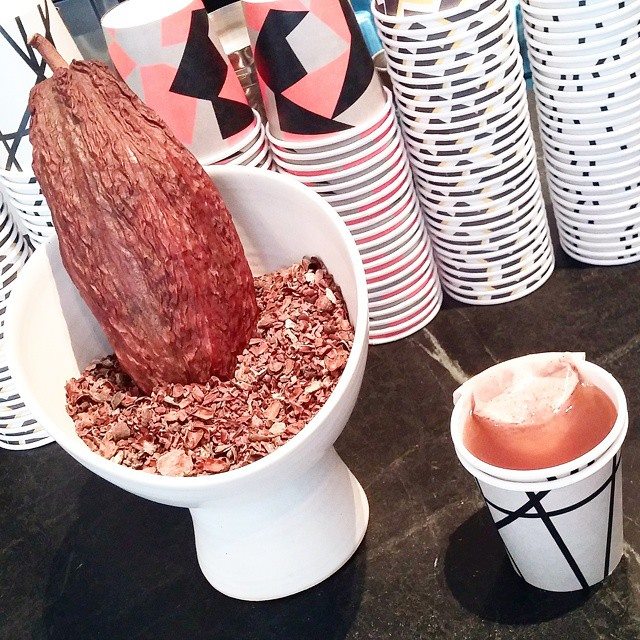
Brewed chocolate at Mast Brothers in Brooklyn
8. Mast Brothers Chocolate in New York
Revolutionary-era Americans like George and Martha Washington and Thomas Jefferson brewed their chocolate, similar to the way we brew coffee or tea. Benjamin Franklin was such a chocolate lover he sold blocks of brewable chocolate out of his print shop in Philadelphia. (When I created Philadelphia Chocolate Tours, it was fun adding a stop outside of his print shop!) It’s exciting to see versions of brewed chocolate making a comeback. After touring the Mast Brothers chocolate manufactory in Brooklyn, I headed a few doors down to their brew cafe, where I chatted some more with Rick Mast and his team and sampled their delicious drinking chocolate, brewed with cocoa beans and water. It was smooth and flavorful, with the luxury of simplicity.
Save the date of Veteran’s Day weekend, when our Travel Club goes back to NYC.
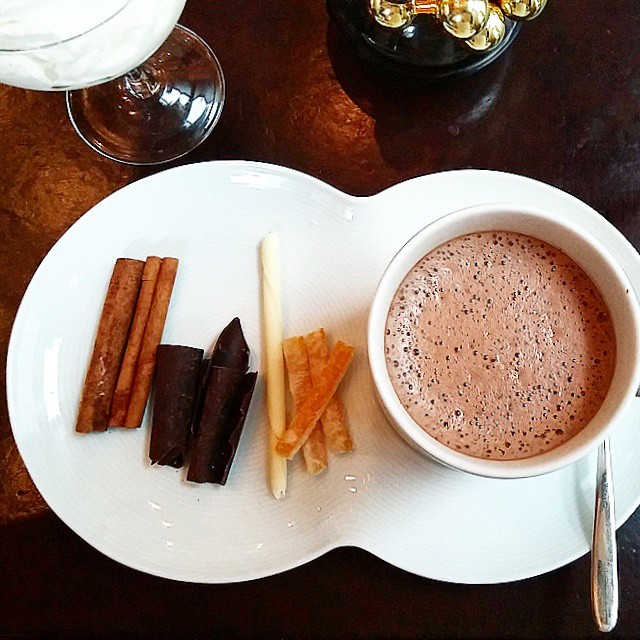
Hot chocolate bar at NoMI Chicago
9. NoMI in Chicago
Pastry Chef Meg Pralus’s rich, molten hot chocolate is the centerpiece of her creative Hot Chocolate Bar at NoMI at the elegant Park Hyatt Chicago: choose toppings such as whipped cream, cinnamon, dark chocolate, white chocolate, or candied orange peel – or all of the above in my case! Housemade marshmallows are also on the buffet, and you can have your hot chocolate spiked or “virgin.” The luxury of embellishment!
With Katherine Duncan of Katherine Anne Confections
I wish you a merry Christmas, happy holidays, and a sweet new year!
By Valerie Beck, chocolate expert, chocolateuplift@gmail.com
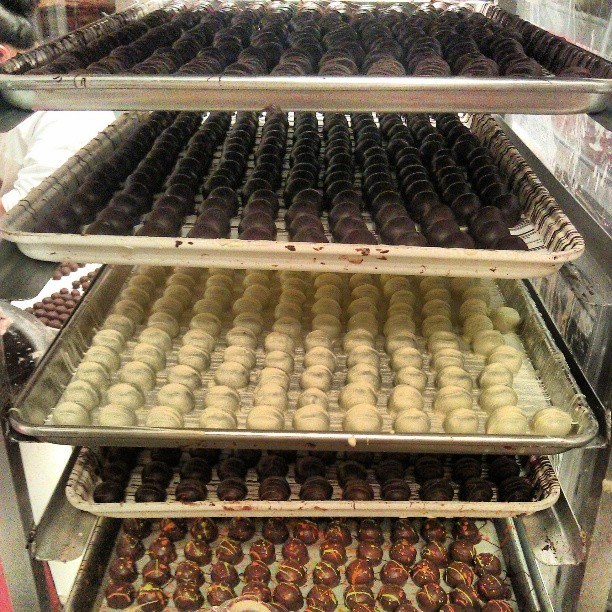
Hand-dipped and fresh off the line at Graham’s Fine Chocolates
What two words scare us quicker than the words “chocolate shortage!” Chocolate is America’s favorite flavor, and some of us couldn’t imagine going a week or even a day without it.
You may have seen news reports of a coming chocolate shortage. So is there a chocolate crisis around the corner? Yes and no.
Here are the short answers:
~ Yes, because the global chocolate industry is being forced to change for reasons ranging from soil erosion to evolving customer preferences.
~ No, because while West African cocoa growing nations are facing huge challenges, South American and other cocoa growing nations are stepping in and growing more and doing it with fair labor practices.
And, we can make sure we’re supporting sustainable chocolate, by choosing chocolate that lists the country of cocoa bean origin for example.
Longer answers:
Factors leading toward crisis include:
70% of the world’s chocolate comes from cocoa beans grown in West Africa, and West Africa is facing a cocoa crisis.
This cocoa crisis exists due to years of unsustainable farming practices, climate change which means temperatures in West Africa are getting drier – cocoa trees like humidity – and the desert is taking over land that used to be fertile, and unfair labor practices including in some cases even child slave labor.
And don’t forget Ebola: the bulk of the world’s cocoa beans are currently grown in Ivory Coast and Ghana, and some workers travel there for the harvest from nearby Sierra Leone and Liberia where the Ebola outbreak is happening. A concern is that if workers get sick, there’s no one to harvest the cocoa beans.
Plus, chocolate has been largely recession-proof in the US, and people in more countries like India and China are getting a taste for chocolate, so demand is strong and increasing.
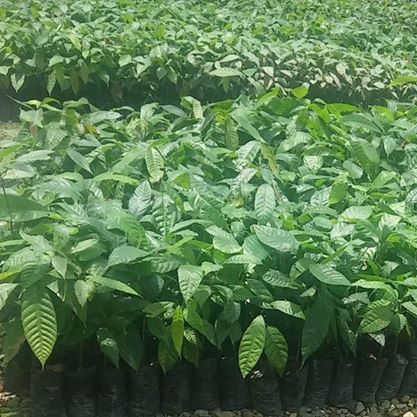
Cocoa tree nursery on the Camino Verde farm in Ecuador
On the other hand, there’s evidence that supply might be stronger than some people think. Factors indicating abundance and opportunity include:
Even as West Africa’s cocoa bean infrastructure changes and needs to change, other cocoa growing nations are ramping up production.
For example, cocoa beans are native to South America and Latin America, and countries like Ecuador, Peru, Colombia, and El Salvador are implementing cocoa bean initiatives to encourage farmers to grow more, and in some cases are encouraging foreign investment to produce more.
If you want to open a chocolate facility in Ecuador, where ideal cocoa bean growing conditions mean you can harvest cocoa beans year-round, there are financial incentives available.
Farmers in nations such as Peru have been given incentives to stop growing coca for cocaine, and start growing cocoa beans for chocolate (coca and cocoa or cacao have similar names, but are unrelated crops), and the plan is working.
In addition, it’s known that the big commercial chocolate makers are sitting on stockpiles of years and years worth of cocoa beans. If people believe there’s a shortage, companies can raise prices.
More and more consumers are looking at alternatives to commercial chocolate with its preservatives and artificial ingredients. Instead, a growing number of chocolate lovers are choosing the new wave of bean-to-bar chocolate, where the only ingredients are cocoa beans and sugar, and the chocolate is made artisanally, in small batches. Bean-to-bar chocolate gives you more health benefits, has a pure taste which the chocolate maker can develop such as by changing roasting or grinding times and methods, and uses cocoa beans not from farms in West Africa which are facing crisis, but from fair trade or direct trade cocoa farms which means benefits to farm families and communities.
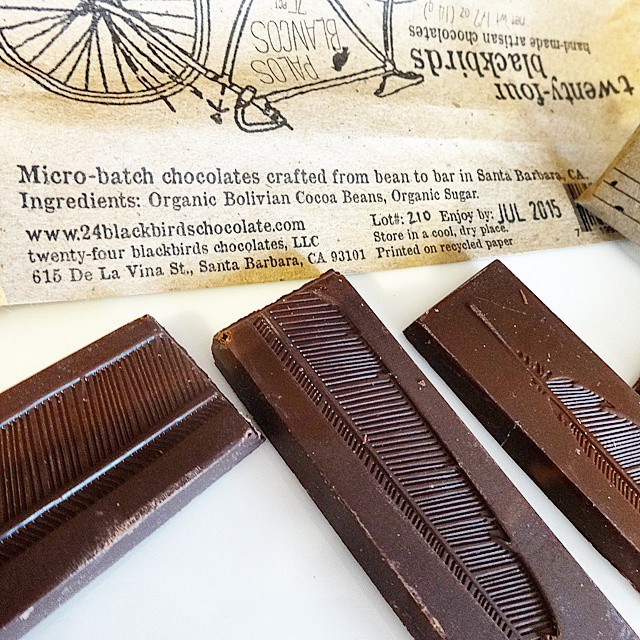
Fyi I’ll write a blog post on bean-to-bar chocolate soon; for now please see my blog post on 3 Chocolatey NYC Neighborhoods which includes info on Mast Brothers Chocolate, and see the photo below with a link to twenty-four blackbirds chocolate. Also, you can check out other bean-to-bar brands I love such as Askinosie, Dick Taylor, and Cao Chocolates whom we’ll visit on our January 23-25 Miami trip! All of these brands sell on their websites; enjoy.
Delicious, ethical, bean-to-bar chocolate by twenty-four-blackbirds of California, with just 2 ingredients: cocoa beans and sugar
So are we going to run out of chocolate tomorrow and do you need squirrel away a chocolate stash in the attic to stave off chocolate doom? No.
Is the global chocolate industry in a time of change? Yes.
Is it a good idea to read labels and vote with your dollars, to make sure you’re getting the chocolate you want, that reflects sustainability and the labor and health standards you believe in? Yes!
For media appearances or more: chocolateuplift@gmail.com
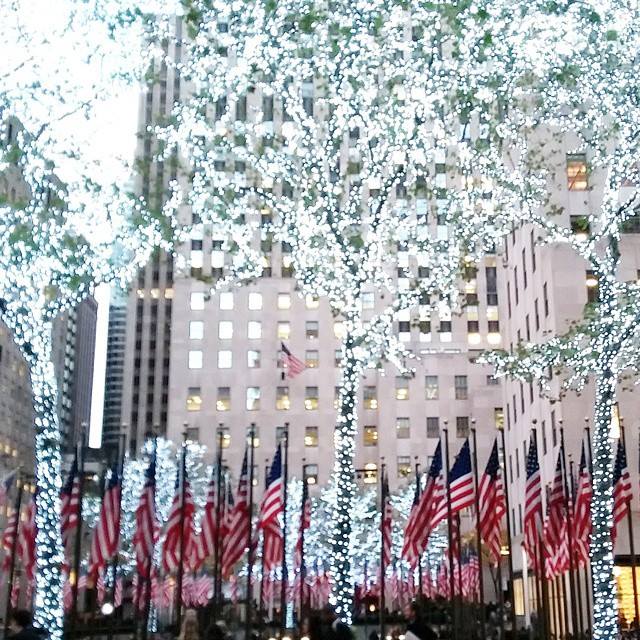
Veteran’s Day meets pre-Christmas at Rockefeller Center in NYC
Some people call New York City the Big Apple. I call it the Big Truffle, because of its enormous number of top quality chocolate shops and bakeries!
I usually visit New York a couple of times a year, generally in summer for the Fancy Food Show, and in November for Veteran’s Day weekend. It’s always a treat visiting old friends and meeting new ones, and tasting what everyone has been up to.
Before I started my chocolate services business 9 years ago, I was a corporate lawyer (and of course already a chocolate maniac). While employed at a large law firm in Chicago, I once spent a winter in the New York office, doing aircraft leveraged lease deals (don’t ask). I worked more or less around the clock, and what kept me more or less sane was sneaking out of the conference room for a Teuscher Champagne Truffle. Now when I visit NYC, it’s all chocolate all the time – well, not quite: I always make time for New York’s amazing art, architecture, and fashion, so that the overall theme is “sweet and chic!”
I love New York, and my most recent trip this past Veteran’s Day weekend was inspirational. Here are 3 chocolatey NYC neighborhoods I visited, and the shops that make these areas sweet:
1. Chelsea / Greeley Square
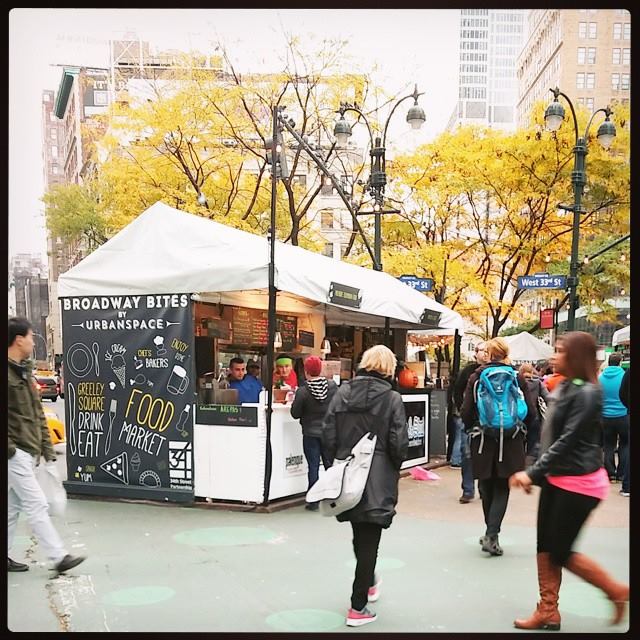
Broadway Bites at Greeley Square Park
Walking from the Eventi Hotel in Chelsea toward Midtown, I let the Chocolate Fairies of Sweet Serendipity lead me to the Broadway Bites outdoor foodstalls market. Once I discovered it, I couldn’t stay away! Favorites at B’way Bites:
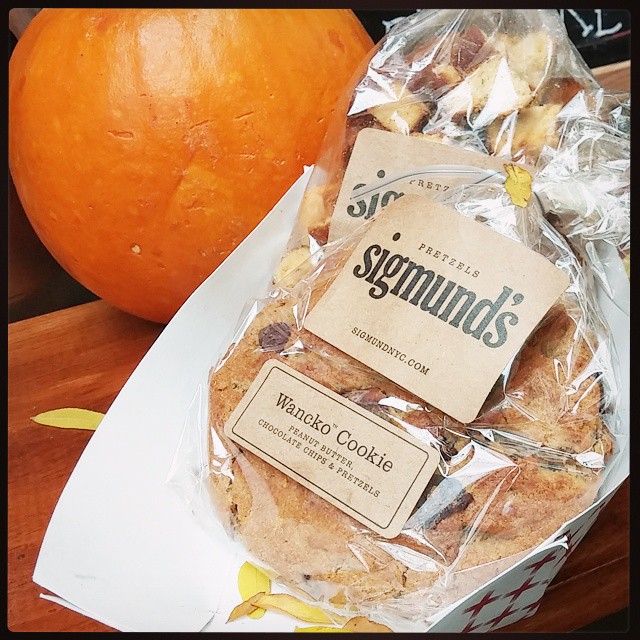
The pretzel is in the cookie
Sigmund Pretzels not only makes delicious, buttery, soft pretzels in creative flavors such as pumpkin seed, they also make creative cookies, such as the Wancko Chocolate Chip Peanut Butter Cookie, which contains a pretzel. Yes, soft pretzel bites are IN the chocolate chip cookie! Delectable.
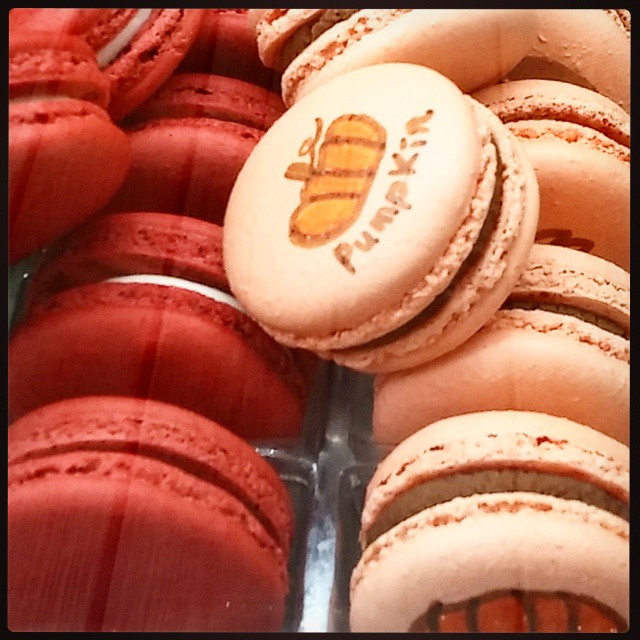
Chocolate Pumpkin genius
Macaron Parlour‘s pastry chefs make exquisite macarons with lovely texture. Their combination of pumpkin and chocolate – a pumpkin macaron with chocolate pumpkin ganache – plus the hand-drawn pumpkin illustration on each cookie, won me over instantly. (What’s the difference between a macaron and a macaroon? I wrote a brief post about it; click here!)
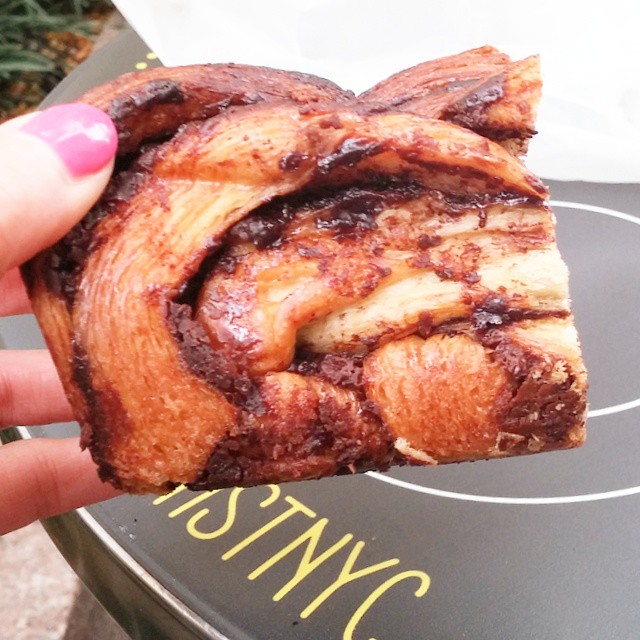
Award-winning and award-deserving chocolate babka
Breads Bakery had a sign in front of their Broadway Bites foodstall announcing that they make the best chocolate babka in New York according to New York Magazine. Their chocolate babka was $5 a slice, and it was worth it. Dense yet light, flavorful and not sweet, and ultra-chocolatey, I was tempted to buy a few loaves and throw a chocolate babka party in my hotel suite. I’m serious!
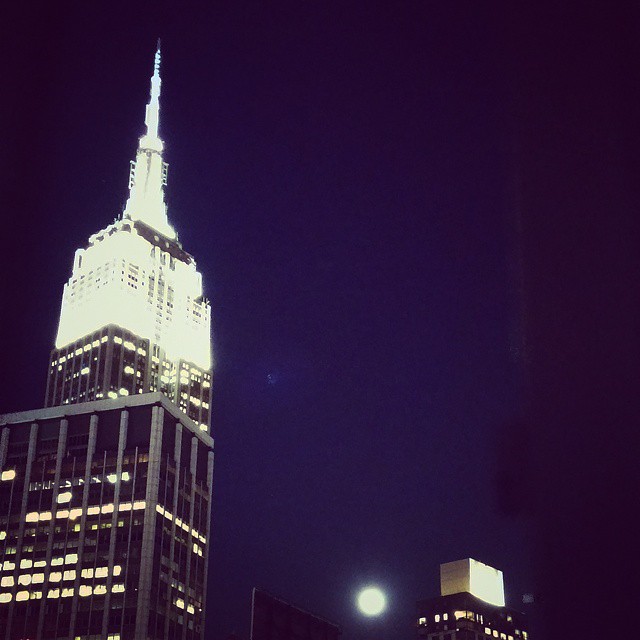
View from my suite at the Eventi Hotel #empirestateofmind
2. Midtown / Fifth Avenue
Marvelousness at Michel Cluizel
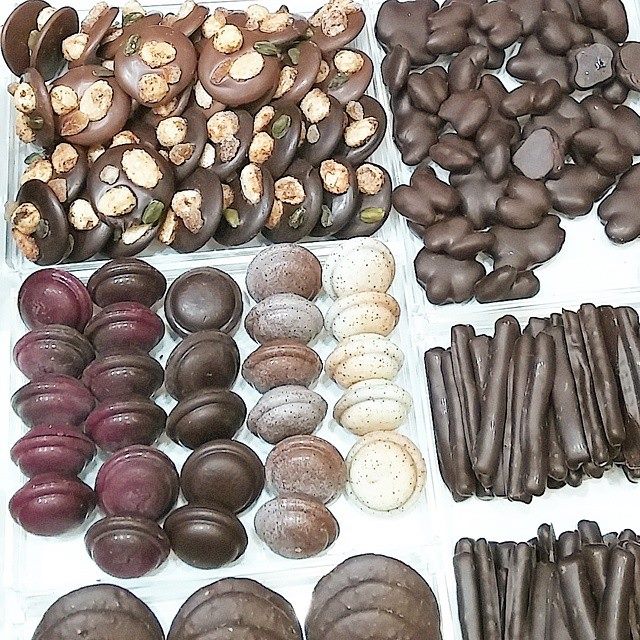
Michel Cluizel is a longtime favorite of mine, because this family-owned brand believes in chocolate sustainability, fair trade, and traditional French fine-chocolate magic, with no soy lecithin. (For my post on why I don’t want soy lecithin in my chocolate, click here.) Their Fifth Avenue store carries their charming macarolats, macaron-shaped chocolate bonbons with fillings such as raspberry, and also carries an abundance of their incredible chocolates, macarons, and more. They have a chocolate-making facility and museum in New Jersey, 30 minutes from Philadelphia, that we’re invited to visit next time – join me!
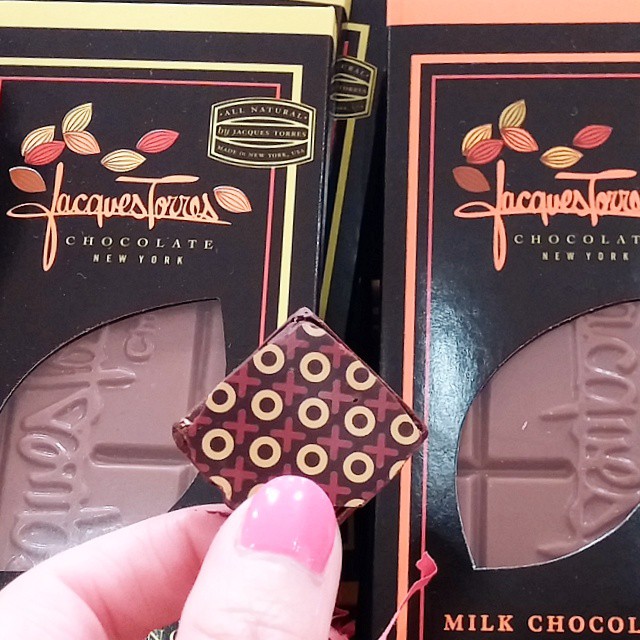
“Love Potion Number 9”
Jacques Torres goes by the nickname “Mr. Chocolate,” and his Rockefeller Center store reflects his sense of fun and his love of quality. Once, after chatting with the man himself at a chocolate show in New York a few years ago, I saw that he noticed a scrap of paper on the floor near his booth. He bent down, picked it up, and threw it away, showing in that tiny motion that he has the humility of the great.
Elegant whimsy, outrageous deliciousness, and a Michelin star
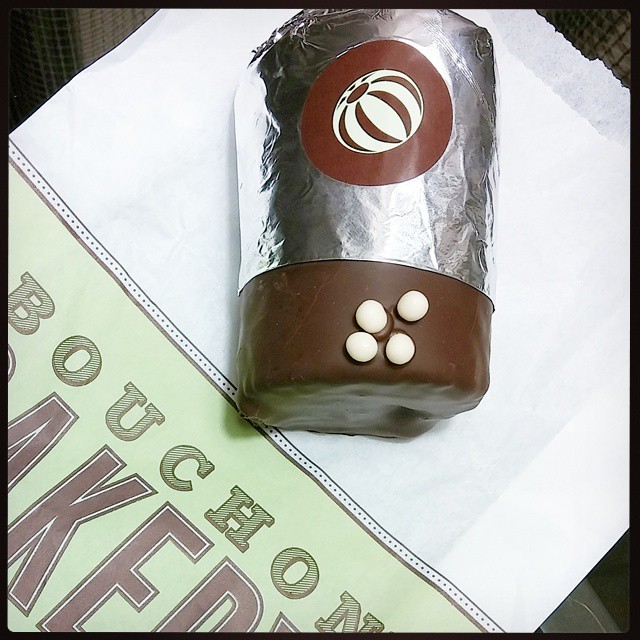
Thomas Keller’s Bouchon Bakery has transformed whimsy into a Michelin star. I love Chef Keller’s transformation at Bouchon of well-known commercial candy bar and dessert concepts, into exquisite upscale versions made with premium ingredients. For example, the “Oh Oh” dessert in the photo was a heavenly chocolate-coated swirl of cream and cake. We visited his Beverly Hills Bouchon on the Beverly Hills Bakery Tour that I whipped up for one day only, last spring. Let’s do it again – cross-country Bouchon!
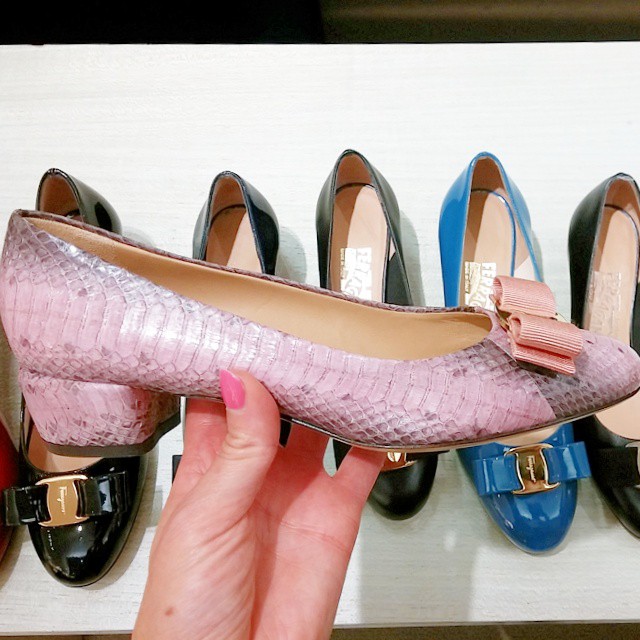
Midtown means Saks, which means 10022 Shoe, which means Ferragamo #sweetandchic
3. Brooklyn / Williamsburg
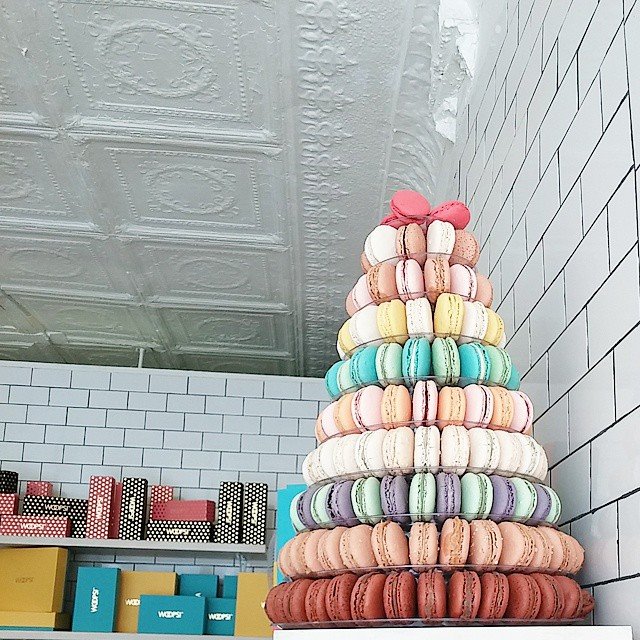
Skyscraper of macarons
Getting off the train in Brooklyn, I turned right instead of left, and found myself at Woops bakery. Thank you, Chocolate Fairies of Sweet Serendipity, for leading me to this gem. Not only were the macarons well-textured and tasty, but the alfajores were nicely not-too-sweet, the decor was refreshing, and the staff were helpful with directions. I know Manhattan but was a relative newbie in Brooklyn and clearly lost – yet found!
Bean-to-bar behind the scenes
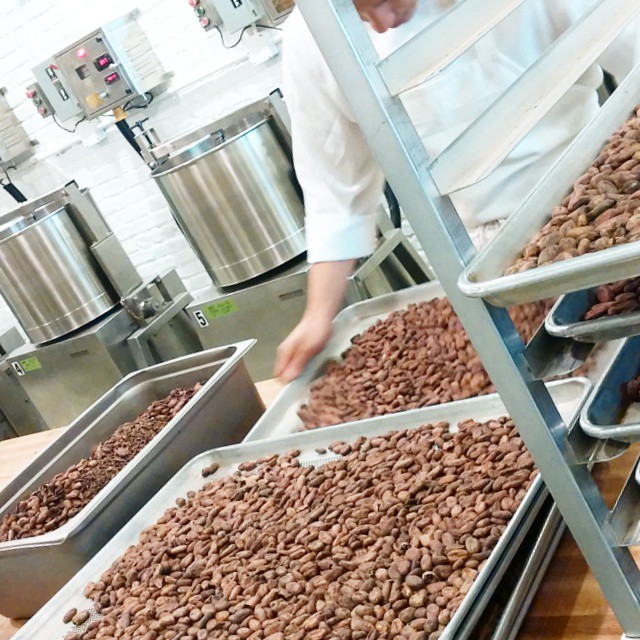
Among the pioneers of the bean-to-bar chocolate revolution are chocolate-making brothers Rick and Michael Mast of Mast Brothers. I’ve been a fan of their chocolate bars since they began making them in 2007, so what a treat it was to go behind the scenes at their Brooklyn manufactory, where I saw the care that goes into each stage of operations (cocoa beans are sorted by hand, sea salt is sprinkled by hand onto finished chocolate bars), and where I tasted their chocolate in flowing form, straight out of the grinder, where fairtrade cocoa beans are mixed for 3 days with sugar and nothing else. I also felt the love that everyone at Mast Brothers has for the art of chocolate. Their brewed chocolate drinks at their drinking-chocolate shop a couple of doors down were also phenomenal, as were their chocolate chip cookies, bonbons, and of course chocolate bars.
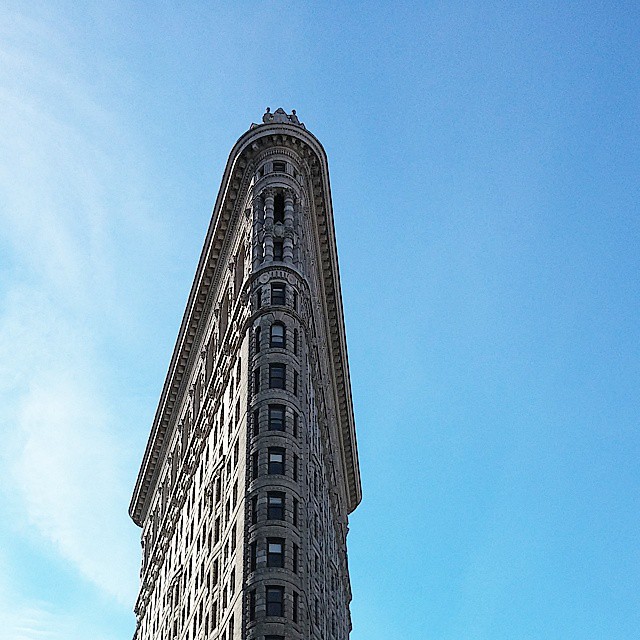
Flatiron Building NYC #onwardandupward
My mission has always been Uplift Through Chocolate, and it was exciting to experience and taste chocolate love in many innovative forms on my latest trip to New York. For more photos, see #NYCNovember2014 on twitter or Instagram, where I post as @chocolateuplift.
With Rick Mast
Save the date of next Veteran’s Day weekend, and join me for another set of sweet and chic adventures in the Big Truffle – email me at chocolateuplift@gmail.com to get on the list.
By Valerie Beck, founder of Chicago Chocolate Tours and Chocolate Uplift, the “Professor of Chocolate”
What’s really in your chocolate bar?
I was asked the other day why I’m against soy lecithin in chocolate, even if it’s organic soy lecithin. I replied that it’s because I’m against industrial sludge in any of my food, including my chocolate!
What is soy lecithin, and why is it in chocolate?
Soy lecithin is an ingredient used by commercial/industrial chocolate makers, to keep chocolate moving through their pipes. It’s an industrial waste product made from the sludge left after crude soy oil is processed with hexane and acetone. Soy oil refining companies found a way to sell their waste back to the food industry in the 20th century, in the form of lecithin. Whether that waste is organic or not isn’t the point. True, I prefer organic food to GMO food. But in the case of soy lecithin, even organic soy lecithin is still industrial waste, and there are whisperings that when it’s labeled as organic it still isn’t because there isn’t enough demand for an organic variety to actually produce one, but in any case it’s not part of the clean-food / artisan chocolate movement.
You might have heard that soy lecithin is an emulsifier, and this is true, though somewhat misleading when applied to chocolate. Emulsifiers bind water and oil. Think of a bottle of salad dressing: the oil and water naturally separate. Soy lecithin is an emulsifier in some products. But chocolate doesn’t contain water. If you’ve ever gotten water in your chocolate while baking, you know that chocolate doesn’t like water and will seize up. So why is soy lecithin added to industrial chocolate? To increase flow, sort of like paint thinner for chocolate. Cacao and sugar are all you need to make chocolate. Why add “paint thinner?”
What does soy lecithin do to chocolate, and to us?
In addition to being processed waste sold back to the food industry for further industrial purposes, soy lecithin alters the taste and texture of chocolate, making it slicker and more standardized.
I love the pure flavor and rich texture of unadulterated chocolate, and I love delicious, complex-flavor artisan chocolate bars with just 2 ingredients – cocoa beans and sugar – such as bars by Askinosie, Dick Taylor Craft Chocolate, and so many others. Depending on how the cocoa beans are developed through the chocolate making process, chocolate makers can express different stories and provide different flavors. Without additives, the chocolate can tell a more nuanced story.
Moreover, there are other serious issues surrounding soy, as some studies show it can lead to thyroid problems, infant abnormalities, and cancer. This is the case whether the soy is organic or not.
The soy industry and Big Food industries are obviously massive, and some people will tell you that a small amount of soy lecithin in your chocolate won’t make a difference to your health. But even if you didn’t mind the flavor and texture reductions or alterations, the amount of soy lecithin that many people are eating may not be so small after all. That’s because it is in so many processed foods ranging from salad dressing and mayonnaise, to bread and cake mix, and even tea bags.
Do you want hexane-processed sludge with that?
Even if you steer clear of most processed foods and fast food, do you want any hexane-processed industrial sludge in your food at all? Imagine you were at a fine restaurant, and the server asked if you would like ground pepper, parmesan, or a few drops of hexane and soy sludge on your meal. Yikes!
Isn’t it an upside-down state of affairs when industrial waste in food is the norm, and we have to explain why we don’t want it?
What we can do about it
Don’t despair! How can you make sure there’s no soy lecithin in your chocolate bar? Read the label! If you see something you don’t like, or can’t pronounce, you can back away from the bar, and make a different chocolate choice. You can also contact the company and let your opinion be known.
Discussing and sampling the goods at a bean-to-bar meeting I held with one of my chocolate consulting clients
Happily, there is a chocolate revolution happening right now, with wonderful bean-to-bar chocolate makers such as the ones I highlighted above and many more including those in my distribution and broker portfolio, creating amazing chocolate deliciousness with cocoa beans. By controlling the entire chocolate-making process, from sourcing the cocoa beans through controlling the steps such as fermenting, roasting, and mixing or conching the cocoa beans, they can draw out different flavors based on differences within the steps of that process.
More good news: artisan chocolate makers who use pure ingredients are generally the same artisan chocolate makers who use fair or direct trade, slavery-free, sustainably grown cocoa beans. Chocolate that’s delicious, ethical, and full of health benefits? That’s how it should be!
Hello from one of my “Eat Chocolate, Be Skinny” seminars, which are educational and entertaining presentations and chocolate tastings on how to decipher chocolate bar labels and gain maximum chocolate health benefits.
Remember: chocolate comes from cocoa beans, which are the seed of the fruit of the cocoa tree. Yes, chocolate comes from fruit! Keep the chocolate pure, and you have wonderful health benefits, wonderful flavor opportunities, and benefits rather than harm to farmers and the planet. That’s chocolate uplift indeed.
To sum it up in hashtags that you’ll see if you join me on Instagram or twitter at @chocolateuplift: #eatrealfood and #eatrealchocolate!
After visiting enchanting Ecuador for a week in September 2014 as part of my ongoing consulting project with the Trade Commission of Ecuador to promote their quality fairtrade cocoa beans and chocolate, I’m convinced that this country is the best-kept secret in the Western Hemisphere.
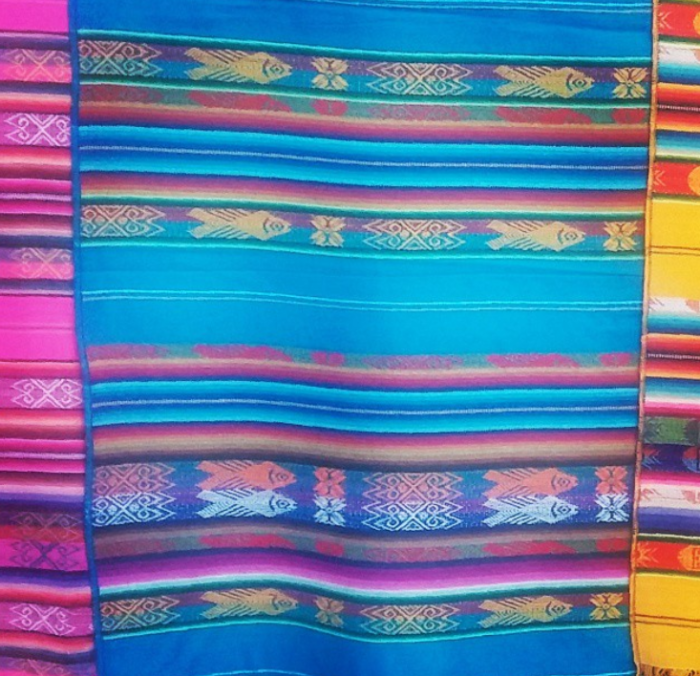
Here’s why: the delicious and ethical chocolate and cacao, the incredibly fresh and flavorful cuisine, and the stunning landscapes. I could go beyond that to the beautiful textiles, the fascinating history, and of course the warm and wonderful people. But then this post would be more of a book. Indeed, that’s an idea! Well, more posts on more items are coming soon.
For now, here are the top 3 things I love about enchanting Ecuador!
1. Chocolate
Here’s yours truly Valerie Beck with a freshly opened cocoa pod on a Pacari family farm
Ecuador is known for its chocolate, or more specifically its delicious fairtrade cocoa beans from which chocolate is made. Ecuador is the 6th largest grower of cocoa beans in the world, though they’re a small country around the size of Nevada.
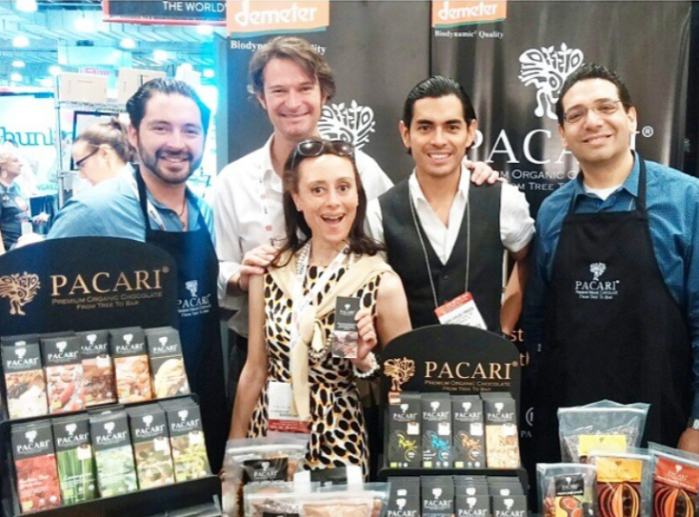
I visited two cocoa farms during my trip: the incredibly innovative Camino Verde farm in the coastal province of Balao, and a delightful small family farm in the Amazon basin that is one of 2,500 such farms growing for Ecuador’s Pacari Chocolate brand.
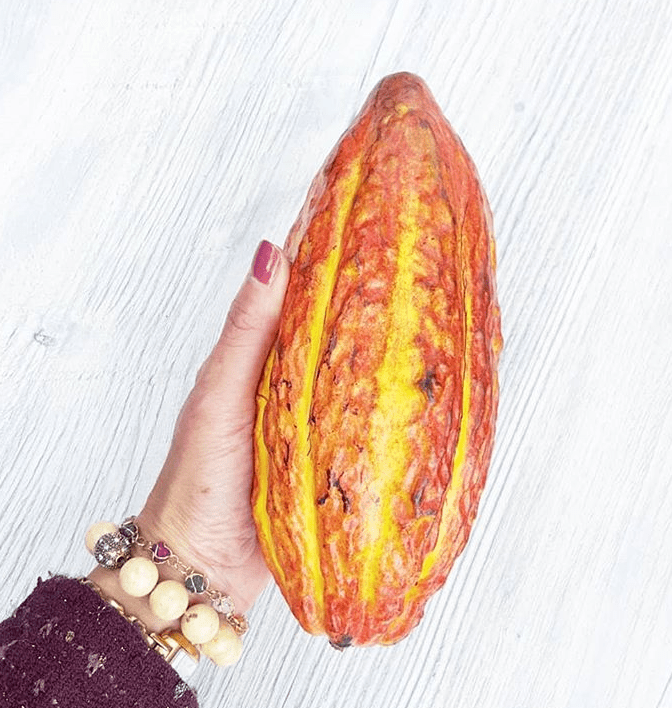
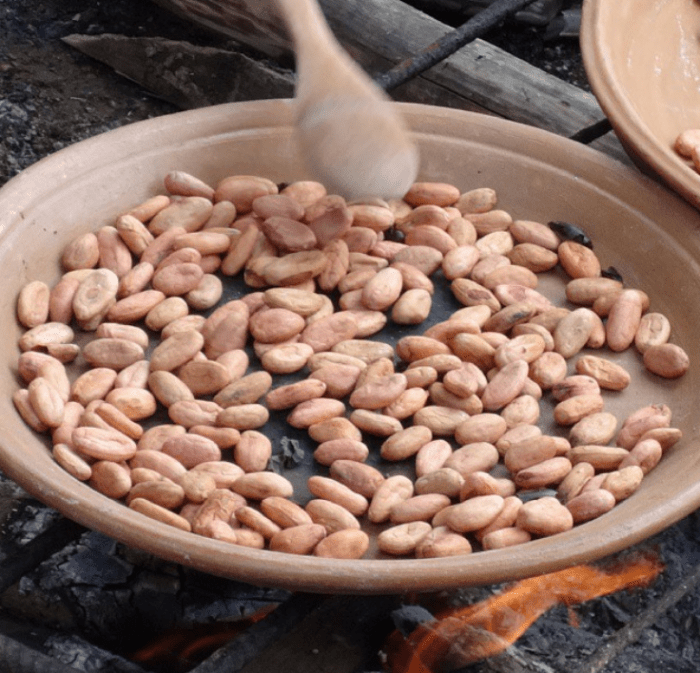
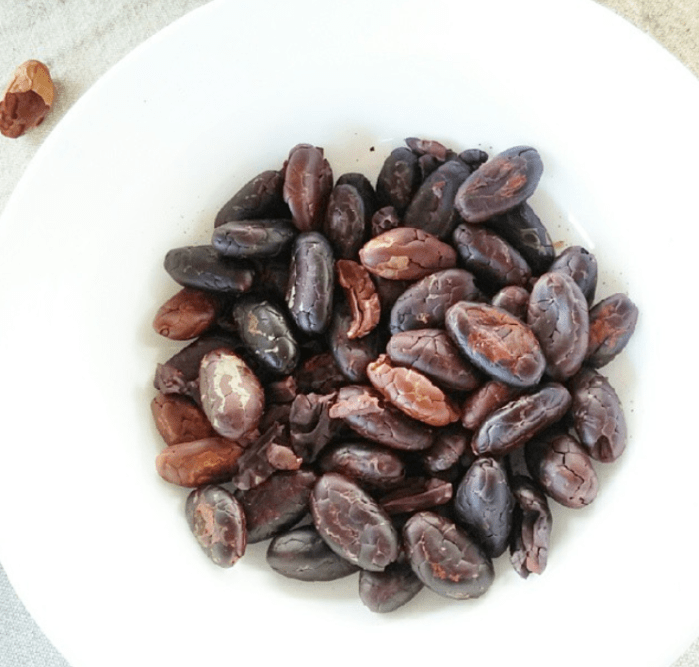
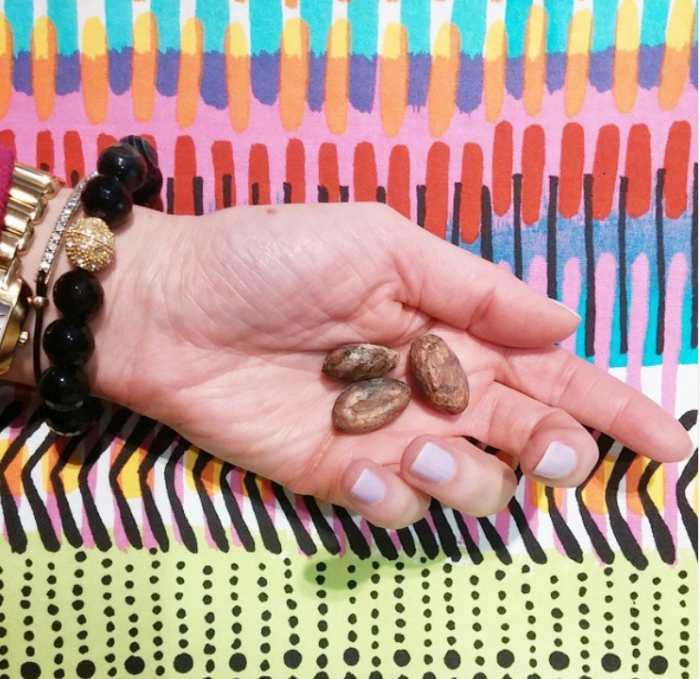
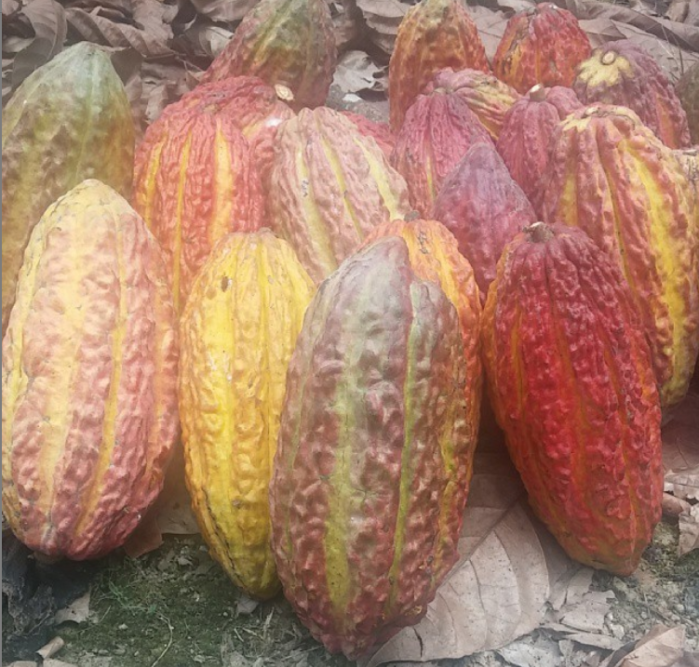
Both farms were revelatory. Being able to go to the source, receive a beautiful cacao pod from a beautiful cocoa tree, open the pod and taste the sweet, floral, flavorful pulp surrounding the beans, and even eat the raw beans themselves, was a meaningful experience because it showed me firsthand the first steps of the chocolate process and the magic of how chocolate begins as fruit.
Part of the beauty of Ecuadorian cacao is that it is grown in a socially responsible way, mainly on small family farms. Contrast Ecuador’s fairtrade, ethical, and sustainable farming and labor practices, with the human rights abuses prevalent in West African cacao, including child slave labor, as well as the general lack of traceability of West African beans. We want to know where our food, chocolate, clothing, everything comes from, and we want the practices to be ethical. Seventy percent of the world’s chocolate comes from cocoa beans grown in West Africa, mainly the Ivory Coast and Ghana. This means when someone picks up popular commercial chocolate brands in the drugstore, they’re buying unethical chocolate, the fruits of abomination.
Cocoa tree nursery on the Camino Verde farm
A way to make sure you’re buying slavery free chocolate is to buy South American chocolate, or chocolate from other regions of the world outside of West Africa. Look at the chocolate bar’s label to find the origin of the cocoa beans, just like you would see the origin of the grapes on a wine bottle label, or the origin of coffee beans on a bag of coffee. Look for words like fair trade or direct trade, or simply look for place names like Ecuador.
I’ll share more about Ecuadorian cacao, and about steps we can take to end slavery on cocoa farms, in other posts. You can also click here for CNN’s reports on chocolate’s child slaves.
Here’s to delicious and ethical Ecuadorian chocolate and cocoa beans!
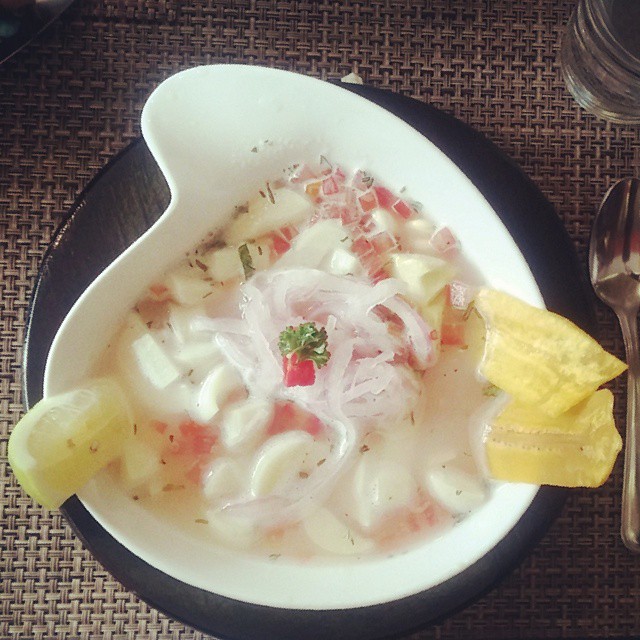
Vegetarian ceviche at Barlovento restaurant, at our Harvard Club of Ecuador luncheon
2. Cuisine
Cacao is nature’s perfect food, and the rest of the food in Ecuador was also glorious. Another reason I love Ecuador: the cuisine is fresh and light, with amazing flavors and ingredients not found elsewhere, due to Ecuador’s incredible biodiversity and variety of climates. Plus, the food is not laced with GMOs and artificial ingredients, so instead of eating industrial food which can bring disease and obesity, you’re eating real food which brings health and fitness.
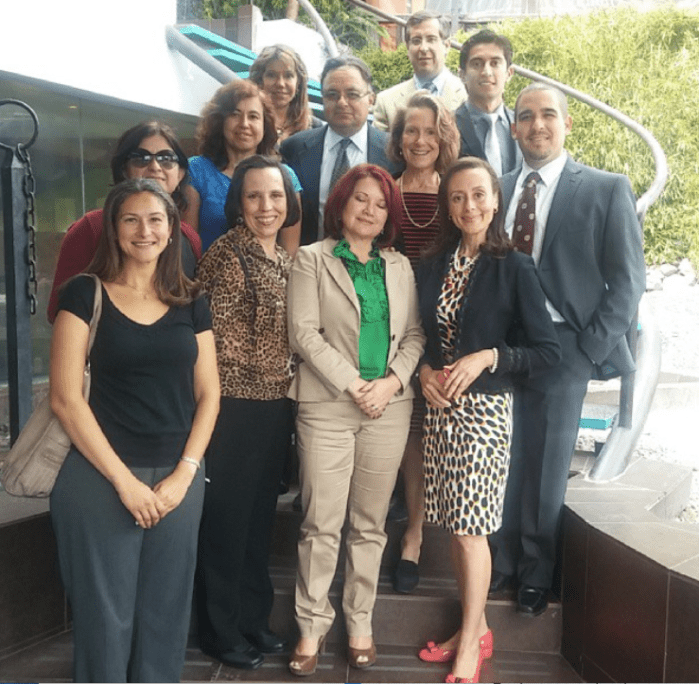
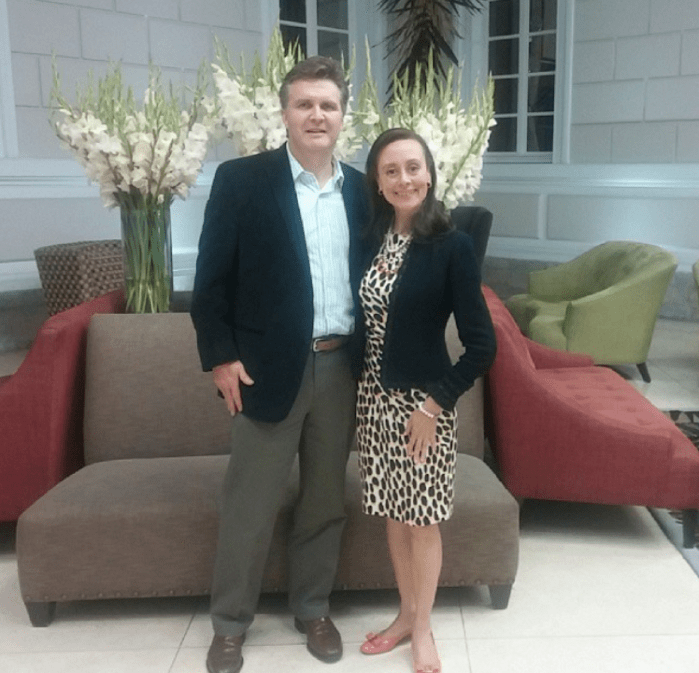
As a vegan-ish vegetarian, I found a huge range of flavorful and satisfying options created from fruits, vegetables, and herbs, such as the refreshing vegetarian ceviche I had at Quito restaurant Barlovento. The Harvard Club of Ecuador was kind enough to hold a luncheon for me while I was in Quito; it turns out the Club President and I were at Harvard Law School at the same time. The restaurant is owned by the mother of a student at Kendall College in Chicago where I’m an Adjunct Professor, and the owner is also a friend of the Club President. Small world-ism in action! The Honduran Ambassador to Ecuador was also at the luncheon; it was a treat to sit next to Madam Ambassador and talk cacao!
Harvard Club of Ecuador luncheon
Meanwhile, seafood lovers visiting Ecuador will also find amazing options due to Ecuador’s location on the Pacific Ocean, and meat eaters will have no shortage of creatively prepared dishes.
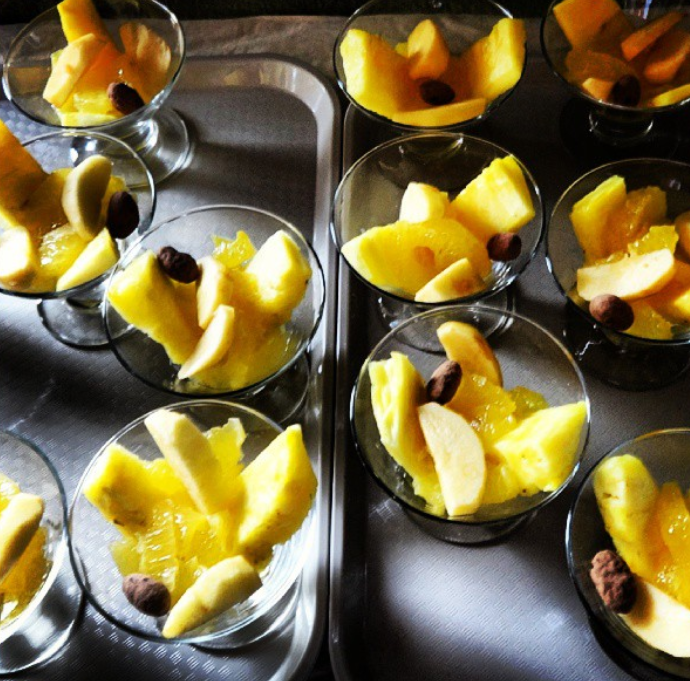
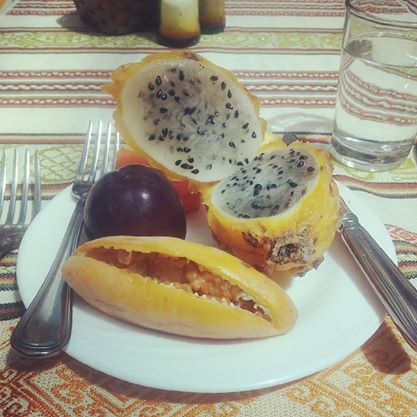
One of my favorite Ecuador breakfasts: pitaya fruit with black seeds, and taxo fruit with an oblong shape
Did I mention the fruit! I tried many varieties I’d never seen or tasted before, such as pitaya which was similar in appearance to dragon fruit and tasted sweet, and taxo which was extremely tart and citrusy. I had to be shown how to open and eat these amazing fruits, and the lesson was worthwhile!
Chocolate comes from fruit, and since I already raved about Ecuador’s amazing cacao at the beginning of this post, I’ll move on, though I could go on and on about other incredible cuisine experiences in Ecuador. Watch for a separate food-focused post!
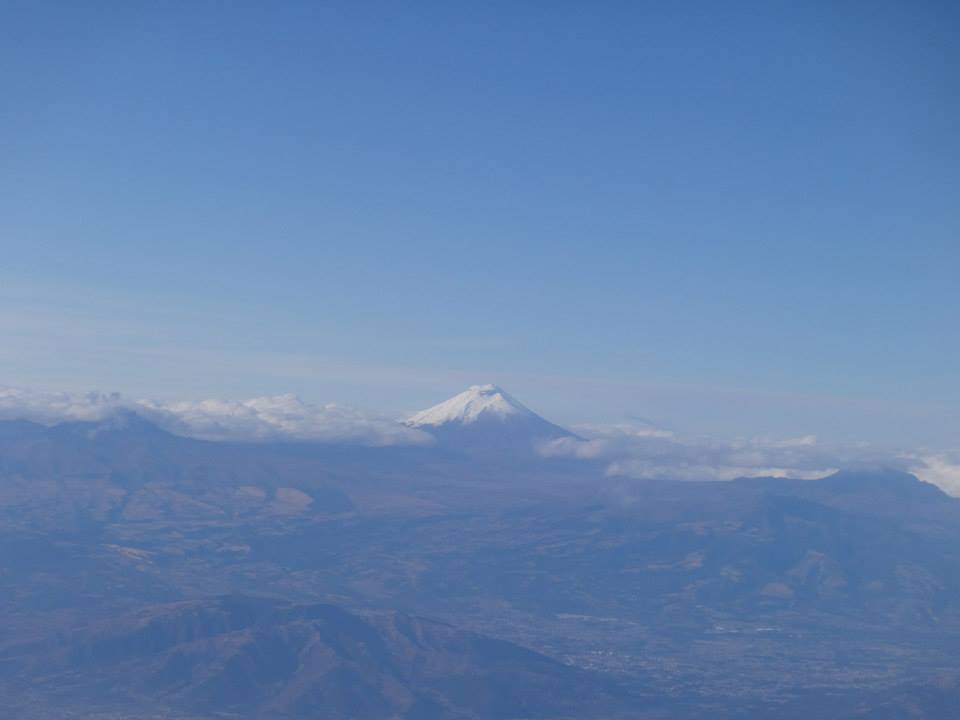
Cotopaxi mountain along the flight from Quito to Guayaquil
3. Landscape
Earth is beautiful. What makes the part of Earth that is Ecuador so visually spectacular and so rich in plants and animals, is that this small country has three distinct climates – along the tropical Pacific coast in the west of the country, in the Andes Mountains running down the center of the country, and in the Amazon basin to the east – or four if you count the Galapagos Islands which are also part of Ecuador.
Sunrise view from my room at Casa Gangotena, on my first morning in Quito
I visited the three climates on the mainland, starting with the fresh mountain climate of capital city Quito, 9,400 feet up in the Andes Mountains, some of whose peaks reach 15,000 and 20,000 feet. Around twice as high as Denver, or as high as about nine Sears Towers stacked on top of each other, Quito has a majestic setting, cool clean dry air, and temperatures up to the 70s during the day, and down to the 40s at night.
I am grateful to enjoy radiant health, yet had altitude headaches and dizziness the first two days, including during the wonderful meetings I had with cacao growers, chocolate company owners, and government leaders during day 1. (I think the people I met with took my lightheaded giddiness for enthusiasm, and in any case I was enthusiastic!) I didn’t take any altitude medicine, but chocolate helped (chocolate helps everything!), and after 48 hours I was fine though constantly thirsty. Happily, my fabulous hotels Casa Gangotena and Hotel Patio Andaluz provided all the water I could drink, and all was well.
With Vicente Norero of Camino Verde at the Aromas del Ecuador chocolate and cacao meetings
Next, I flew from Quito to Guayaquil, which is the largest city in Ecuador and the main port city. The flight over the spine of the Andes was just 50 minutes, and once in Guyaquil I was in a beautiful, summery, hot and humid Miami-like climate, only with mountains on the horizon. From Guyaquil, our Trade Commission group drove 2 hours through small towns and verdant plains, until we reached the Camino Verde cocoa farm, described above. Tropical glory!
The third climate on the Ecuadorian mainland is the Amazon climate. Back in Quito, we drove down the mountains – the roads were new, wide, and provided dramatic views – to an elevation of around 2,500 feet. The air was soft and moist, the trees and foliage were lush, and the Pacari cocoa farm we visited was fantastic, as described above.
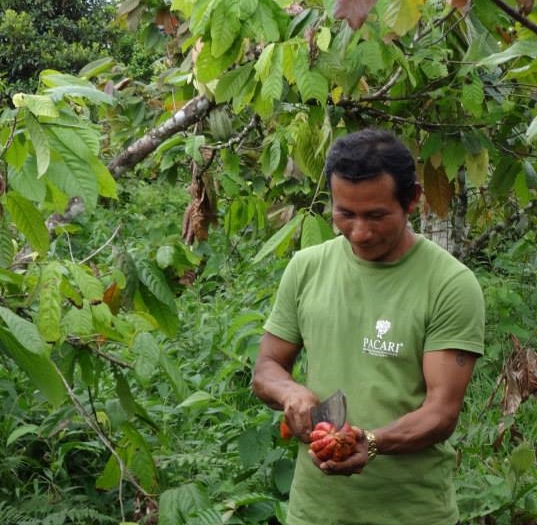
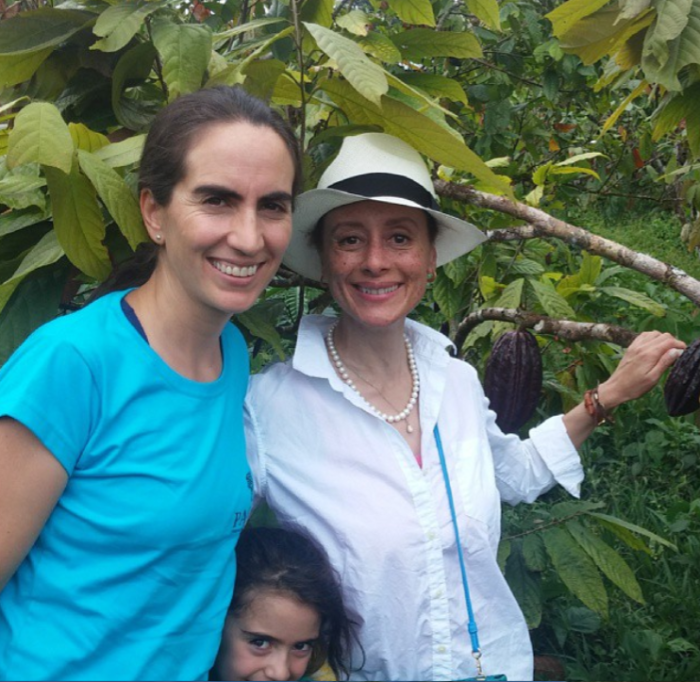
About to sample fresh cocoa beans and sweet pulp on a Pacari cacao farm in the Amazon basin
Because Ecuador is on the equator (hence the country’s name), climate changes not by season but by altitude. Visiting the equator itself, just outside of Quito, was a blast. There are actually two equator monuments or museums: one marks the actual equator, and the other marks where Europeans thought it was.
Here’s what happened: the pre Incan people knew exactly where the equator was. They knew astronomy and nature, and the sun figured in their worship and daily life. Then a French expedition came, studied the situation for 8 years, and said no, the equator was 240 meters away (or around 787 feet). Then, in the 1990s, GPS confirmed that the equator is right where the ancient people said it was.
Standing on the equator – the real one
Today, the Mitad del Mundo large monument and theme and shopping park around the “French” equator honors the work of the Europeans, celebrates history, and promotes development. Several hundred feet away on the actual equator, the Museo Intinan marks the real spot with charming and interesting demonstrations such as how water – and ocean storms – circulate clockwise on one side of the equator and counter clockwise on the other, while honoring the ancient people with reconstructions of their style of home and life.
By the way, getting to and around Ecuador was extremely easy. No visa is required for US citizens. I flew 3 hours from Chicago to Miami, changed planes, and flew 4 hours from Miami to Quito. Quito is on central time, so it was the same time there as in Chicago. And Ecuador does not have its own currency but uses US currency, which goes quite far there. A taxi ride across Quito for example was $2. So, arriving at and enjoying the gorgeous landscapes, sights, and flavors of Ecuador was safe and simple.
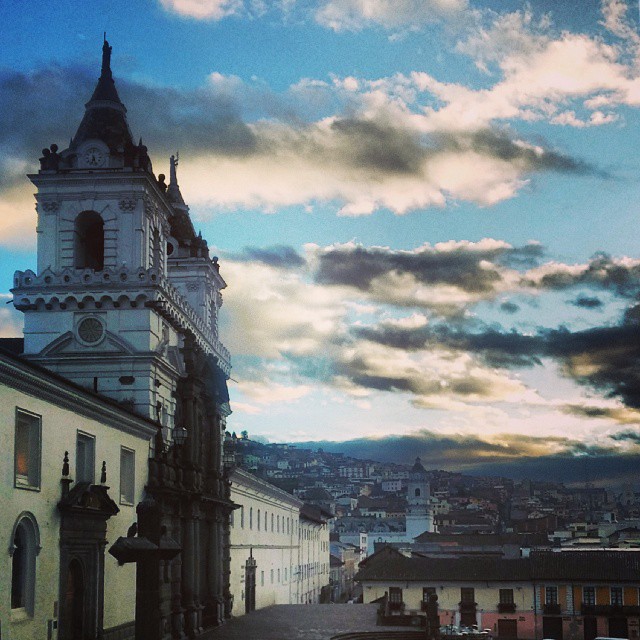
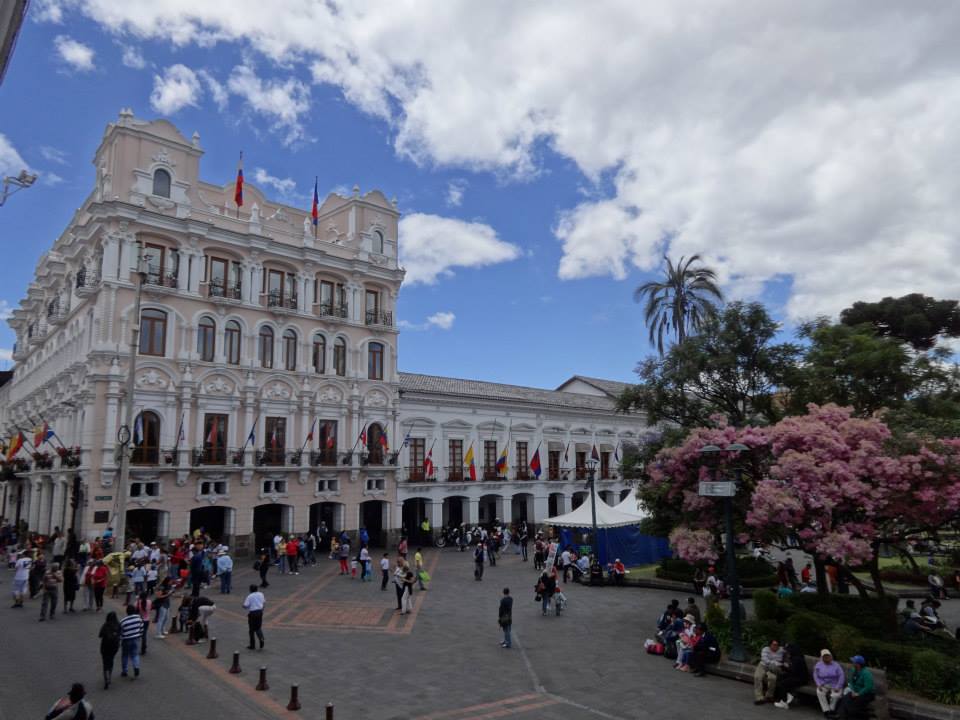
Independence Plaza (Plaza Grande) in Quito
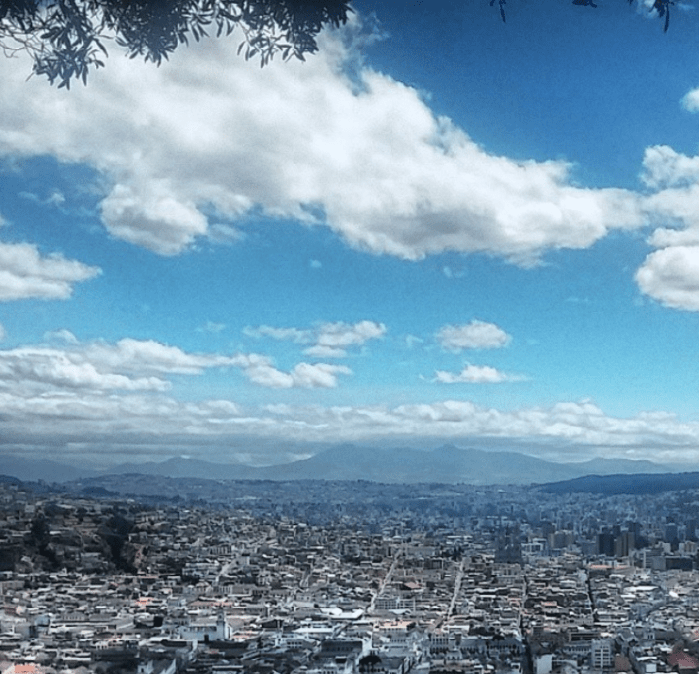
I’m looking forward to traveling again for more enchanting Ecuador – contact me if you’d like to join a group trip! And scroll down for more scenes from this one!







 Chocolate Uplift