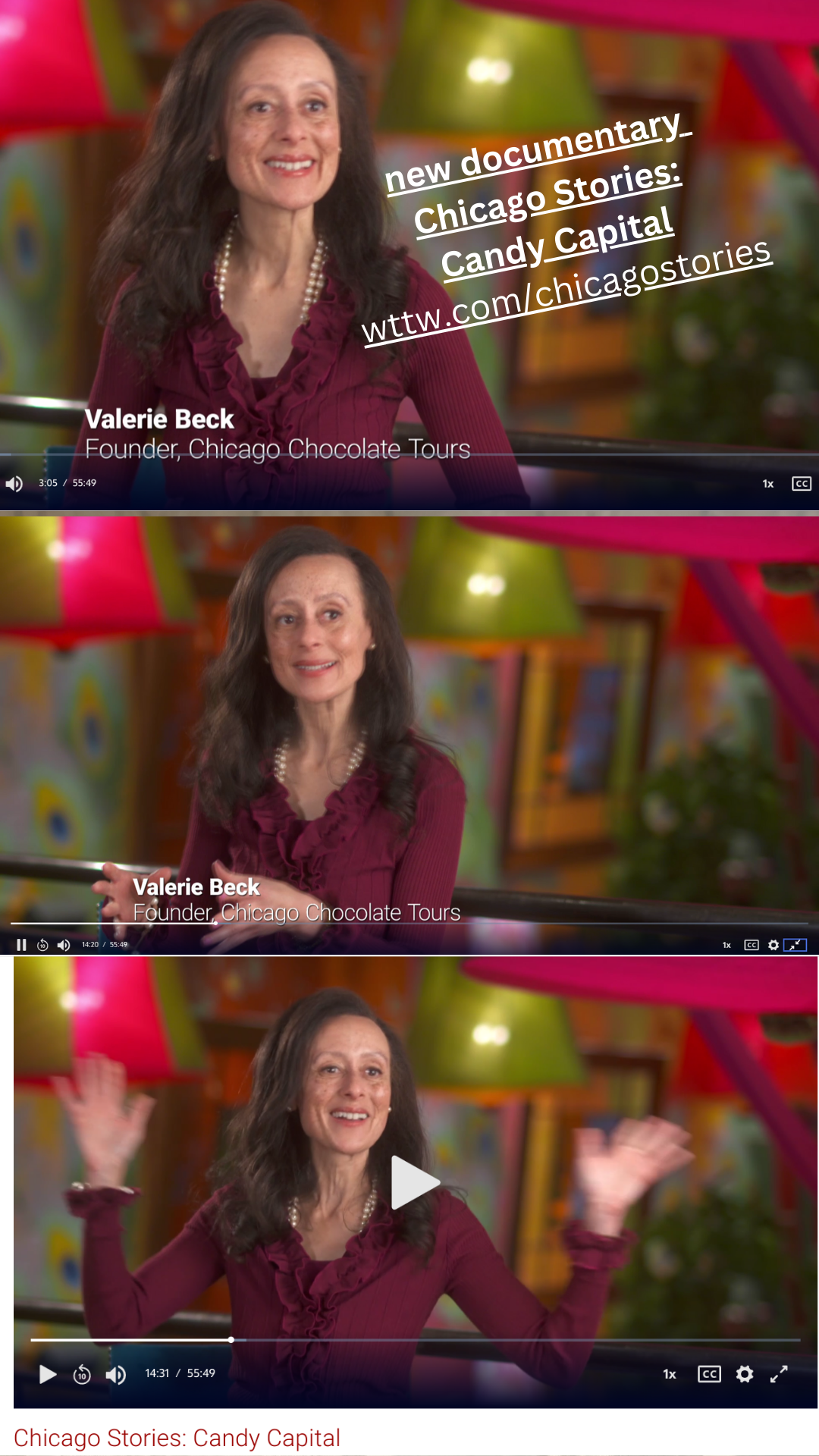
Chicago Stories: Candy Capitalpremieres on Friday, October 27 at 8:00 pm on WTTW and streaming on the PBS app and wttw.com/chicagostories.
Taping was last winter, and if I can figure out how to get the behind-the-scenes photos I took from my old phone, I shall share!
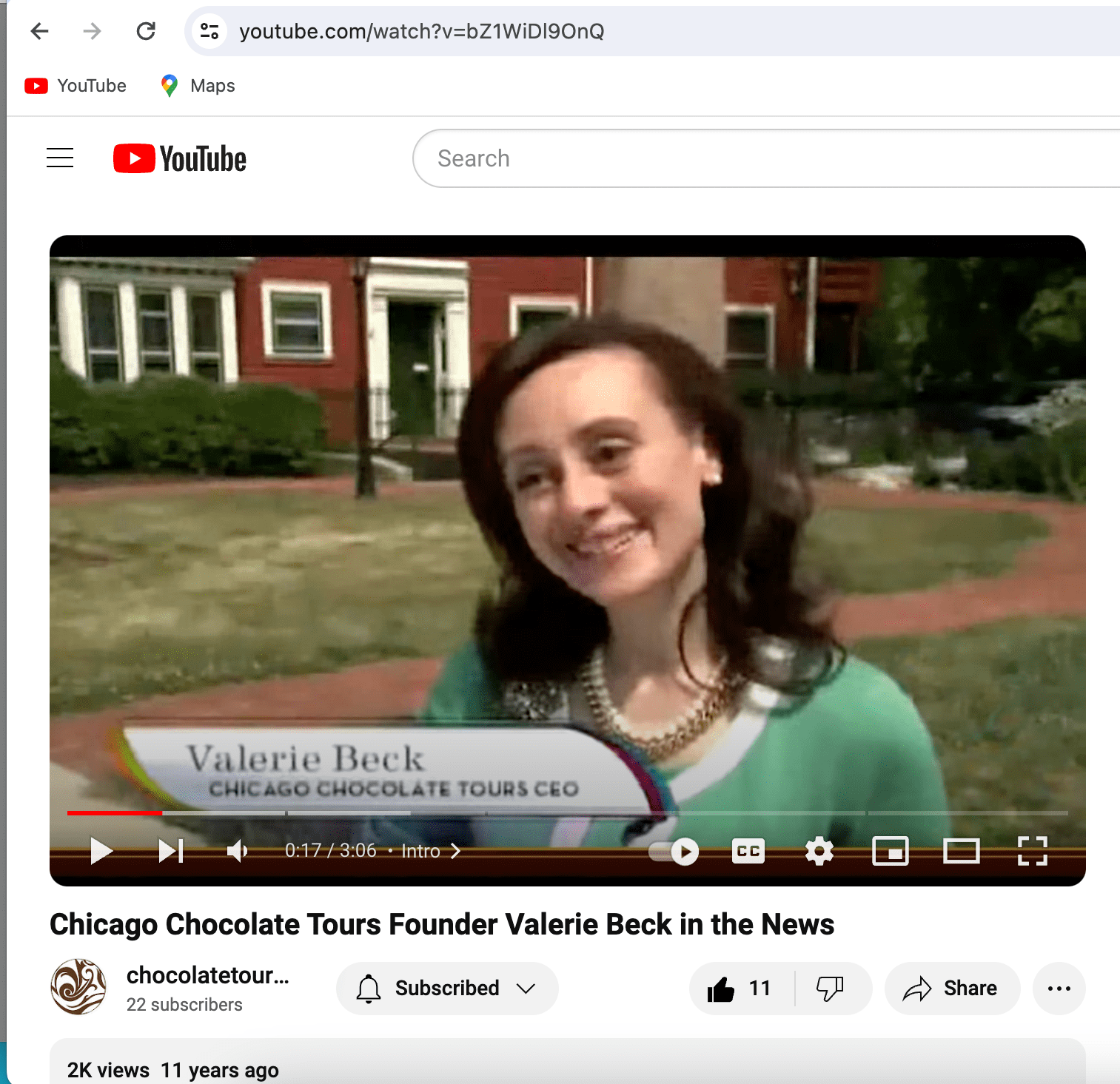
In the meantime, an oldie but goodie for you: here is a sizzle reel of clips from some of my TV appearances during the Chicago Chocolate Tours days — the first company I founded, and the first chocolate tour company in the world, based on an idea I developed when I was 19, though I didn’t found the business officially until some time later! I founded the original, official, business in 2005, and opened in additional cities starting in 2009. I still have media from our Philadelphia Chocolate Tours, Boston, etc., too
Do you know that my fabulous team of Tourguides, Managers, and other amazing indiviuals — collectively, the Choc Stars! — grew to 50 people, in multiple cities, and that we operated around 22 tours in Chicago per week, 15 tours a week in Philadelphia, and 5 in Boston, with seasonal or special-event tours in New York, DC, and Beverly Hills? I remain proud of the team, honored to work with our vendors, and grateful for our customers — the Tourguests.
Oh the fun we had! And the chocolate!
Thank you to the WTTW team for additional fun, and history, in the form of the new documentary!
What a blast to hold a special event for innovative Chicago attorney and dear friend Daliah Saper’s exciting Saper Law Immersion Program https://www.saperimmersion.com/, during which a bright and motivated cohort of high school and college students hear from lawyers in different specialties and work environments — including lawyers-turned-entrepreneurs like me!
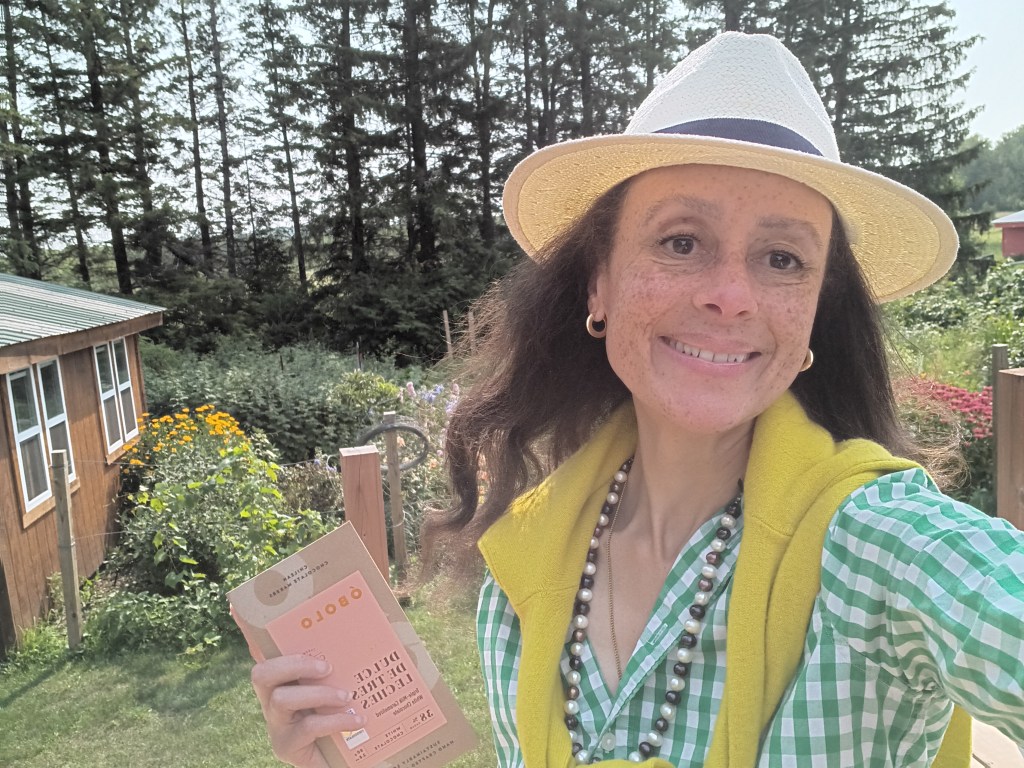
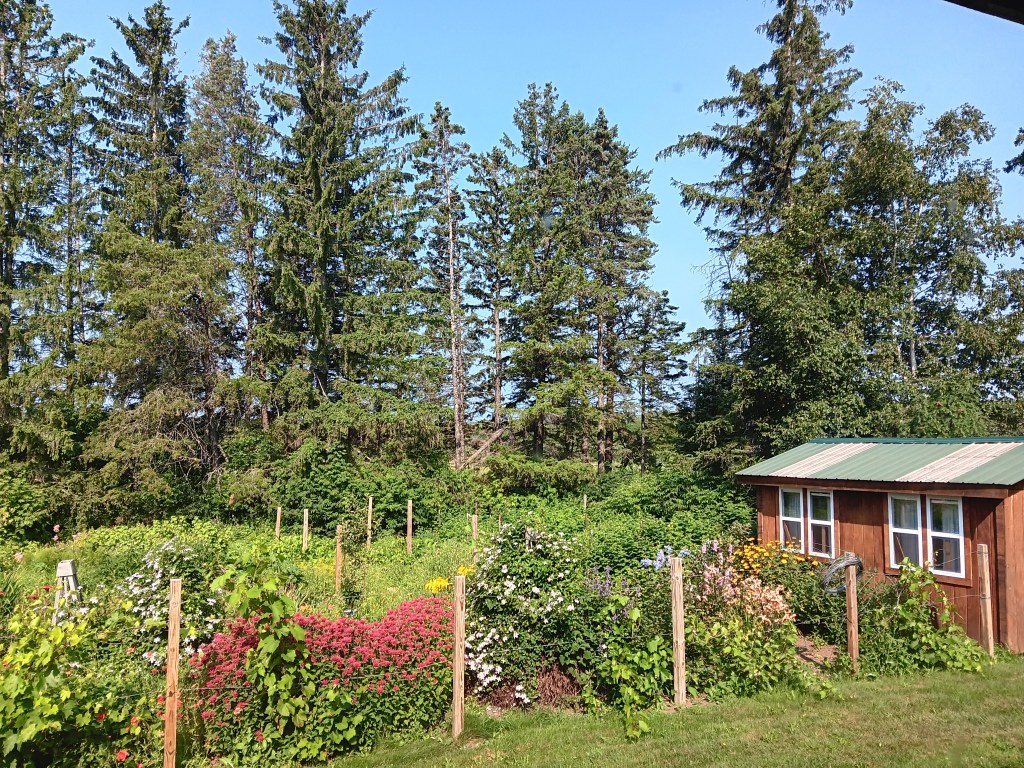
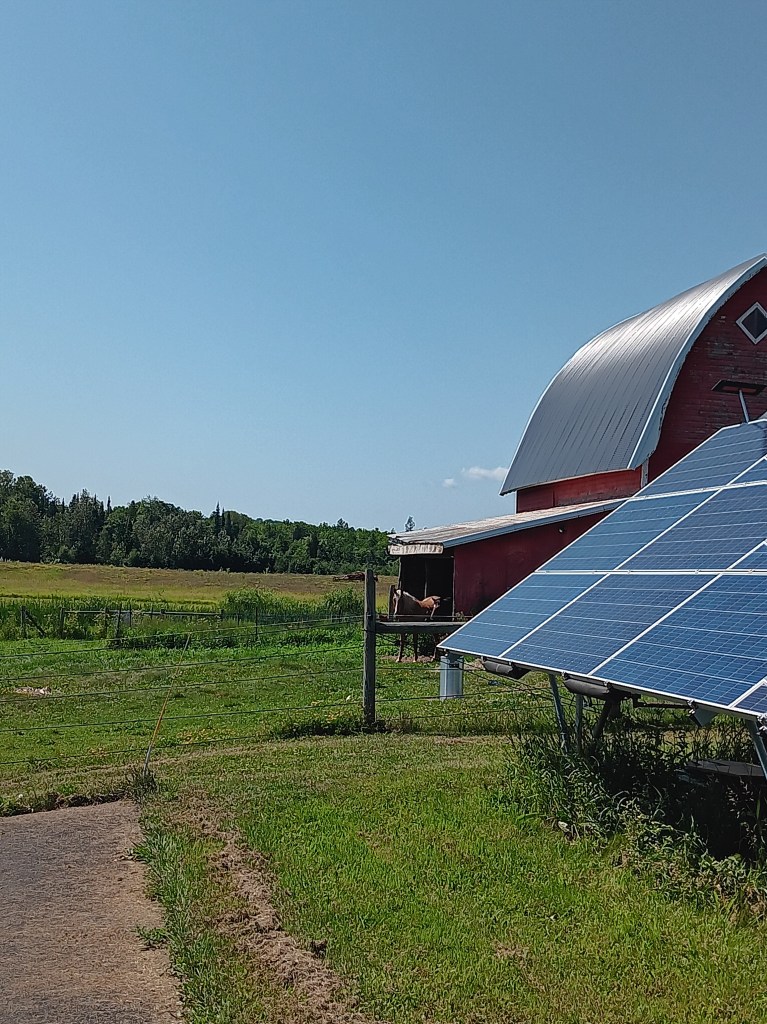
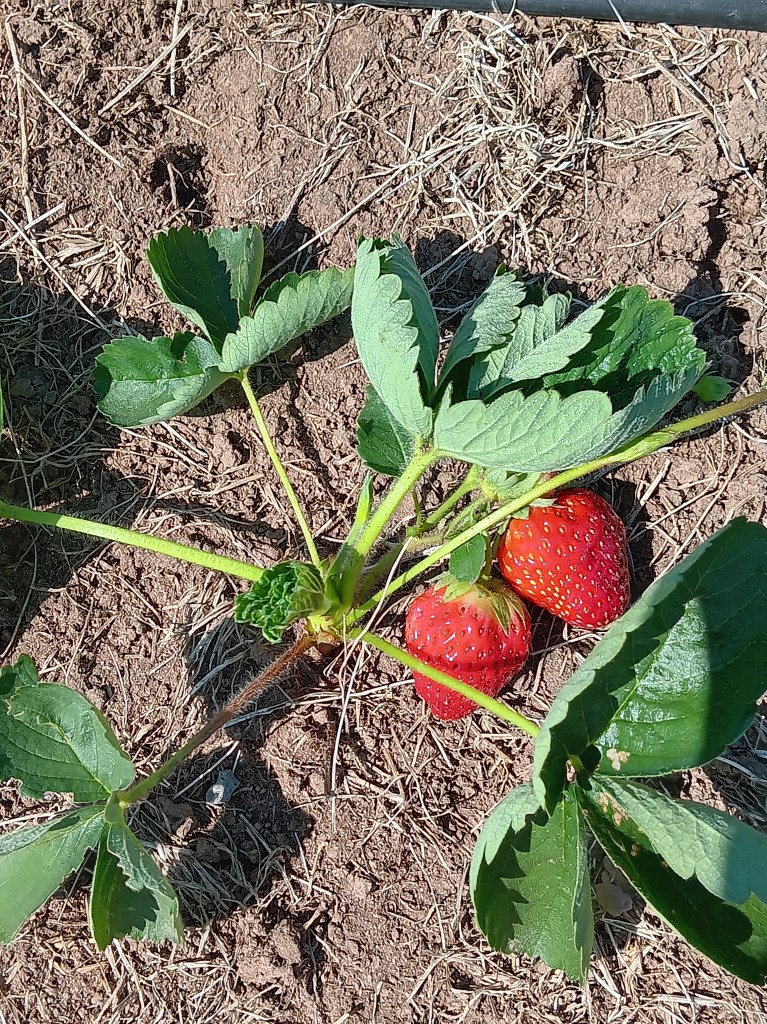
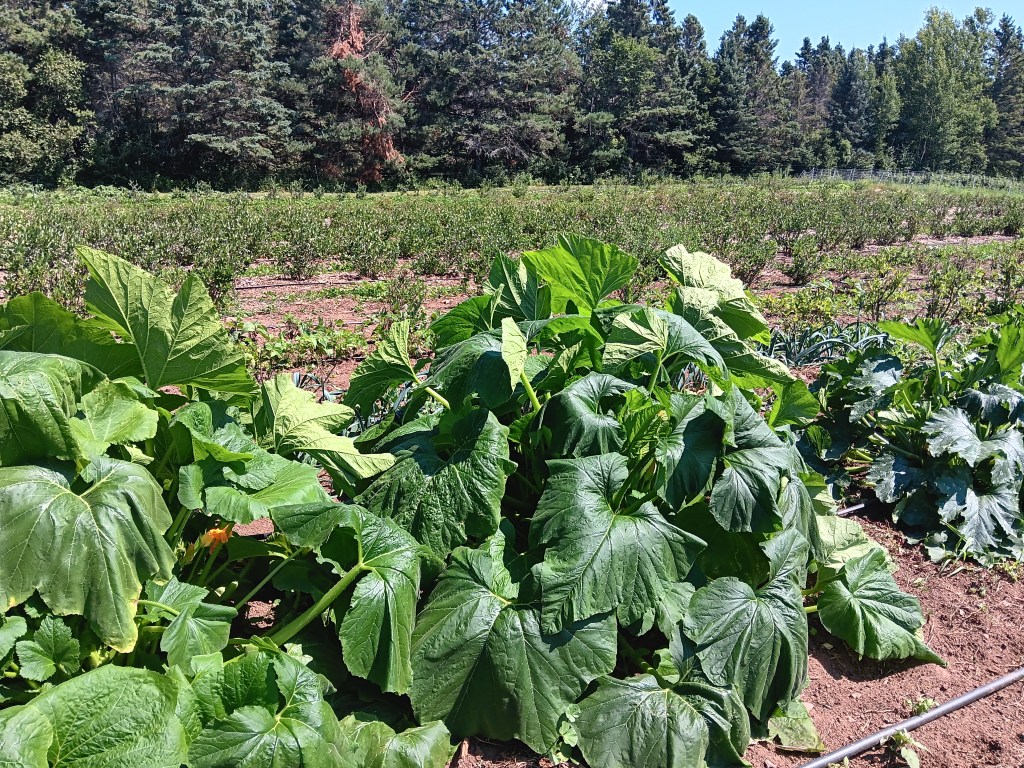
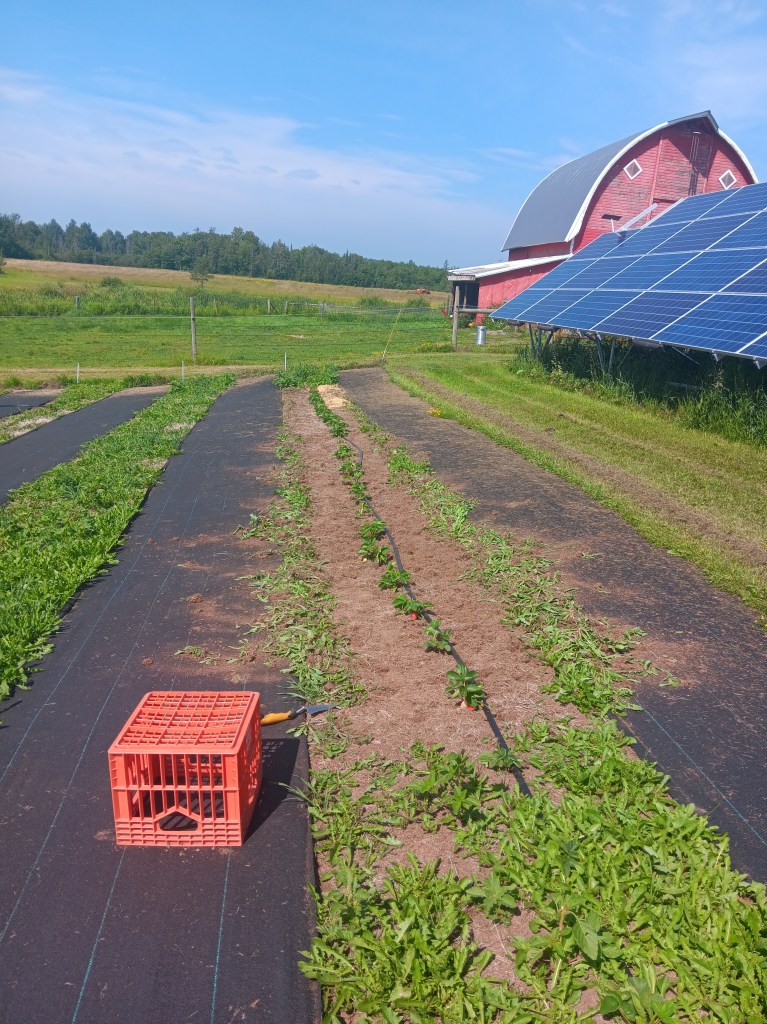
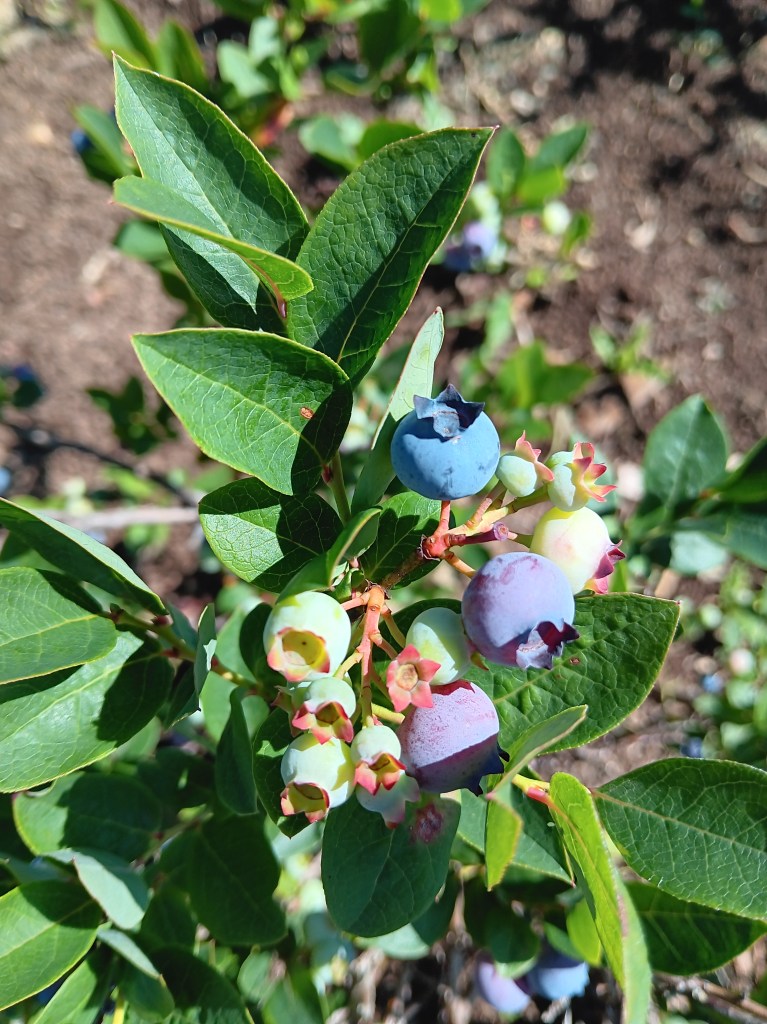
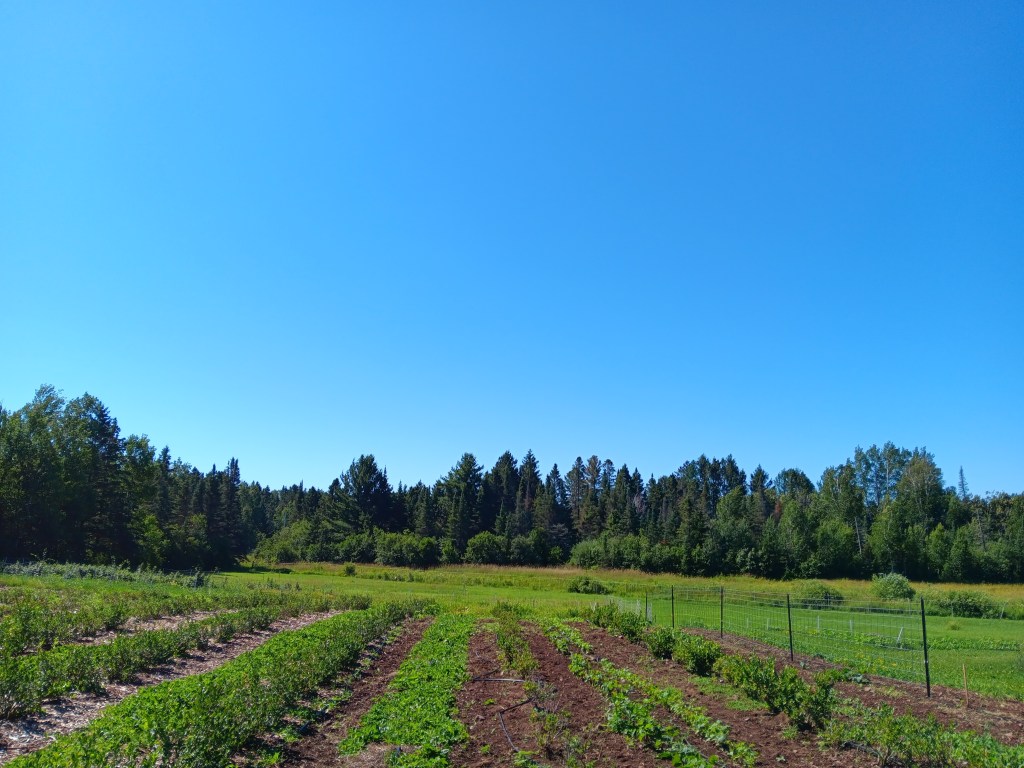
Note: I’m offsite on a small organic berry farm in Minnesota – scroll down for photos – and can’t seem to hyperlink text from the app on my phone; please forgive that the URLs in this post are spelled out, which I hope you won’t find too distracting.
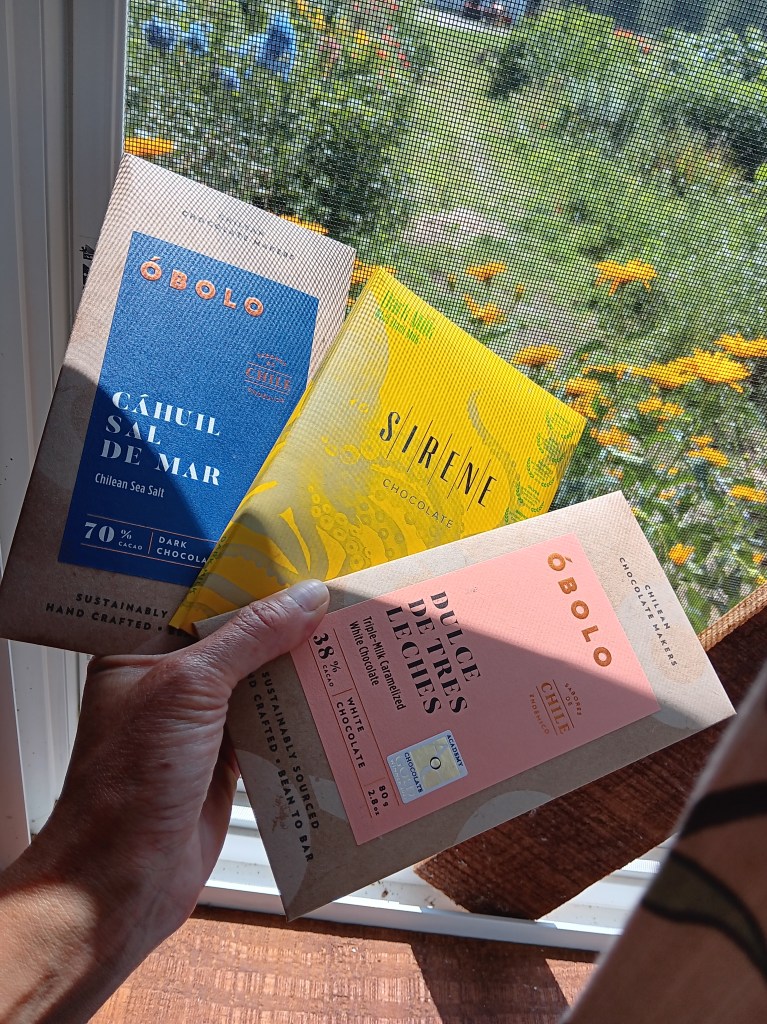
We sampled three exquisite craft chocolate bars as I shared legal experiences from three eras:
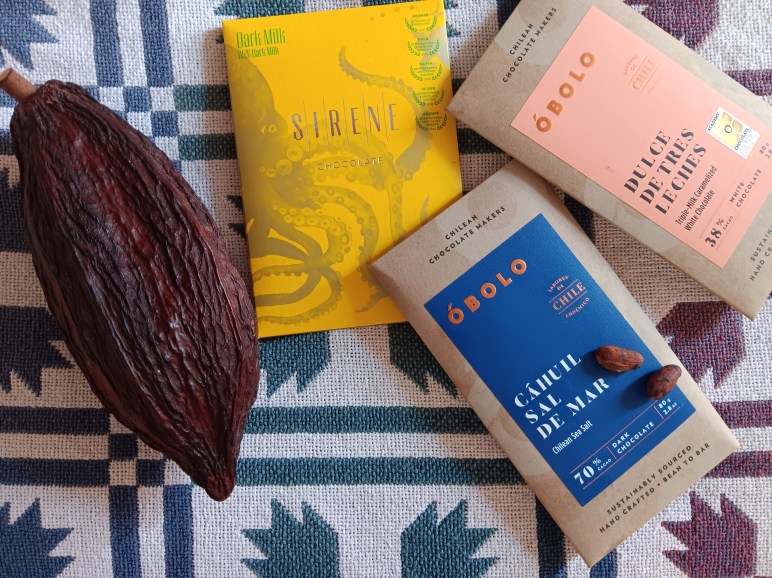
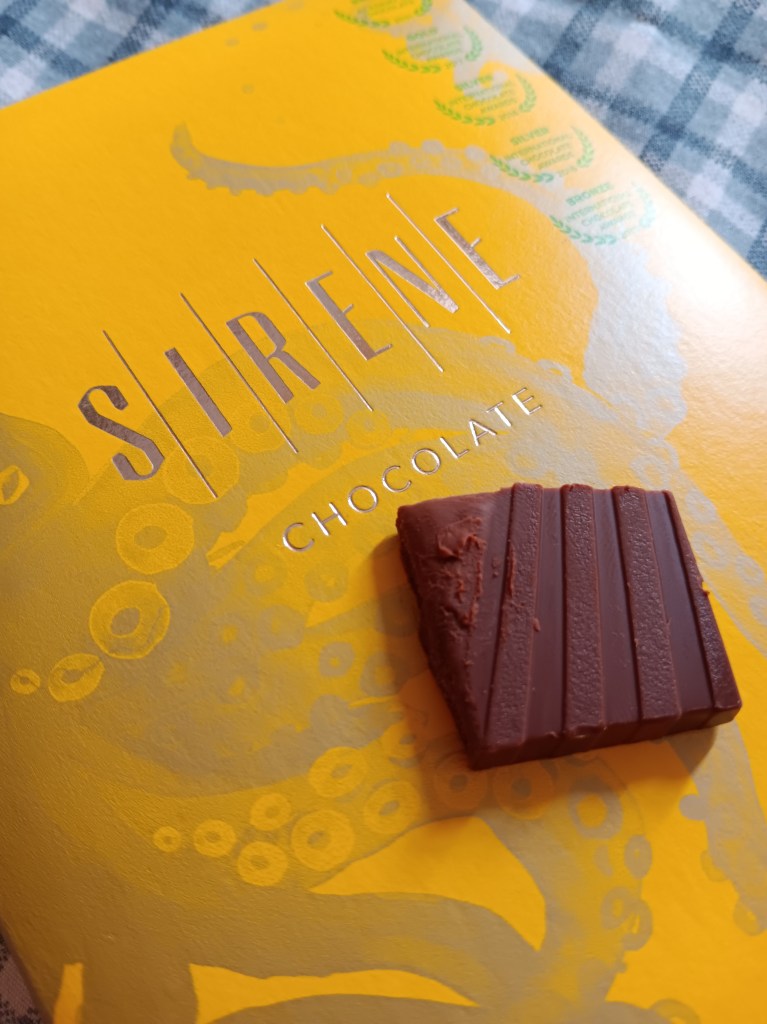
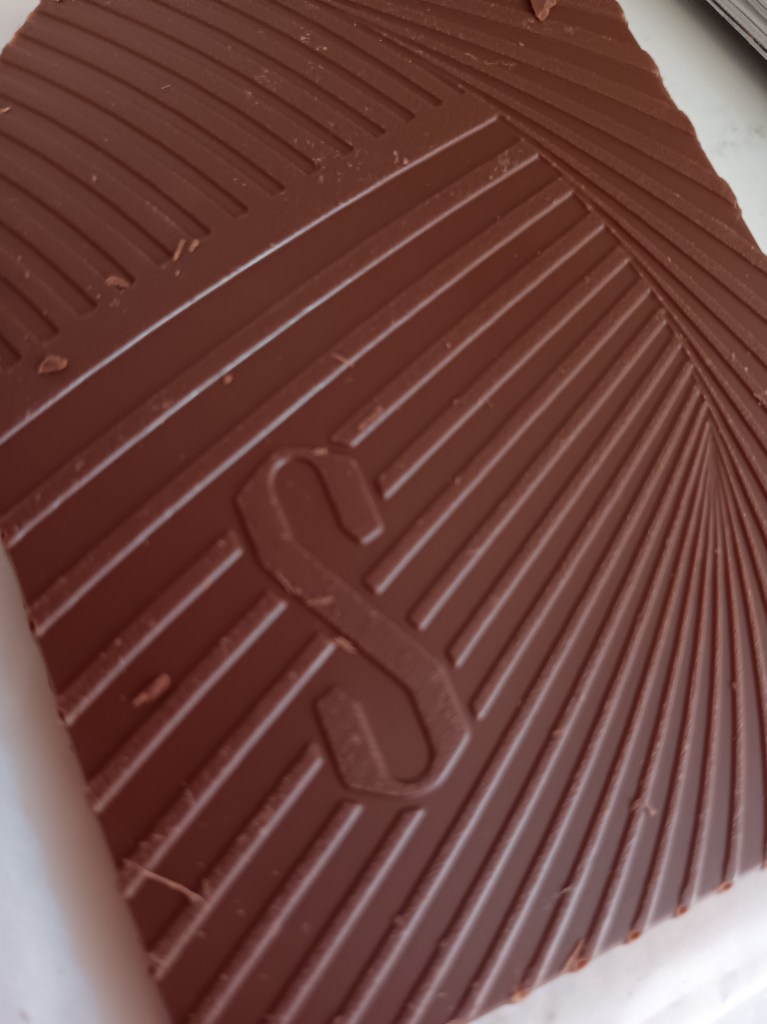
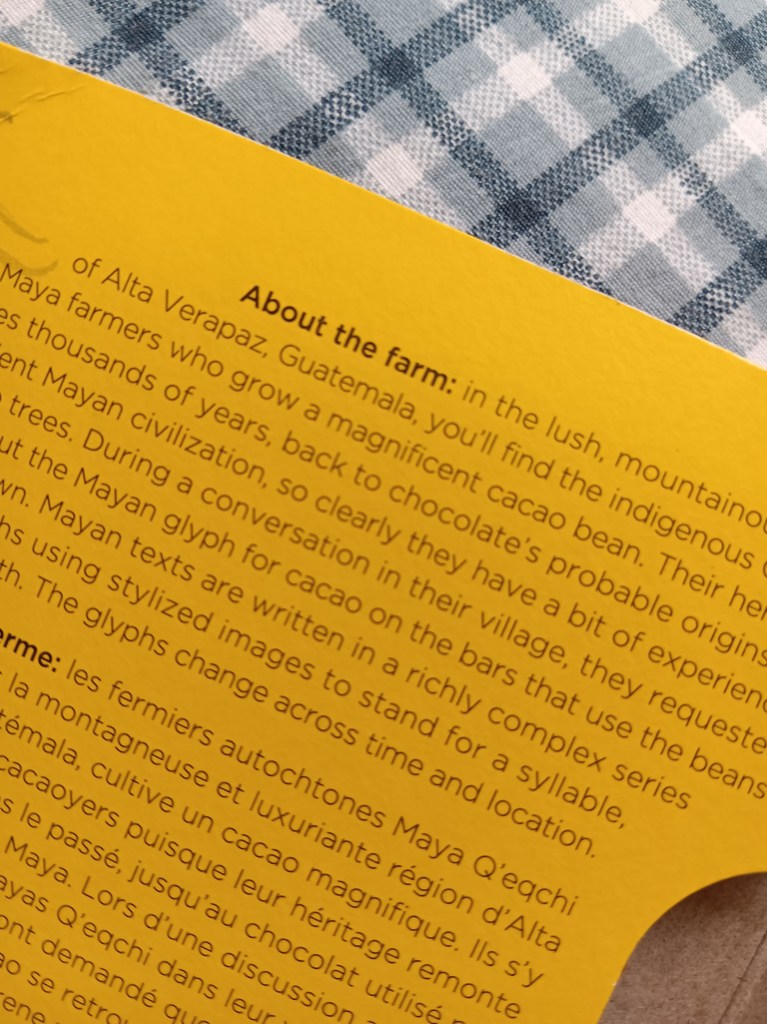
* before practicing law (while in college and law school), paired with Sirene Chocolate https://sirenechocolate.com/ of Canada Dark Milk 65% on Guatemala cacao,
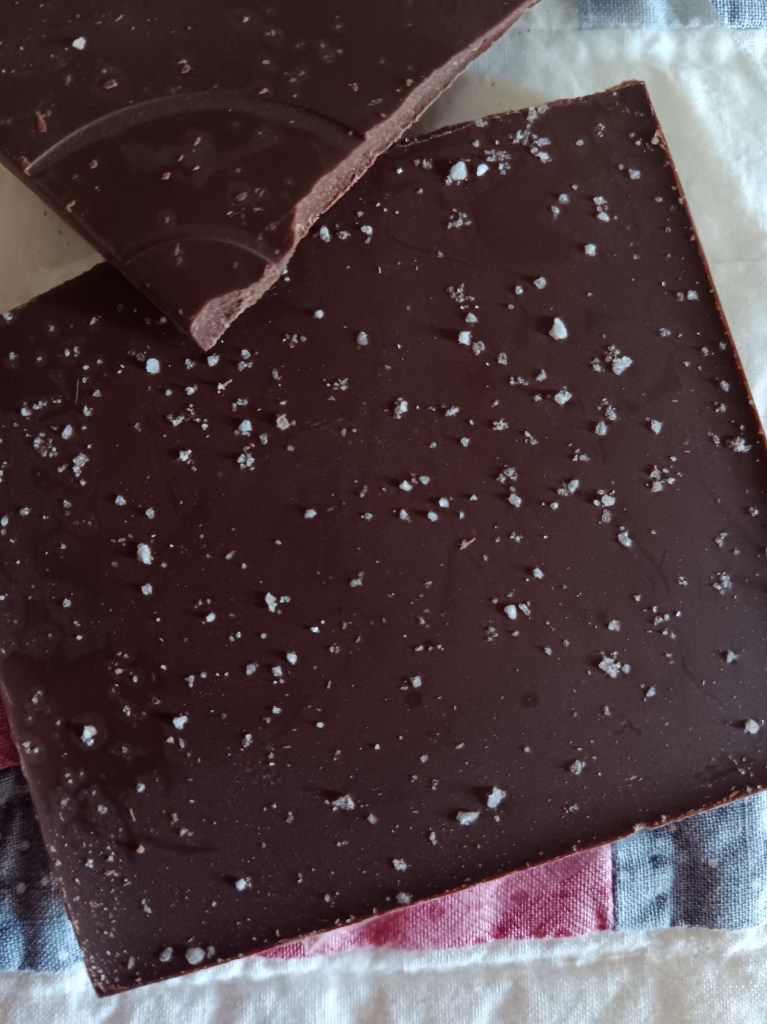
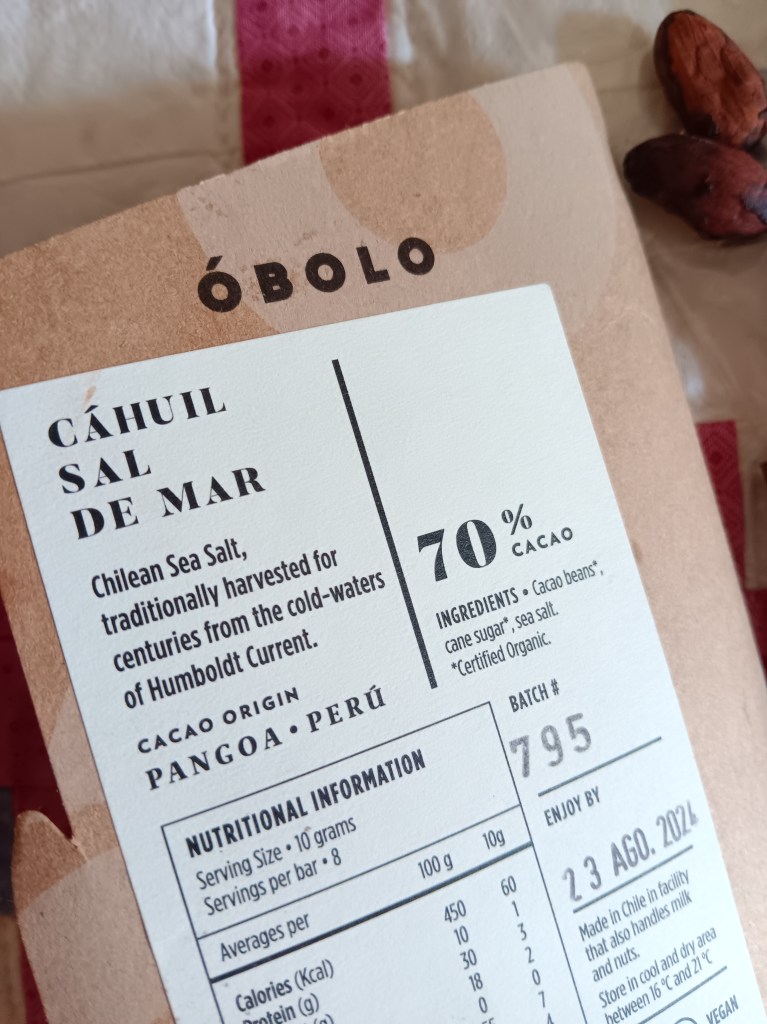
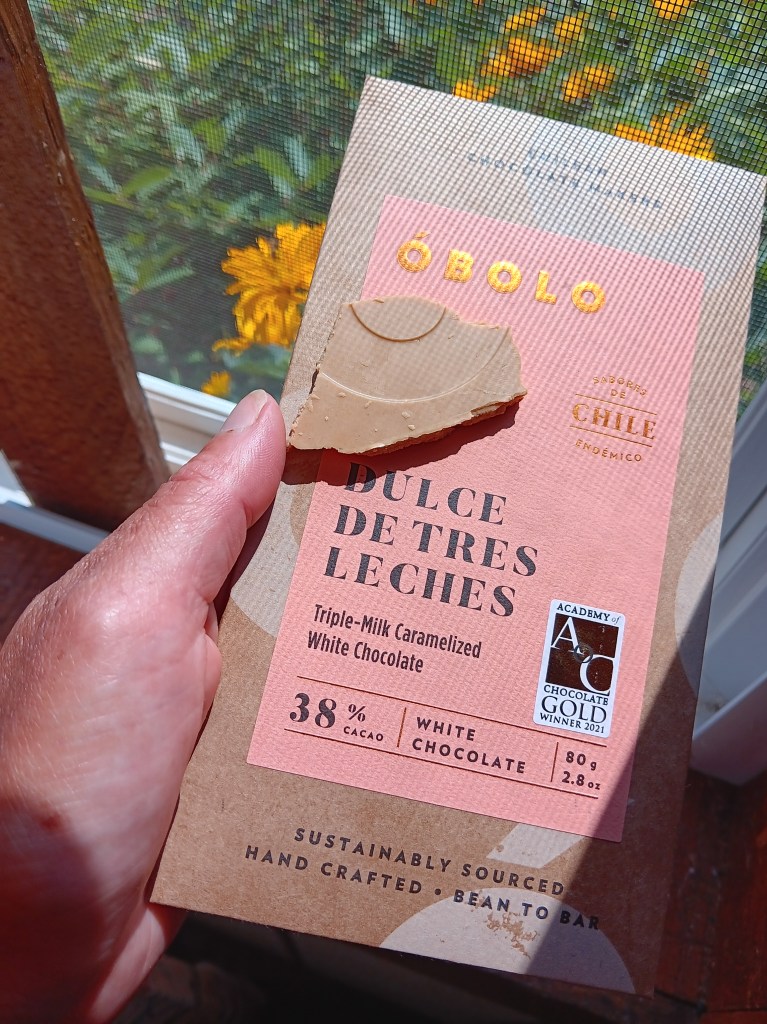
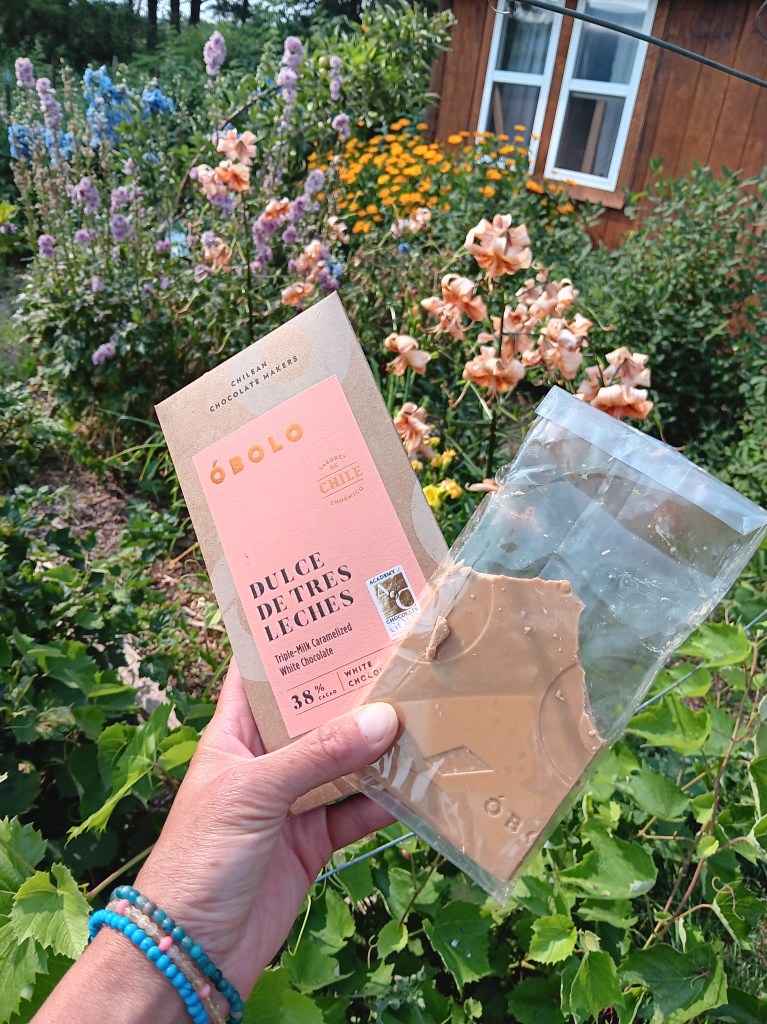
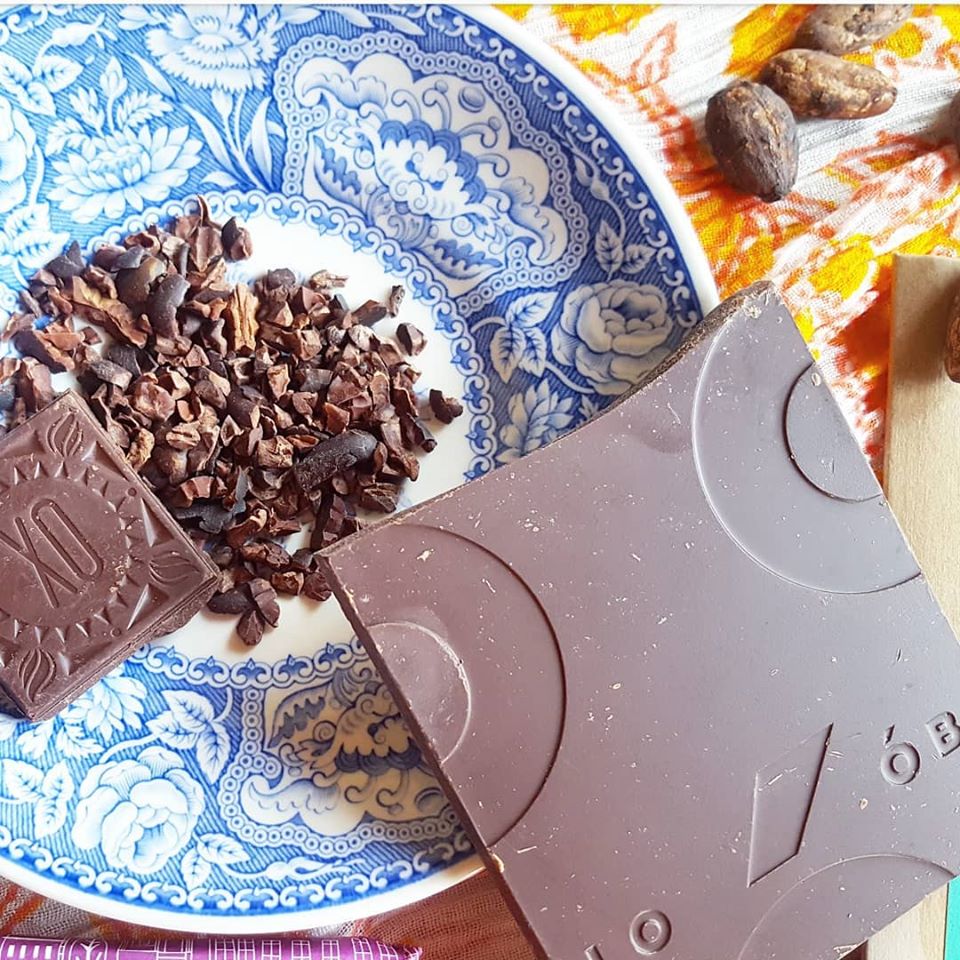
*while practicing law (at big firms and in-house), paired with OBOLO Chocolate https://obolochocolate.cl/ of Chile 70% dark chocolate with sea salt on Pangoa Peru cacao, and
We also discussed how to identify ethical chocolate, like the chocolate I chose for us, which is free of child slave labor or deforestation. Tips: in general, a) look at the label to make sure a cacao country of origin is listed, as this tends to demonstrate transparency, and b) look for small brands, as big brands are complicit in abuses.
Bonus: see new documentary The Chocolate War, in which my friend human rights lawyer Terry Collingsworth takes on Big Choc! Trailer: https://youtu.be/tzlG1WoKfao
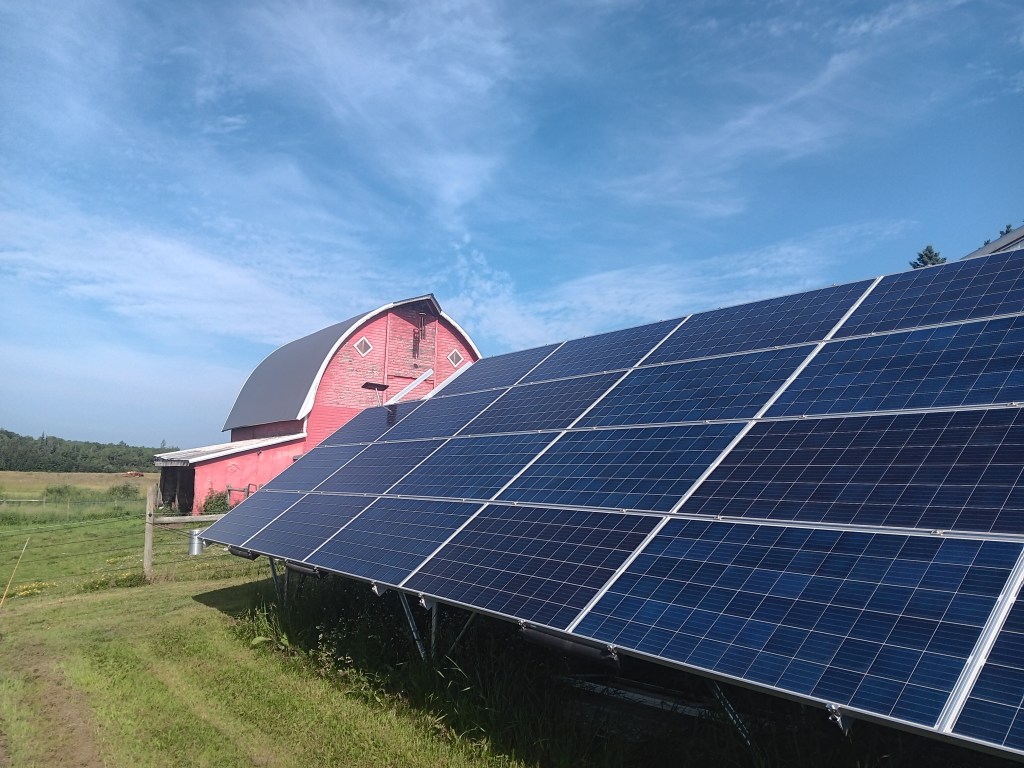
Thank you to dear Brook of Yahara Chocolate https://yaharachocolate.com/ in Wisconsin for sending my chocolate selections to Saper Law Firm in Chicago and to me 500 miles north of the city while I’m volunteering on a solar-powered organic farm near Lake Superior.
[Update: a German nuclear scientist friend and former UCLA Extension student of mine think we have discovered why I got what I call electrical poisoning on the farm – I experienced headaches, muscle cramps, nausea, hair loss, eyebrow loss, loss of appetite, more. The solar panel inverters, which convert DC electricity to AC, were all housed in one space, concentrating the electricity. The dangers of such concentration are known, which is why electrical power plants have substations, to spread out the energy. My cabin was near the utility room, and the electrical buzz was audible and palpable. I’ve learned lots; a topic for another day. For now, I am happy to report that immediately after leaving the location, I felt better, and my hair and eyebrows are growing back!]
Thank you to dear Taylor of Sirene and dear Mark of OBOLO for crafting delicious and ethical chocolate.
And thank you again to Daliah for including me even though I couldn’t be there in person this time, and to the very impressive students for participating!
By the way, here are the videos and blog post I designated as backup just in case internet went out at my beautiful and remote Northwoods location:
~ People and process behind specialty cacao and craft chocolate — including some amazing women around the world
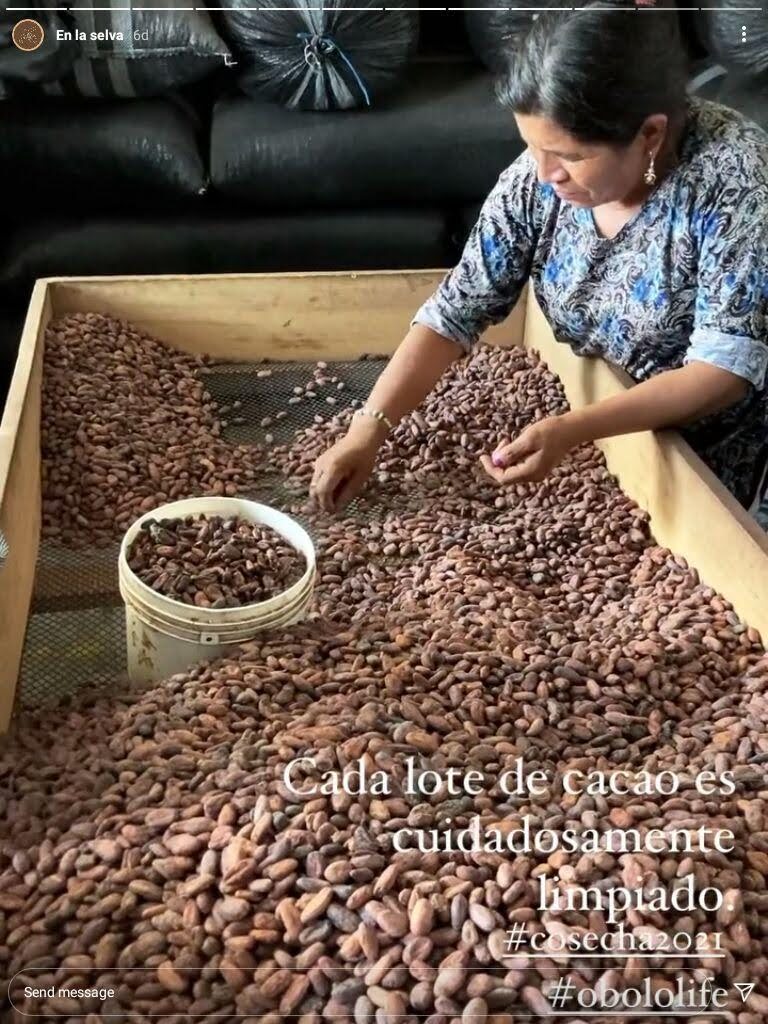
Cacao growing, harvesting, and post-harvest steps, by the women and men of COAGRISCAL in Honduras, who prepare the products for woman-owned Good King Cacao [farm to snack]
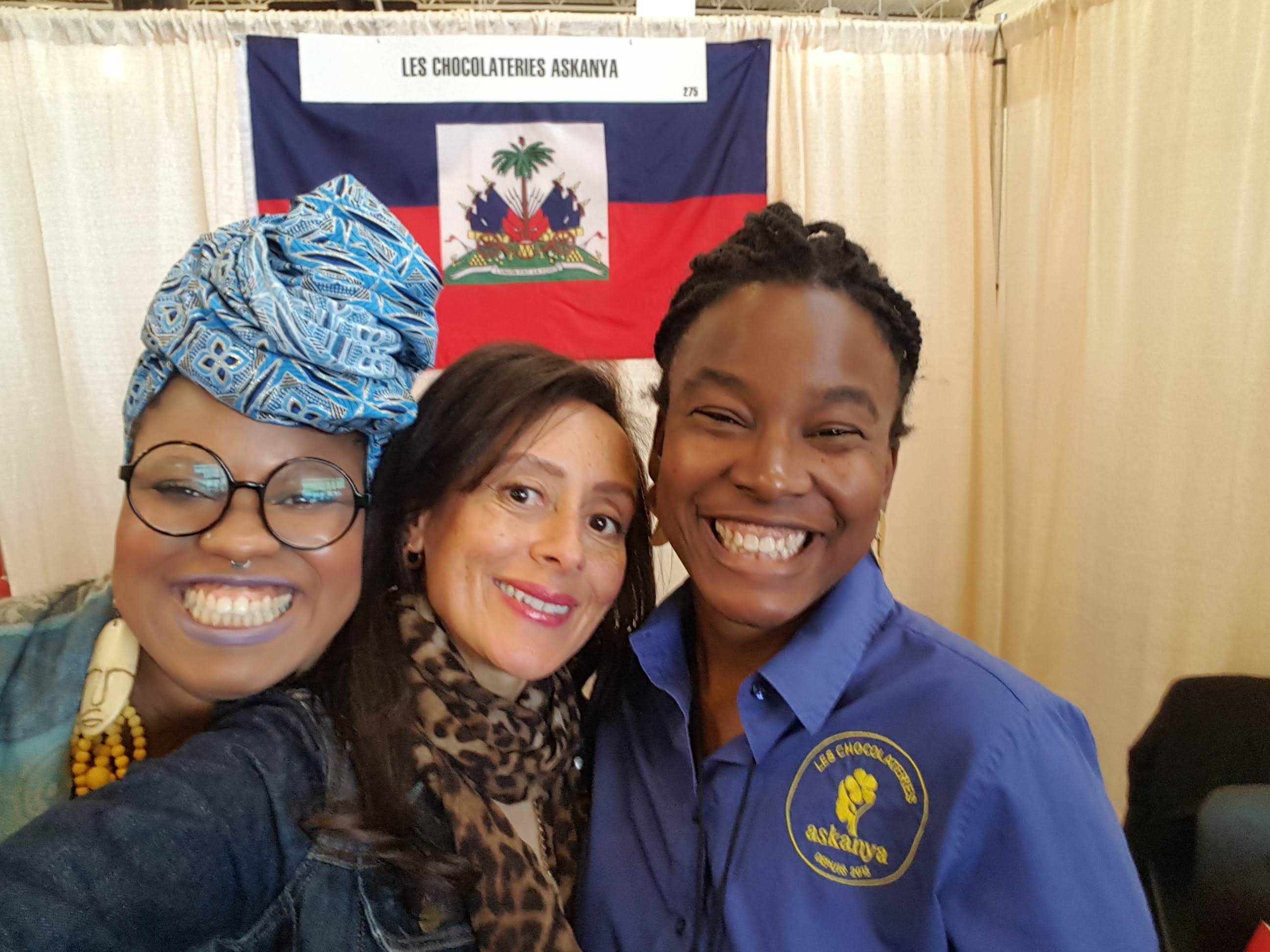
Cacao collaboration, buying, and transport by woman-owned Askanya Chocolate of Haiti, and chocolate making in Haiti by the women of Askanya [video]
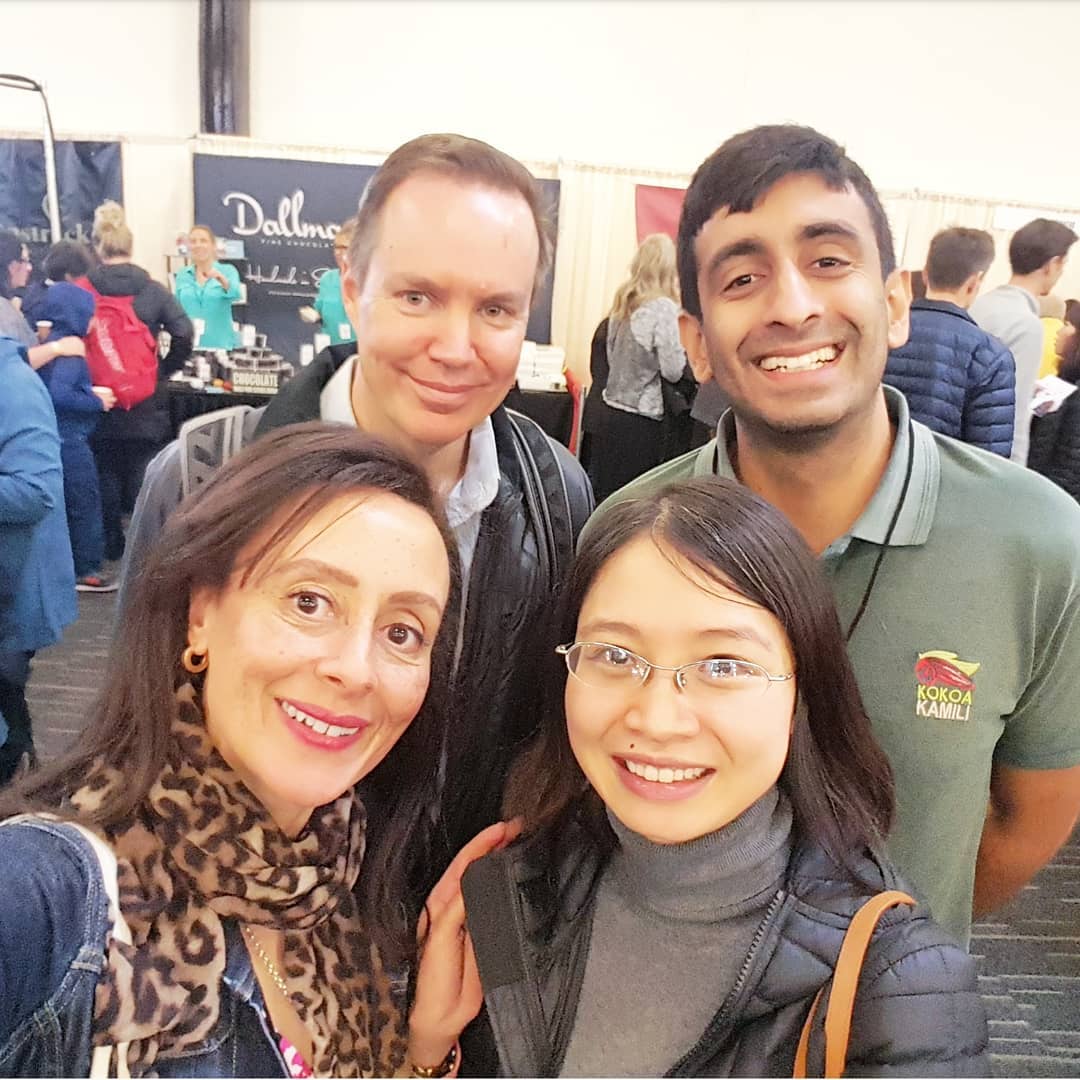
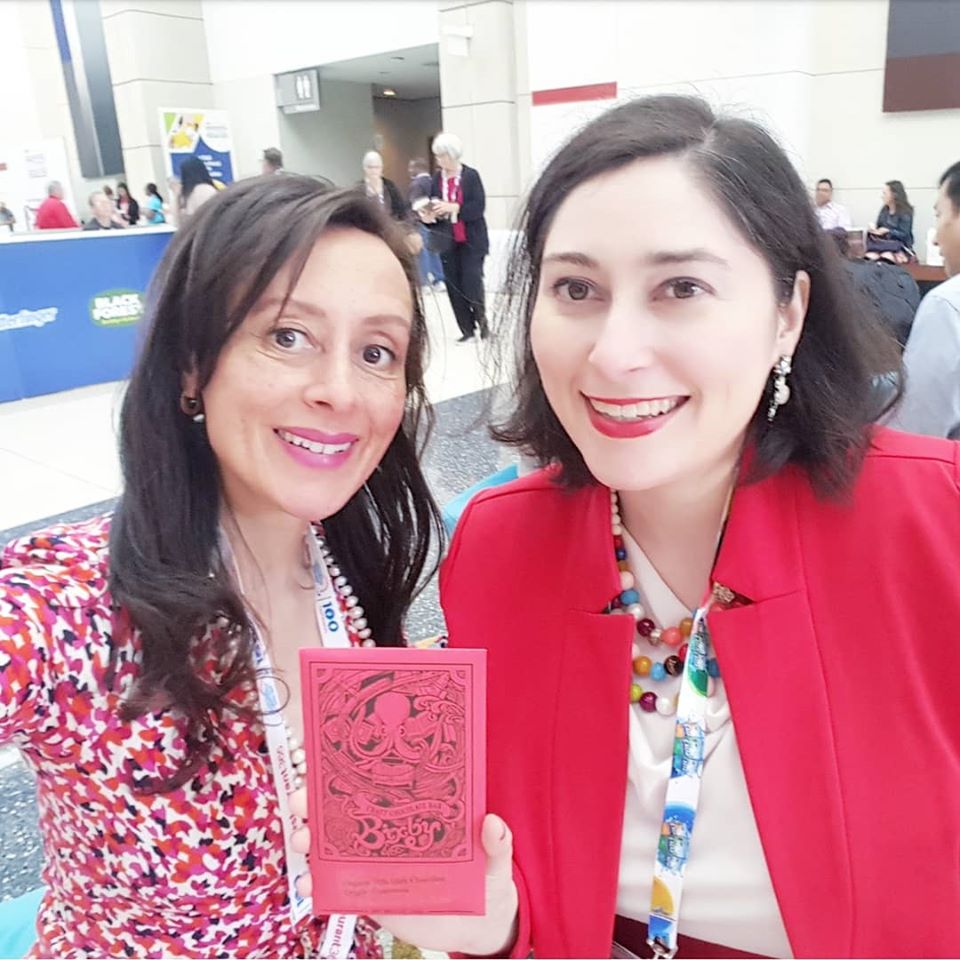
with Kim Wilson of Good King Cacao of Seattle; the products are made with Honduras cacaowith Corinne Joachim Sanon Symietz (right) of Askanya Chocolate of Haitiwith Lan Phan of 9th & Larkin Chocolate of San Francisco (front), her husband Brian (left), and Simran Bindra of Kokoa Kamili cacao of Tanzania[photo from dieline] craft……chocolatewith Kate McAleer of Bixby Chocolate, who is both a chocolate maker and a chocolatier[Photo from Mark Gerrits of OBOLO Chocolate]bean to barbean to cup
~ Purpose-driven businesses — from Chicago Chocolate Tours to Chocolate Uplift, consulting to and distributing other purpose-driven brands
from ancient tradition to…
…contemporary social impact
chocolate chooses us!
cacao and chocolate as portals forward to a Golden Age of empathy and equality, nourishing people and planet
Belu Cacao before and after, and Belu from tree to bar [video]Developed 3 sizes of Belu, each with 2 ingredients: cacao and sugar — all you need!with Emily of Belu Cacao and her husbandCarlos
~ Purity of craft chocolate — tasting techniques to perceive and enjoy nuance
mindfulness: look, sniff, taste
also: listen, touch, think
breathe
repeat!
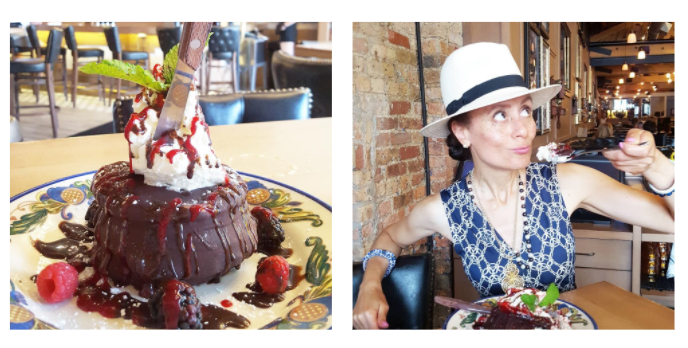
Yes: I ate the whole thing. In 2 sittings, but I did it!And it was made with Askanya Chocolate of Haiti, at The Vig Chicago. What’s in your restaurant’s dessert?
~ Power of people and planet — recognizing ethical chocolate, which means it is free of human rights abuses and environmental harm
Tip: all of the big brands are complicit in human rights abuses and environmental harm; they don’t deny it
Tip: look for small brands, then look on the label for the cacao country of origin, and a clean ingredients list
Tip: the best chocolate (wine, coffee, diamonds, silk scarves) is not usually found at a standard grocery store, but use the 2 points above to discover any exceptions
More on classmate David Coale’s podcast where I talk about ethical chocolate and our power of choice
Chocolate is love. Taste is memory. What is your earliest memory of tasting and loving chocolate?
~ And, after all those Ps, my 5 Ss of first-class craft chocolate:
slavery-free
soy-free / industrial additive-free
sustainable / soil-regenerative
small-batch
scrumptious!
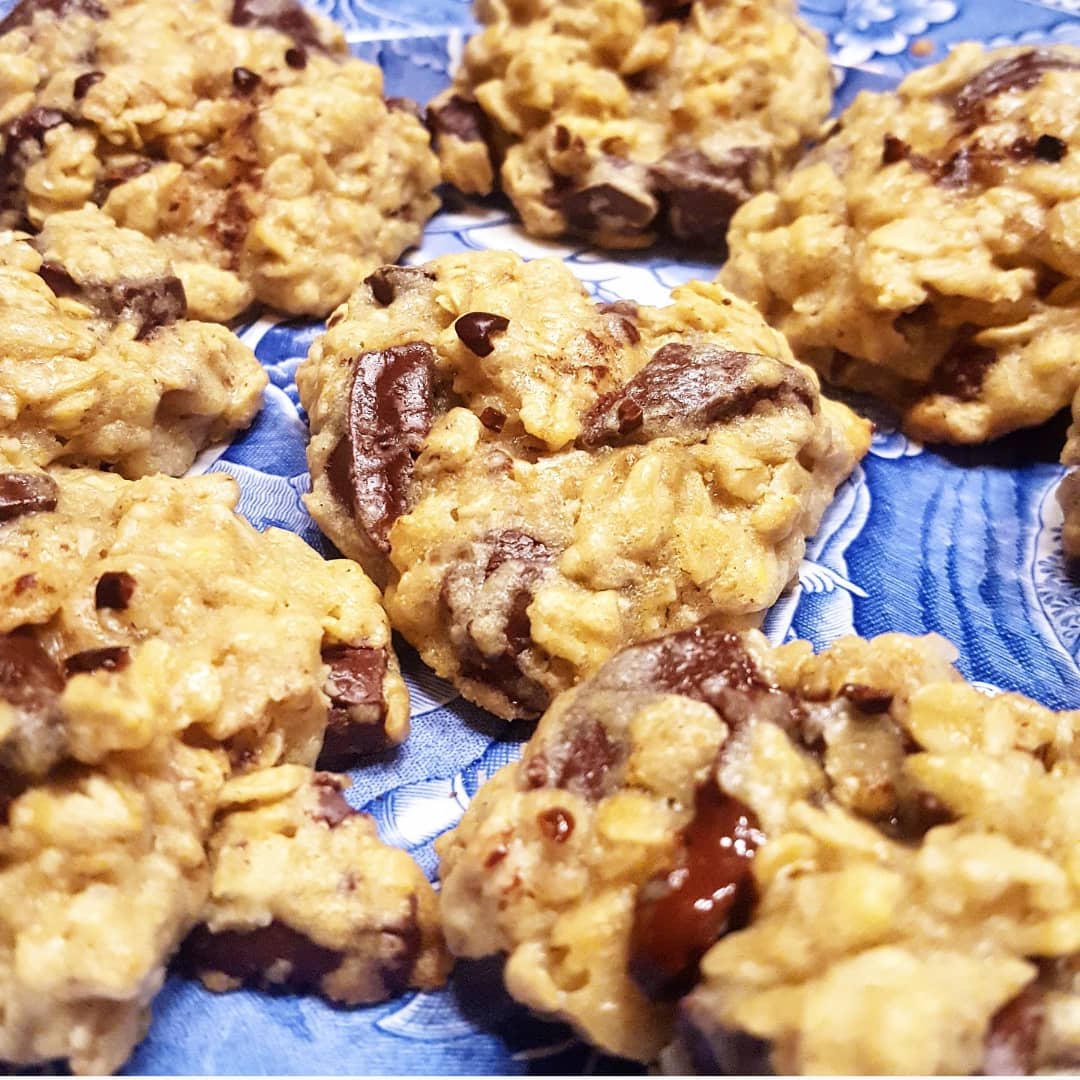
Golden Age Cookies: organic oatmeal salted craft chocolate chunk cookies topped with cacao nibs; I created them because I wanted to eat them
A selection of women-made or -led ethical chocolate brands
What a blast to give a zoom presentation for an amazing group of my Harvard College women classmates today about *Women Entrepreneurs Making Social Impact,* and to share my journey and mission of Uplift Through Chocolate!
Here is the link to my slides; be sure to open them all the way to see the information and links in the Notes sections! Enjoy, and scroll down this page for online shopping links to woman-owned retailers and woman-owned or -led brands!
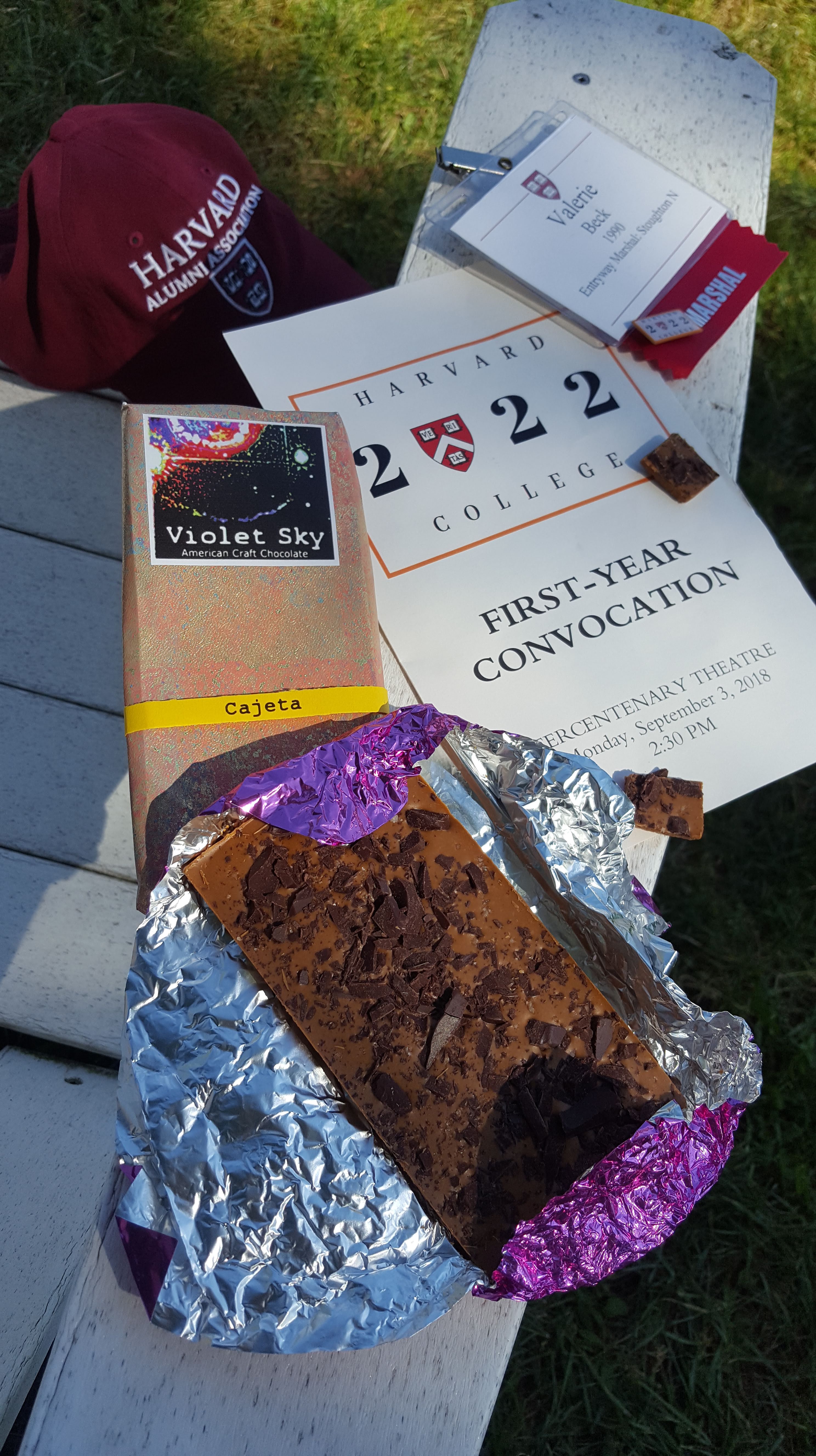
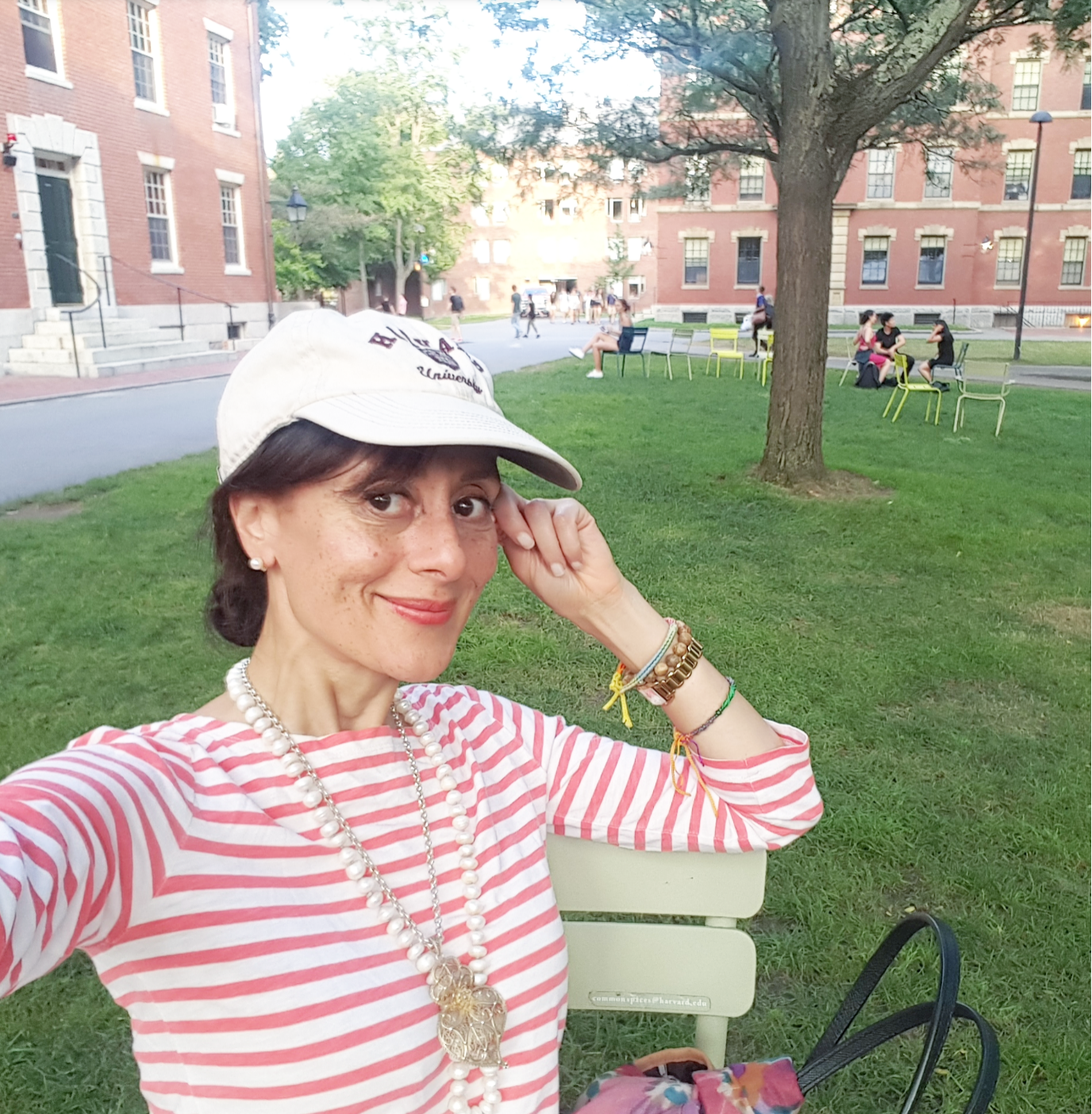
We are Harvard and proud: outside my former dorm Stoughton (left in photo) a couple of years ago for Convocation. Here are the slides to my talk today for Harvard women classmates.
We are celebrating the 100-year anniversary of women’s right to vote here in the US, and I applaud my classmates who organized a video chat series for us featuring stories of women’s activism! Our college reunion next month was canceled due to the coronavirus situation (stay well, and keep perspective: 11 million people die each year from poor diet — including from heart disease, cancer, and diabetes caused by eating industrial Big Food — that’s 1 in 5 deaths globally and that’s 50 times more than have died from covid-19, so why haven’t we shut down Big Food and the outlets like Amazon that sell it?), and we are moving forward with our own events, virtually!
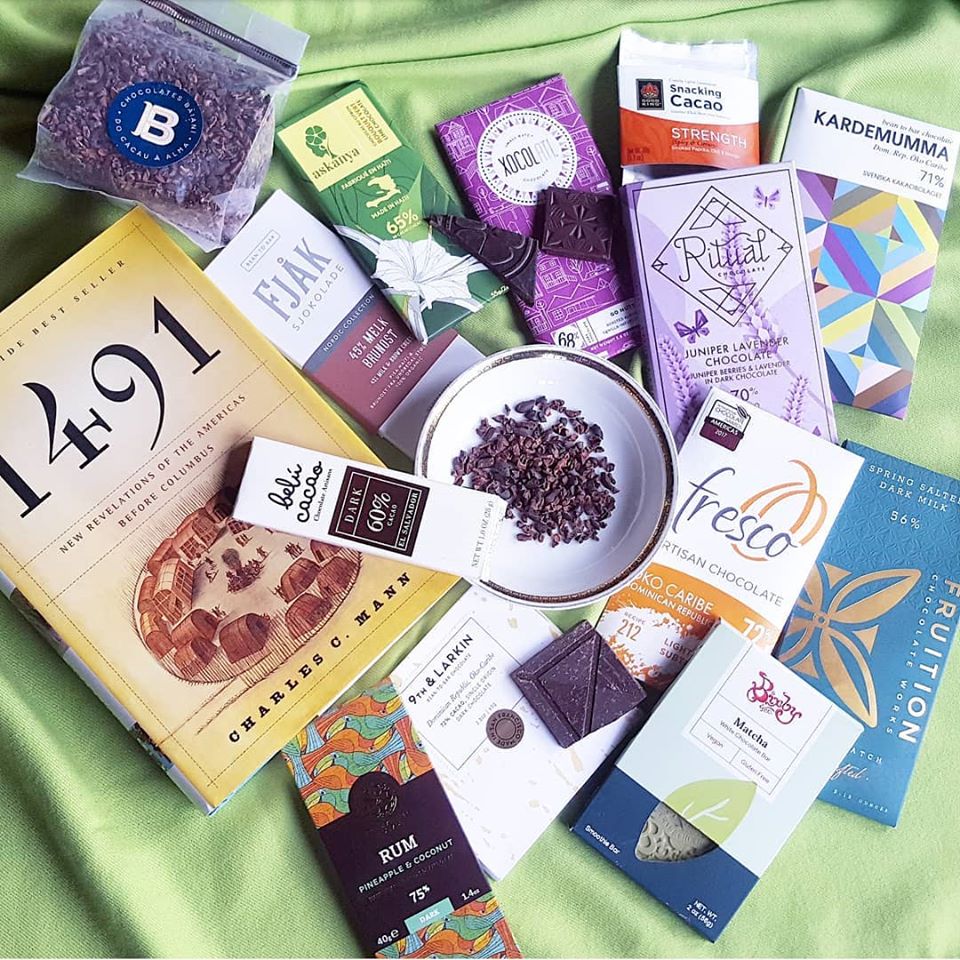
I gathered beautiful and delicious craft chocolate bars shown here from woman-owned or -led brands, to wave around on-screen, along with the fascinating book 1491 (click for a related article by the book’s author in The Atlantic) about life in the Americas before Columbus — we can learn a lot from the societies of indigenous people, like the one that had a grandmothers council of wise women to approve or reject political plans — which includes information about the role of cacao and chocolate.
Good King snacking cacao of Honduras and Indonesia by way of Seattle
Most of the women chocolate makers and retailers I spoke with the other day in preparation for my presentation basically said the same thing: any income still coming in goes to their employees during these days of virus pandemonium. So whether you shop with a retailer or directly with a brand, you are helping their (mostly women) employees!
A selection of woman-made in-country chocolate: the chocolate bars were made in the same country where the cacao was grown, which means more profit and pride for local teams than if the cacao were exported without making a finished product
As you may know, my business Chocolate Uplift generally doesn’t sell chocolate to the public since closing the subscription box part of the business; instead, I sell and distribute craft chocolate bars like the ones listed above wholesale to retailers like the ones listed above, and also provide consulting services to chocolate makers and cacao farm owners, and speaking engagements to the public and for meetings and events.
I also operate a free “chocolate-finder” service: if there’s a type of chocolate or a flavor or a brand you want, and you don’t know where to order it, ask me and I’ll find out and tell you!
Thank you, and keep eating real chocolate!
Onward and upward!
Your friend in chocolate, Valerie
Sending you a chocolate hug, as we move toward a world that nourishes people and planet! That’s Uplift Through Chocolate!
Valerie Beck
Founder/CEO Chocolate Uplift
Craft Chocolate Brokering, Consulting, Distribution
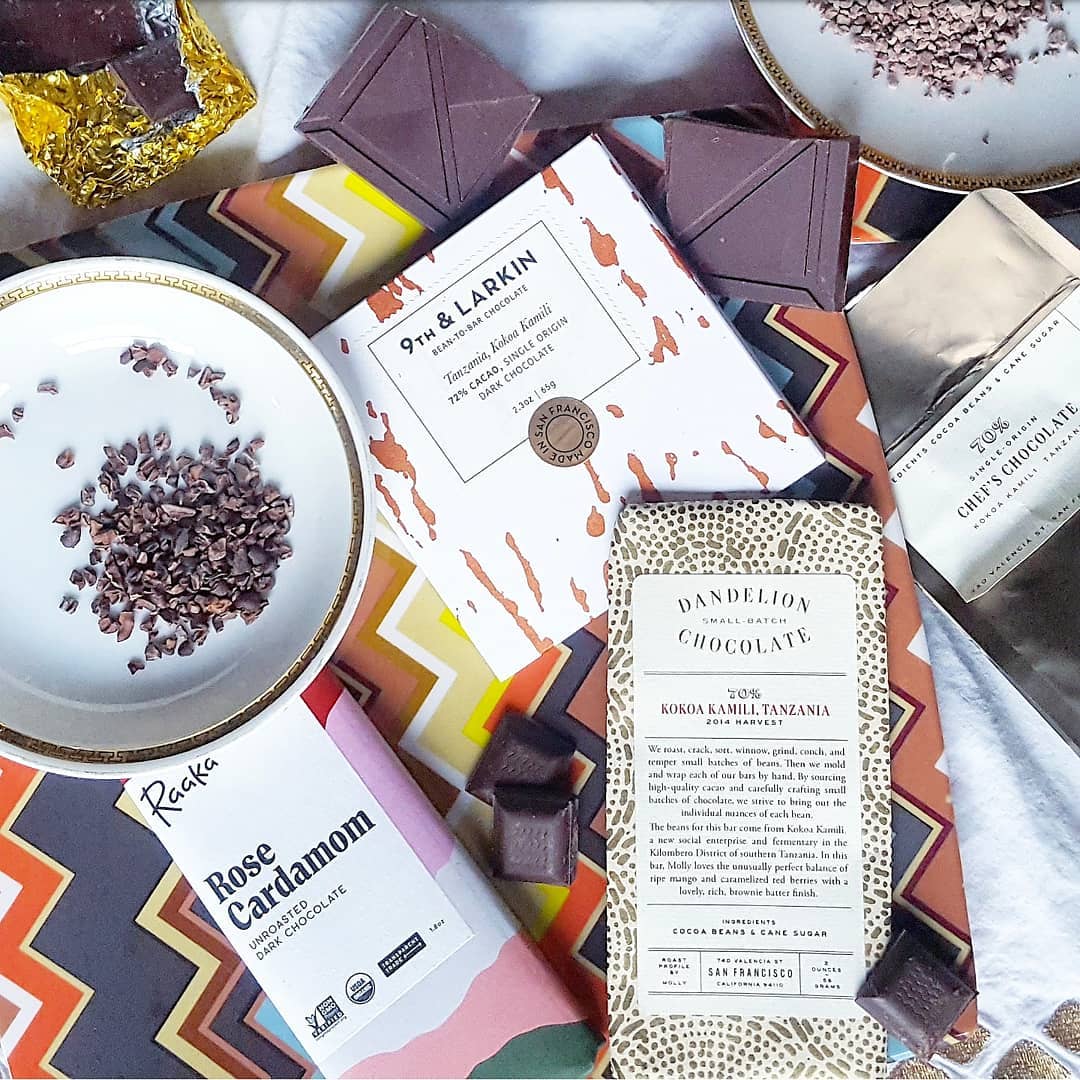
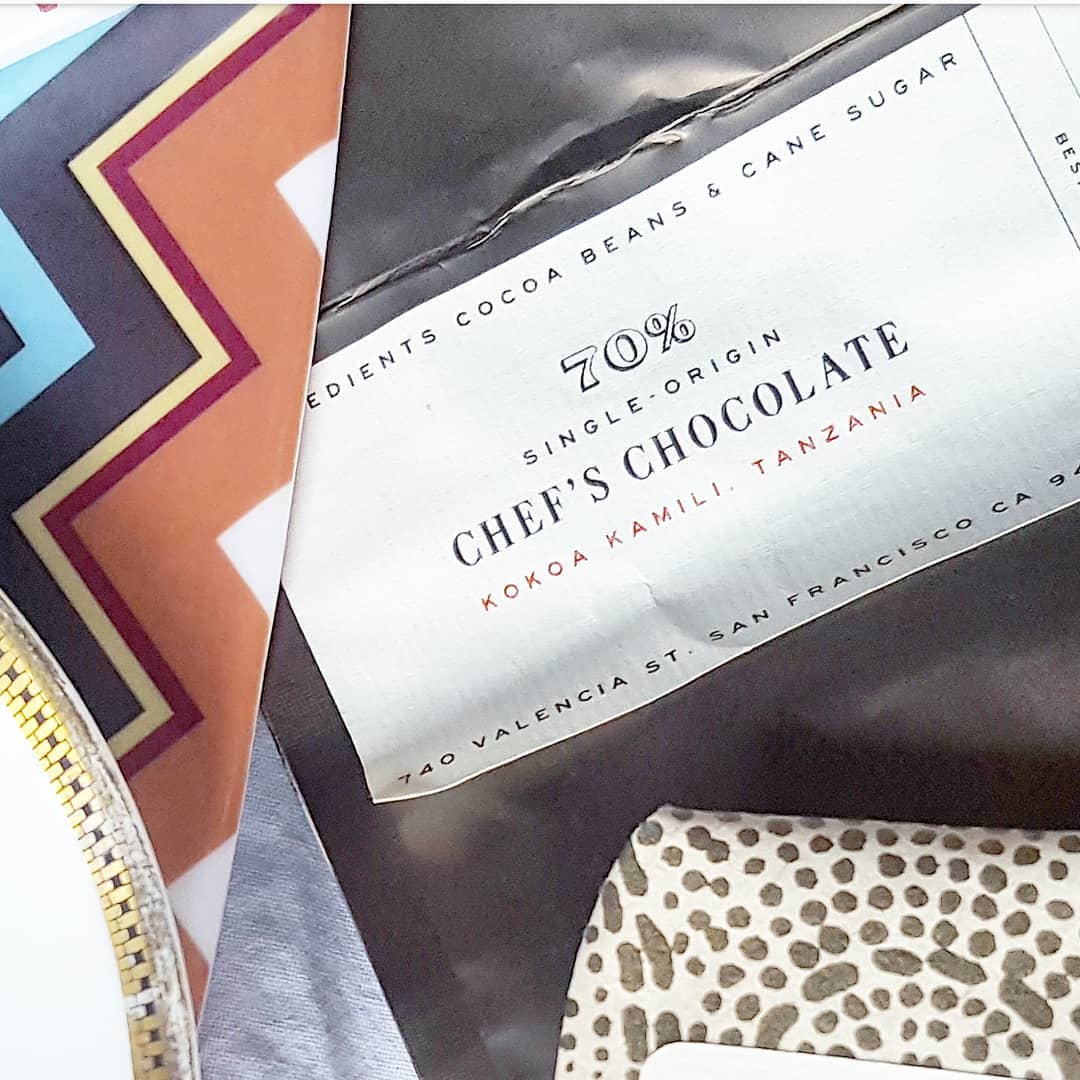
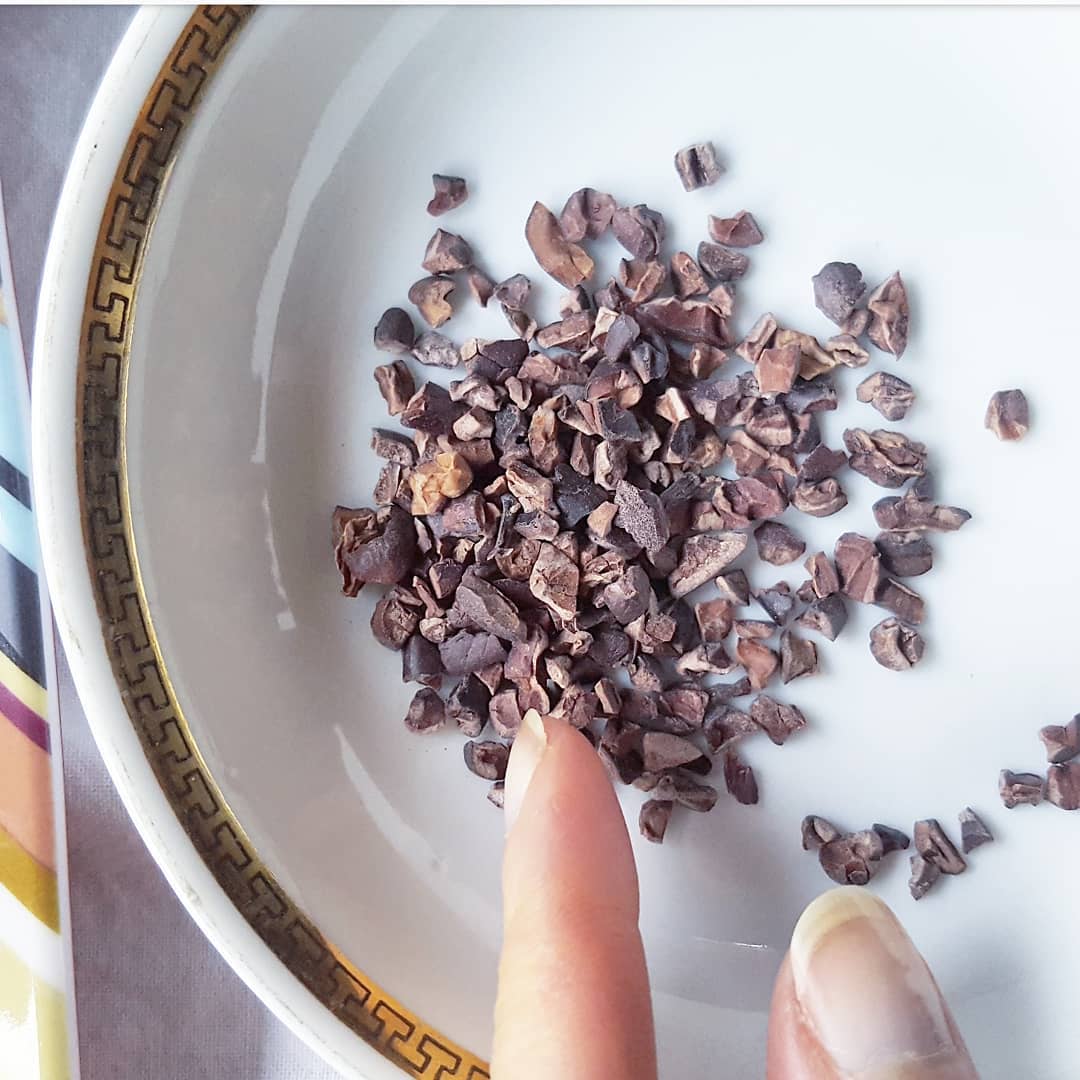
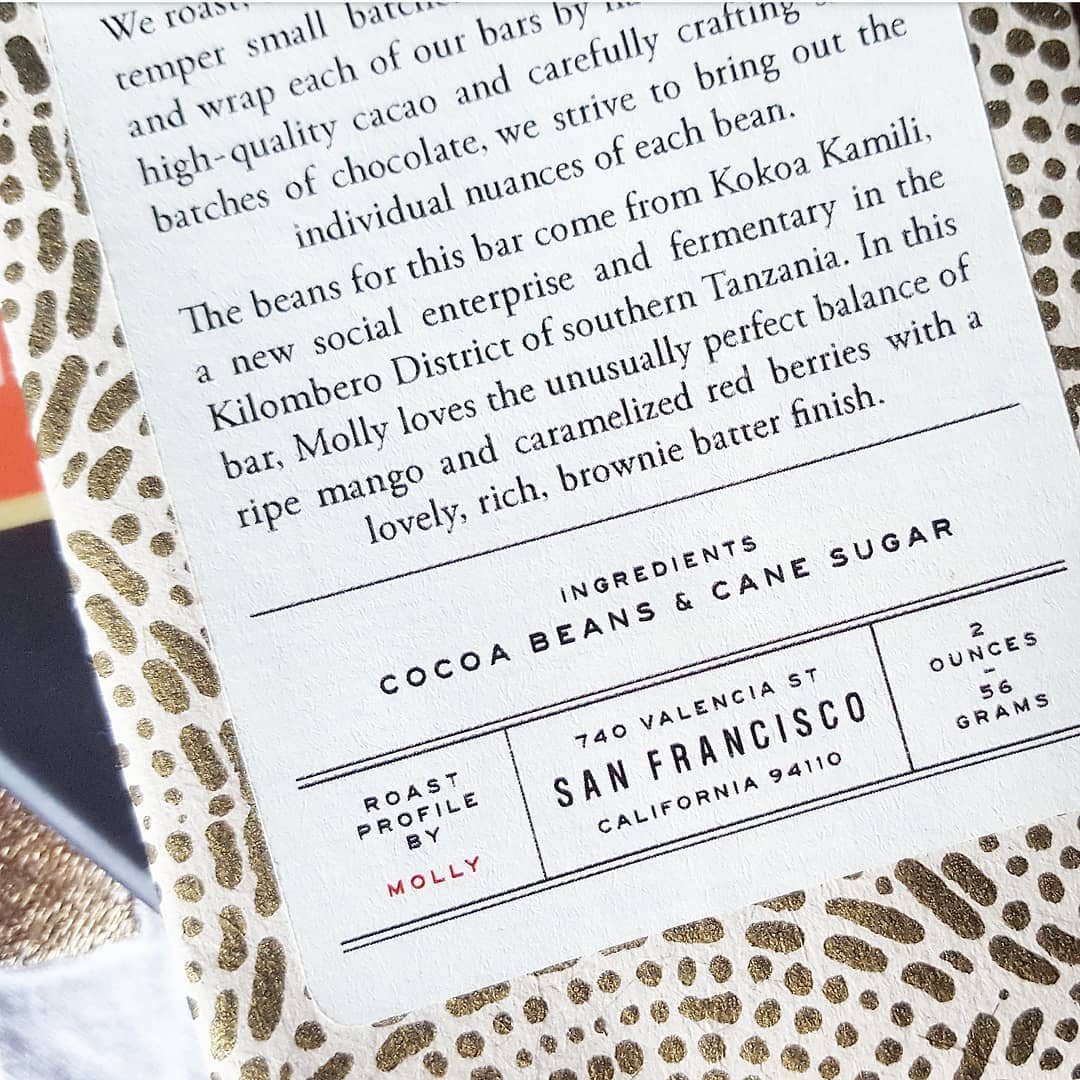
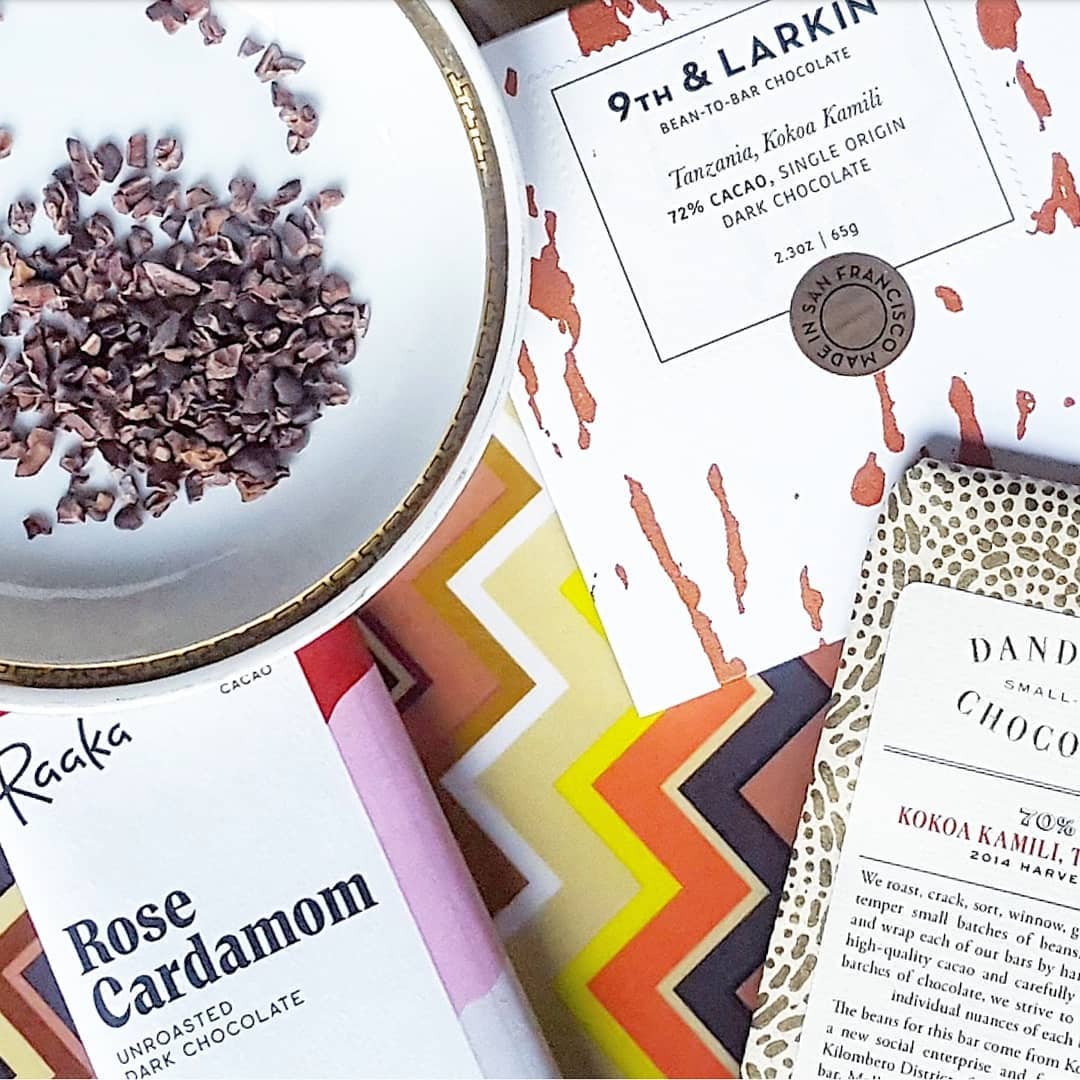
Delicious craft chocolate made from ethical Kokoa Kamili Tanzania cacao, and Kokoa Kamili cacao nibs, gathered in my kitchen
Thinking of Earth Day, and dreaming of global health systems that work for people and planet, I’m excited to share an inspiring article in Saveur on cacao from the innovative Kokoa Kamili cacao social enterprise in Tanzania.
How one Tanzania chocolate company is helping farmers grow better cacao—and demand a better price.
Hilary Hueler
April 7, 2020
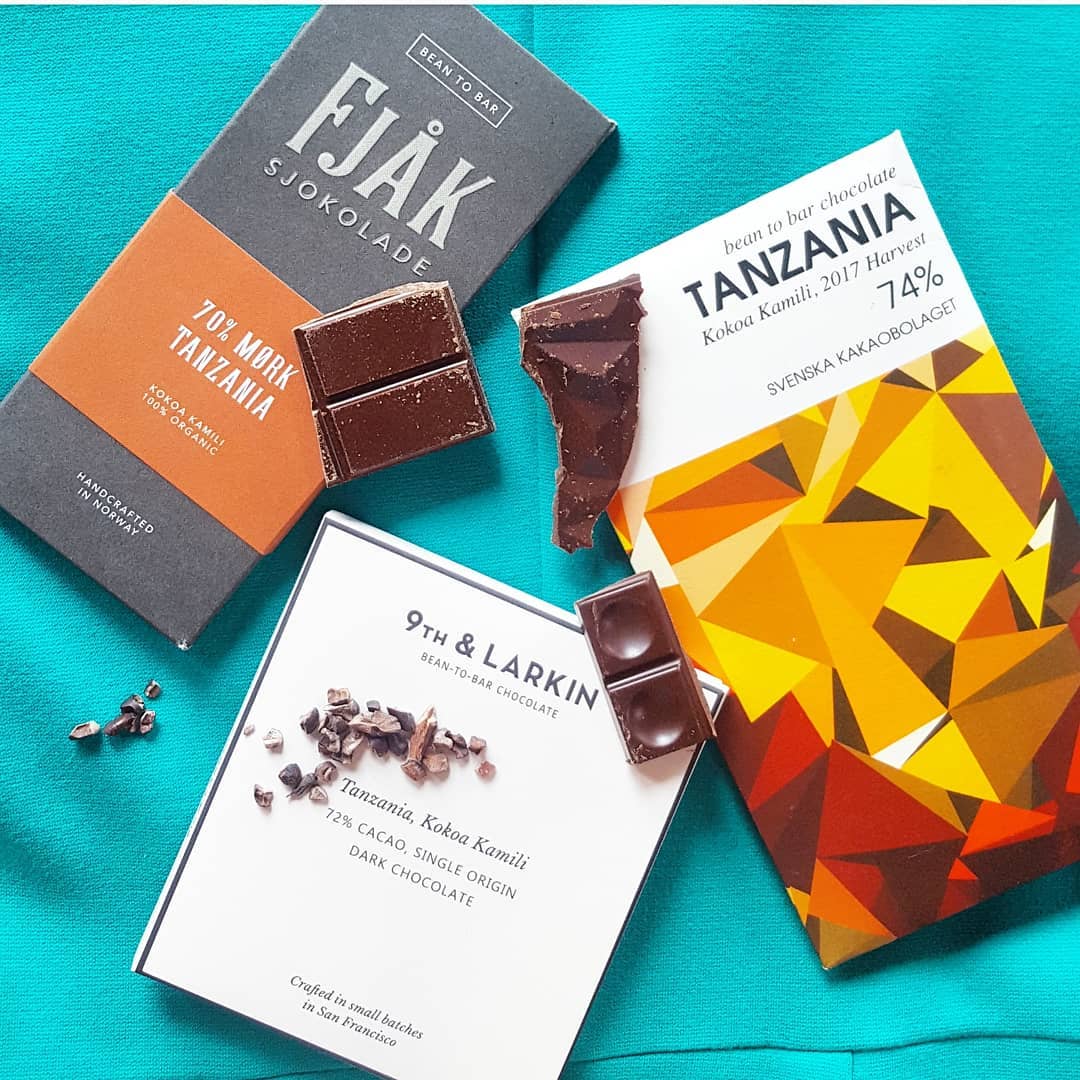
Working with 4,000 farmers in the lush Kilombero Valley, Kokoa Kamili ferments and dries the cacao, providing quality cacao to many of the craft chocolate makers I work with — such as those whose chocolate bars are pictured here and below — and uplifting growers with higher pay in the process!
The cacao and the resulting chocolate meet my 5 Ss:
slavery-free
soy-free and industrial additive-free
sustainable
small-batch
scrumptious!
Additional wonderful craft chocolate brands I work with who buy cacao from Kokoa Kamili (also gathered in my kitchen)
Enjoy this wonderful article with excellent descriptions and photos of the cacao process and of the beautiful local environment, and keep eating real chocolate that supports people and planet!
Your friend in chocolate,
Valerie
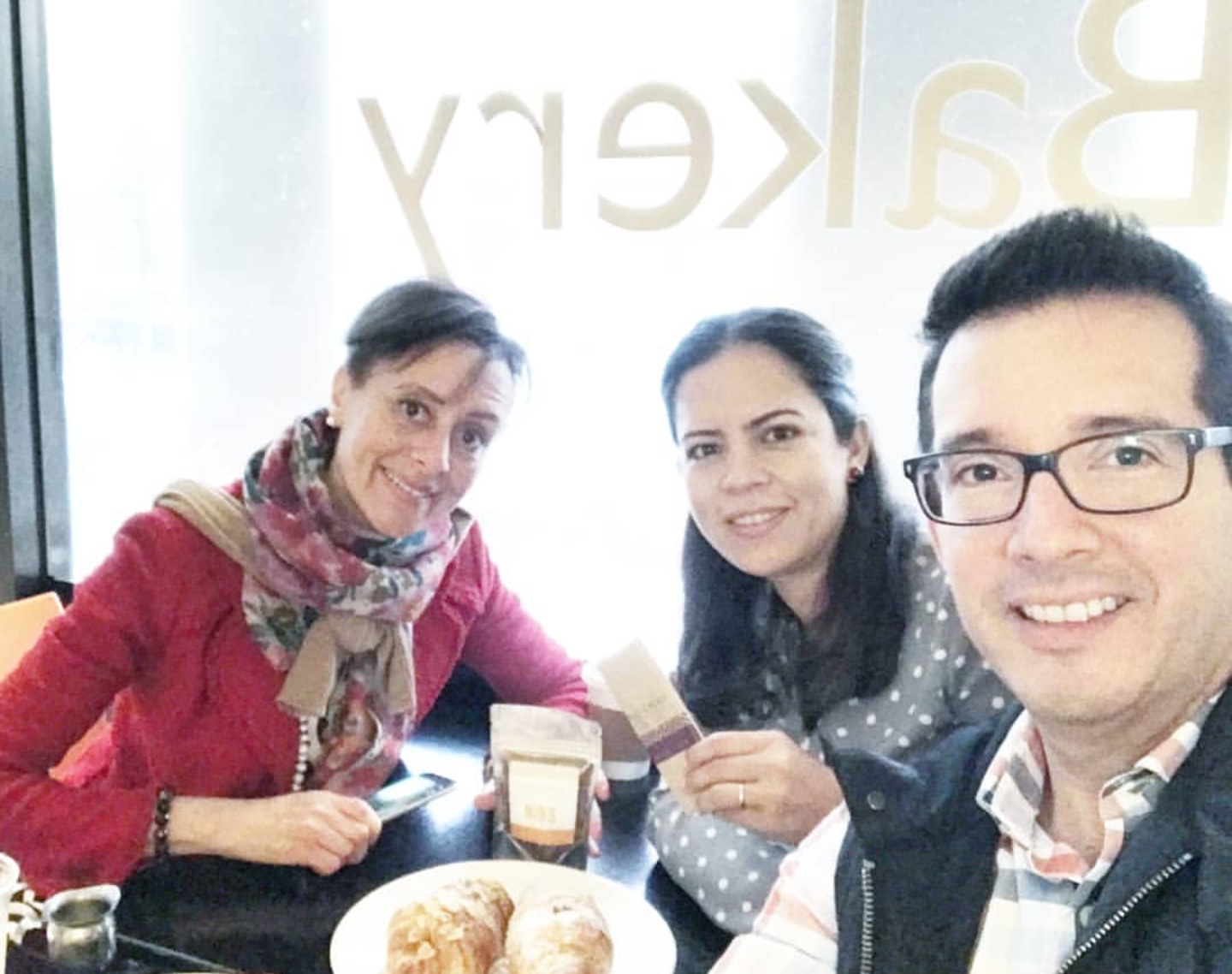
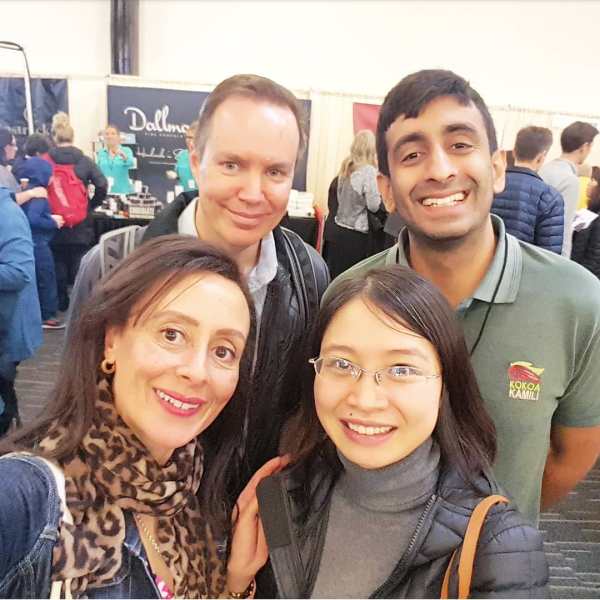
Introducing Kokoa Kamili co-founder Simran Bindra (back right) to Lan (front right) and Brian (back left) of 9th & Larkin Chocolate, who had already purchased his cacao and made delicious chocolate from it, at the Northwest Chocolate Festival in Seattle
Valerie Beck
Founder/CEO Chocolate Uplift
Craft Chocolate Brokering, Consulting, Distribution
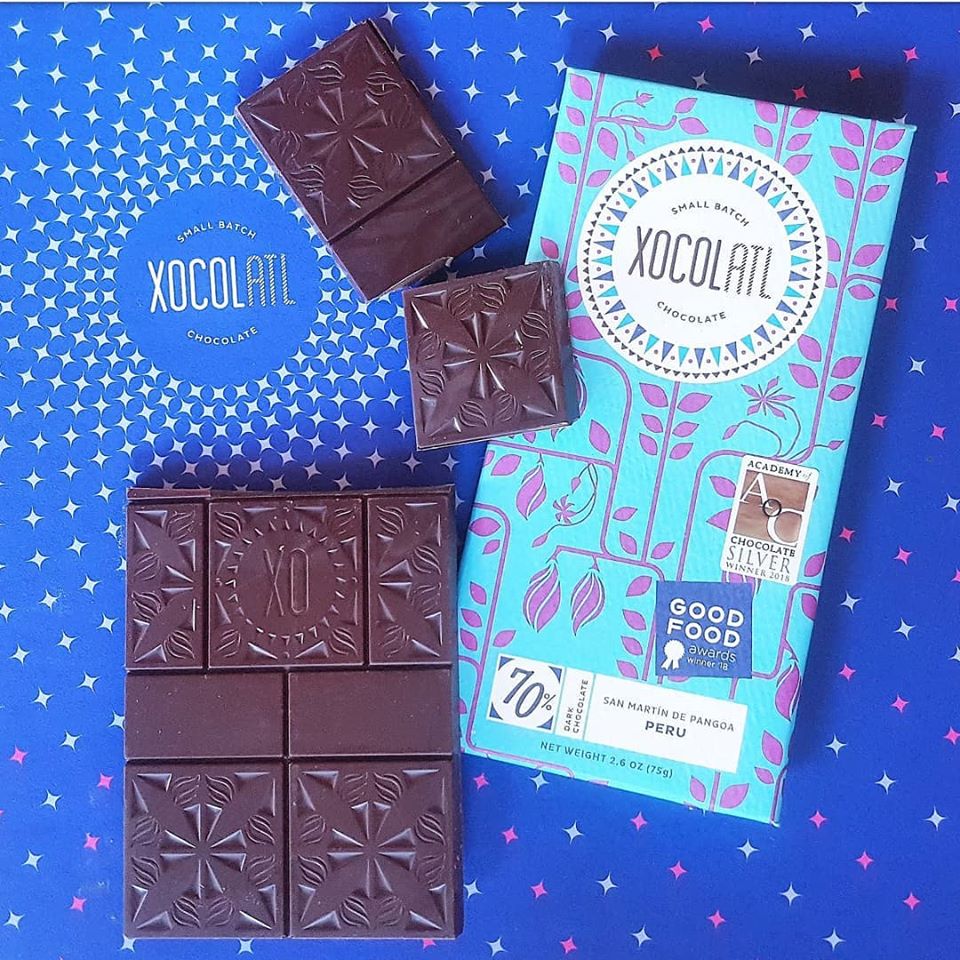
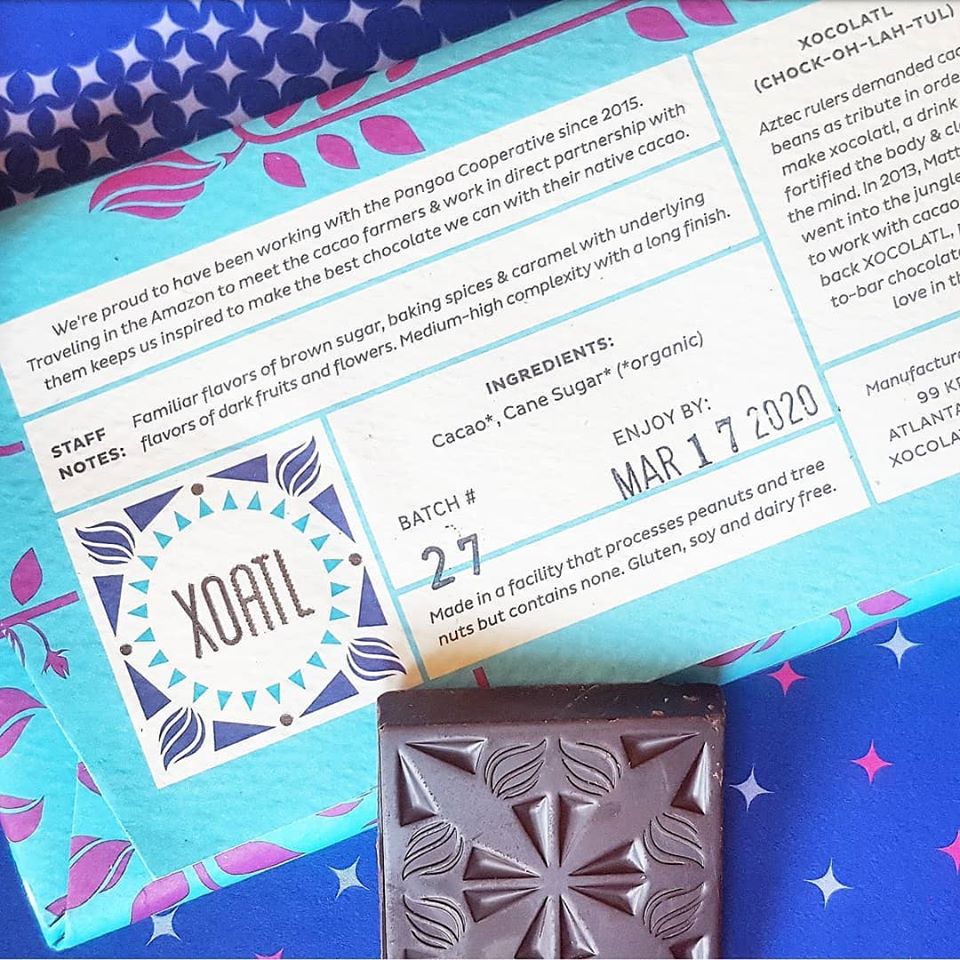
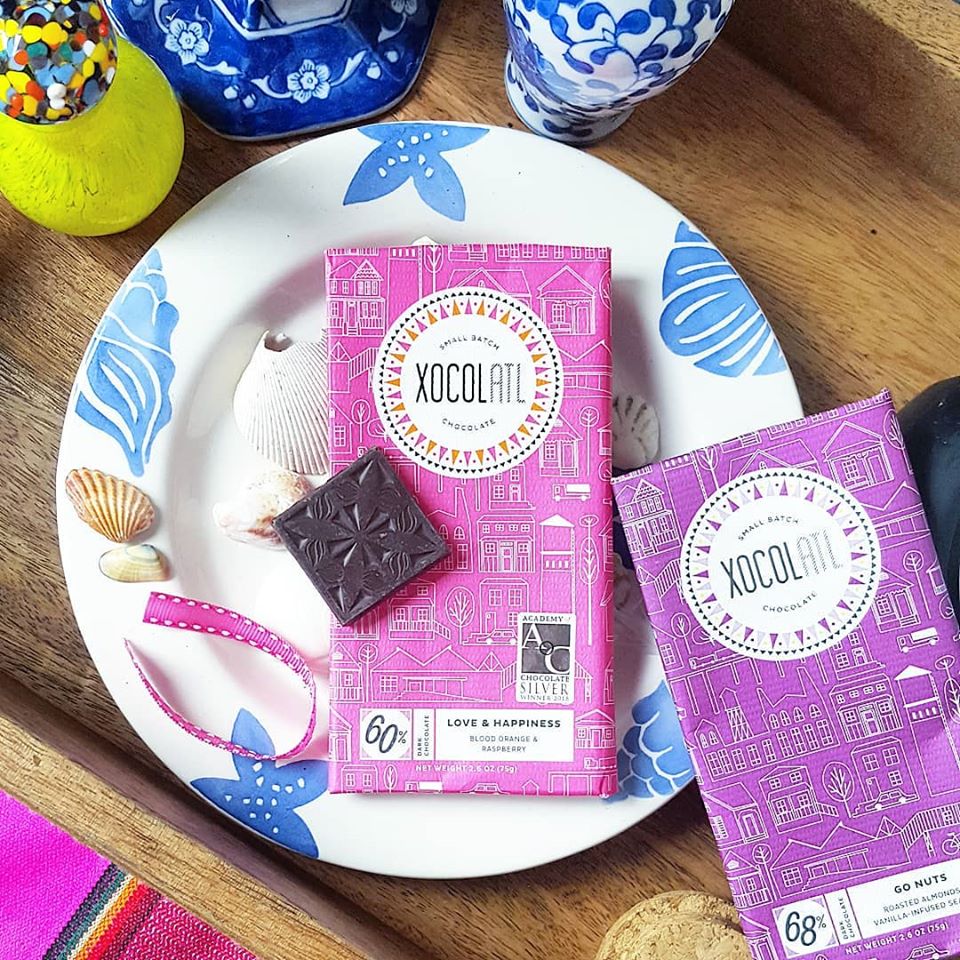
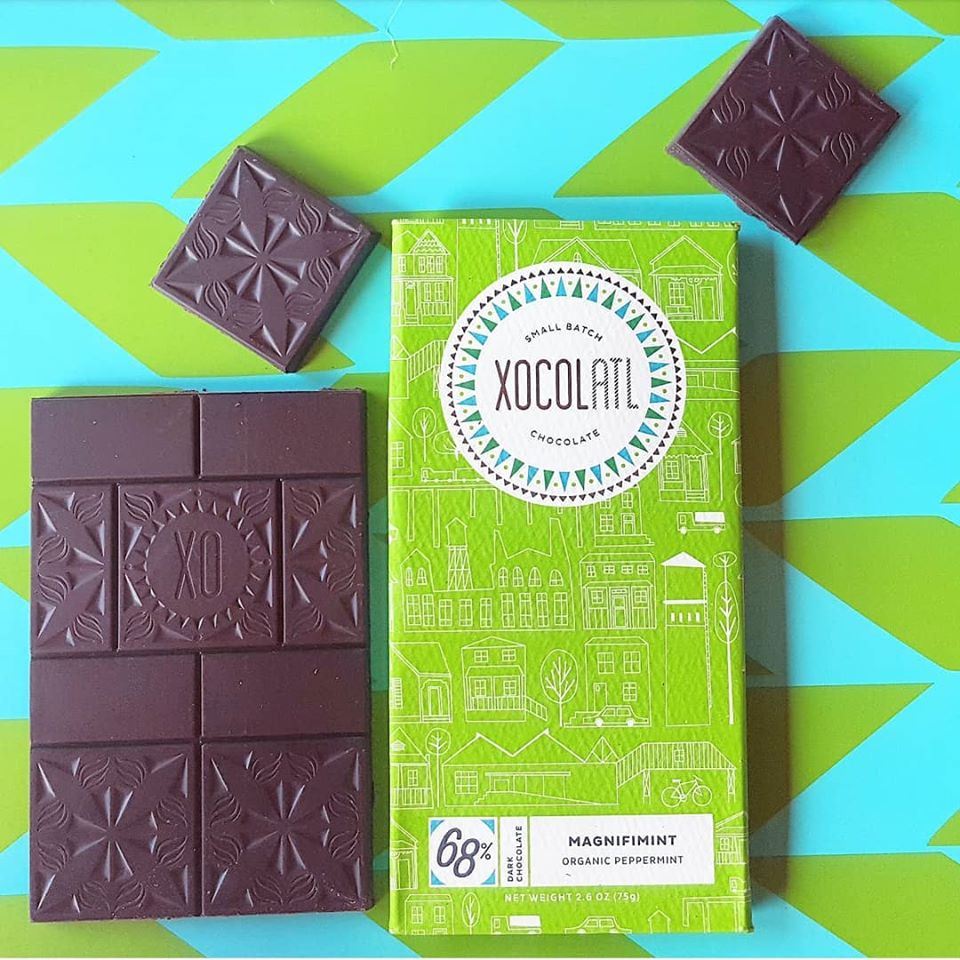
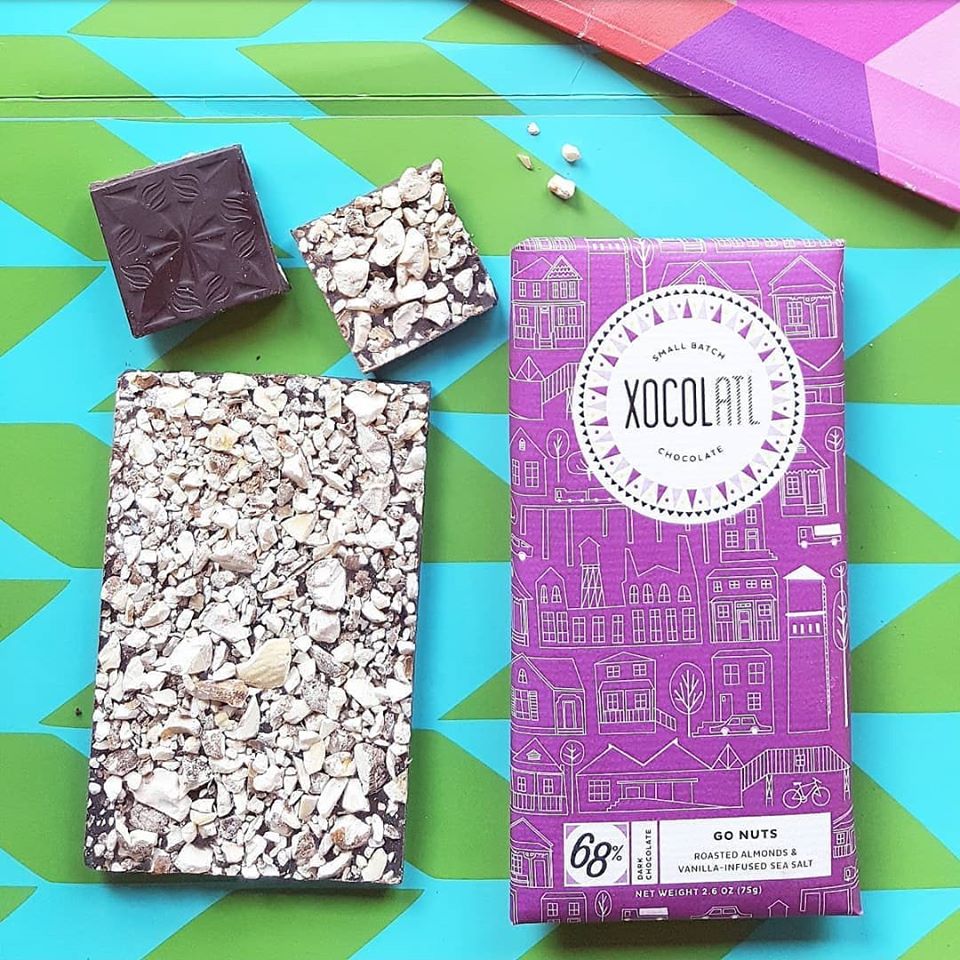
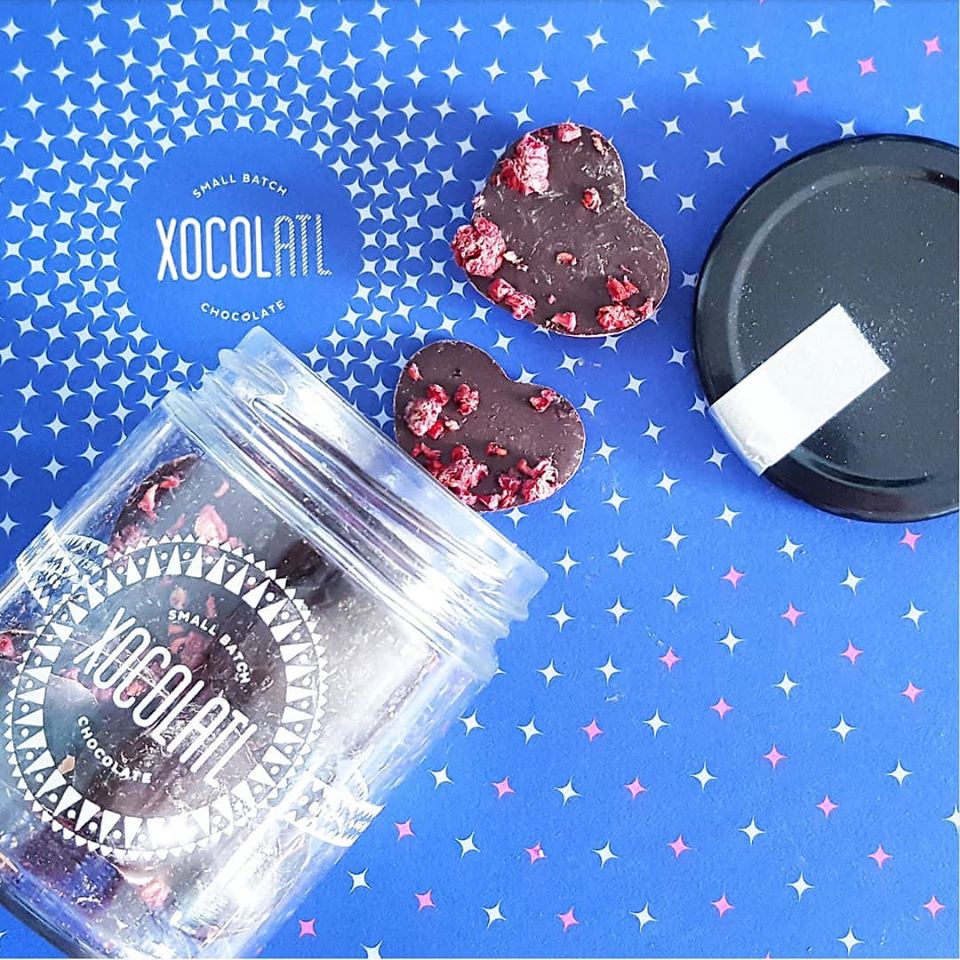
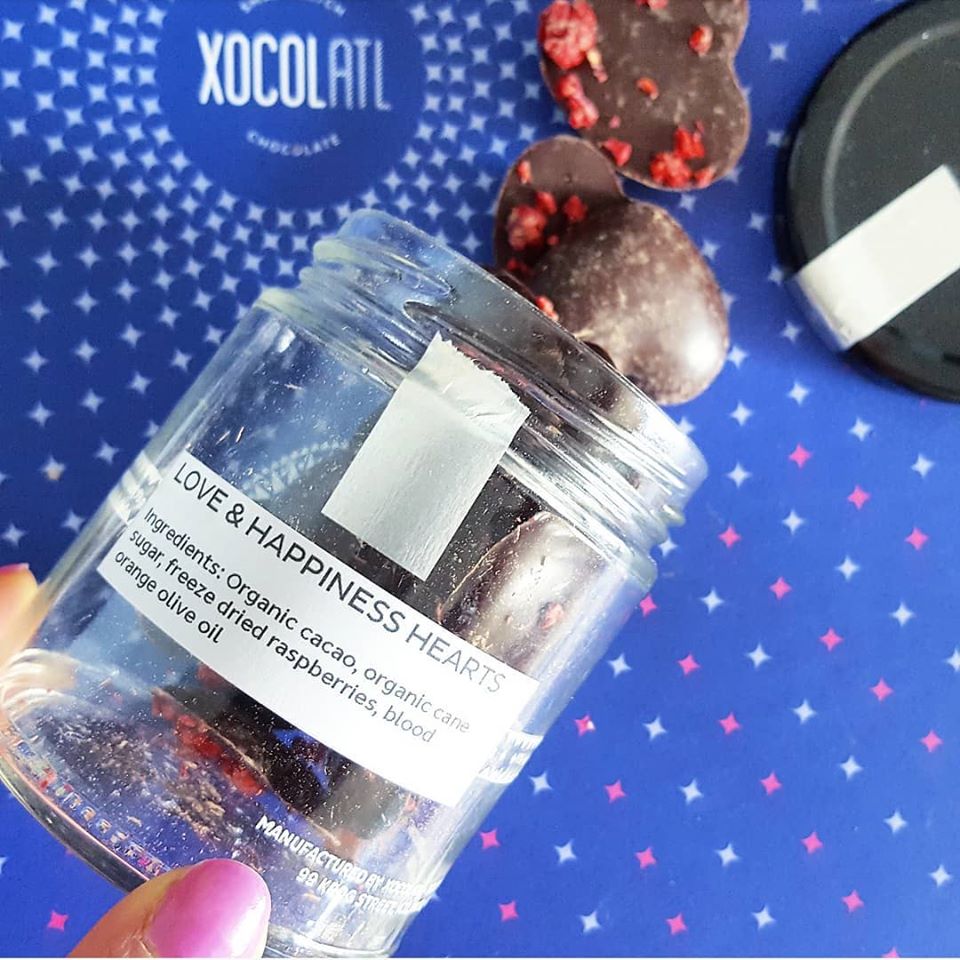
Congratulations to dear friends and client Xocolatl Small Batch Chocolate of Atlanta on their 5 delicious and meaningful years in business!
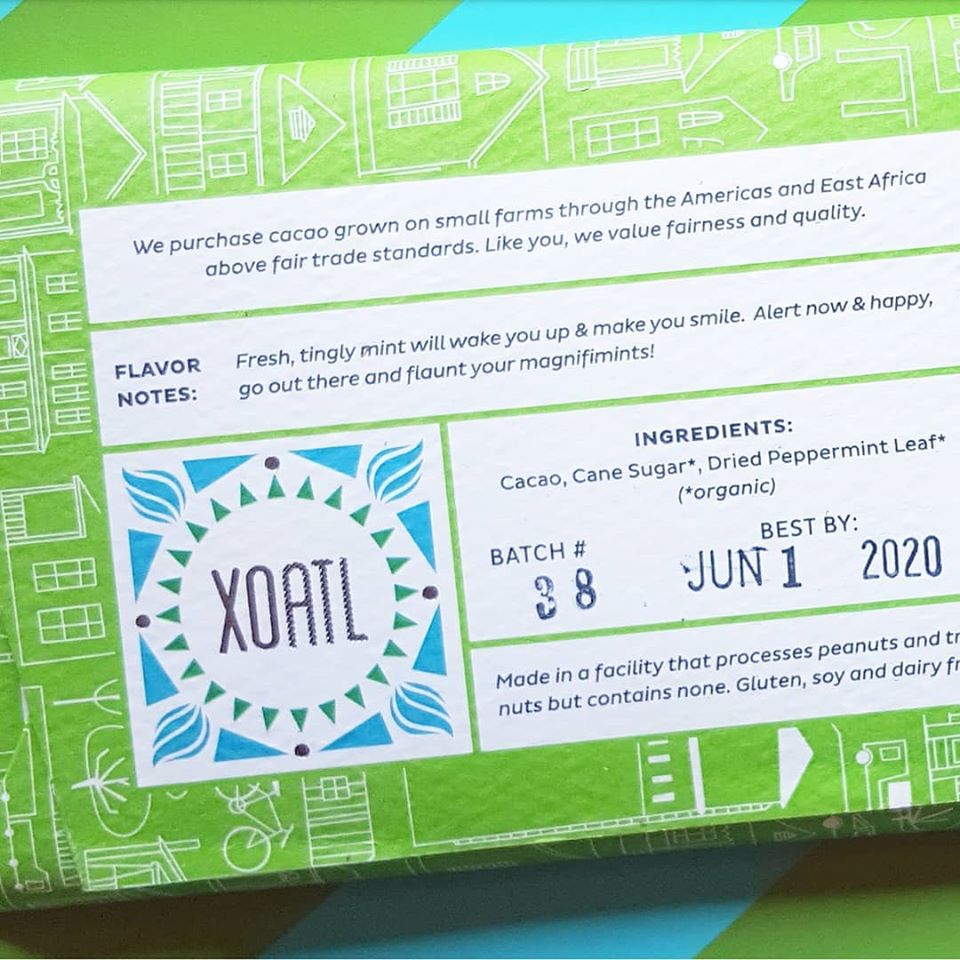
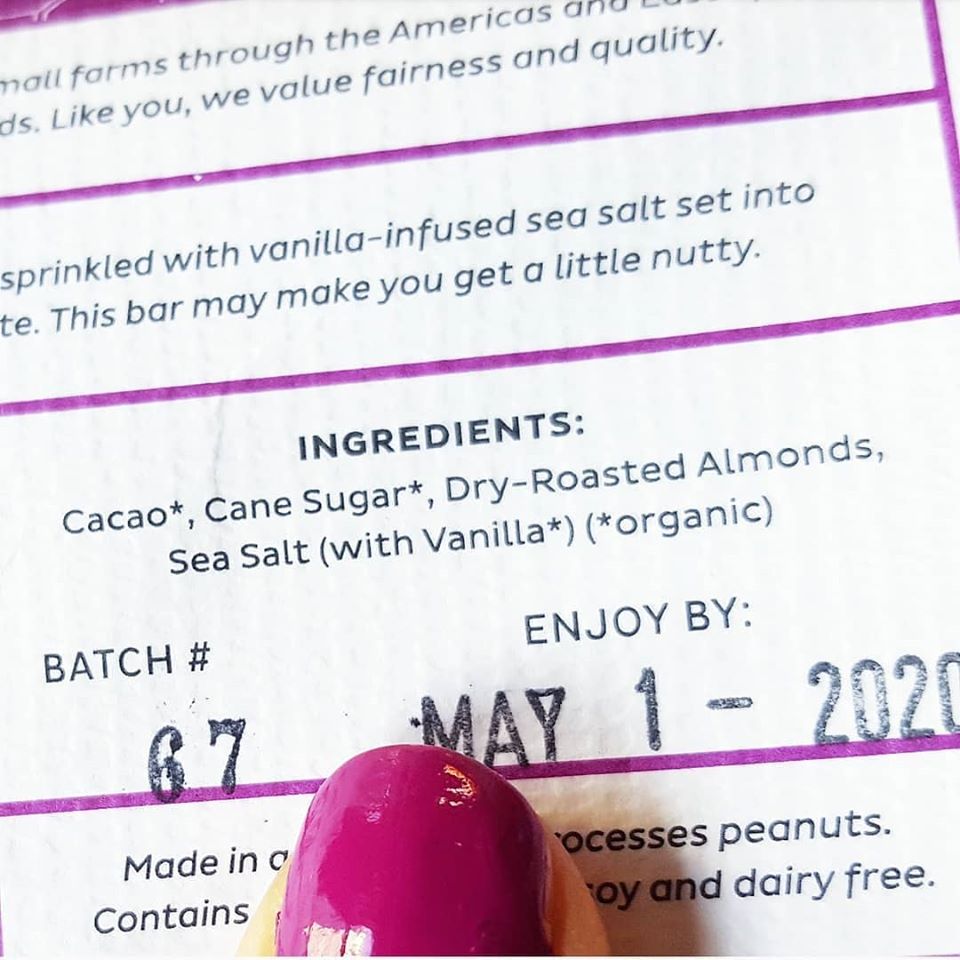
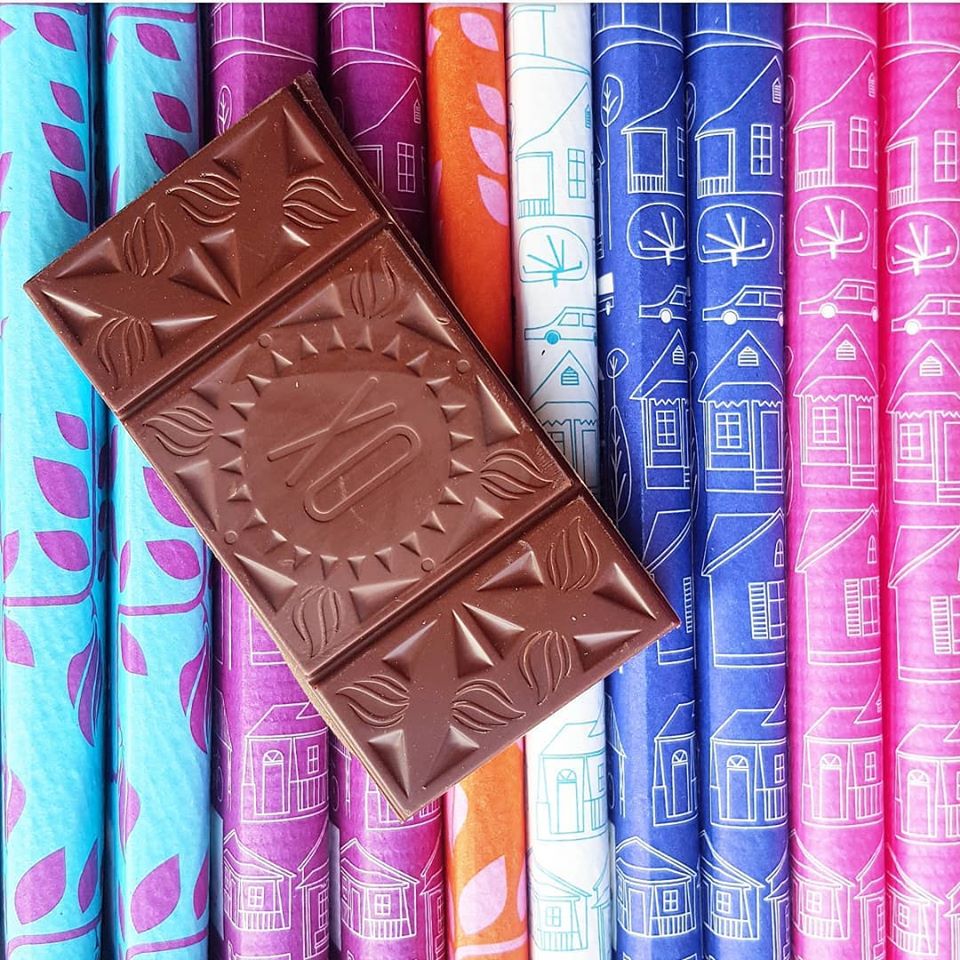
Cacao and sugar: all you need!
This family-owned brand exemplifies the values our craft chocolate community stands for, such as transparency, human rights, planetary regeneration, and first-class flavor! To put it another way, Xocolatl meets my 5 Ss because their chocolate is
slavery-free
soy-free and lecithin-free
sustainable
small-batch and
scrumptious!
Click for a fabulous article about how dear founders Elaine and Matt got started, and about how an ethical chocolate supply chain works.
It is a pleasure to represent Xocolatl, and you can find their chocolate at amazing retailers
Amma’s Umma
Avondale Coffee Club
Brew Brew Coffee & Tea
Cocoa + Co.
Goods LA
Gourmet Boutique
Honeycreeper Chocolate
Rare Bird Preserves
Reprise Coffee Roasters,and
Yahara Chocolate.
Onward and upward!
Your friend in chocolate,
Celebrating at the Good Food Awards where Xocolatl’s Pangoa Peru bar was a winner!
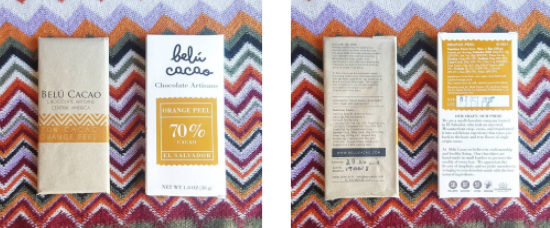
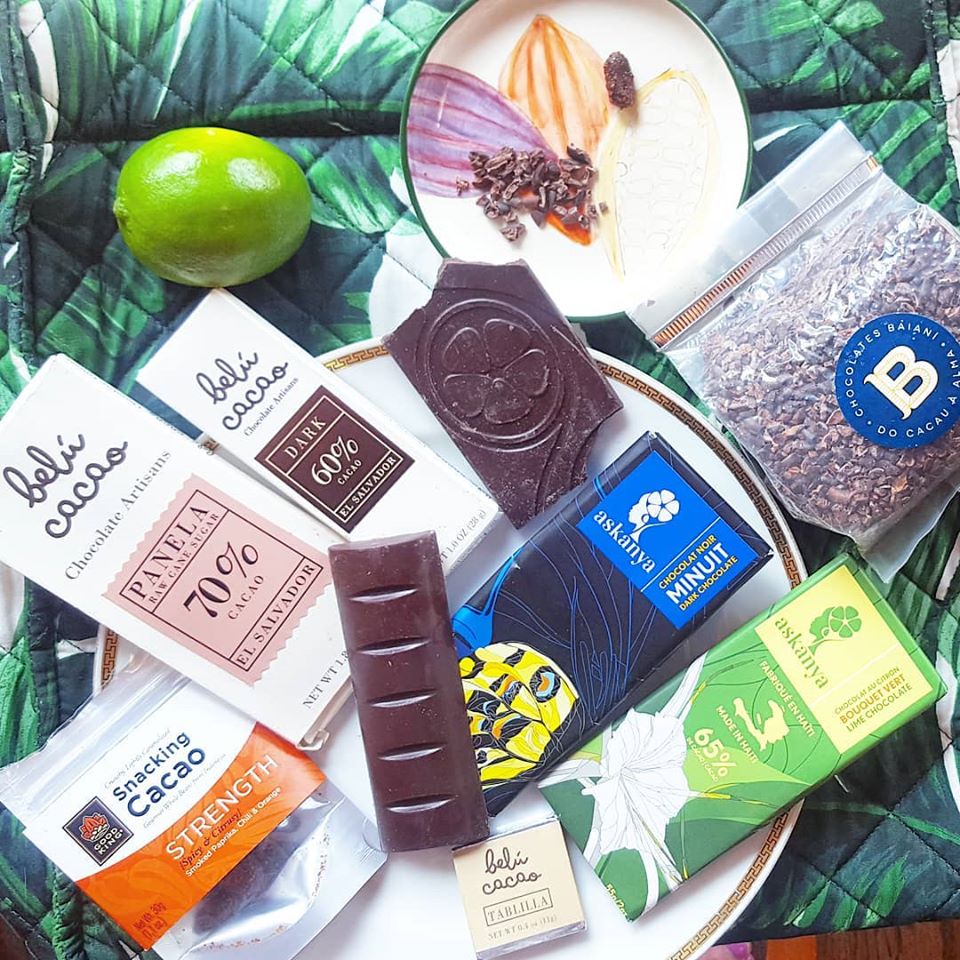
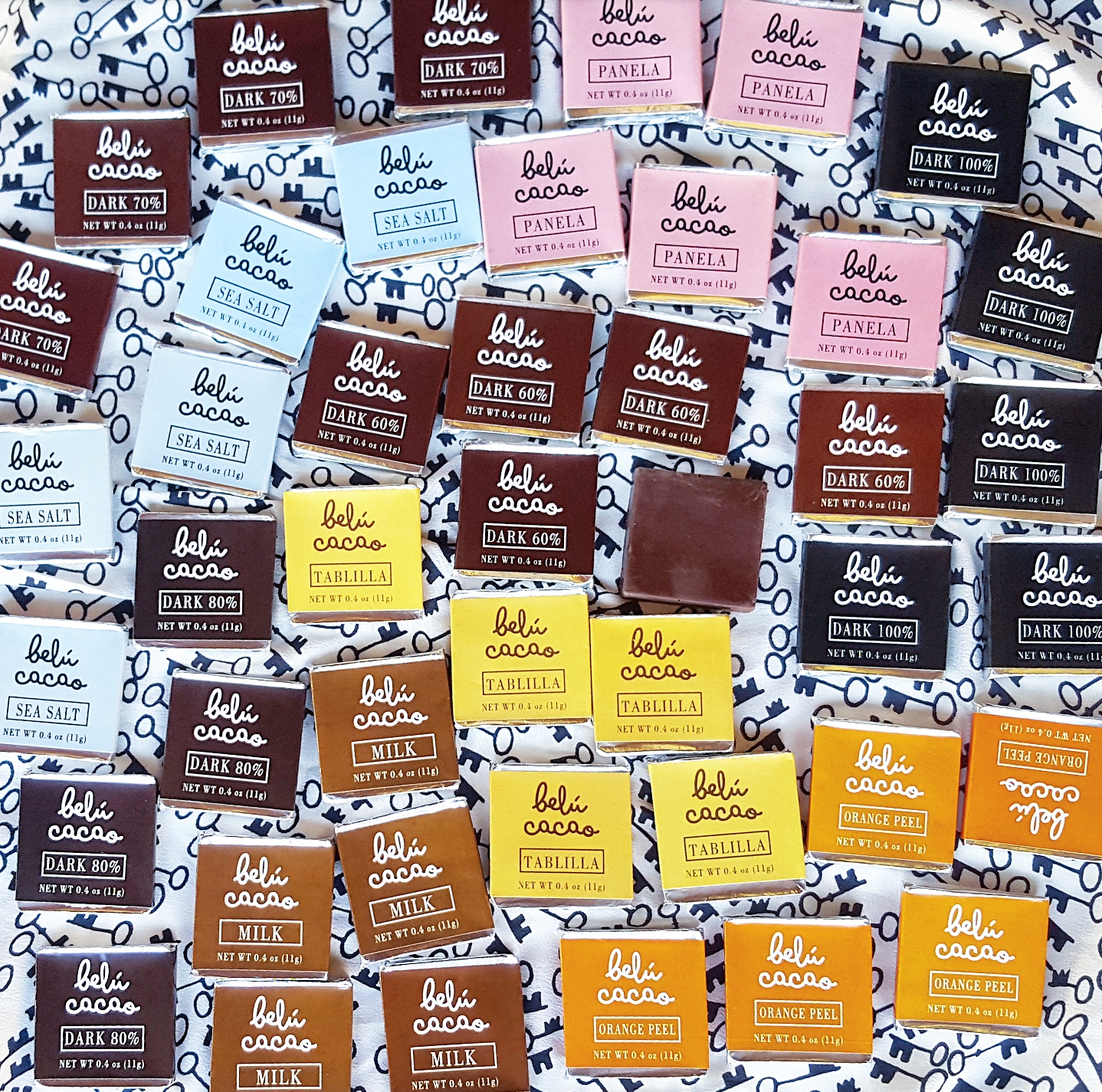
When you hear “El Salvador,” what do you think? If you take a look at this wonderful new 1-minute-23-second video from Belú Cacao of El Salvador, on which I was thrilled to do a bit of remote behind-the-scenes consulting, you might think “gorgeous, clean, nature, cacao, chocolate, women in business!”
Belú Cacao is a woman-owned craft chocolate company, and I am thrilled to work with amazing founder Emily de Urías in getting her bars ready for and now successful in the US market! Her chocolate of course meets my 5 Ss of first-class craft chocolate, in that it is
Should we revive the Chocolate Travel Club and visit El Salvador?
I’ve arranged the 3 sizes: “skinny,” full, and mini!
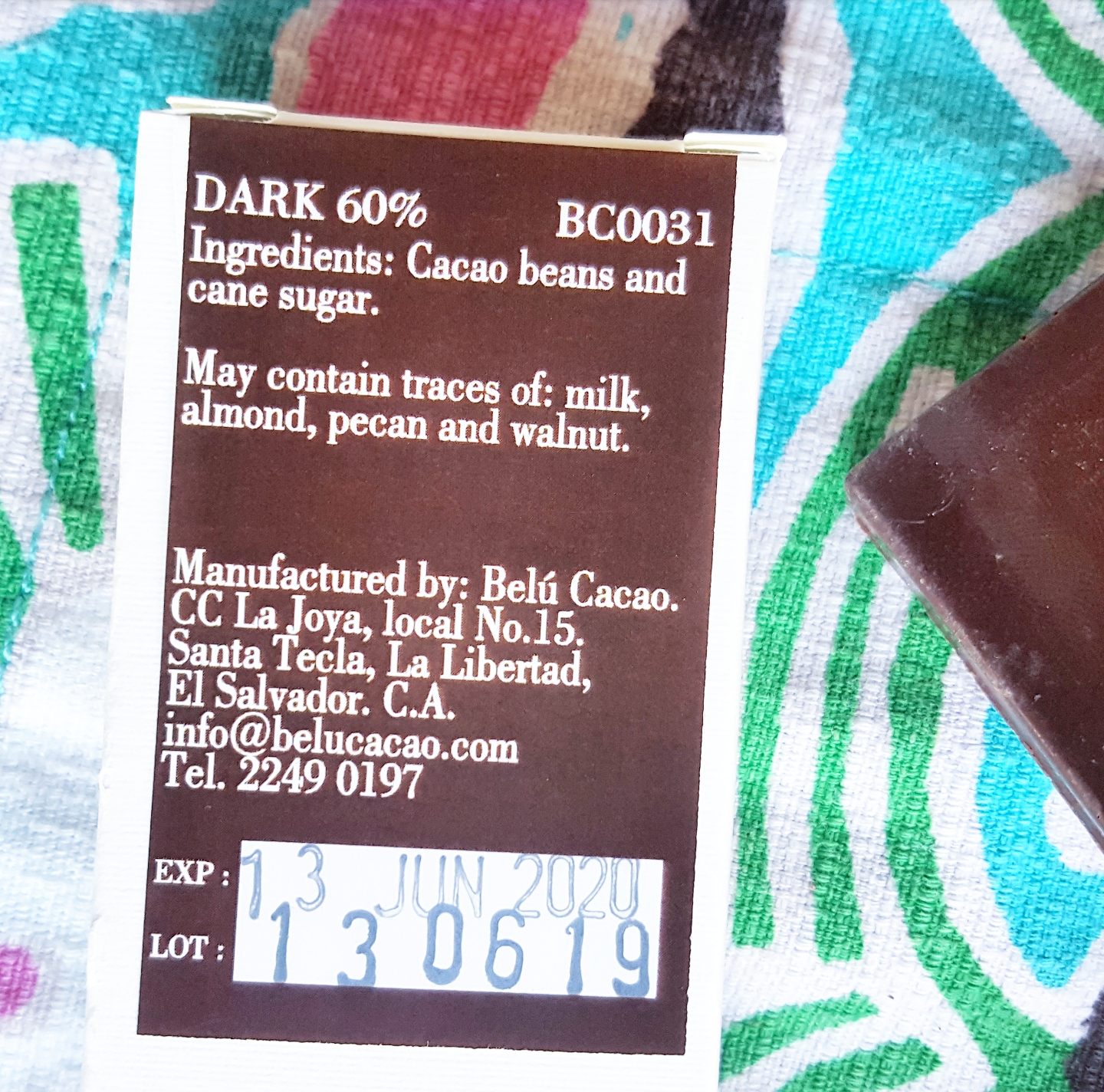
The chocolate is made from cacao and sugar — all you need! The ingredients are grown in El Salvador, and the chocolate is made in El Salvador; the in-country trend in craft chocolate is very exciting. Click for a video about this special brand made in a beautiful place.
By the way, the business is called Belú because that is founder Emily’s young daughter’s nickname. Emily’s husband Carlos is super supportive of the business, and they are a fabulous family, using their education and professionalism to boost their community and nation and our world. (In case you’re wondering, Emily speaks perfect English, as my Spanish is known to be awful, especially as it gets tangled up with my French, German, and bad Italian!)
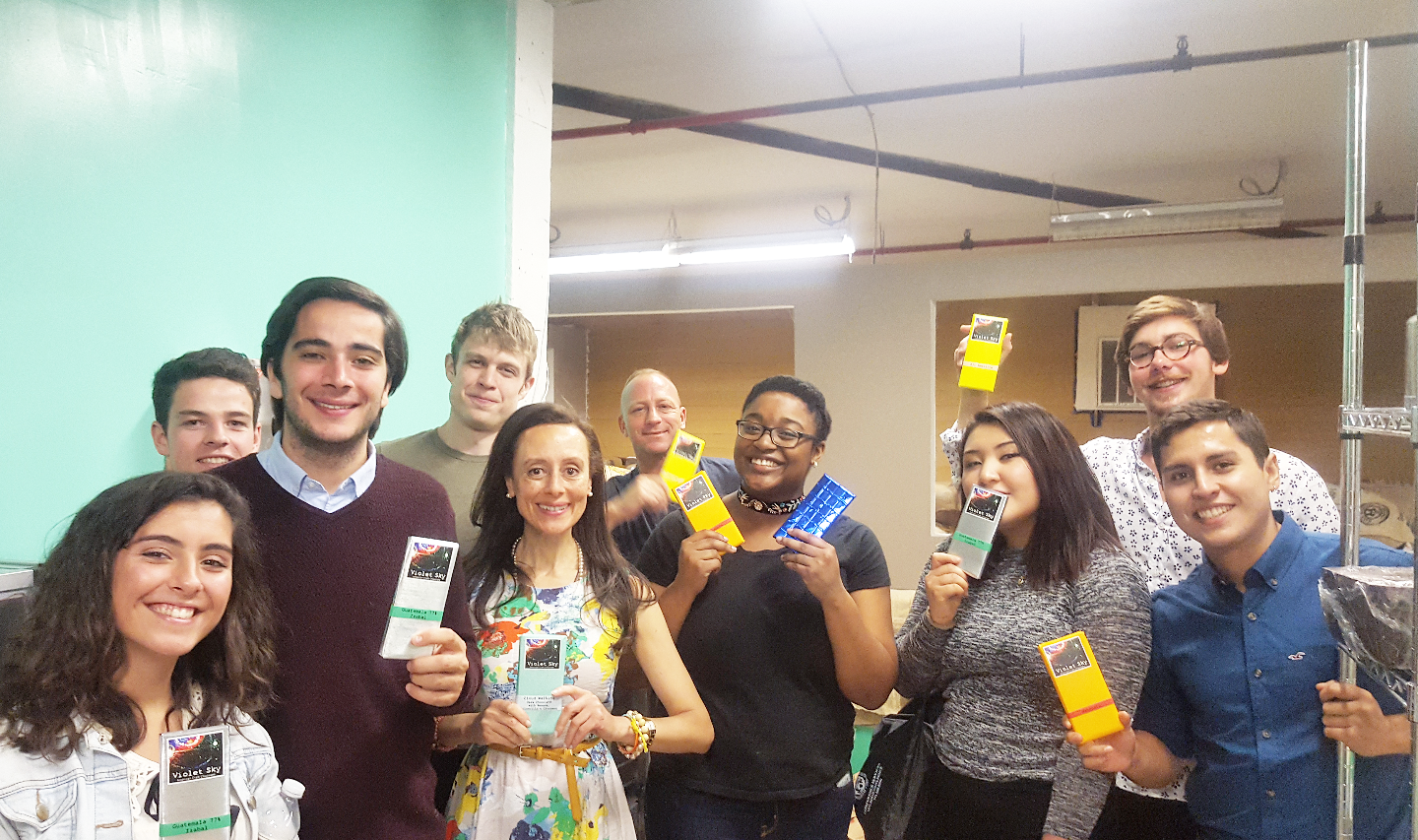
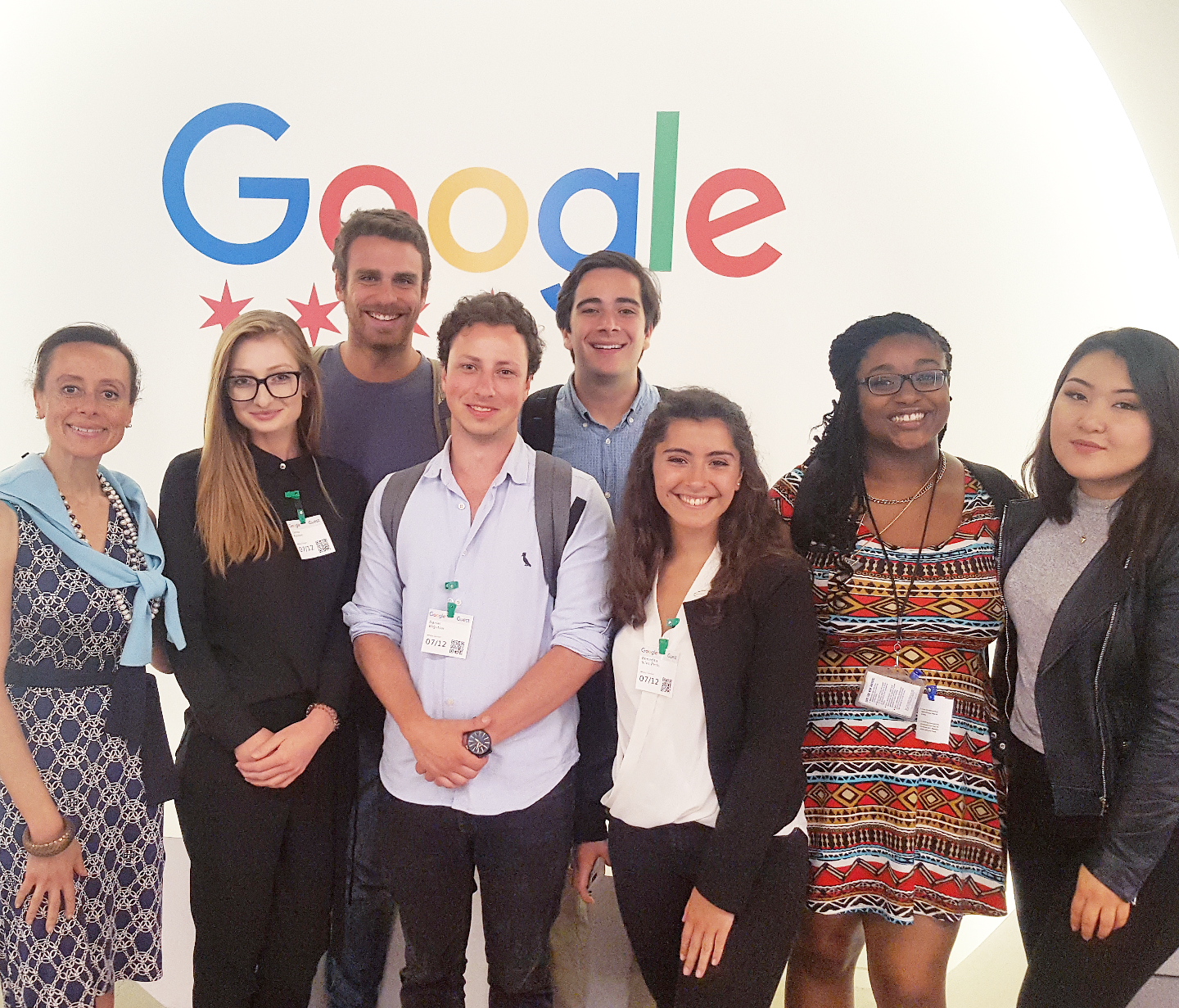
High school and college students can learn about business and entrepreneurship from the inside, and can build their professional networks, by touring successful large, small, and start-up businesses and meeting the owners or managers, through my immersive educational excursion program.
This combines my love of educating and of entrepreneurship. And of course there will be chocolate!
First new session: June 25 – 29, 2018, in Chicago.
Details:
“5 days, 5 field trips to businesses.
Meet successful entrepreneurs and managers, tour their companies, and learn their secrets, habits, and techniques.
Program created and led by entrepreneur, award winning instructor, and former Harvard lawyer Valerie Beck, who will share her business success roadmap involving networking, mentoring, and volunteering.
$900 per student, includes materials and lunches. Limited to 10 students, in high school or college. 10 am – 4 pm each day, except for 1 longer day with a longer field trip.
Apply by email to valerie.beck@post.harvard.edu with name, school, age, email address, why you want to participate in the program, and why you are interested in business.
Payment due upon acceptance, to hold your spot. Email with any questions.
A fun and educational week awaits our A-List Student Excursion participants!”
ool, age
Click for the full webpage, which includes reviews from students.
When people ask me where to find bean-to-bar chocolate, or slavery-free / ethical chocolate, there’s a new store I now add to the list: Cocoa + Co. in Chicago.
Handful of paradise on opening day at Cocoa + Co.
People also often ask me for a good chocolate cafe or coffee shop in Chicago, and I add Cocoa + Co. to that list too.
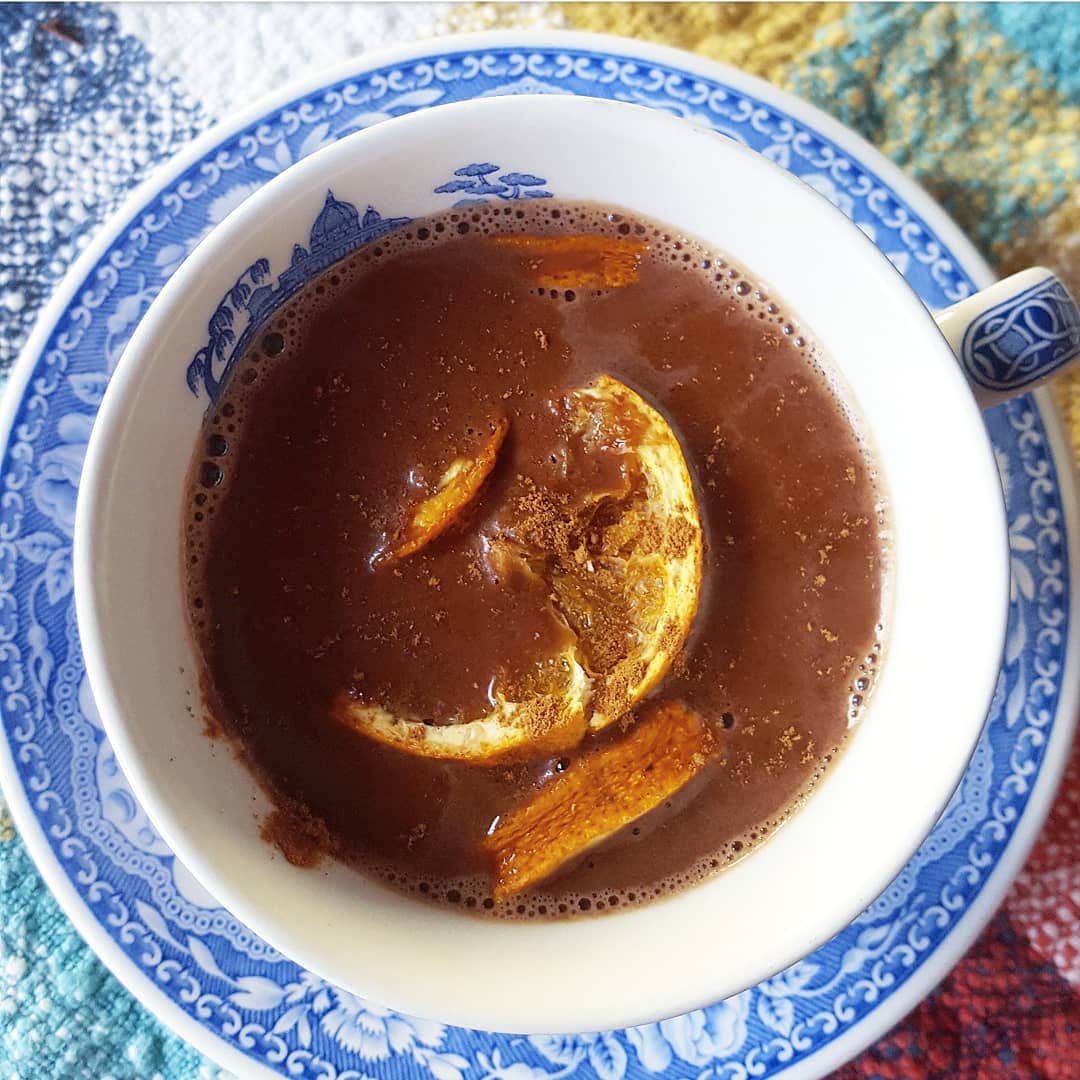
Spicy hot chocolate at Cocoa + Co. #aztecrevivalism
And, when people ask me how to tell if a chocolate bar comes from ethical sources, I give them the answer – below.
But first, imagine a chocolate shop where you can support the community of fair trade and direct trade cacao growers, support the community of artisan chocolate makers and chefs, and enjoy your own community of friends while enjoying some of the finest chocolate brands in the world. Such are the glories at Cocoa + Co.!
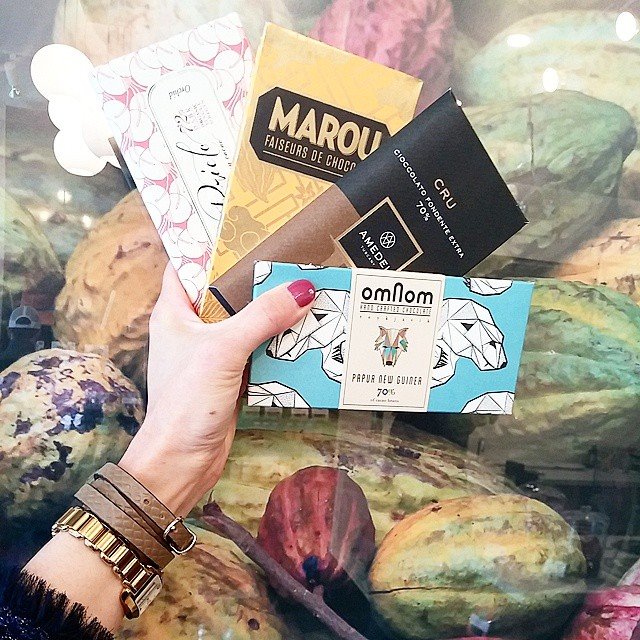
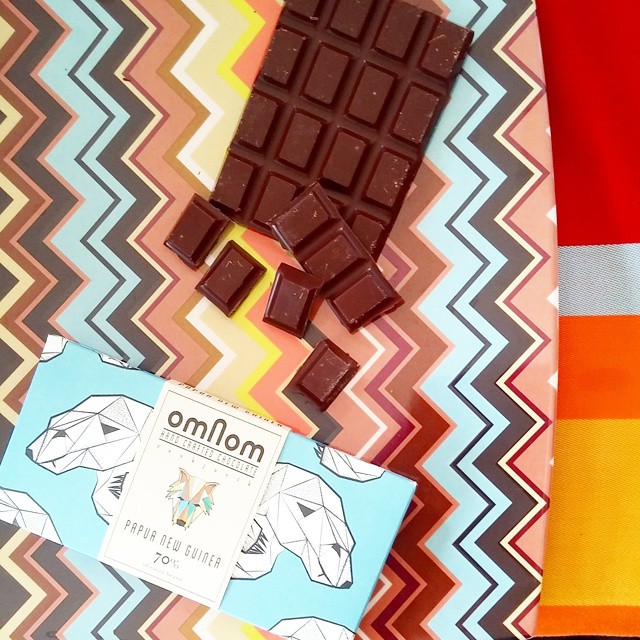
Store owner Kim Hack carries some of my favorite bean-to-bar chocolate brands, such as Dick Taylor and Original Beans. I’ve also found new favorites through her, such as Marou and Omnom, which I’d followed on Instagram and finally tasted and fell in love with after buying them at Kim’s shop!
Look what came home with me: Omnom Chocolate
Kim also brings in fresh local pastry and bonbons, has space for private chocolate tasting parties, serves luscious drinking chocolate, and has a well-curated chocolate grocery and cookbook selection.
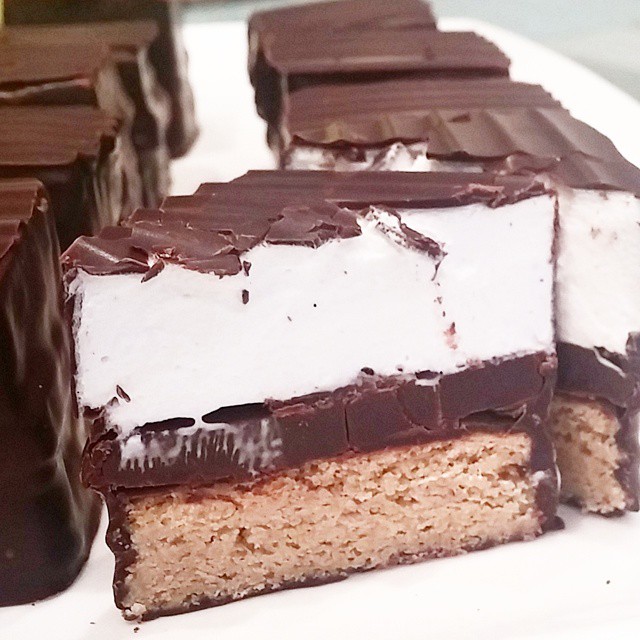
Chocolate covered s’mores bonbons made for Cocoa + Co. by Veruca Chocolates
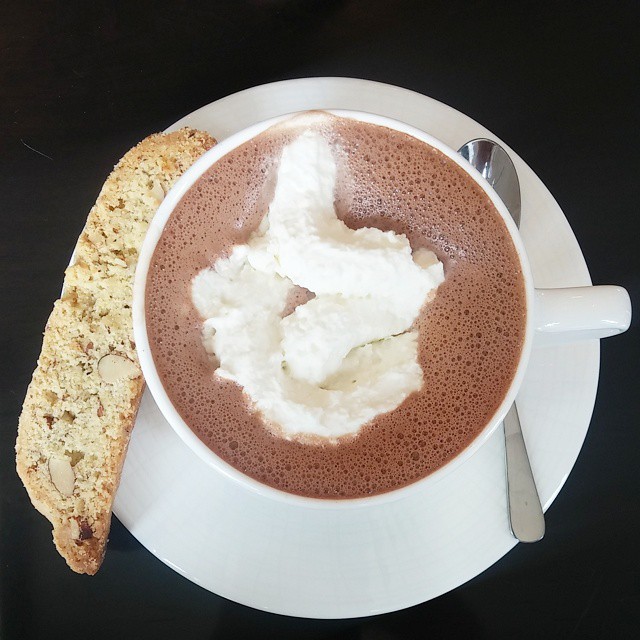
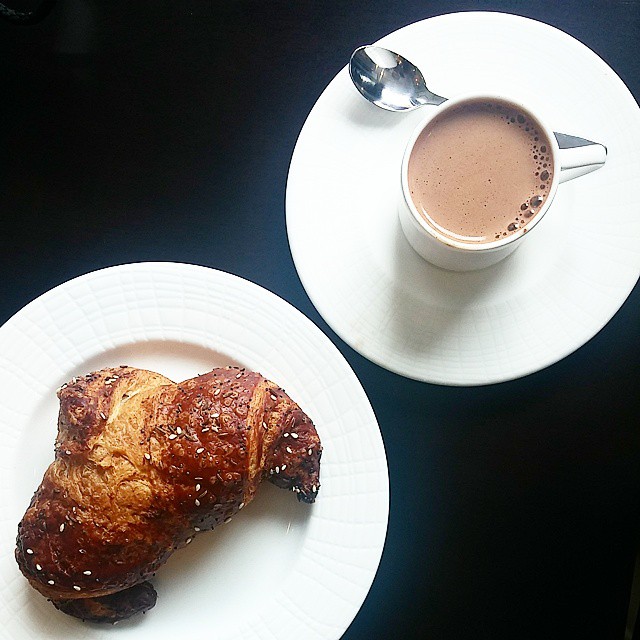
Pretzel croissant by Beurrage and drinking chocolate at Cocoa + Co.
These are wonderful components of the community of chocolate, wouldn’t you agree!
Back to our question of how to tell if the chocolate bar in your hand comes from ethical sources: read the label for what it says, and for what it doesn’t say.
That is: look first for the origin. If you see a country or an estate of origin listed, chances are already high you’re holding a bar of ethical chocolate. Just as a bottle of wine or bag of coffee tells you what country or estate the product comes from, an ethical chocolate bar will tell you that too. The label might say Peru, or Madagascar, or the Camino Verde Estate in Ecuador which I visited last year, or another location, so that you’ll know the source of the cacao that went into making the chocolate.
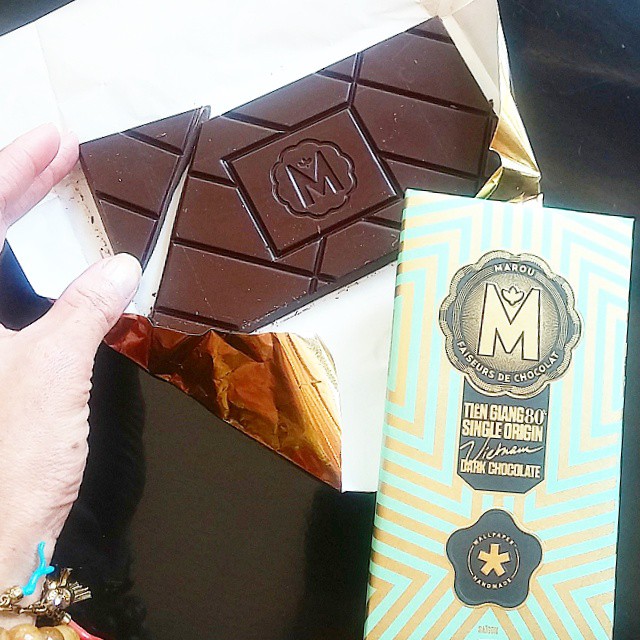
Marou Chocolate, made with cacao from Vietnam
You can also look for a fair trade symbol, but there are multiple certifications and an ethical cacao farm may or may not have them.
Now look for what the label doesn’t say: if no origin is listed, you can be relatively sure the cocoa beans came from West Africa, which produces over 60% of the world’s chocolate, and which does so with a scarred supply chain often involving diseased cacao trees, poor flavor bulk cacao, and even child slave labor. This is the supply chain of the big chocolate manufacturers who sell in grocery stores and advertise on TV. And this is why I’m organizing a Chocolate Freedom Walk, to raise awareness of where our chocolate comes from, and to promote ethical chocolate with fun tastings and giveaways at my speaking engagements and along the route.
Ethical cacao is not only ethical, it tastes infinitely better, gives you various flavors such as earthy or fruity based on the soil (terroir) and the art of the chocolate maker, needs no artificial ingredients, and gives you the health benefits that you’ve heard about. And it includes you in the sweet chocolate community of growers, makers, and enjoyers, which you can also join at Cocoa + Co.
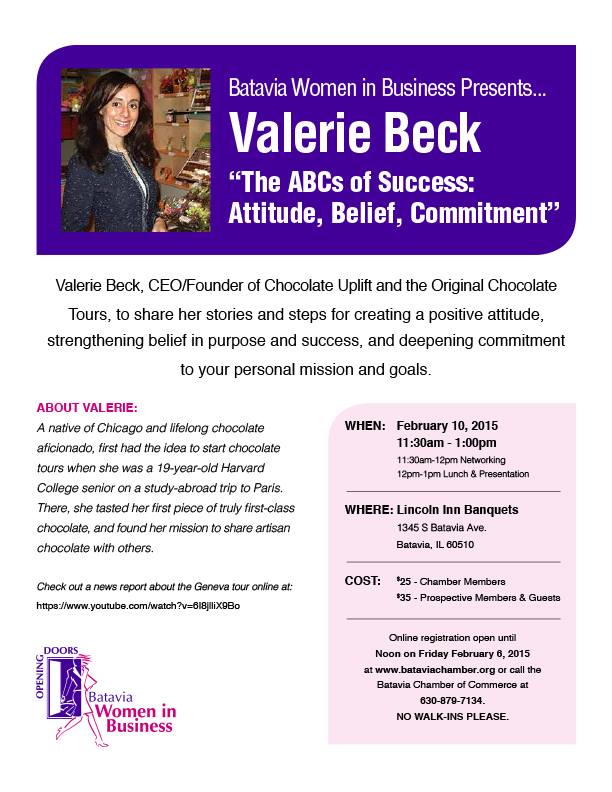
I’m excited to speak to the Batavia Women in Business group, outside of Chicago, on the “ABCs of Sweet Success,” and excited about the corresponding article in The Chicago Tribune about my speaking engagements and rebranding to Chocolate Uplift!
















 Chocolate Uplift